
Alpine Laurel
Kalmia microphylla
- Native to:
- Canada, United States
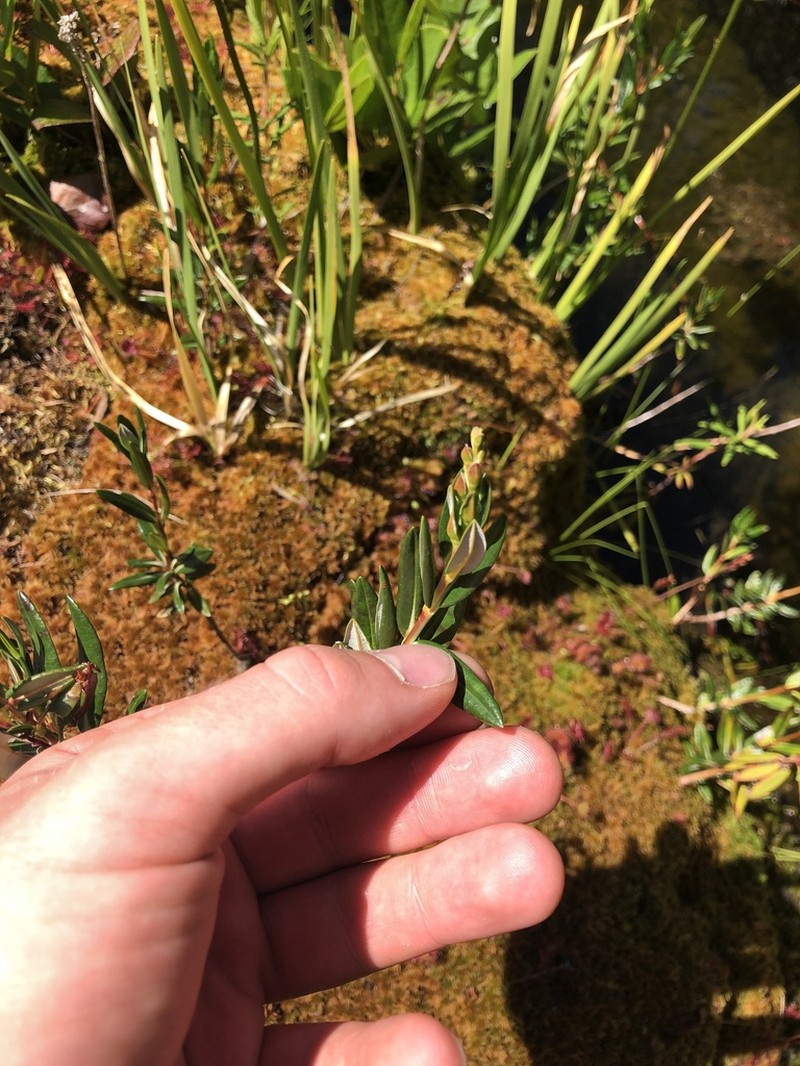
iNaturalist: © sabeaumont (iNaturalist #195720702)
Taxonomy
- Division:
- Magnoliophyta | - Flowering plants
- Family:
- Ericaceae
- Genus:
- Kalmia
- Species:
- Kalmia microphylla
- USDA Symbol:
- KAMI
Growth Characteristics
- Life Cycle:
- Perennial
- Growth Habit:
- Shrub , Subshrub
- Height:
- 100 cm
- Light Requirements:
- Full Sun
- Drought Tolerance:
- Low
- Bloom Months:
- may,jun,jul
- Bloom Colors:
- pink, rose
- Evergreen Shrub:
- Yes
- Landscaping Shrub:
- Yes
Wildlife Benefits
- Bees:
- ★☆☆☆☆ Documented bee visitation (GBIF)
- Butterflies & Moths:
- ★☆☆☆☆ Documented Lepidoptera association (GBIF)
- Caterpillars:
- ★☆☆☆☆ Recorded caterpillar host plant (HOSTS Database)
Keystone Species Ranking
- Caterpillar Keystone:
- ★★★☆☆ Butterfly & moth species supported by this genus (NWF)
- Pollen Specialist Bee Keystone:
- ★☆☆☆☆ Native pollen specialist bee species supported by this genus (NWF)
Host Plant for Caterpillars
Apharetra dentata, arcadia sallow moth (Xylotype arcadia), lanceolate dagger moth (Acronicta lanceolaria), Idas blue (Lycaeides idas)
Reported Fauna Sightings
Bees: Brown-belted bumble bee (Bombus griseocollis), Half-black bumble bee (Bombus vagans), Hunt's bumble bee (Bombus huntii), Two-form bumble bee (Bombus bifarius)
Garden & Ecology Notes
- Wildlife Value:
- bees, butterflies, hummingbirds
- Deer Resistant:
- Yes
Soil Requirements
- Soil Type:
- peaty, acidic, nutrient-poor soil
- pH:
- 4.5 - 6.0 (acidic to slightly acidic)
- Drainage:
- tolerates poor drainage
- Moisture:
- consistently moist
- Notes:
- Commonly found in bogs and wetland areas
Propagation & Germination
- Stratification:
- Cold/moist stratification required — 60–90 days
- Germination Time:
- 30–60 days
- Notes:
- Seeds require cold stratification for 60-90 days; surface sow on moist peat or sphagnum.
Pre-treatment: Cuttings were 6 centimeters in length, branched, with a portion of older wood at the base. A 4000 ppm liquid IBA treatment was used. Bottom heat of 22C was applied. A high humidity chamber was used. A peat/perlite rooting media was preferred.
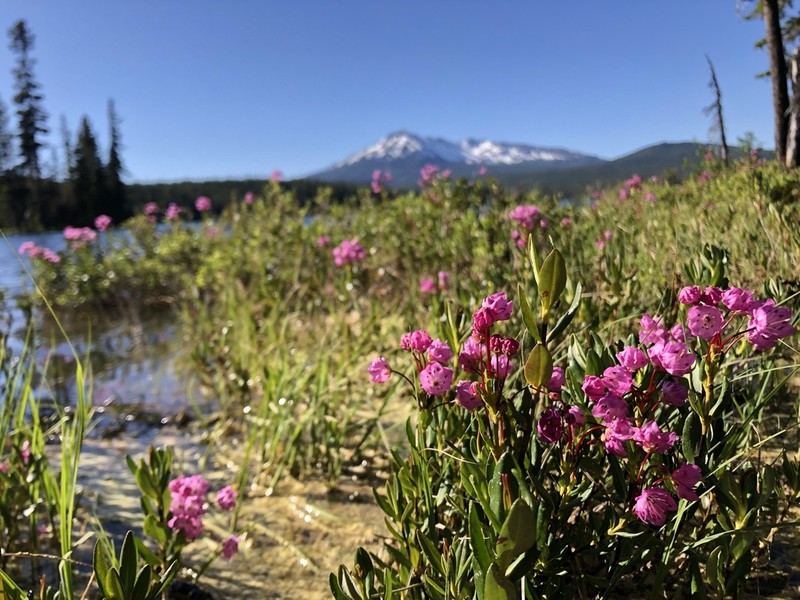
Establishment: K. microphylla occurs from southern Alaska through the Cascades to California, east to the Rockies from Alberta to Colorado in high elevation bogs and streambanks. Also found at higher elevations within temperate deciduous and coniferous forests of North America. There is a conflicting protocol suggesting seed germination at 22°C, but no further details were provided.
Source: npn.rngr.net