
Rhodora
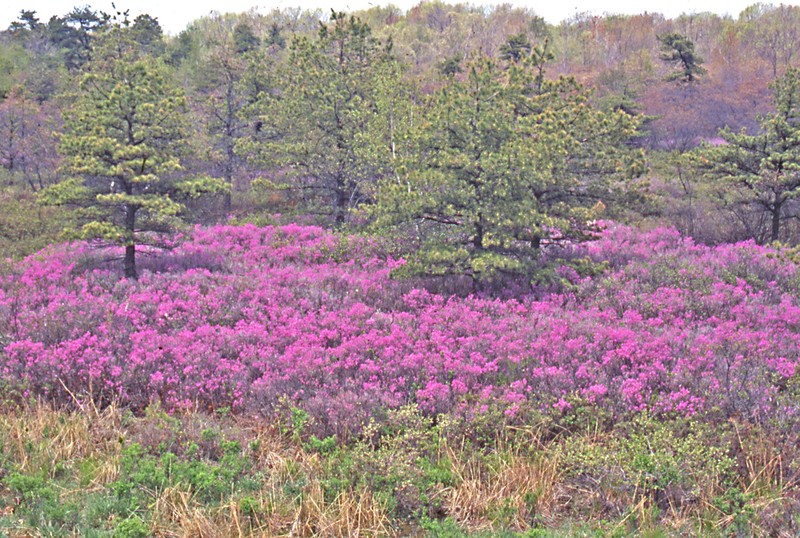
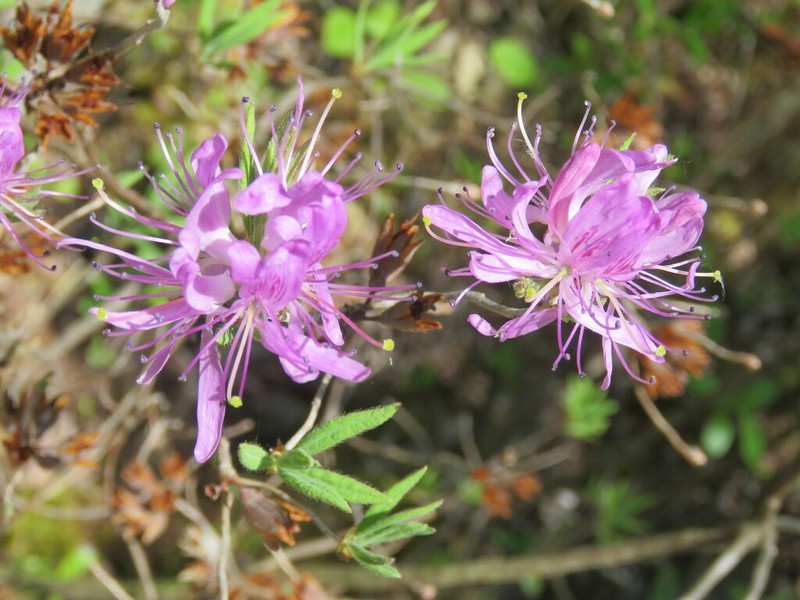
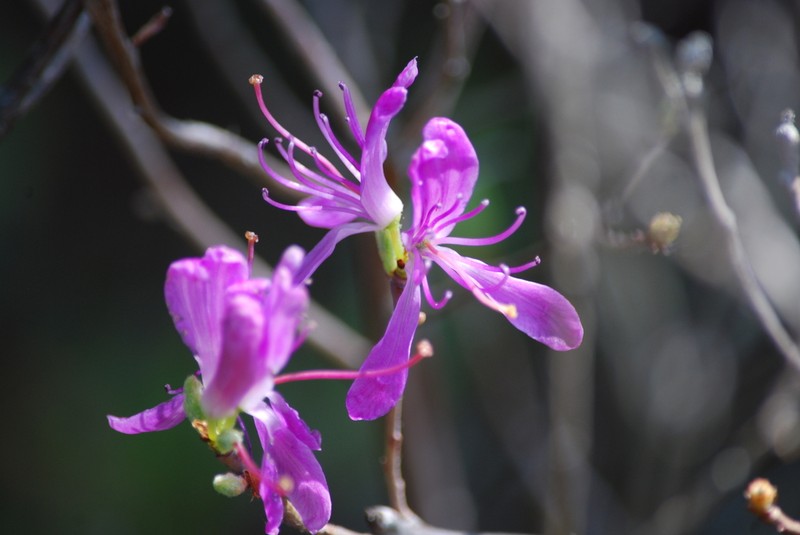
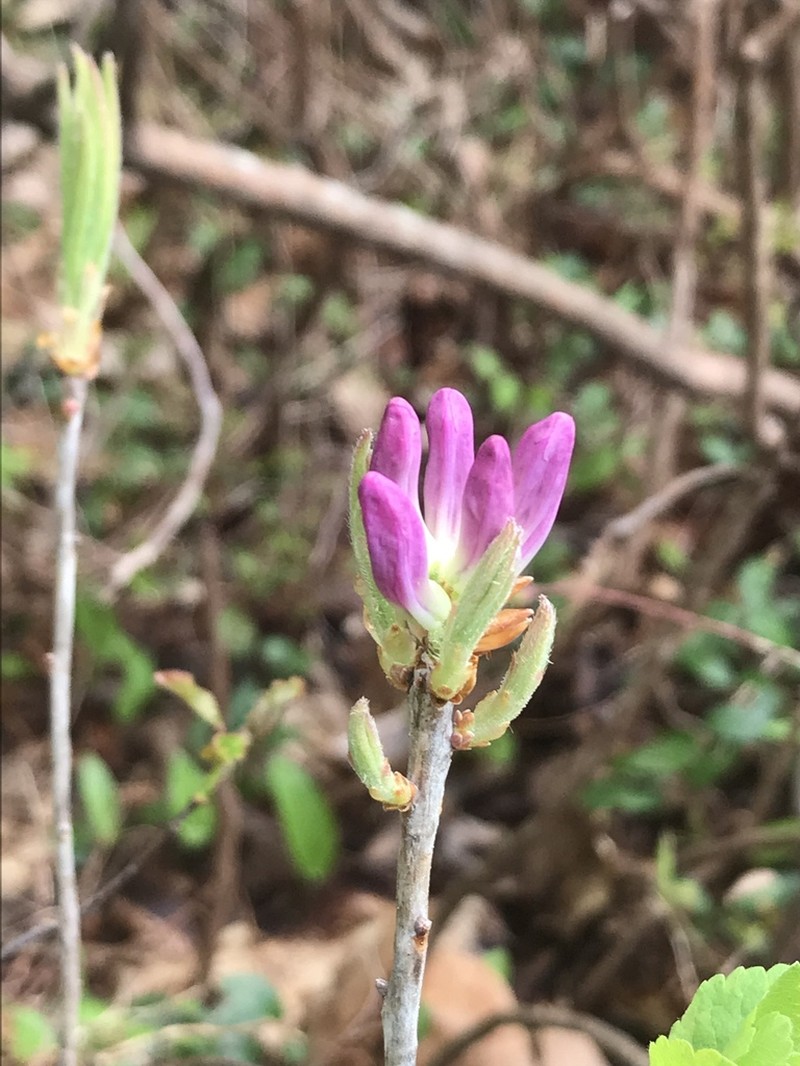
Rhododendron canadense
- Native to:
- Canada, Labrador, Prince Edward I., United States
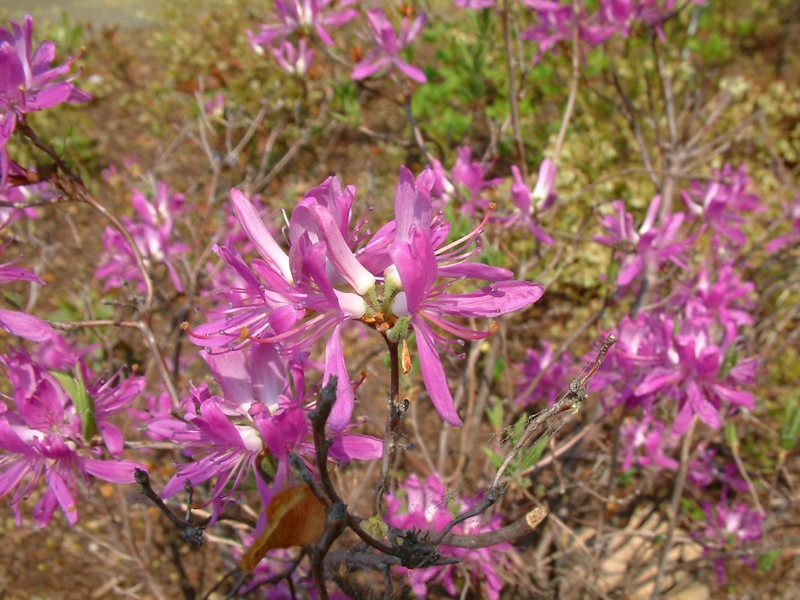
iNaturalist: © hereinthewild (iNaturalist #27822852)
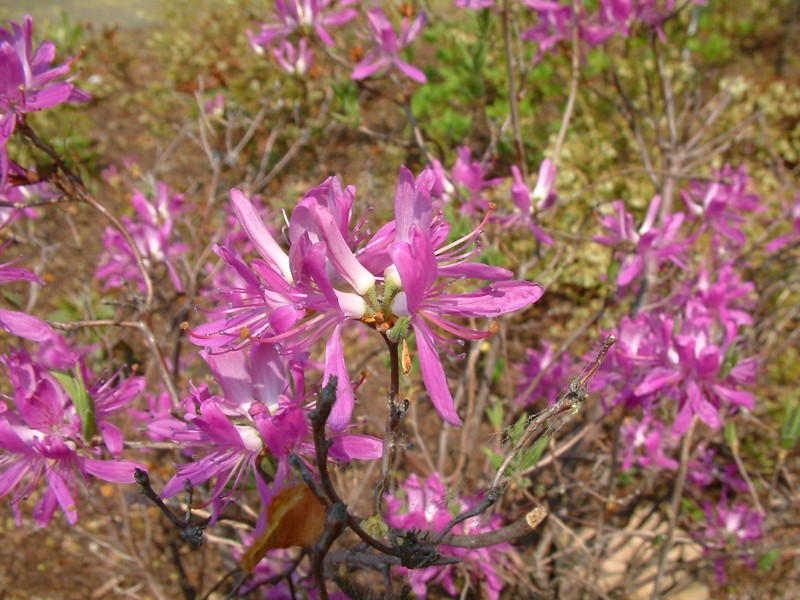
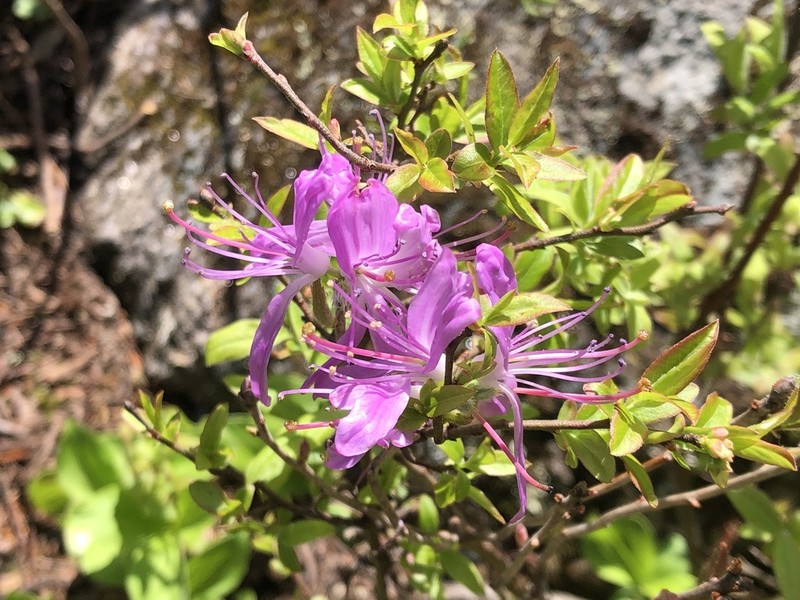
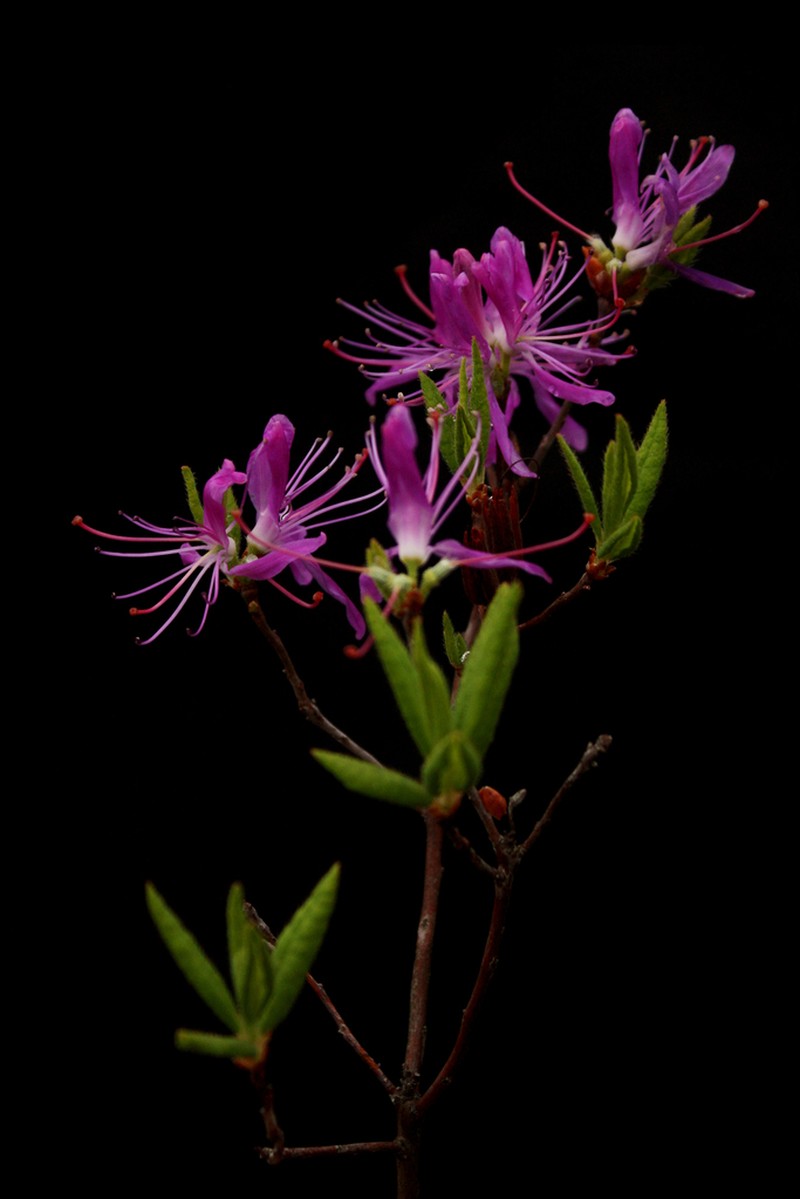
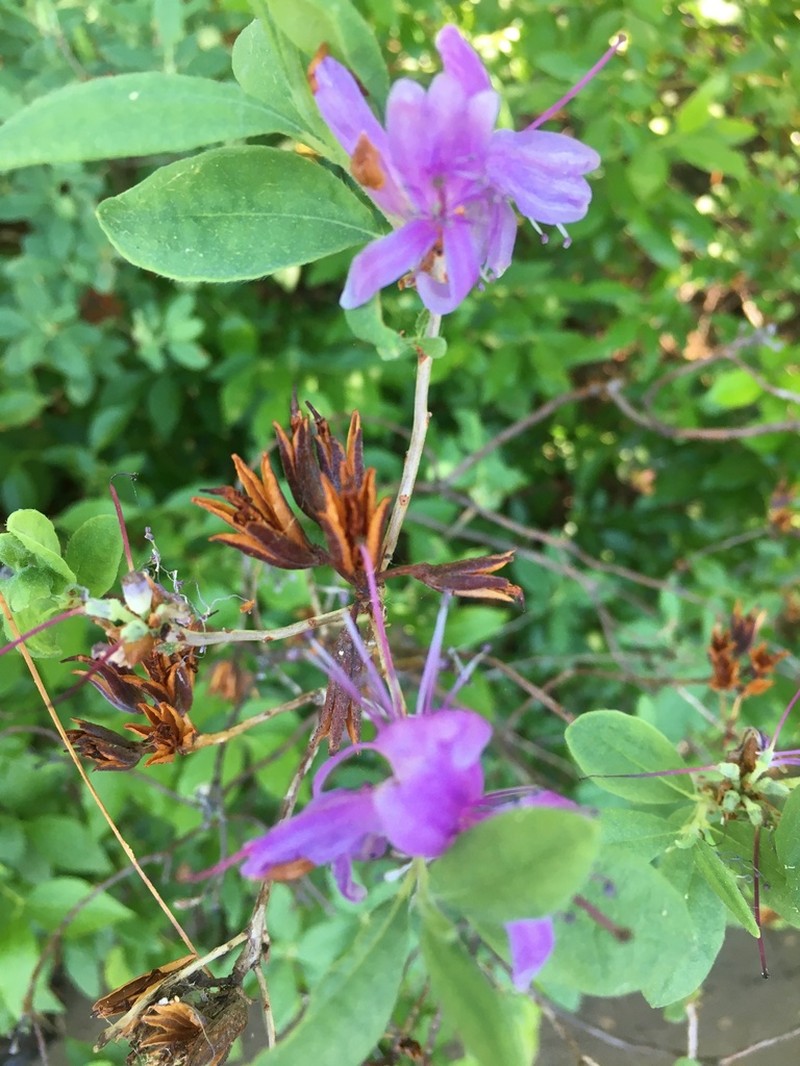
Taxonomy
- Division:
- Magnoliophyta | - Flowering plants
- Family:
- Ericaceae
- Genus:
- Rhododendron
- Species:
- Rhododendron canadense
- USDA Symbol:
- RHCA6
Growth Characteristics
- Life Cycle:
- Perennial
- Growth Habit:
- Shrub
- Height:
- 120 cm
- Light Requirements:
- Full Sun,Part Shade
- Drought Tolerance:
- Low
- Bloom Months:
- apr,may,jun
- Bloom Colors:
- pink, purple
- Landscaping Shrub:
- Yes
Wildlife Benefits
- Bees:
- ★☆☆☆☆ Documented bee visitation (GBIF)
- Butterflies & Moths:
- ★★☆☆☆ Documented Lepidoptera association (GBIF)
- Caterpillars:
- ★★☆☆☆ Recorded caterpillar host plant (HOSTS Database)
Keystone Species Ranking
- Caterpillar Keystone:
- ★★★★☆ Butterfly & moth species supported by this genus (NWF)
Host Plant for Caterpillars
Ancylis rhoderana, Argyrotaenia repertana, Caloptilia rhodorella, Chain-lined geometer moth (Cingilia catenaria), Columbia silk moth (Hyalophora columbia), Epinotia septemberana, Eupithecia russeliata, False Crocus Geometer (Xanthotype urticaria), Hydria undulata, Ortholepis rhodorella, Polia purpurissata, white triangle tortrix (Clepsis persicana)
Garden & Ecology Notes
- Wildlife Value:
- bees, butterflies, hummingbirds
- Fall Color:
- red, orange
Soil Requirements
- Soil Type:
- moist, acidic, peaty or sandy soil
- pH:
- 4.5 - 5.5 (strongly acidic)
- Drainage:
- good drainage required
- Moisture:
- consistently moist
- Notes:
- prefers cool, boggy areas in native habitat
Propagation & Germination
- Stratification:
- Cold/moist stratification required — 60–90 days
- Germination Time:
- 30–60 days
- Notes:
- Seeds require cold stratification for 60-90 days; surface sow on moist peat and keep at 20-25°C after stratification.
Pre-treatment: Cold-moist stratification for 30 days at 1–5°C (34–41°F).; then Cold-moist stratification for 60 days.
Notes: Seeds may require light for germination.
Source: Claude AI
ORGHPS Germination Guide: Sow @ 20°C. Seed germinates within 3 months * sprinkle seed on 10 cm damp sphagnum moss; cover with clear plastic pop bottle cut in half; transplant seedling to acidic mix in shade outdoors when 5 cm high; protect from rodents and give protection in cold frame first winter