
Lapland Rosebay
Rhododendron lapponicum
- Native to:
- Canada, China, Finland, Greenland, Labrador, Norway, Russia, Sweden, United States
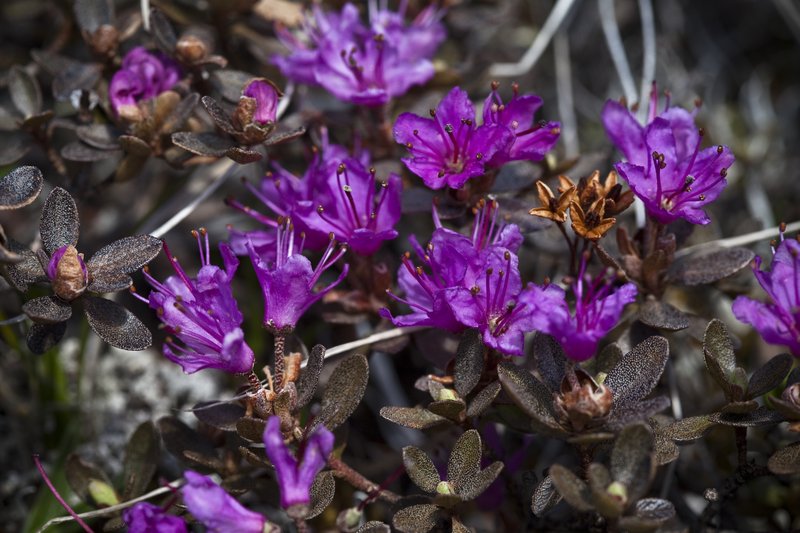
Ole Jonny Larsen
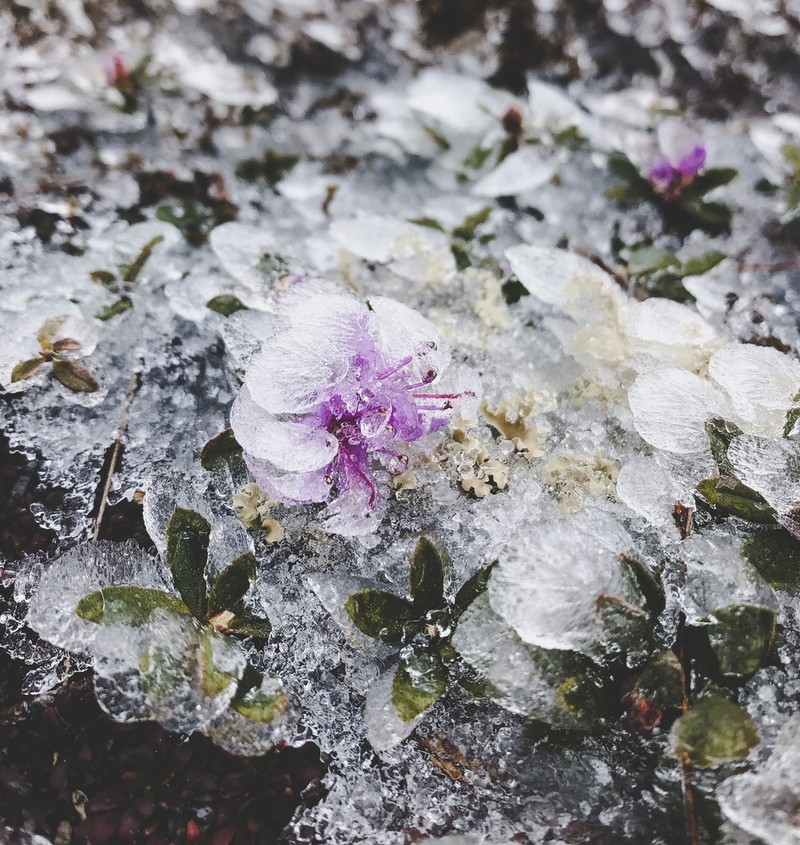
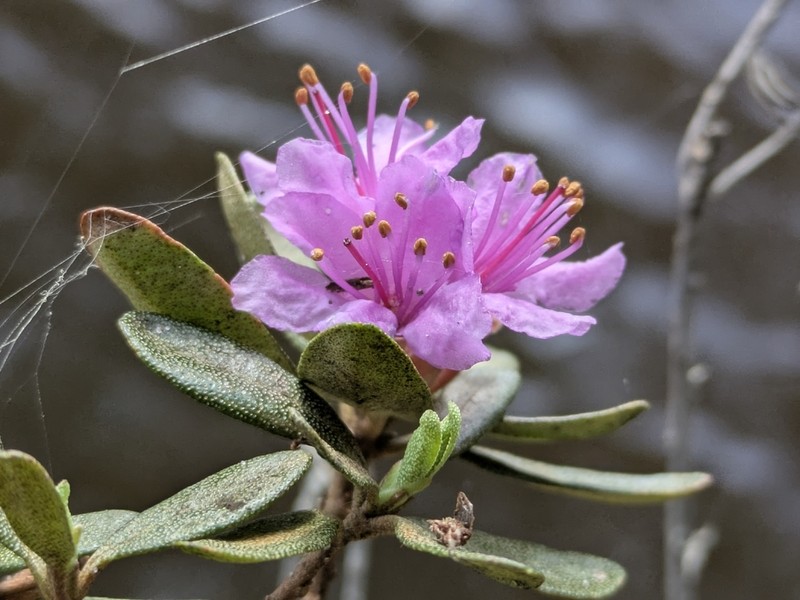
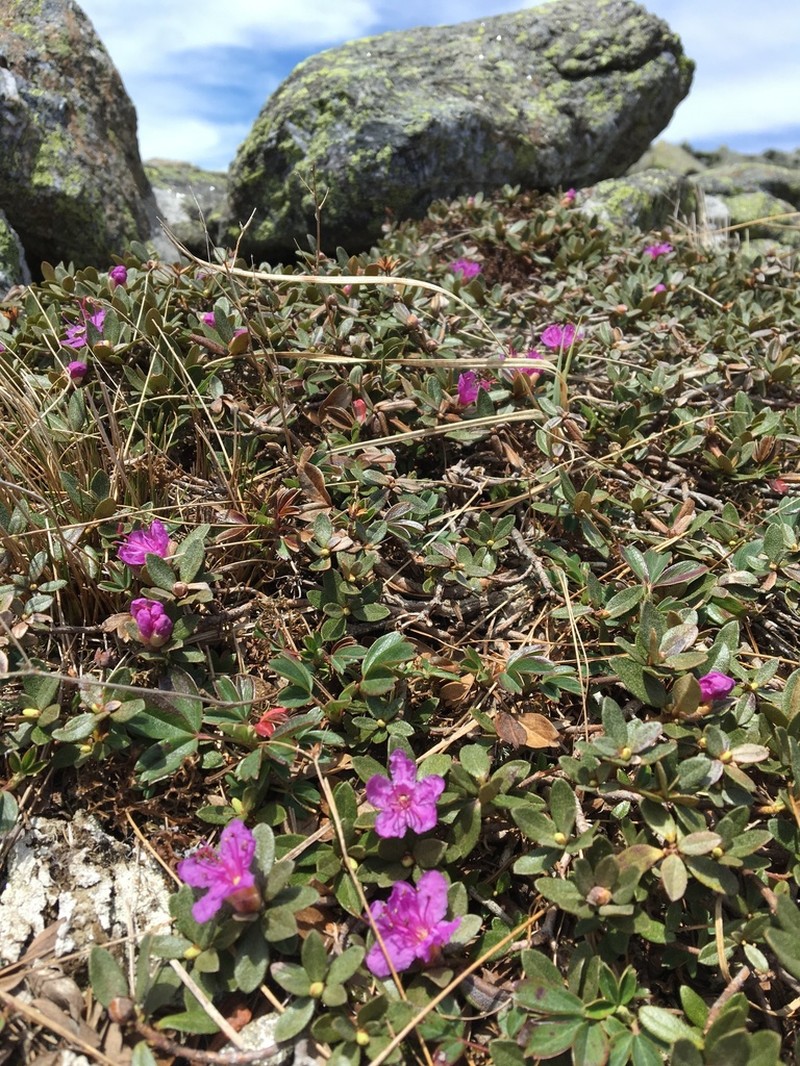
Taxonomy
- Division:
- Magnoliophyta | - Flowering plants
- Family:
- Ericaceae
- Genus:
- Rhododendron
- Species:
- Rhododendron lapponicum
- USDA Symbol:
- RHLA2
Growth Characteristics
- Life Cycle:
- Perennial
- Growth Habit:
- Shrub
- Height:
- 100 cm
- Light Requirements:
- Part Shade
- Drought Tolerance:
- Low
- Bloom Months:
- may,jun,jul
- Bloom Colors:
- purple, pink, magenta
- Evergreen Shrub:
- Yes
Wildlife Benefits
- Bees:
- ★☆☆☆☆ Documented bee visitation (GBIF)
- Butterflies & Moths:
- ★☆☆☆☆ Documented Lepidoptera association (GBIF)
Keystone Species Ranking
- Caterpillar Keystone:
- ★★★★☆ Butterfly & moth species supported by this genus (NWF)
Garden & Ecology Notes
- Wildlife Value:
- birds, butterflies, small mammals
Soil Requirements
- Soil Type:
- rocky, acidic, well-drained soil
- pH:
- 4.5 - 5.5 (acidic)
- Drainage:
- excellent drainage required
- Moisture:
- dry to moderate
- Notes:
- native to alpine and arctic regions
Propagation & Germination
- Stratification:
- Cold/moist stratification required — 60–90 days
- Germination Time:
- 30–60 days
- Notes:
- Seeds require cold stratification for 60-90 days; surface sow on moist peat or sphagnum.
Pre-treatment: Seeds are placed in cold moist stratification for 71 to 112 days.
Establishment: C. alpina is found in moist forests throughout the northern hemisphere.
Source: npn.rngr.net
ORGHPS Germination Guide: Sow immediately, Either the viability of these seeds is short or the species propagates best with fresh seed. Stored seed might be coaxed into germination with temperature cycling and patience. Sow @ 20°C. Seed germinates within 3 months Requires light or the seed is very fine. Surface sow and expose to light. * sprinkle seed on 10 cm damp sphagnum moss; cover with clear plastic pop bottle cut in half; transplant seedling to acidic mix in shade outdoors when 5 cm high; protect from rodents and give protection in cold frame first winter