
Lowbush Blueberry
Vaccinium angustifolium
- Native to:
- Canada, Labrador, Prince Edward I., United States, Virgin Islands
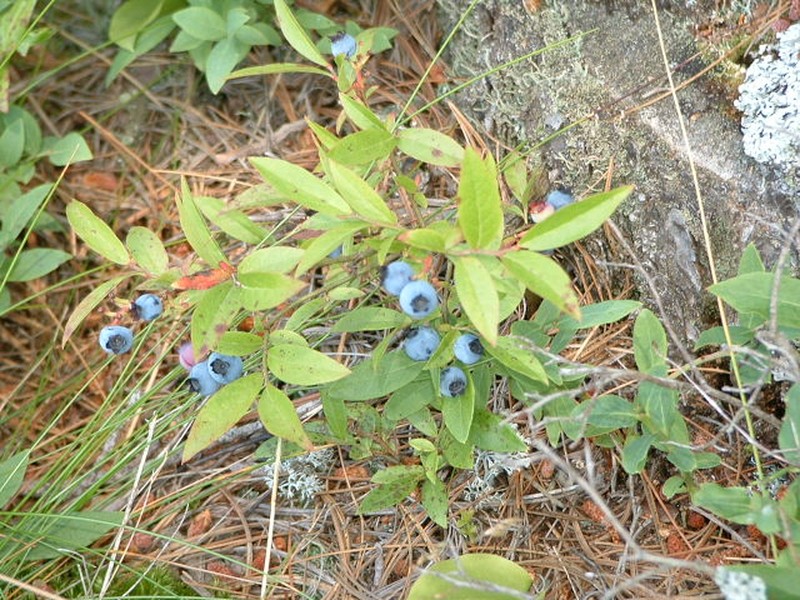
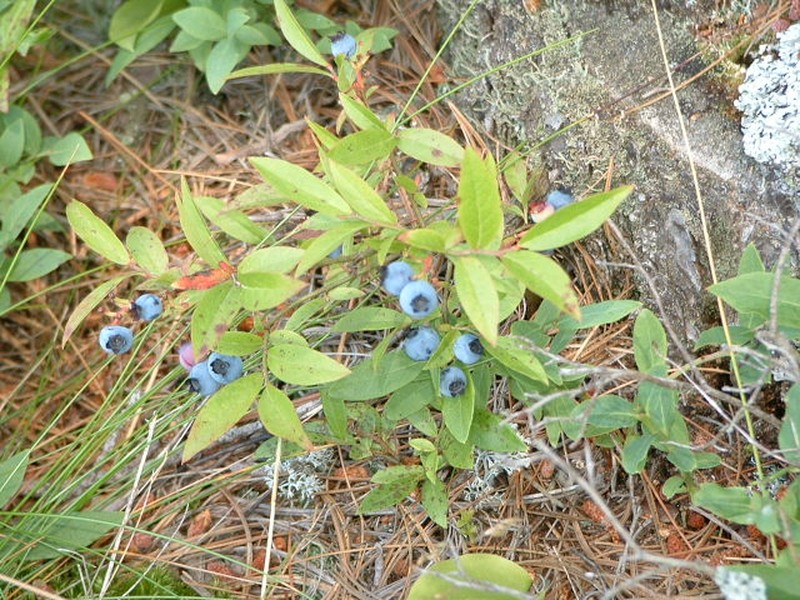
iNaturalist: © dbeadle (iNaturalist #65965326)
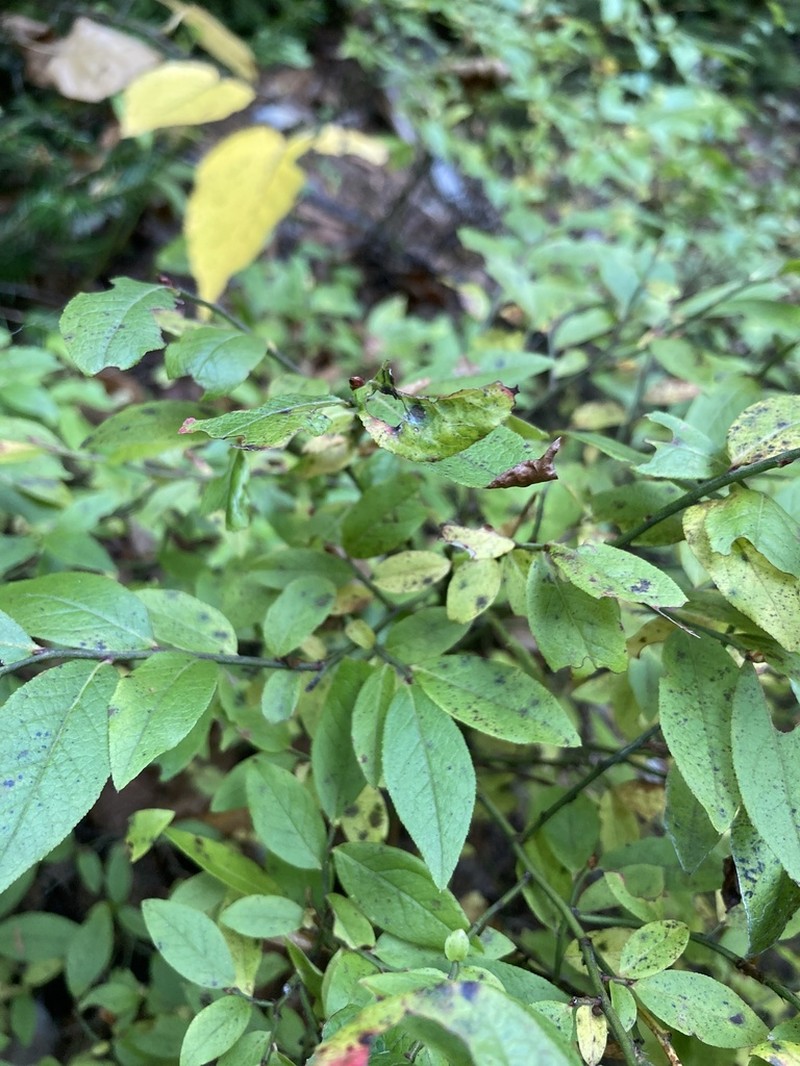
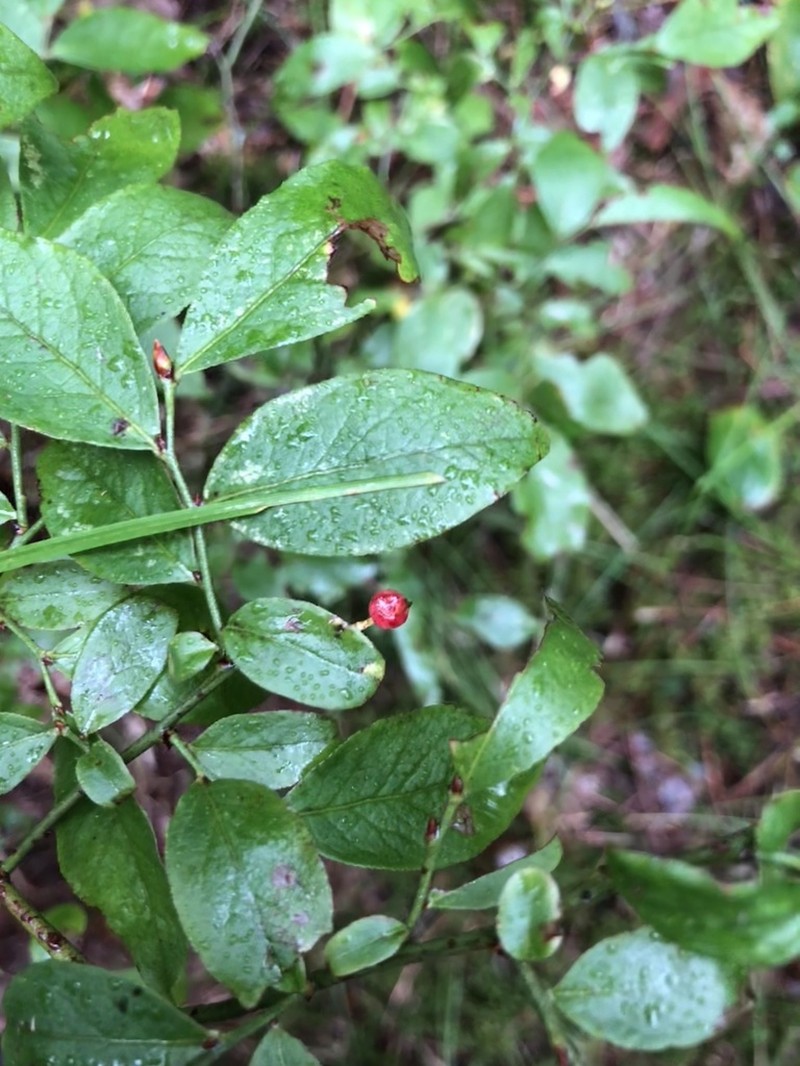
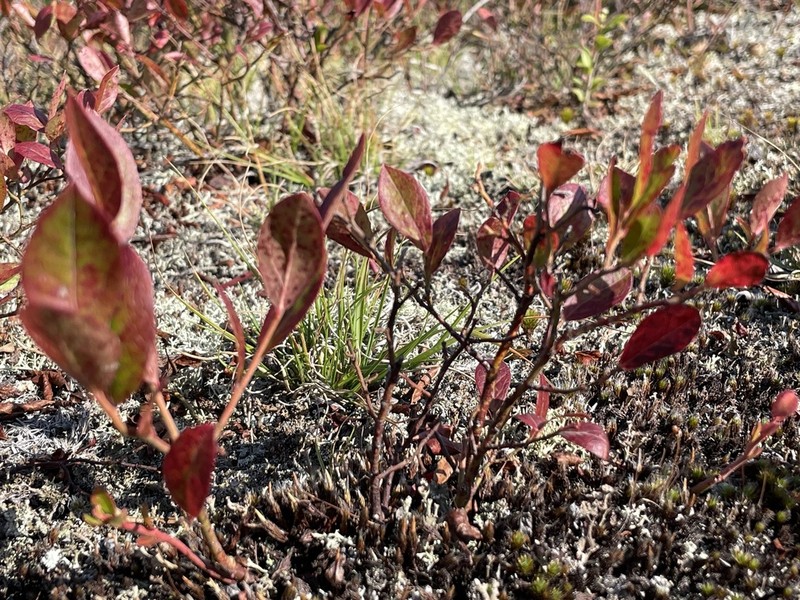
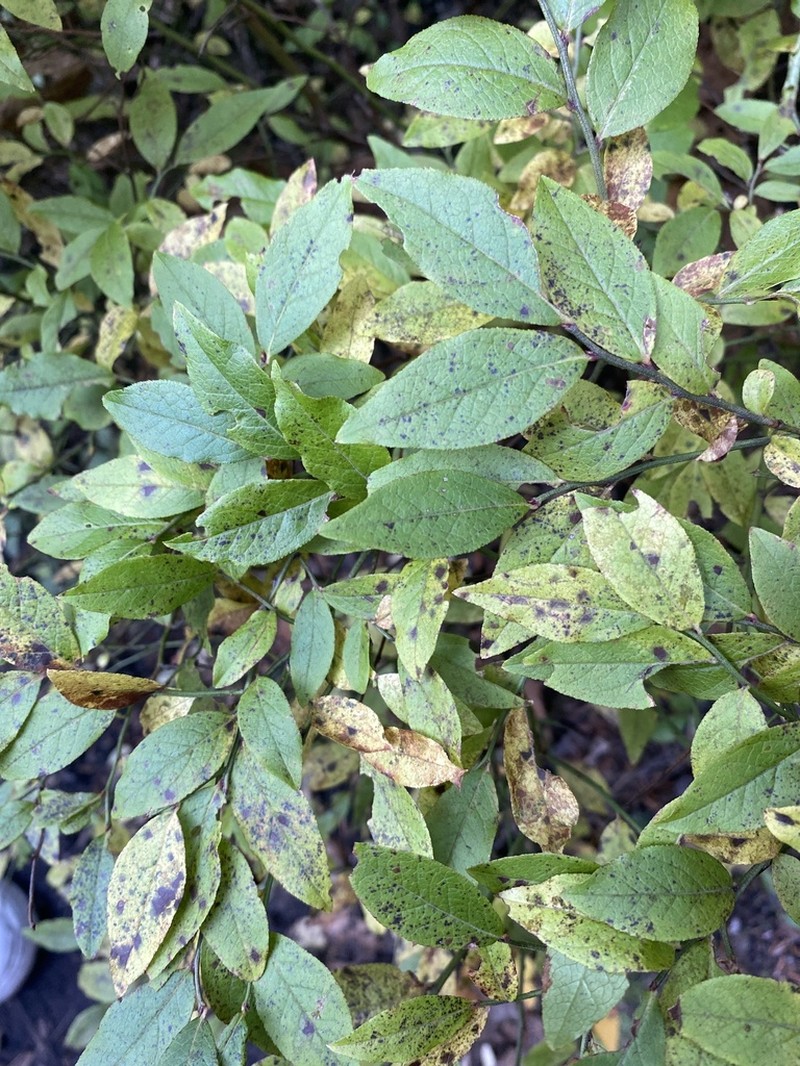
Taxonomy
- Division:
- Magnoliophyta | - Flowering plants
- Family:
- Ericaceae
- Genus:
- Vaccinium
- Species:
- Vaccinium angustifolium
- USDA Symbol:
- VAAN
Growth Characteristics
- Life Cycle:
- Perennial
- Growth Habit:
- Shrub , Subshrub
- Height:
- 60 cm
- Light Requirements:
- Full Sun,Part Shade,Shade
- Drought Tolerance:
- Medium
- Bloom Months:
- apr,may,jun
- Bloom Colors:
- white, pink
- Food Forest:
- Contains edible parts
- Landscaping Shrub:
- Yes
Wildlife Benefits
- Bees:
- ★★★★☆ Documented bee visitation (GBIF)
- Butterflies & Moths:
- ★★★★★ Documented Lepidoptera association (GBIF)
- Caterpillars:
- ★★★★☆ Recorded caterpillar host plant (HOSTS Database)
Keystone Species Ranking
- Caterpillar Keystone:
- ★★★★★ Butterfly & moth species supported by this genus (NWF)
- Pollen Specialist Bee Keystone:
- ★★☆☆☆ Native pollen specialist bee species supported by this genus (NWF)
Host Plant for Caterpillars
Reported Fauna Sightings
Garden & Ecology Notes
- Wildlife Value:
- birds, small mammals, butterflies
- Fall Color:
- red, orange
- Fire Ecology:
- Fire adapted — tolerates or benefits from fire
- Fire Notes:
- Can resprout from rhizomes after fire; fire helps maintain open canopy in barrens habitat.
Soil Requirements
- Soil Type:
- sandy, acidic, nutrient-poor soil
- pH:
- 4.2 - 5.2 (strongly acidic)
- Drainage:
- excellent drainage required
- Moisture:
- dry to moderate
- Notes:
- thrives in well-drained, acidic soils typical of pine barrens and rocky outcrops
Propagation & Germination
- Stratification:
- Cold/moist stratification required — 60–90 days
- Germination Time:
- 14–30 days
- Notes:
- Seeds require cold stratification for 60-90 days to break dormancy; sow on surface of moist acidic medium.
Pre-treatment: Seeds are mixed with an equal amount of moist perlite or vermiculite in a sealable plastic bag. Water is added to moisten the mixture. The bag is then placed in a refrigerator or cold garage for at least 83 days. Seeds can be cold stored until planted for up to 3 years.
Establishment: Seeds are collected by hand from locally native plants within the eastern central Upper Peninsula. The plant flowers from May to July and the seed is harvested from July to August. The plant thrives in dry, sandy, open, and/or shaded ground with oaks, pines, and or aspen, but also in low places, including peatlands. It thrives after clearing or burning and forms colonies.
Source: npn.rngr.net
Where to Buy
Nationwide Seller
- Sheffield's Seed (seeds)