
Highbush Blueberry
Vaccinium corymbosum
Also known as: Upland Highbush Blueberry
- Native to:
- Canada, United States, Virgin Islands
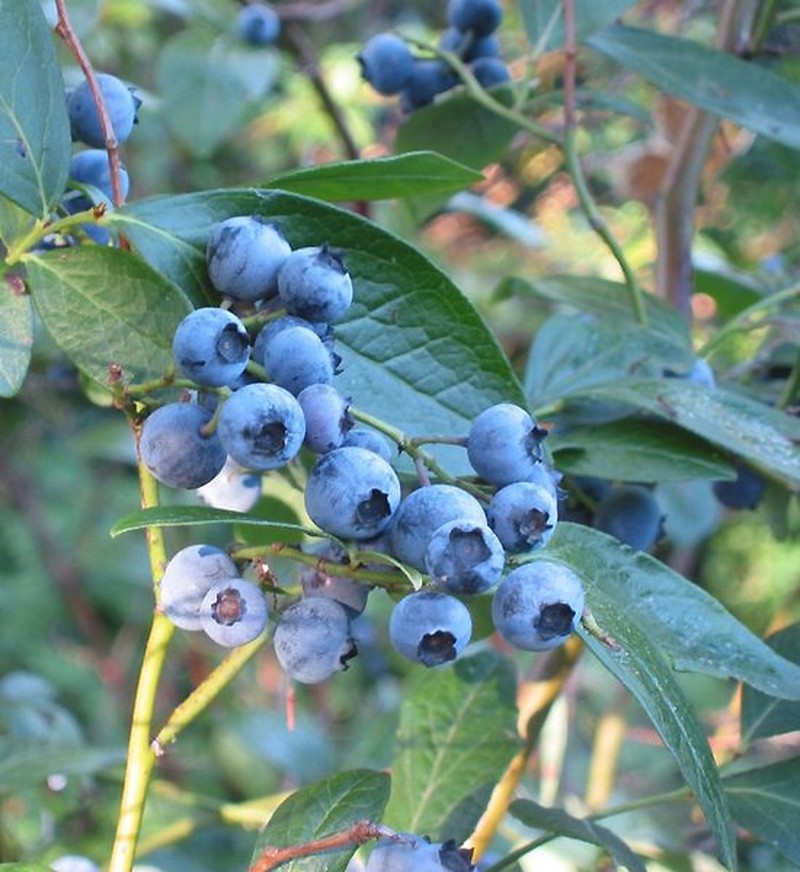
Photo (c)2007 Derek Ramsey ( Ram-Man (en.wikipedia.org) )
Taxonomy
- Division:
- Magnoliophyta | - Flowering plants
- Family:
- Ericaceae
- Genus:
- Vaccinium
- Species:
- Vaccinium corymbosum
- USDA Symbol:
- VACO
Growth Characteristics
- Life Cycle:
- Perennial
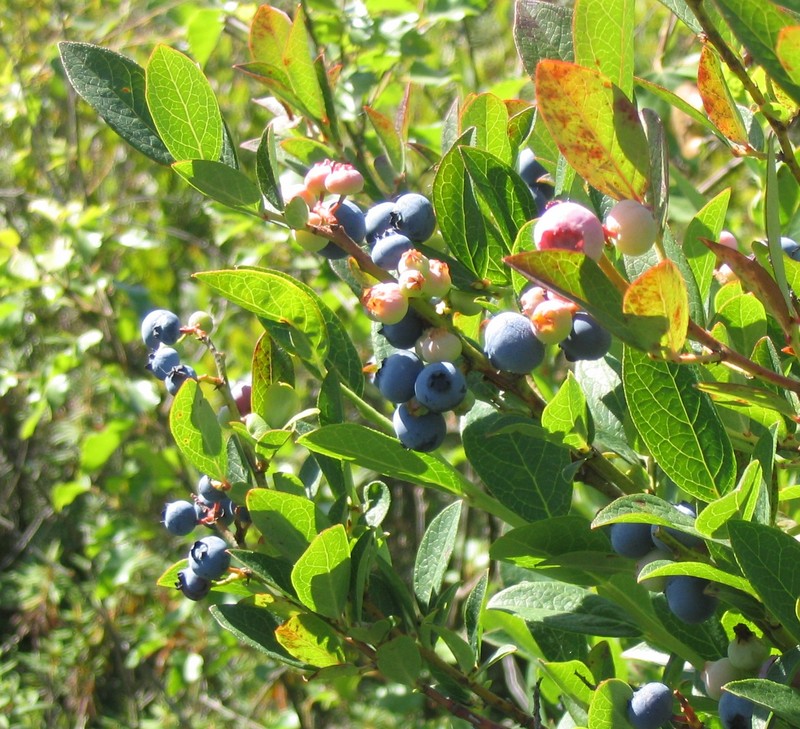
- Growth Habit:
- Shrub
- Height:
- 400 cm
- Light Requirements:
- Full Sun,Part Shade,Shade
- Drought Tolerance:
- Low
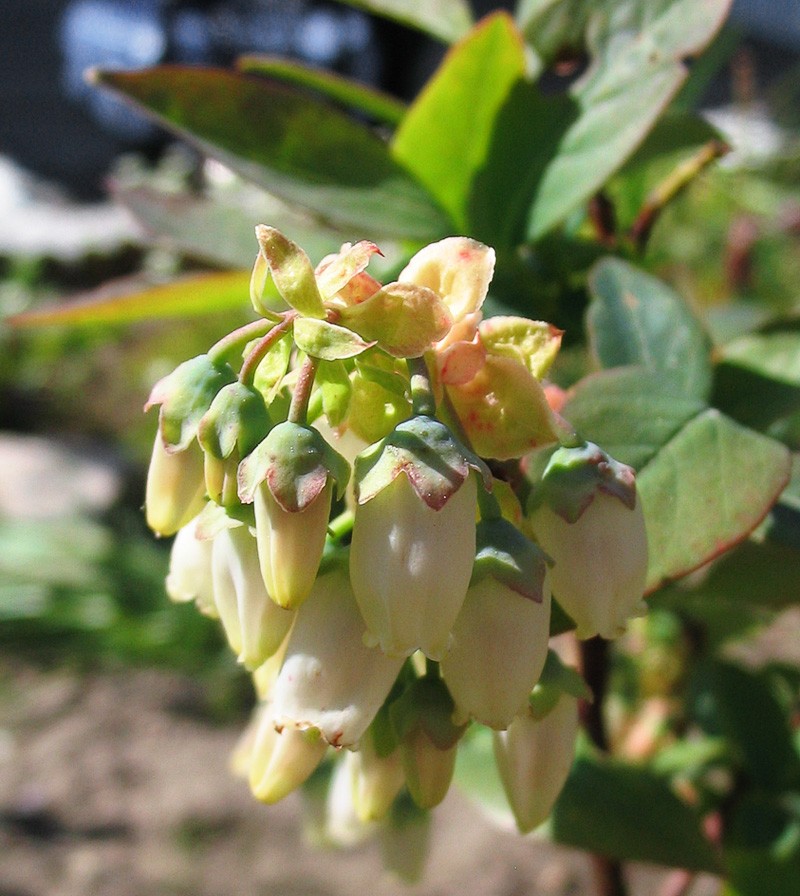
- Bloom Months:
- apr,may,jun
- Bloom Colors:
- white, pink
- Landscaping Shrub:
- Yes
Wildlife Benefits
- Bees:
- ★★☆☆☆ Documented bee visitation (GBIF)
- Butterflies & Moths:
- ★★★☆☆ Documented Lepidoptera association (GBIF)
- Caterpillars:
- ★★★★☆ Recorded caterpillar host plant (HOSTS Database)
- Hummingbirds:
- ★☆☆☆☆ Documented hummingbird visits (GBIF)
Keystone Species Ranking
- Caterpillar Keystone:
- ★★★★★ Butterfly & moth species supported by this genus (NWF)
- Pollen Specialist Bee Keystone:
- ★★☆☆☆ Native pollen specialist bee species supported by this genus (NWF)
Host Plant for Caterpillars
American Dagger Moth (Acronicta americana), Andromeda Underwing (Catocala andromedae), Apple Sphinx (Sphinx "gordius"), Apple Sphinx (Sphinx gordius), Banded Tussock Moth (Halysidota tessellaris), Basicladus celibatus, Caloptilia burgessiella, Caloptilia vacciniella, cranberry fruitworm (Acrobasis vaccinii), Dichomeris ligulella, Drexel's datana moth (Datana drexelii), green oak slug moth (Parasa chloris), Gypsy moth (Lymantria dispar), Huckleberry sphinx (Paonias astylus), Hyppa xylinoides, Mesothea incertata, Pangrapta decoralis, Parornix arbitrella, Parornix preciosella, Phyllonorycter diversella, Slender clearwing (Hemaris gracilis), speckled cutworm (Lacanobia subjuncta), Tischeria insolita, Variegated cutworm (Peridroma saucia), white-spot moth (Antaeotricha leucillana), zebra caterpillar moth (Melanchra picta), Brown Elfin (Incisalia augustinus), Henry's Elfin (Incisalia henrici), Holly Blue (Celastrina argiolus), Interior Sulphur (Colias interior), Striped Hairstreak (Satyrium liparops)
Reported Fauna Sightings
Bees: Brown-belted bumble (Bombus griseocollis), Common eastern (Bombus impatiens), Confusing bumble (Bombus perplexus), Eastern Carpenter Bee (Xylocopa virginica), Habropoda laboriosa, Half-black bumble (Bombus vagans), Tri-colored bumble (Bombus ternarius), Two-spotted bumble (Bombus bimaculatus) Hummingbirds: Ruby-throated Hummingbird (Archilochus colubris) Moths:Drexel's datana moth (Datana drexelii), Fall webworm (Hyphantria cunea), Hickory Tussock Moth (Lophocampa caryae), Huckleberry sphinx (Paonias astylus)
Garden & Ecology Notes
- Wildlife Value:
- birds, mammals, butterflies
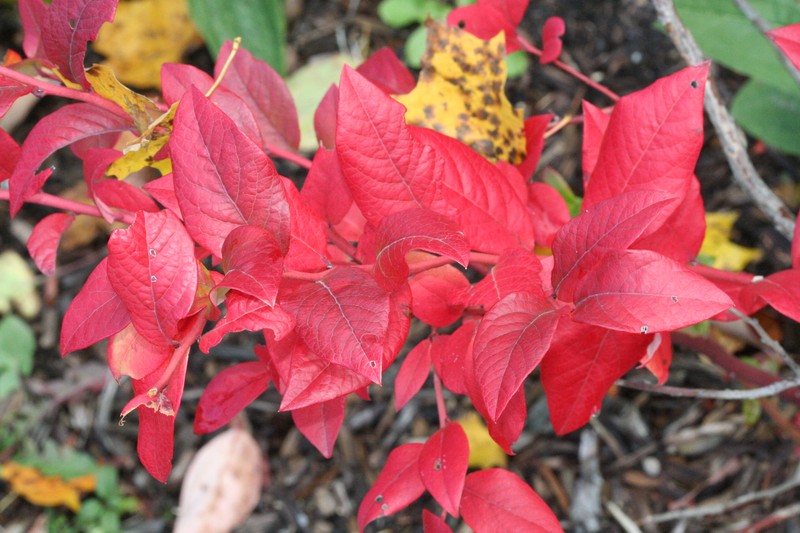
- Fall Color:
- red, orange
Soil Requirements
- Soil Type:
- moist, well-drained, acidic peaty soil
- pH:
- 4.5 - 5.5 (strongly acidic to moderately acidic)
- Drainage:
- excellent drainage required
- Moisture:
- consistently moist
- Notes:
- prefers high organic matter content
Propagation & Germination
- Stratification:
- Cold/moist stratification required — 60–90 days
- Germination Time:
- 14–30 days
- Notes:
- Seeds require cold stratification for 60-90 days to break dormancy; sow on surface of moist acidic medium.
Pre-treatment: Softwood blueberry cuttings are taken in late June or early July. Cuttings are trimmed to a size that has a node at the bottom of the cutting and several pairs of leaves at the top (each cutting is about 6 inches). They are dipped in a 1:10 solution of Dip n Grow, and stuck in flats of perlite under mist in the greenhouse.
Establishment: The protocols vary in the propagation source, with one using seeds and another using cuttings. The protocol using cuttings did not specify a germination rate.
Source: npn.rngr.net
Where to Buy
Nationwide Seller
- Sheffield's Seed (seeds)