
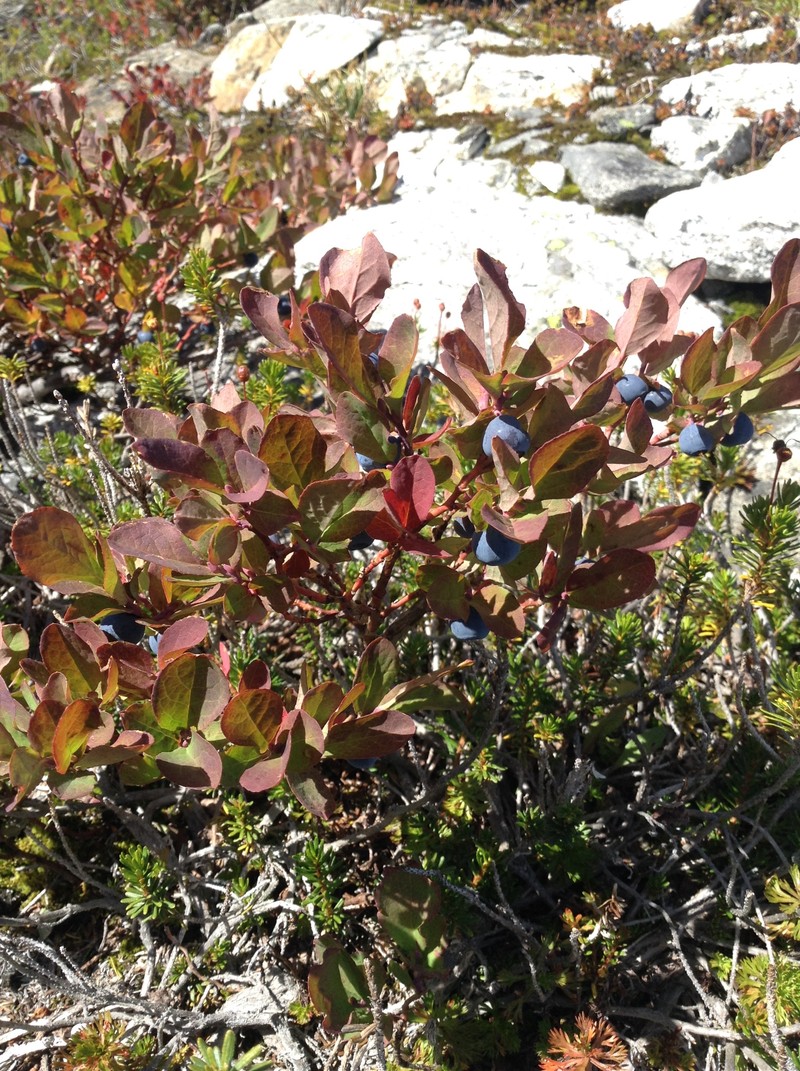
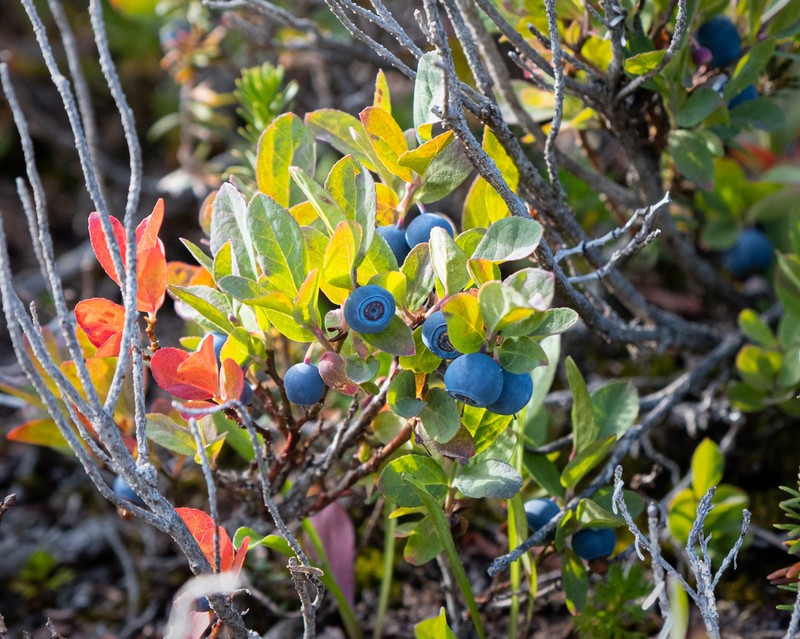
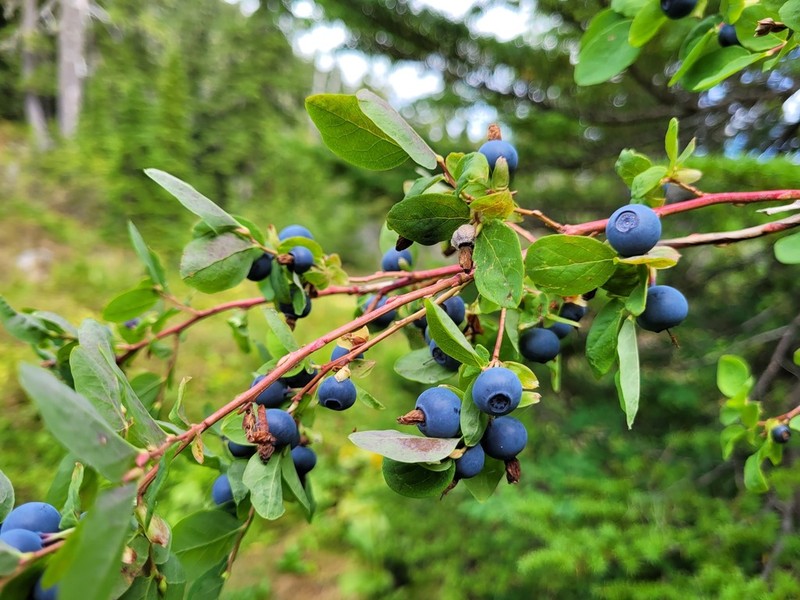
Cascade Bilberry
Vaccinium deliciosum
- Native to:
- Canada, United States
David Peter
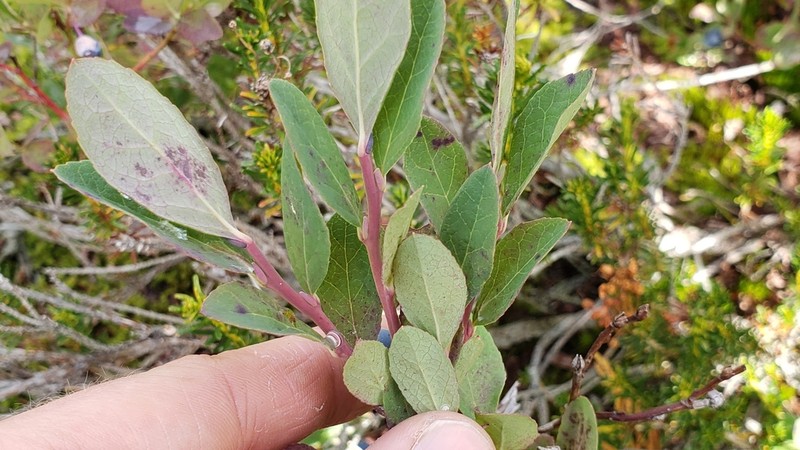
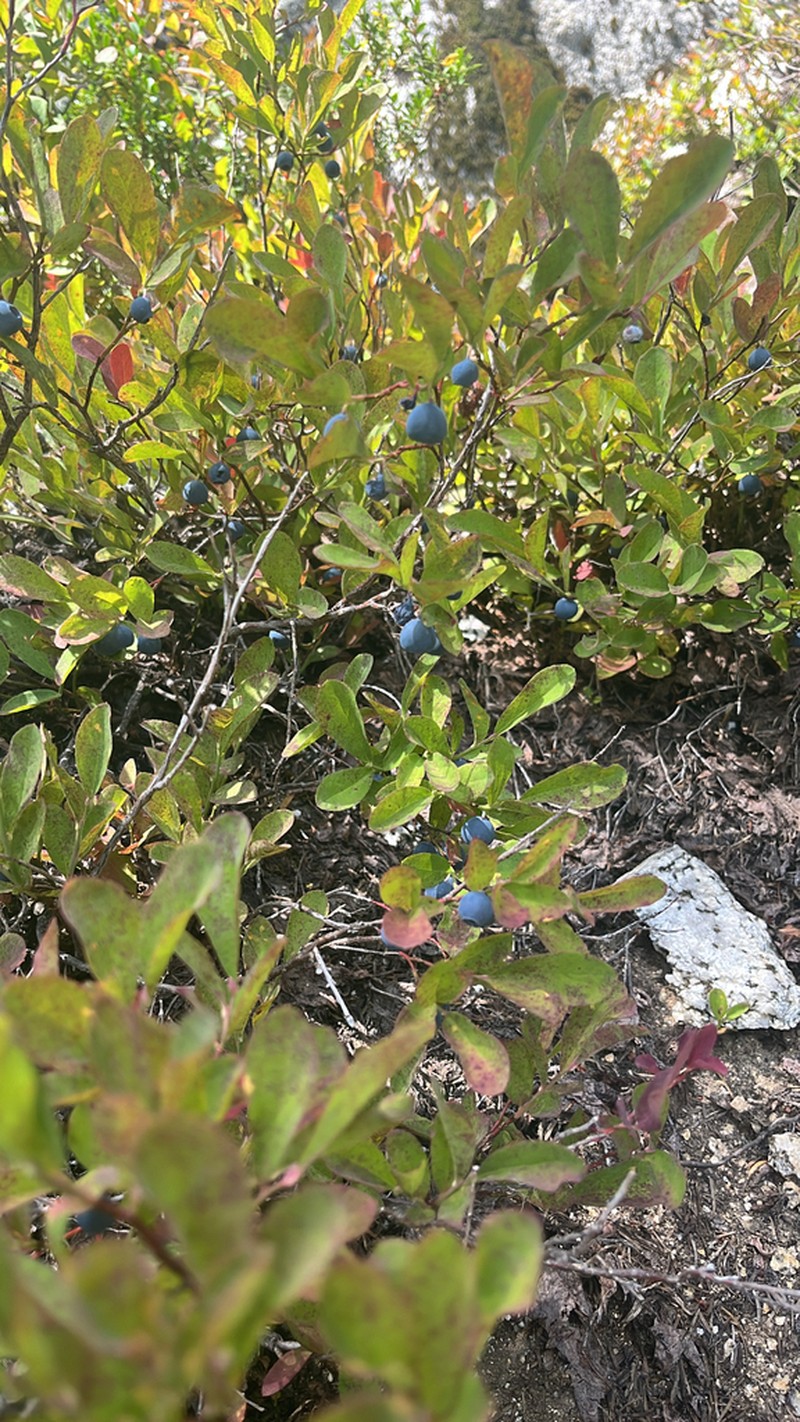
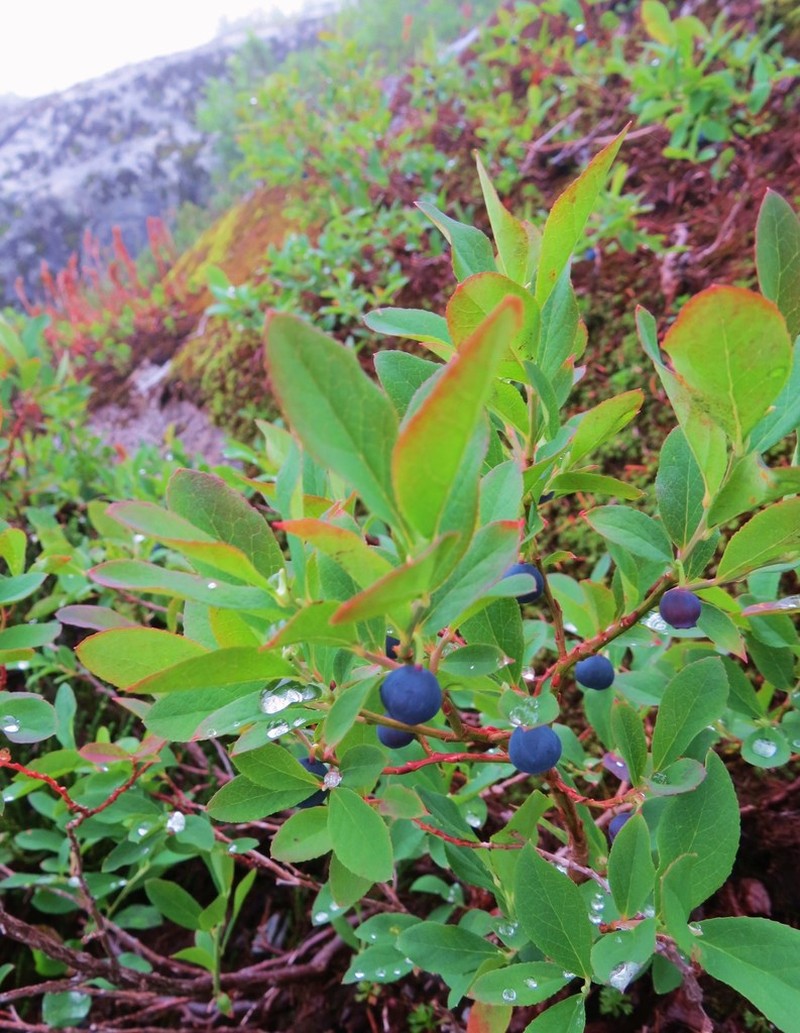
Taxonomy
- Division:
- Magnoliophyta | - Flowering plants
- Family:
- Ericaceae
- Genus:
- Vaccinium
- Species:
- Vaccinium deliciosum
- USDA Symbol:
- VADE
Growth Characteristics
- Life Cycle:
- Perennial
- Growth Habit:
- Shrub , Subshrub
- Height:
- 60 cm
- Light Requirements:
- Full Sun
- Drought Tolerance:
- Low
- Bloom Months:
- may,jun,jul
- Bloom Colors:
- pink, white
- Landscaping Shrub:
- Yes
Wildlife Benefits
- Bees:
- ★☆☆☆☆ Documented bee visitation (GBIF)
- Butterflies & Moths:
- ★★☆☆☆ Documented Lepidoptera association (GBIF)
Keystone Species Ranking
- Caterpillar Keystone:
- ★★★★★ Butterfly & moth species supported by this genus (NWF)
- Pollen Specialist Bee Keystone:
- ★★☆☆☆ Native pollen specialist bee species supported by this genus (NWF)
Garden & Ecology Notes
- Wildlife Value:
- birds, small mammals, butterflies
- Fall Color:
- red, orange
Soil Requirements
- Soil Type:
- moist, well-drained, acidic soil
- pH:
- 4.5 - 5.5 (strongly acidic to moderately acidic)
- Drainage:
- excellent drainage required
- Moisture:
- consistently moist
- Notes:
- thrives in mountainous regions with organic-rich soil
Propagation & Germination
- Stratification:
- Cold/moist stratification required — 60–90 days
- Germination Time:
- 30–60 days
- Notes:
- Seeds require cold stratification for 60-90 days to break dormancy.
Pre-treatment: Sow seeds into trays filled with stabilized medium plugs (Q-plugs). Seal trays inside plastic bags and refrigerate at 1 to 3 °C for 60 days. Check trays weekly and keep moist. Treat with 1% hydrogen peroxide if mold is evident.
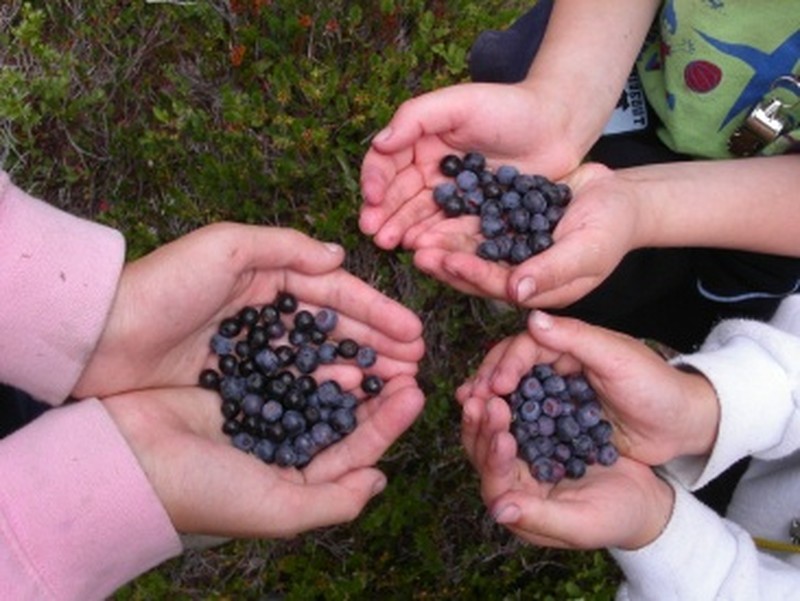
Establishment: Collect berries in the fall when ripe and store at ~4 °C until extraction, within two weeks to prevent mold growth. Grows in alpine meadows, subalpine coniferous woods, and near the coast at elevations from 600-2000 m. The range is from southern British Columbia to northern California, in the Klamath Range and the northern high Sierra Nevada Mountains.
Source: npn.rngr.net
Where to Buy
Nationwide Seller
- Sheffield's Seed (seeds)