
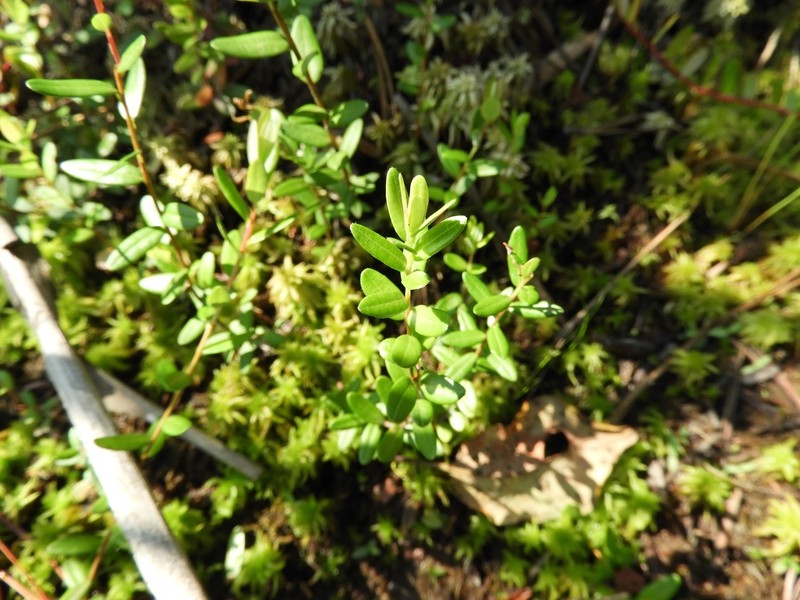
Cranberry
Vaccinium macrocarpon
- Native to:
- Canada, Prince Edward I., United States, Virgin Islands
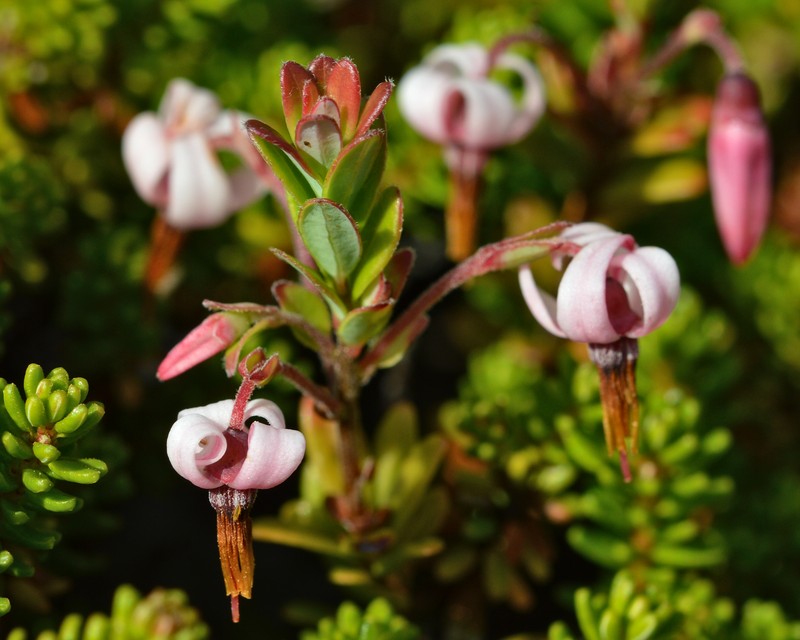
Ryan Hodnett
Taxonomy
- Division:
- Magnoliophyta | - Flowering plants
- Family:
- Ericaceae
- Genus:
- Vaccinium
- Species:
- Vaccinium macrocarpon
- USDA Symbol:
- VAMA
Growth Characteristics
- Life Cycle:
- Perennial
- Growth Habit:
- Shrub , Subshrub
- Height:
- 20 cm
- Light Requirements:
- Part Shade
- Drought Tolerance:
- Low
- Bloom Months:
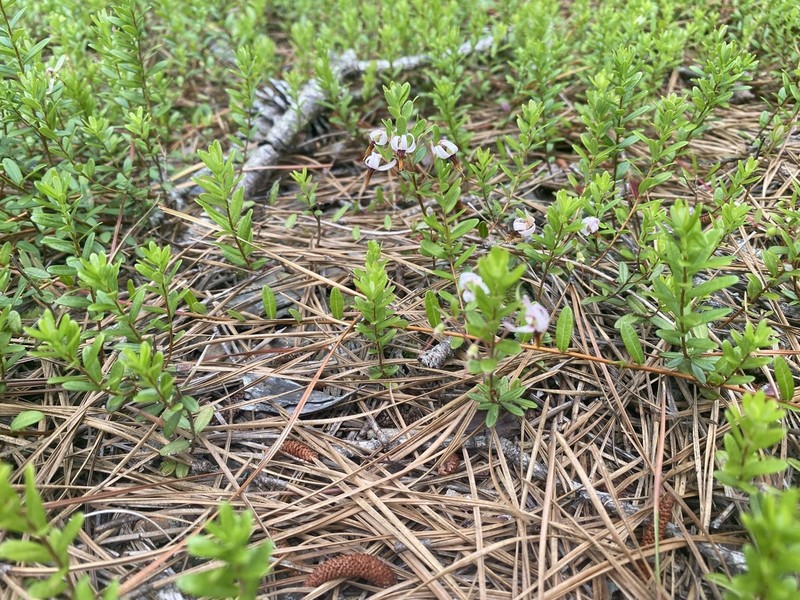
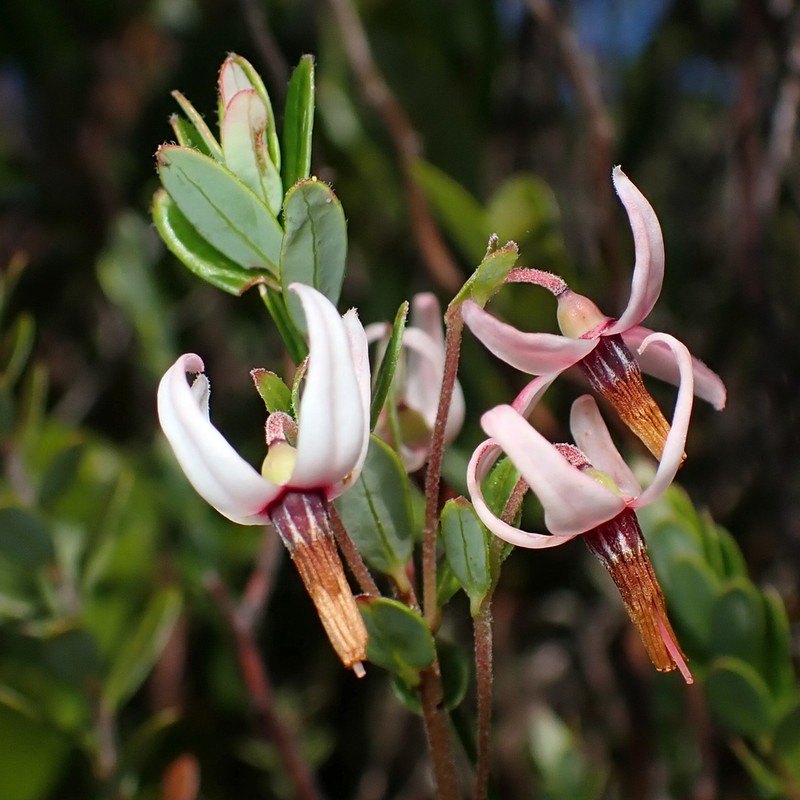
- jun,jul
- Bloom Colors:
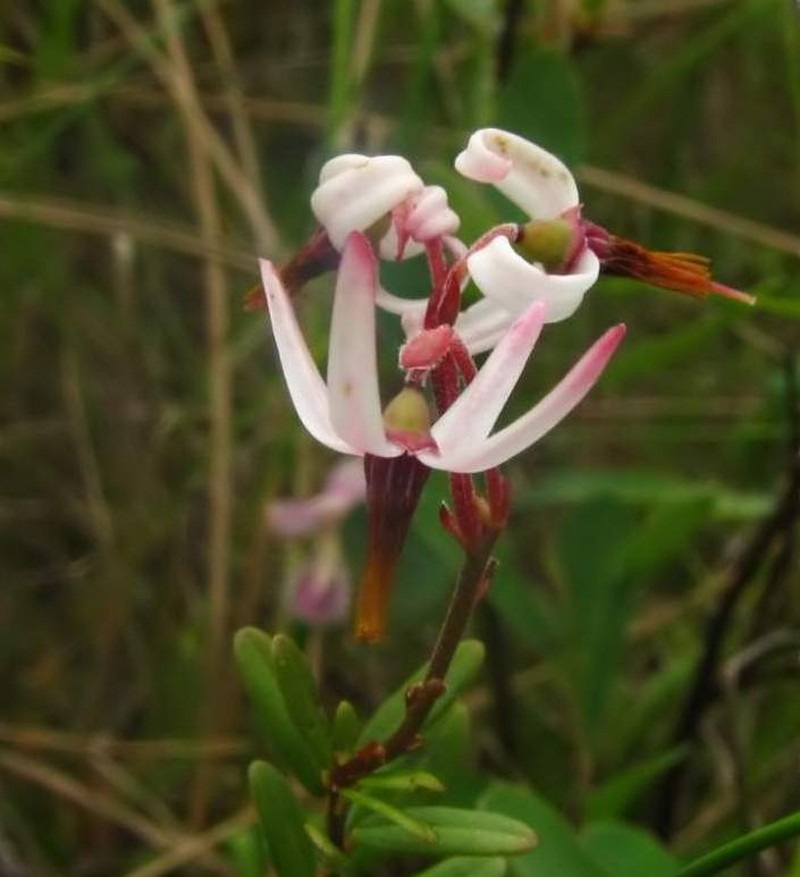
- white, pink
- Ground Cover:
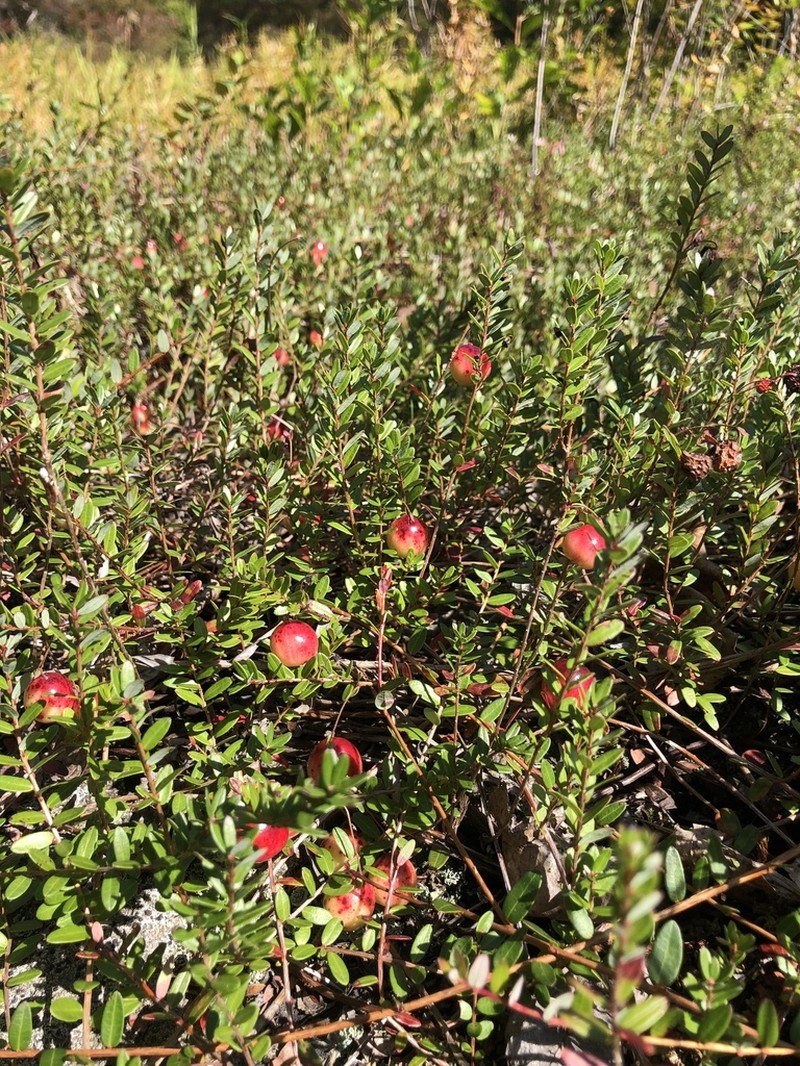
- Yes
- Evergreen Shrub:
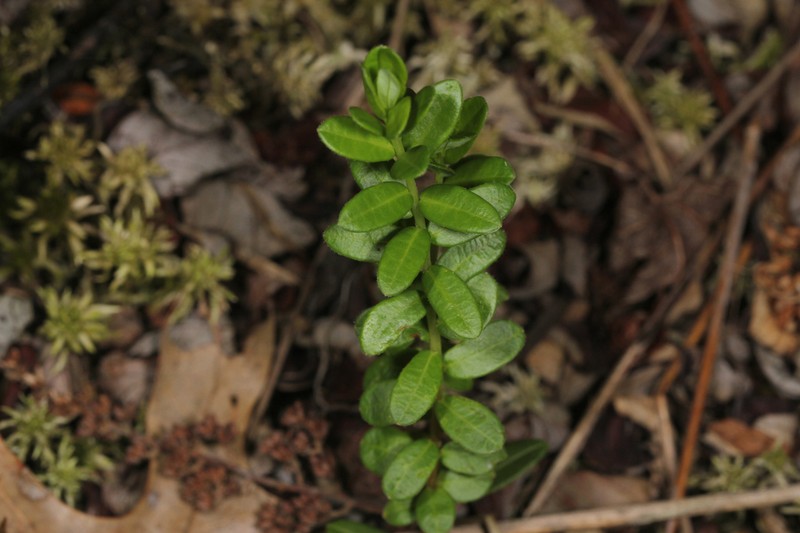
- Yes
Wildlife Benefits
- Bees:
- ★☆☆☆☆ Documented bee visitation (GBIF)
- Butterflies & Moths:
- ★★★☆☆ Documented Lepidoptera association (GBIF)
- Caterpillars:
- ★★★★☆ Recorded caterpillar host plant (HOSTS Database)
Keystone Species Ranking
- Caterpillar Keystone:
- ★★★★★ Butterfly & moth species supported by this genus (NWF)
- Pollen Specialist Bee Keystone:
- ★★☆☆☆ Native pollen specialist bee species supported by this genus (NWF)
Host Plant for Caterpillars
American Swordgrass Moth (Xylena nupera), Apiate Epiglaea (Epiglaea apiata), Apple Sphinx (Sphinx "gordius"), Apple Sphinx (Sphinx gordius), Armyworm moth (Pseudaletia unipuncta), Black cutworm (Agrotis ipsilon), Buck Moth (Hemileuca maia), Celery Looper (Anagrapha falcifera), Chain-lined geometer moth (Cingilia catenaria), Cocoa Emerald (Ematurga amitaria), common eupithecia (Eupithecia miserulata), common gray (Anavitrinella pampinaria), Coptodisca negligens, cranberry fruitworm (Acrobasis vaccinii), crispate flannel moth (Megalopyge crispata), Curve-toothed geometer (Eutrapela clemataria), Deterred Dart (Euxoa detersa), Dichomeris vacciniella, Fall armyworm (Spodoptera frugiperda), Grapholita conversana, Gypsy moth (Lymantria dispar), Hemipachnobia monochromataea, Hyppa xylinoides, Nevada buckmoth (Hemileuca nevadensis-complex), New England buck moth (Hemileuca lucina), Orthotaenia undulana, Rhopobota finitimana, Rhopobota unipunctana, Setaceous Hebrew Character (Xestia c-nigrum), silky sallow (Chaetaglaea sericea), Southern armyworm (Spodoptera eridania), sparganothis fruitworm moth (Sparganothis sulfureana), Stigmella corylifoliella, sulphur moth (Hesperumia sulphuraria), topiary grass-veneer (Chrysoteuchia topiaria), tritona dagger moth (Acronicta tritona), Variable Owlet Moth (Phalaenostola metonalis), Wild Cherry Sphinx (Sphinx drupiferarum), yellow-headed fireworm (Acleris minuta), zebra caterpillar moth (Melanchra picta), Epidemia epixanthe
Reported Fauna Sightings
Bees: Common eastern (Bombus impatiens)
Garden & Ecology Notes
- Wildlife Value:
- birds, small mammals
- Fall Color:
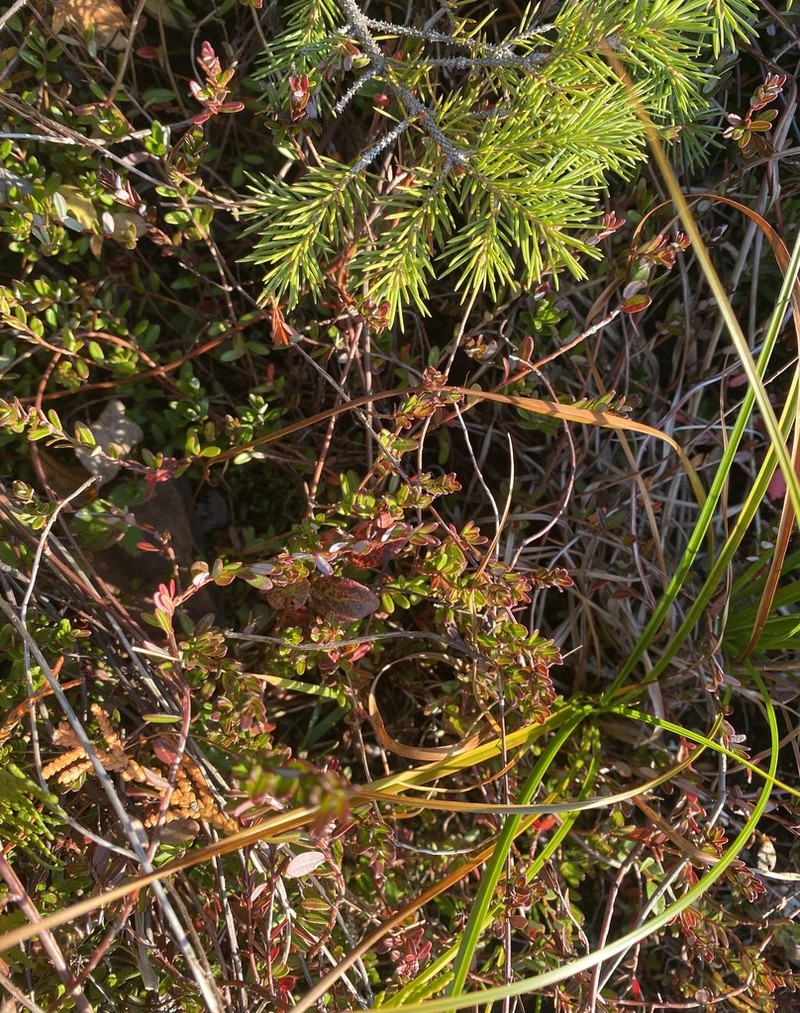
- red
Soil Requirements
- Soil Type:
- sandy, acidic, nutrient-poor soil
- pH:
- 4.0 - 5.5 (strongly acidic to moderately acidic)
- Drainage:
- excellent drainage required
- Moisture:
- consistently moist
- Notes:
- Commonly found in bogs and wetlands.
Propagation & Germination
- Stratification:
- Cold/moist stratification required — 60–90 days
- Germination Time:
- 30–60 days
- Notes:
- Seeds require cold stratification for 60-90 days to break dormancy.
Pre-treatment: Cold-moist stratification for 30 days at 1–5°C (34–41°F).; then Cold-moist stratification for 60 days.
Notes: Seeds require light for germination.
Source: Claude AI
ORGHPS Germination Guide: Sow @ 20C 6 wks then 4C 6 wks then slowly raise to 10C 6 wks. Repeat if no germination.
Where to Buy
Nationwide Seller
- Sheffield's Seed (seeds)