
Grouse Whortleberry
Vaccinium scoparium
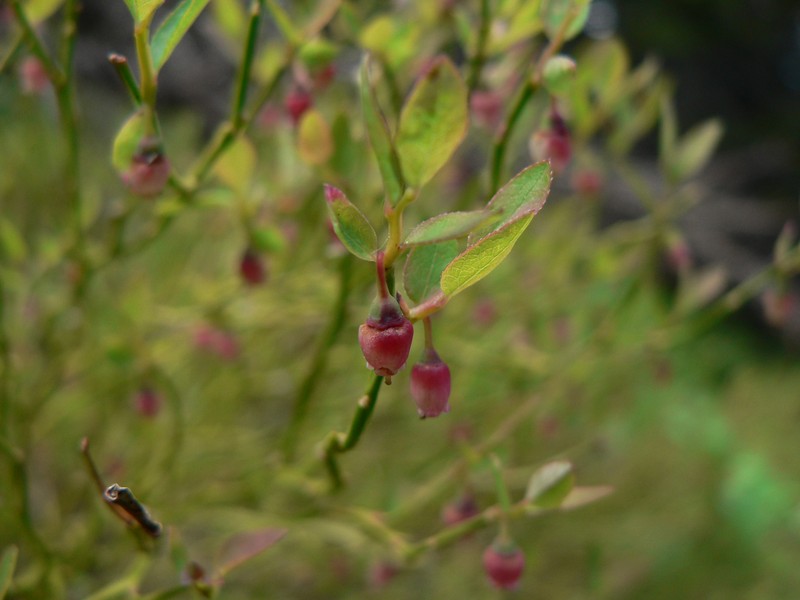
Taxonomy
- Division:
- Magnoliophyta | - Flowering plants
- Family:
- Ericaceae
- Genus:
- Vaccinium
- Species:
- Vaccinium scoparium
Growth Characteristics
- Life Cycle:
- Perennial
- Growth Habit:
- Shrub , Subshrub
- Height:
- 6 in - 1 ft
- Light Requirements:
- Shade
- Drought Tolerance:
- Low
- Bloom Months:
- jun, jul
- Bloom Colors:
- Red
- Ground Cover:
- Yes
Native Range
United States: California, Colorado, Idaho, Montana, New Mexico, Nevada, Oregon, South Dakota, Utah, Washington, Wyoming, Canada: Alberta, British Columbia
Keystone Species Ranking
- Caterpillar Keystone:
- ★☆☆☆☆ Based on number of butterfly and moth species using this genus as host plant (Source: National Wildlife Federation)
- Bee Keystone:
- ★★★★☆ Based on number of native bee species using this genus for pollen and nectar (Source: National Wildlife Federation)
Host Plant for Caterpillars
Reported Fauna Sightings
Soil Requirements
- Soil Type:
- sandy, acidic, nutrient-poor soil
- pH:
- 4.5 - 6.0 (acidic to slightly acidic)
- Drainage:
- excellent drainage required
- Moisture:
- dry to moderate
- Notes:
- Commonly found in coniferous forest understories
Germination Information
Pre-treatment: Softwood Cuttings were re-cut and terminal buds were removed. Cuttings were treated with 2,000 ppm liquid IBA, and placed in 1:1 (v:v) peat: perlite rooting medium in the mist bed with bottom heat. Cuttings were 7 cm in length and 7 mm in diameter.
Establishment: Cuttings with a section of 2 year old wood at the base had the greatest density of roots. A higher concentration of IBA talc should be tried using cuttings with 2 yr old wood. Some successful cuttings were actually carefully dug divisions with attached rhizomes from well-established plants in late summer.
Source: npn.rngr.net