
Sea Spurge
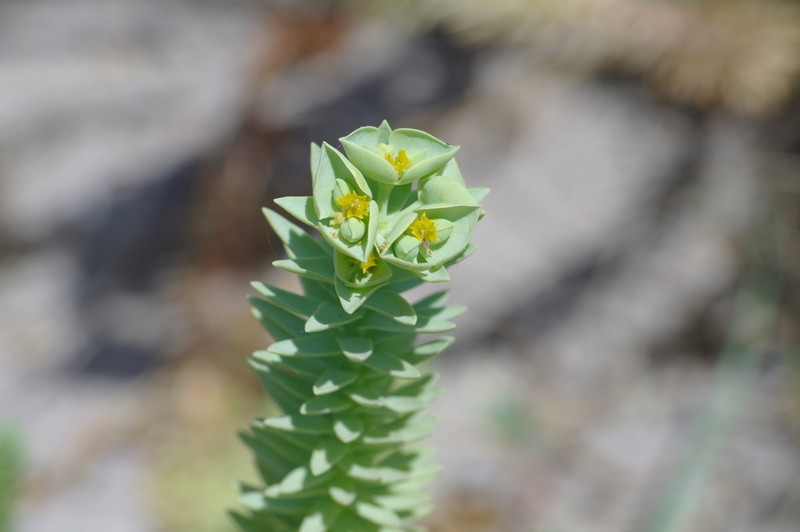
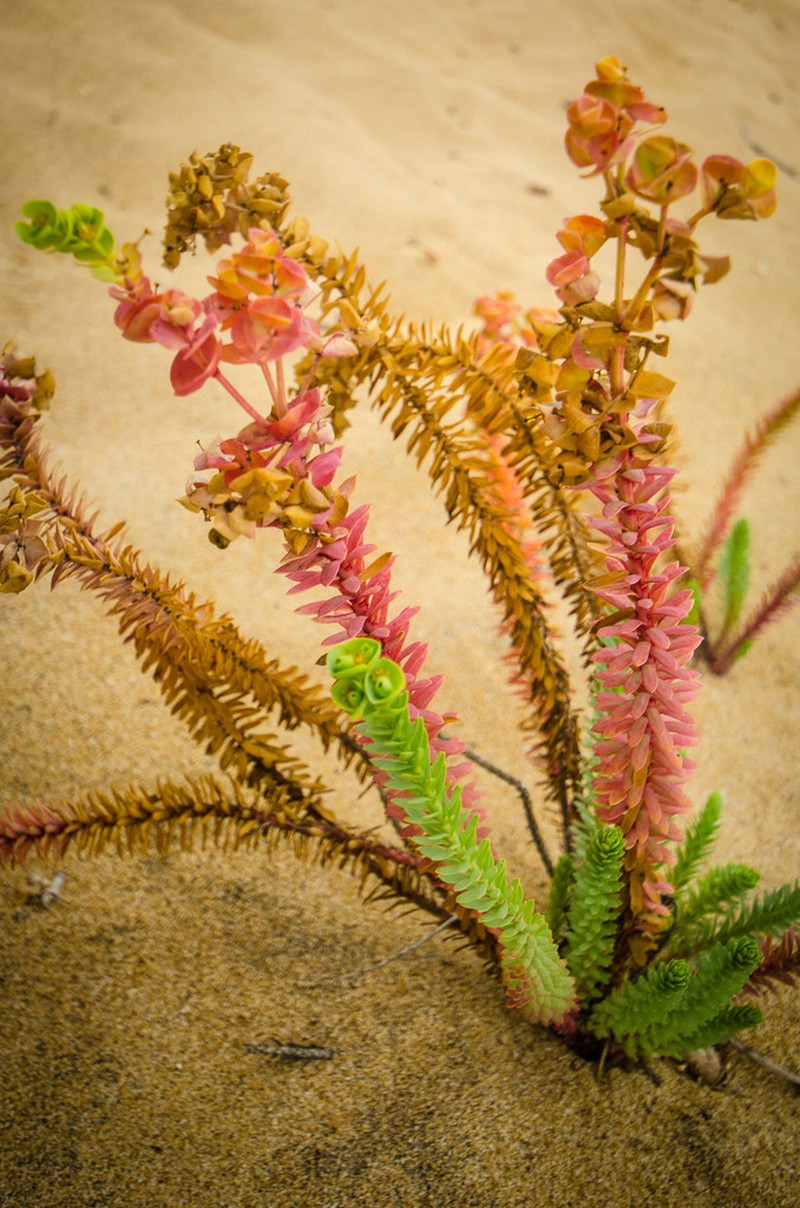
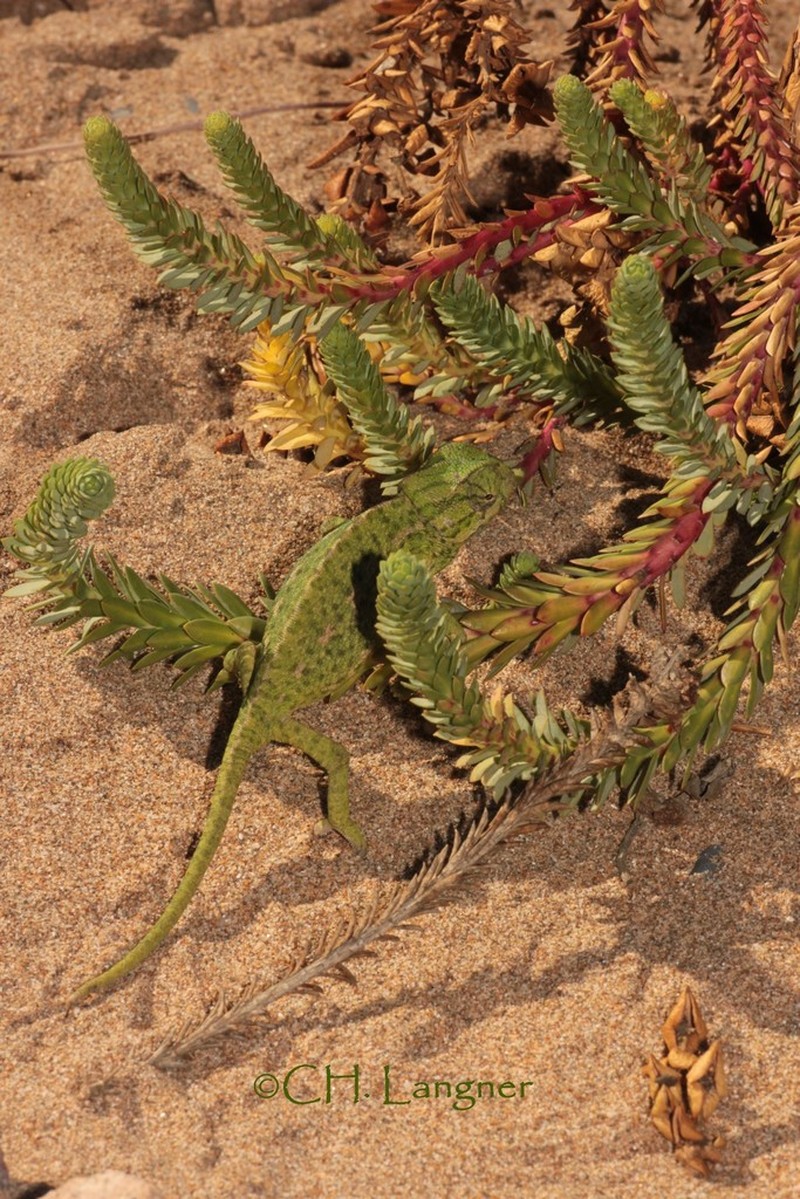
Euphorbia paralias
- Native to:
- Albania, Algeria, Baleares, Belgium, Bulgaria, Canary Is., Corse, Cyprus, Czechia-Slovakia, East Aegean Is., Egypt, France, Germany, Great Britain, Greece, Ireland, Italy, Kriti, Krym, Lebanon-Syria, Libya, Madeira, Morocco, Netherlands, North Caucasus, NW. Balkan Pen., Palestine, Portugal, Romania, Sardegna, Sicilia, Sinai, Spain, Switzerland, Transcaucasus, Tunisia, Türkiye, Türkiye-in-Europe, Ukraine, Western Sahara
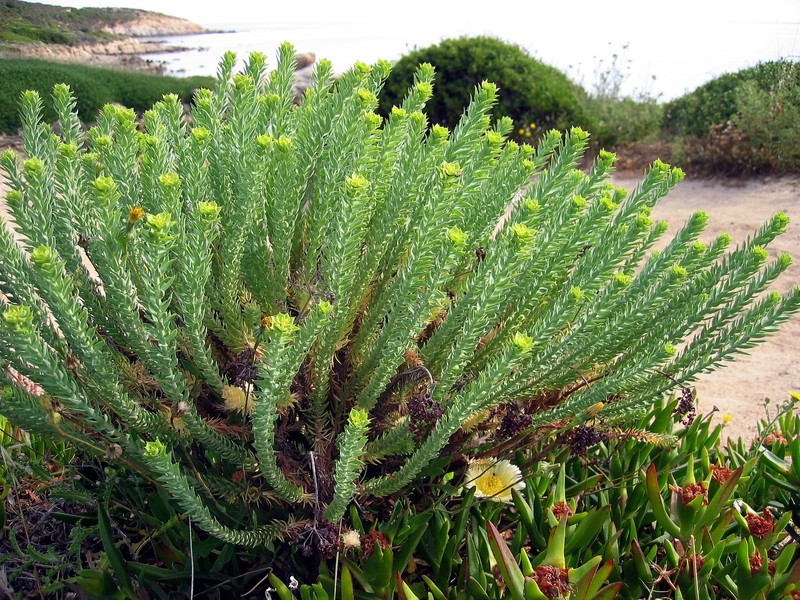
Roger Culos
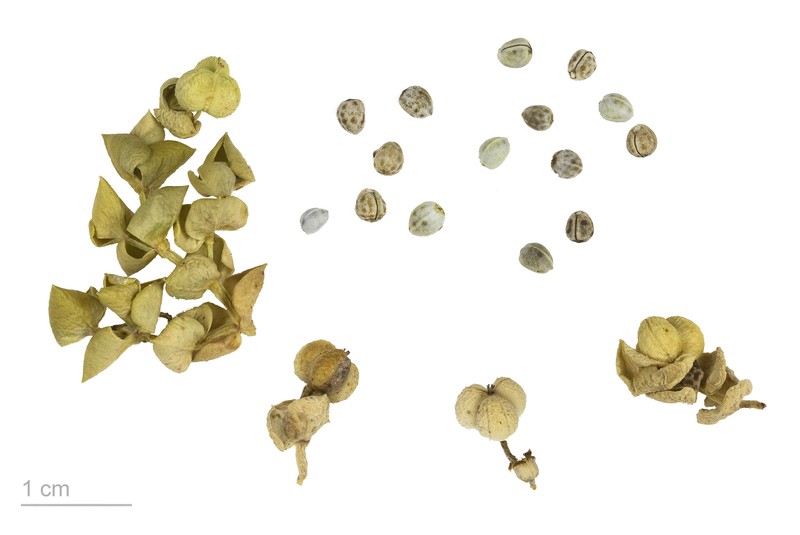
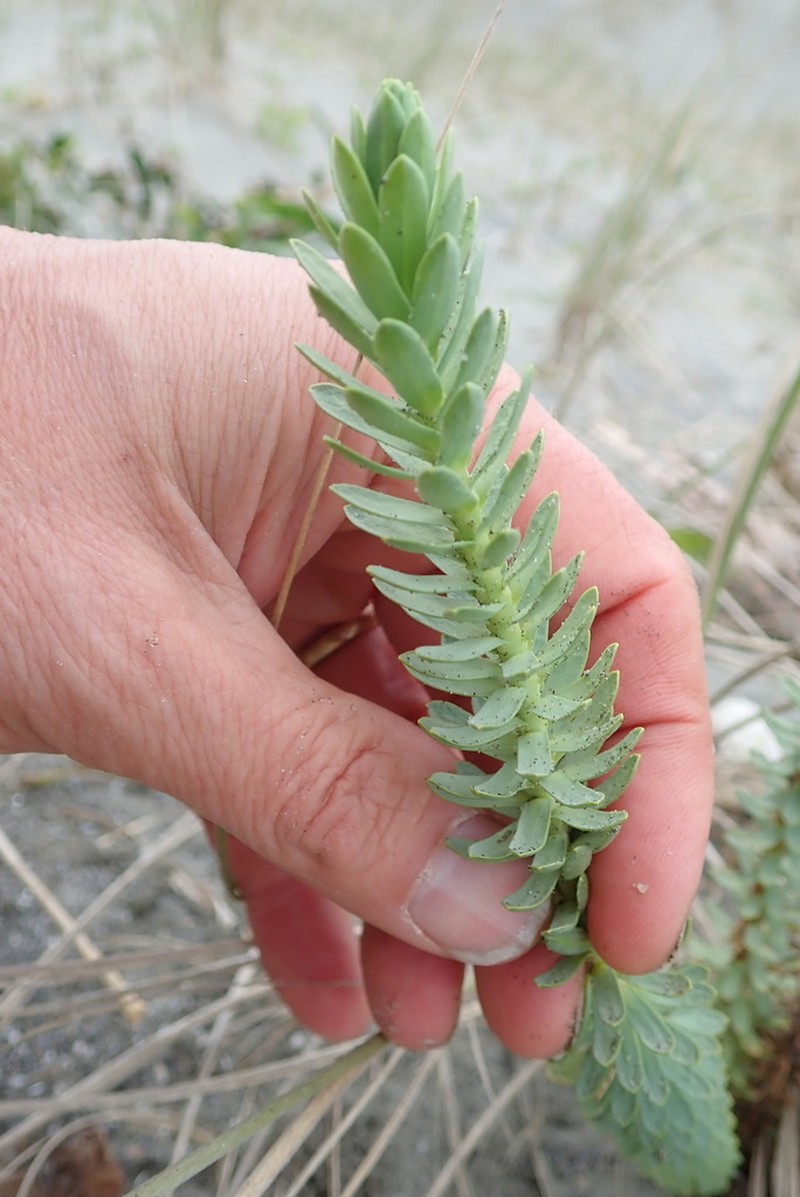
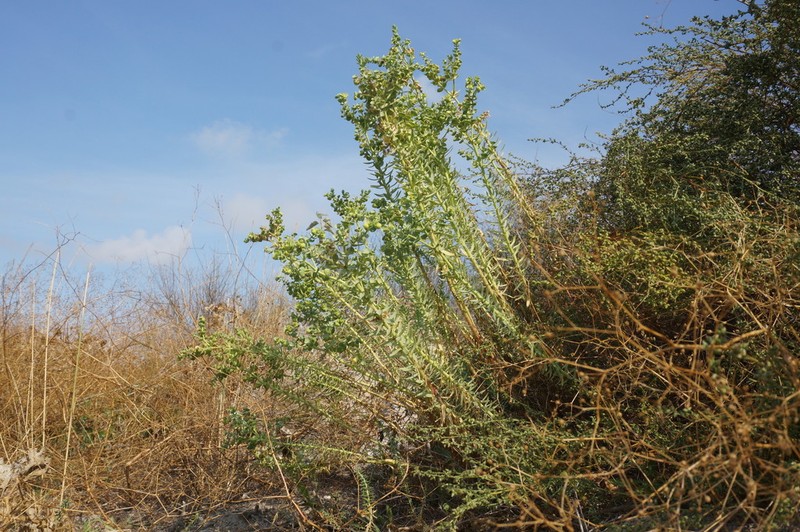
Taxonomy
- Division:
- Magnoliophyta | - Flowering plants
- Family:
- Euphorbiaceae
- Genus:
- Euphorbia
- Species:
- Euphorbia paralias
- USDA Symbol:
- EUPA13
Growth Characteristics
- Life Cycle:
- Perennial
- Growth Habit:
- Forb/herb , Succulent
- Height:
- 80 cm
- Light Requirements:
- Full Sun
- Drought Tolerance:
- High
- Bloom Months:
- jun,jul,aug,sep
- Bloom Colors:
- yellow-green
Wildlife Benefits
- Butterflies & Moths:
- ★★★★☆ Documented Lepidoptera association (GBIF)
Keystone Species Ranking
- Pollen Specialist Bee Keystone:
- ★★★★☆ Native pollen specialist bee species supported by this genus (NWF)
Garden & Ecology Notes
- Deer Resistant:
- Yes
- Salt Tolerant:
- Yes
Soil Requirements
- Soil Type:
- sandy, nutrient-poor, well-drained soil
- pH:
- 6.0 - 8.0 (neutral to slightly alkaline)
- Drainage:
- excellent drainage required
- Moisture:
- dry to moderate
- Notes:
- commonly found in coastal sand dunes