
Rosarypea
Abrus precatorius
- Native to:
- Aldabra, Andaman Is., Angola, Australia, Bangladesh, Benin, Botswana, Burkina, Burundi, Cambodia, Cameroon, Cape Verde, Caprivi Strip, Central African Republic, Chad, China, Comoros, Congo, DR Congo, Equatorial Guinea, Eritrea, Eswatini, Ethiopia, Gabon, Gambia, Guam, Guinea, Guinea-Bissau, Gulf of Guinea Is., India, Ivory Coast, Kenya, Laos, Liberia, Madagascar, Malawi, Malaya, Mali, Mauritania, Mozambique, Myanmar, Namibia, Nepal, Nicobar Is., Niger, Pakistan, Palau, Rwanda, Saudi Arabia, Senegal, Seychelles, Somalia, South Africa, South China Sea, Sri Lanka, Sudan-South Sudan, Taiwan, Tanzania, Thailand, Togo, Uganda, Vietnam, Yemen, Zambia, Zimbabwe
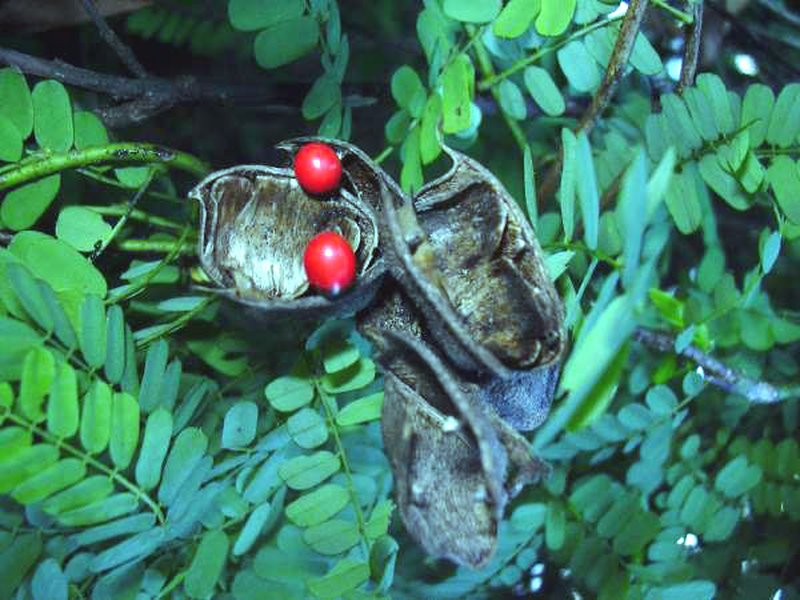
Steve Hurst @ USDA-NRCS PLANTS Database
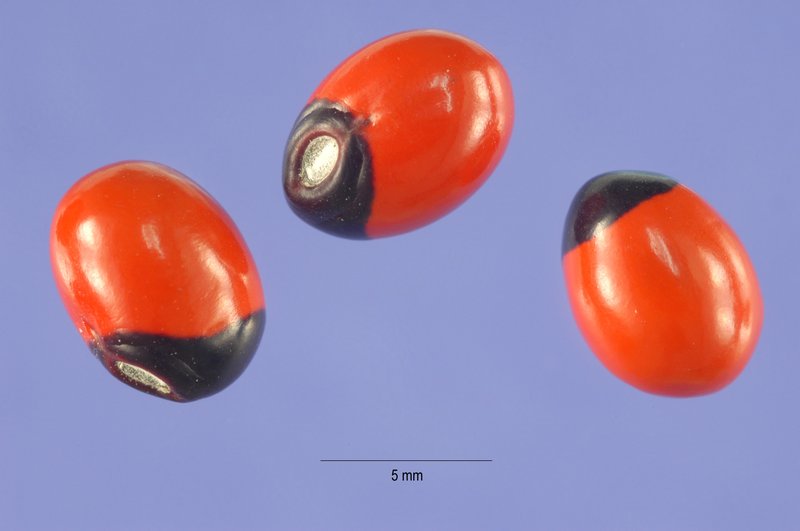
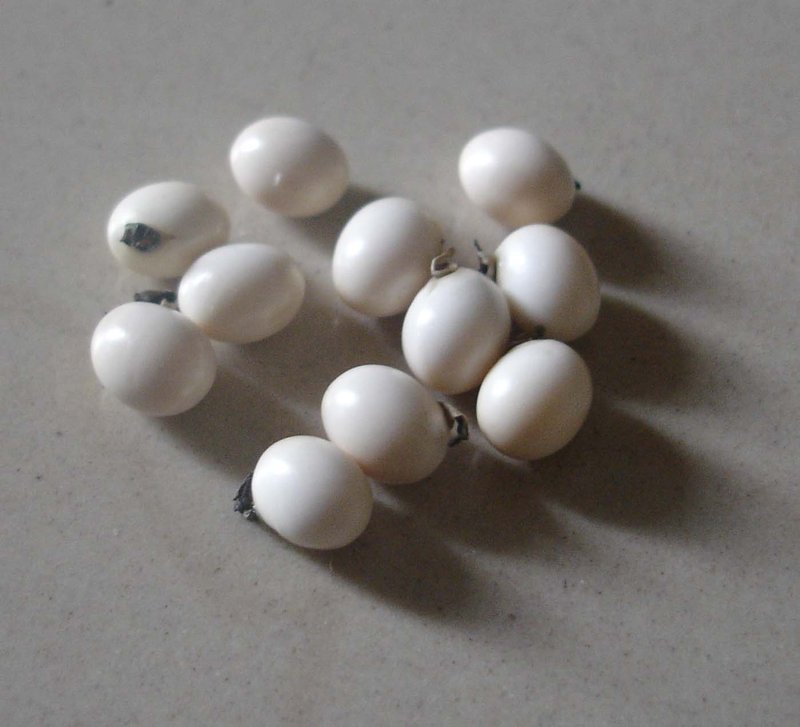
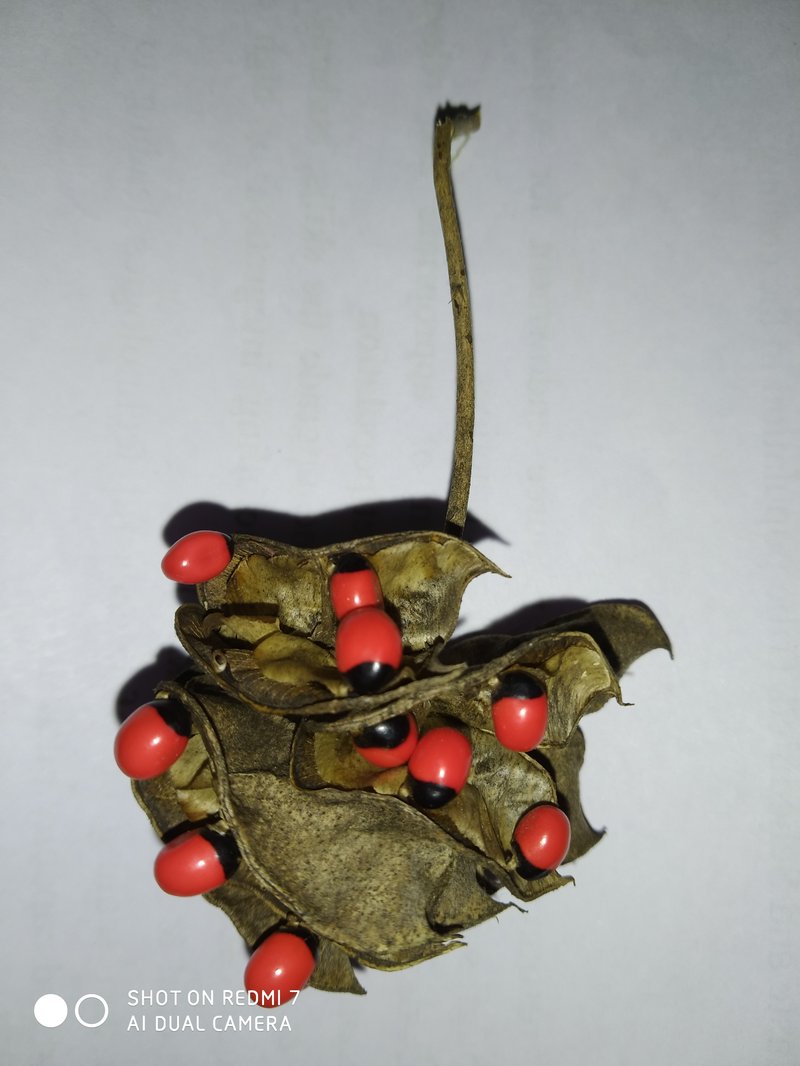
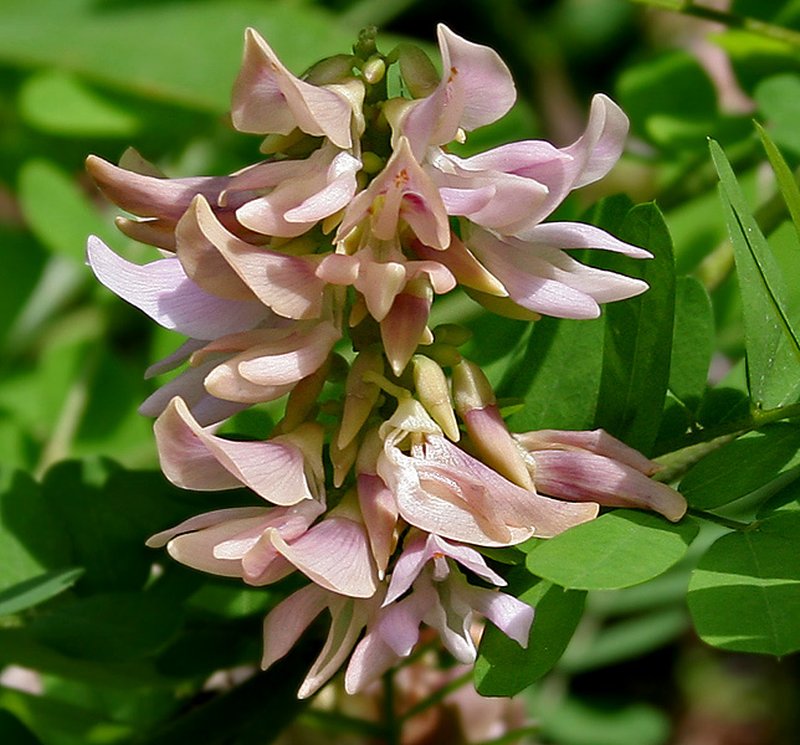
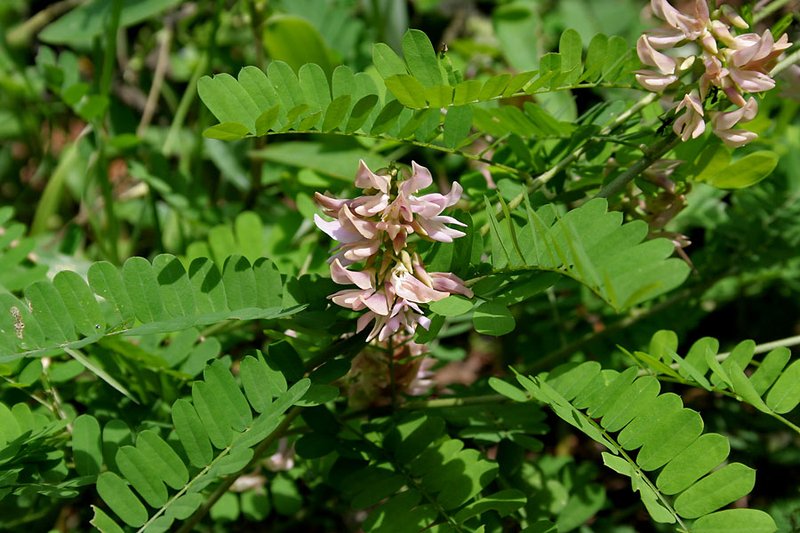
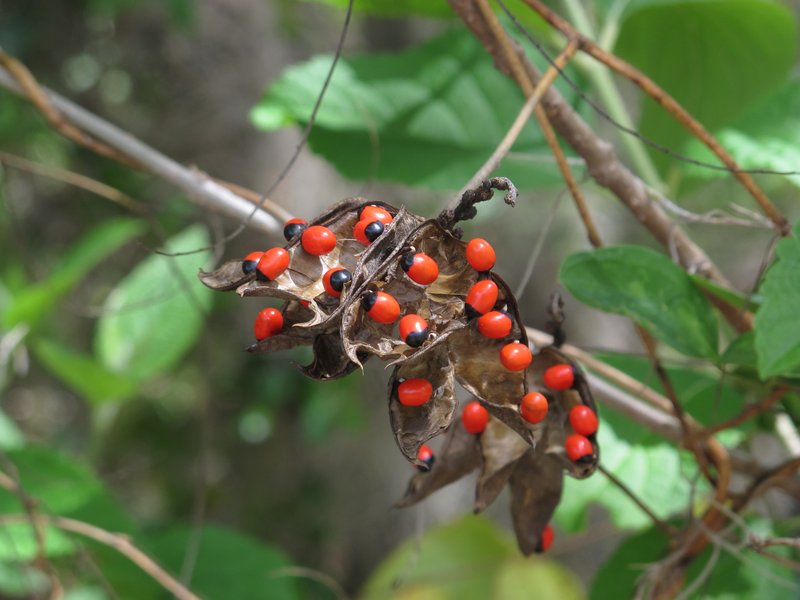
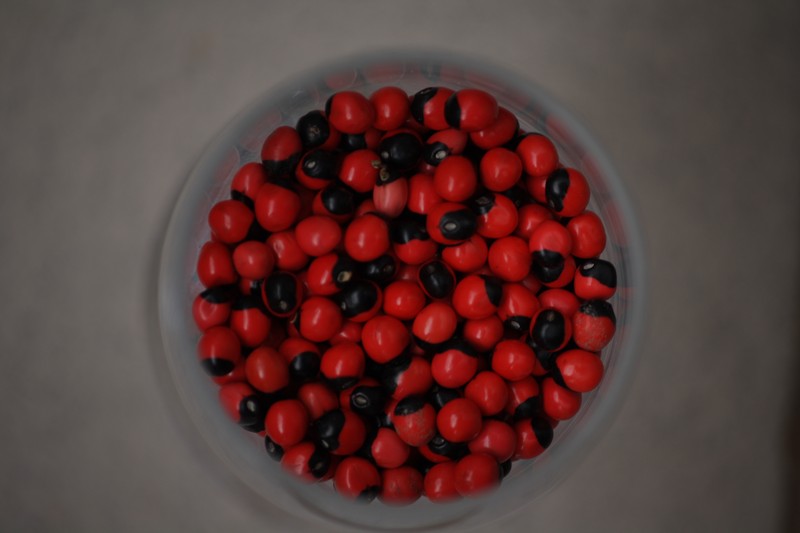
Taxonomy
- Division:
- Magnoliophyta | - Flowering plants
- Family:
- Fabaceae
- Genus:
- Abrus
- Species:
- Abrus precatorius
- USDA Symbol:
- ABPR3
Growth Characteristics
- Life Cycle:
- Perennial
- Growth Habit:
- Vine
- Height:
- 900 cm
- Light Requirements:
- Full Sun
- Drought Tolerance:
- Medium
- Bloom Months:
- jun,jul,aug,sep
- Bloom Colors:
- pink, purple, white
Wildlife Benefits
- Butterflies & Moths:
- ★★★☆☆ Documented Lepidoptera association (GBIF)
- Caterpillars:
- ★☆☆☆☆ Recorded caterpillar host plant (HOSTS Database)
Host Plant for Caterpillars
Caribbean pod borer (Fundella pellucens)
Garden & Ecology Notes
- Wildlife Value:
- birds, butterflies
- Deer Resistant:
- Yes
Soil Requirements
- Soil Type:
- sandy, well-drained, nutrient-poor soil
- pH:
- 5.5 - 7.5 (slightly acidic to neutral)
- Drainage:
- excellent drainage required
- Moisture:
- dry to moderate
- Notes:
- prefers open, sunny locations
Propagation & Germination
- Scarification:
- Seed coat scarification required before sowing
- Germination Time:
- 7–30 days
- Notes:
- Seeds require scarification (nicking or hot water treatment) to break hard seed coat; soak in hot water until cool, then plant.