
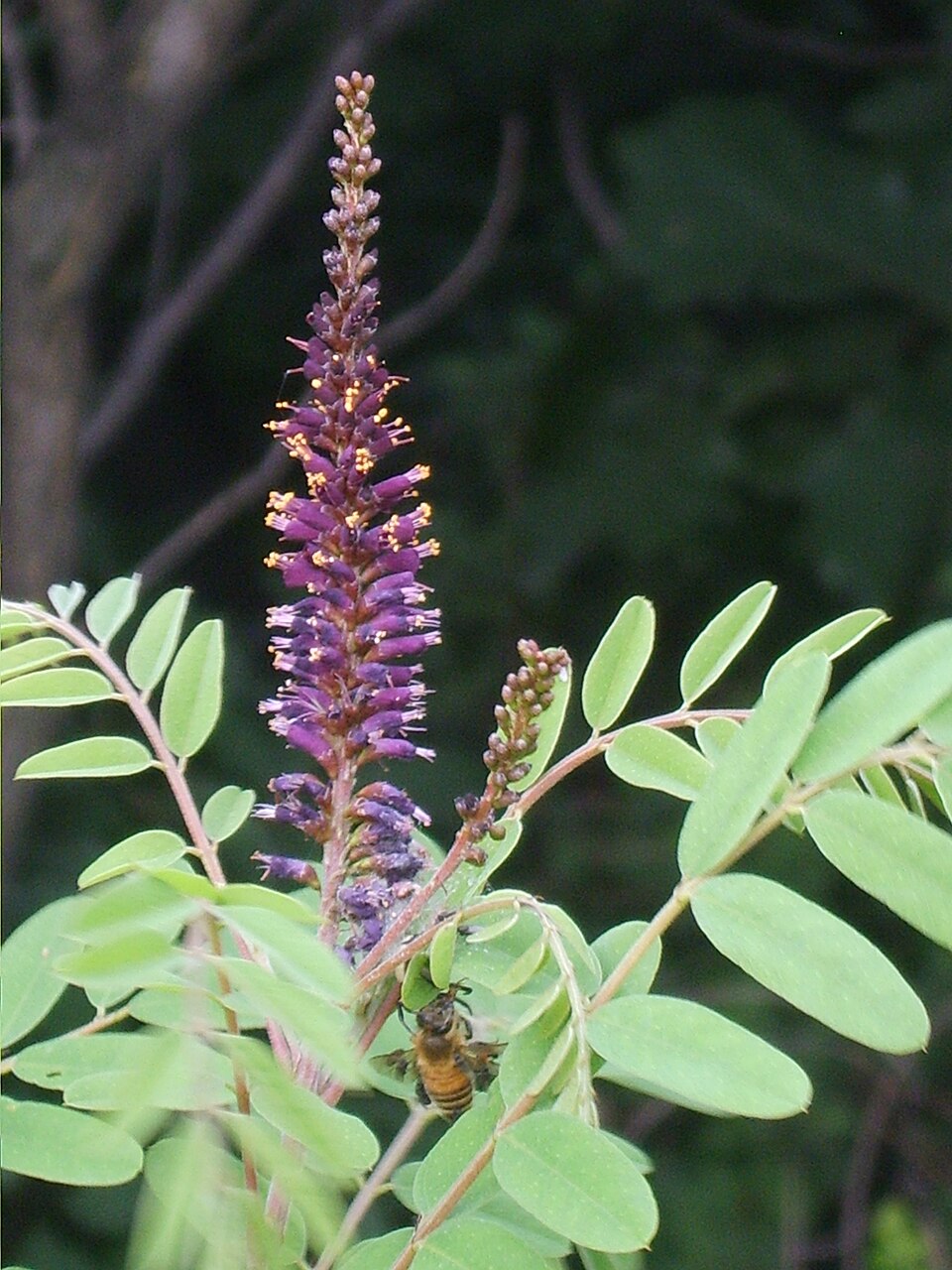
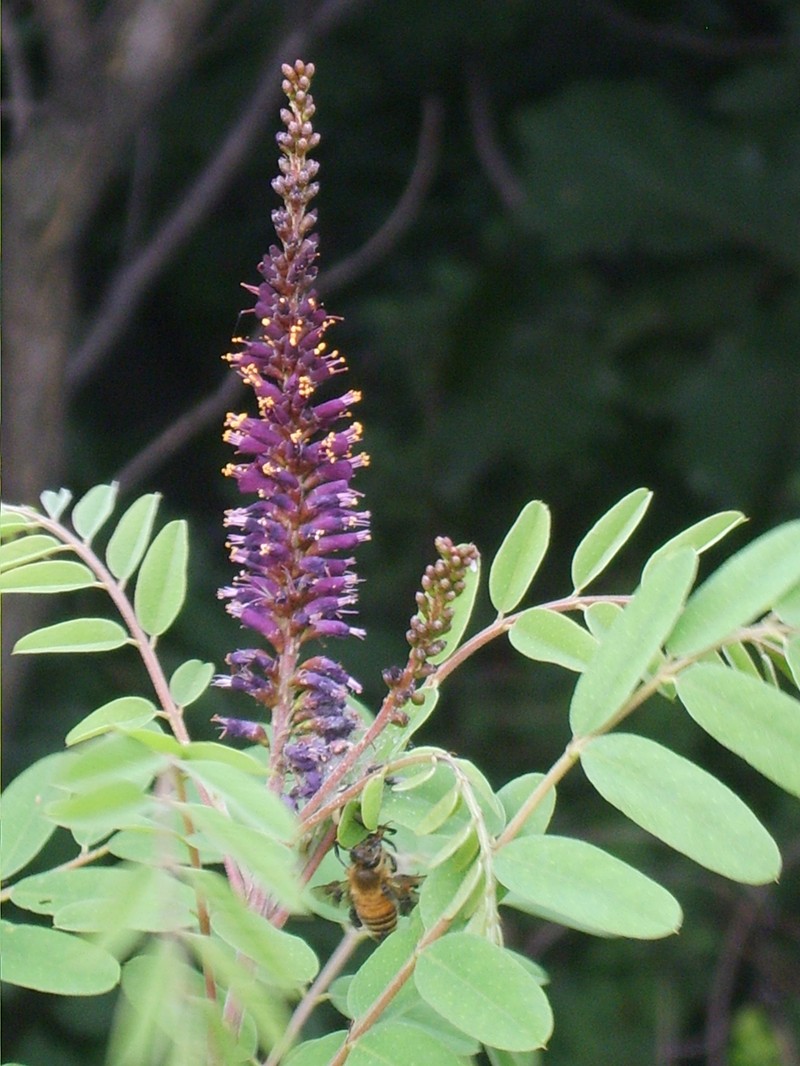
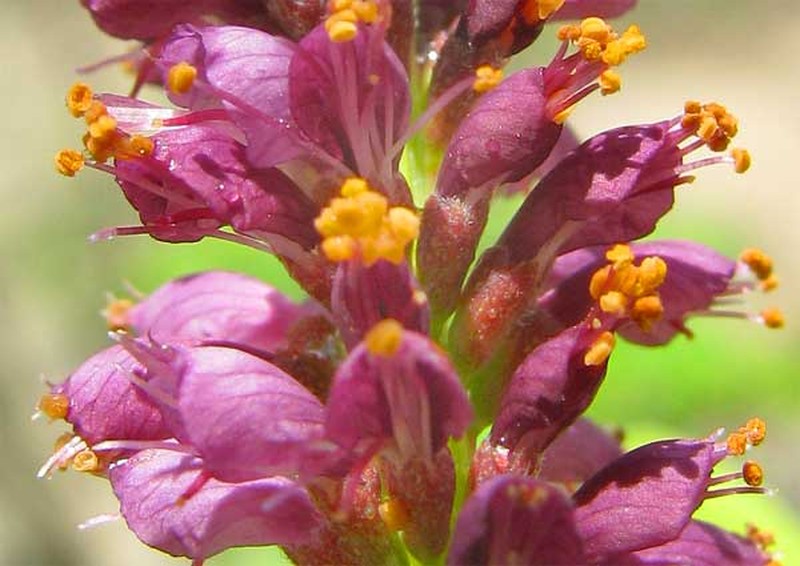
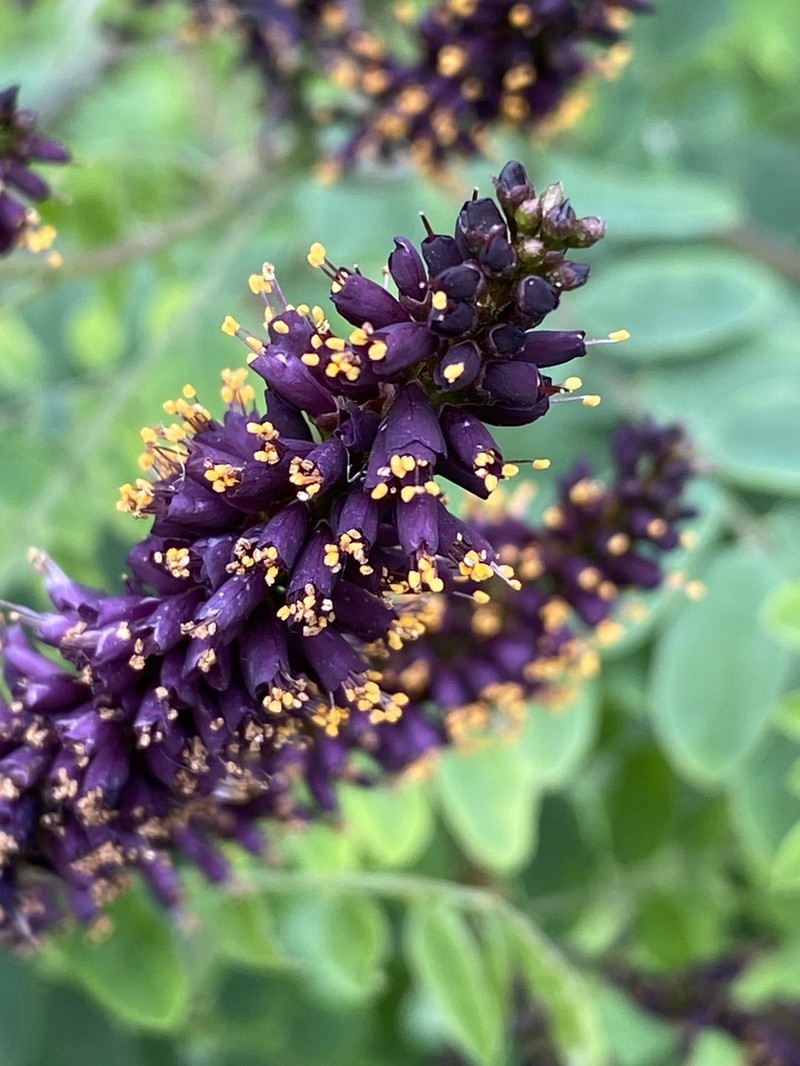
False Indigo Bush
Amorpha fruticosa
- Native to:
- Canada, Mexico, United States
Dalgial
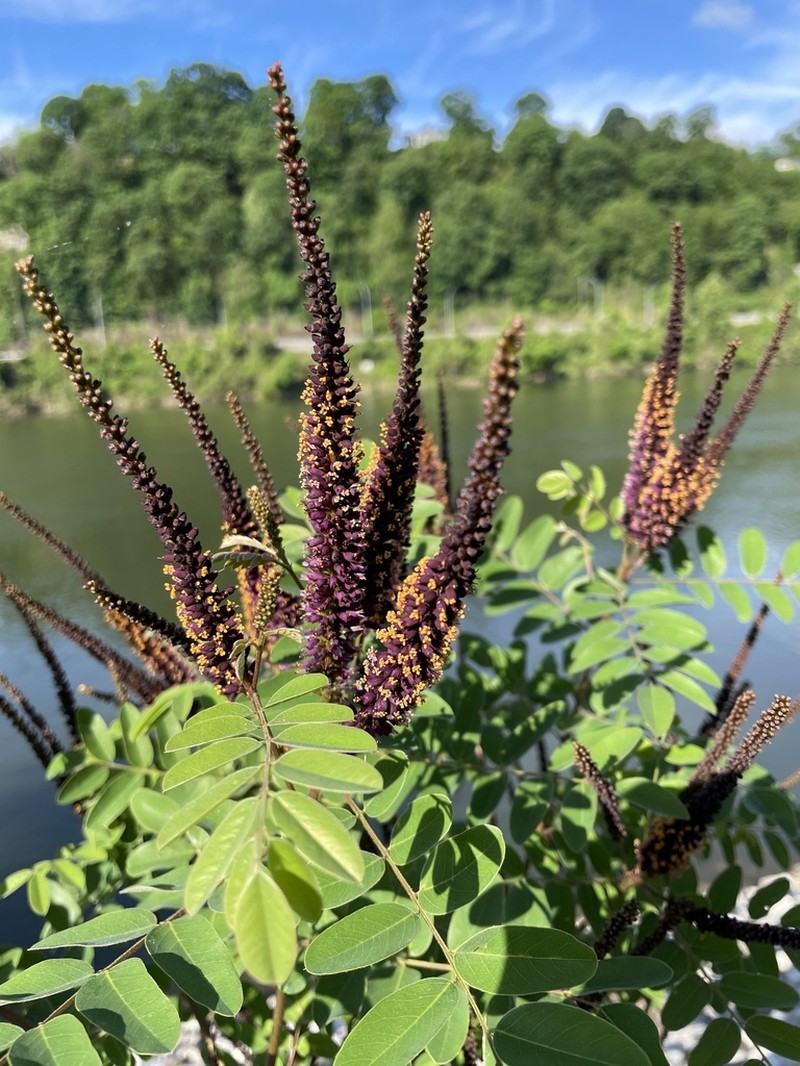
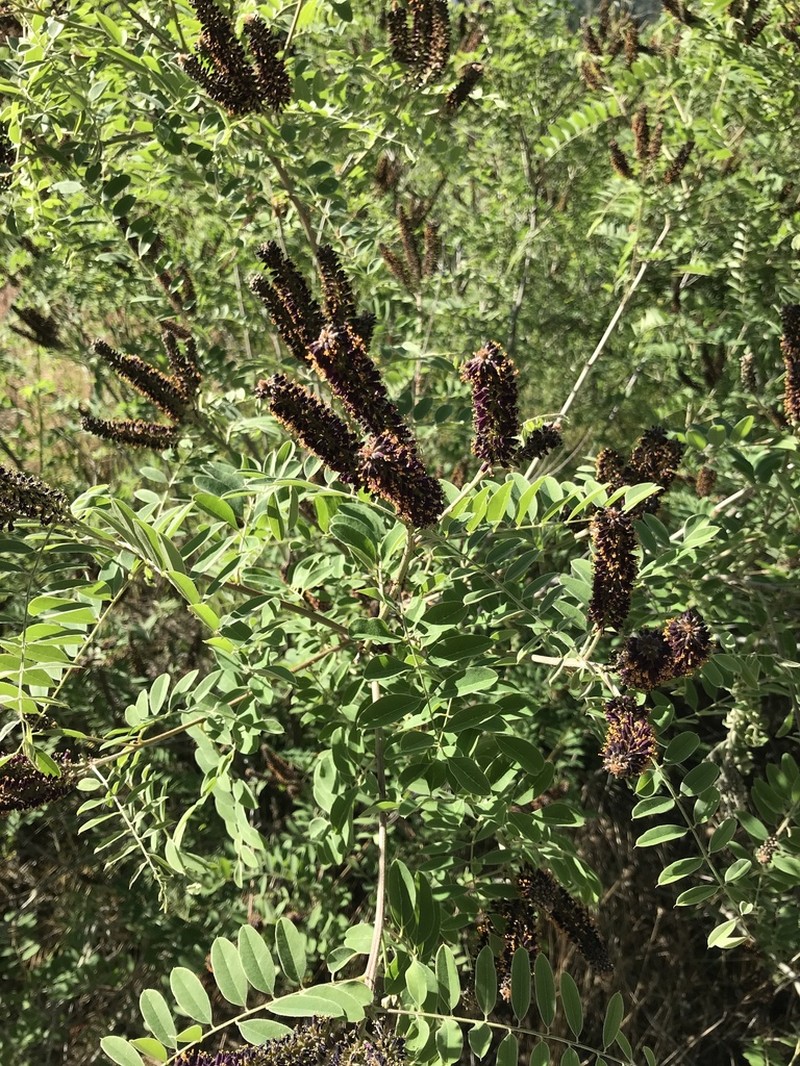
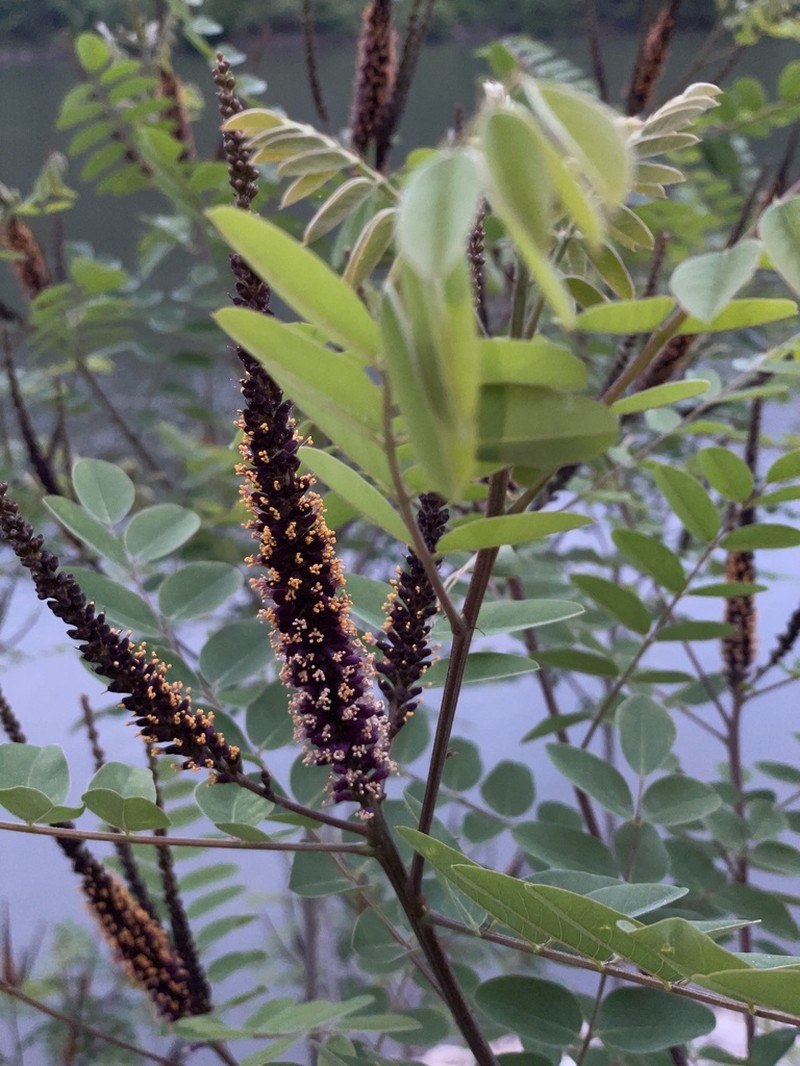
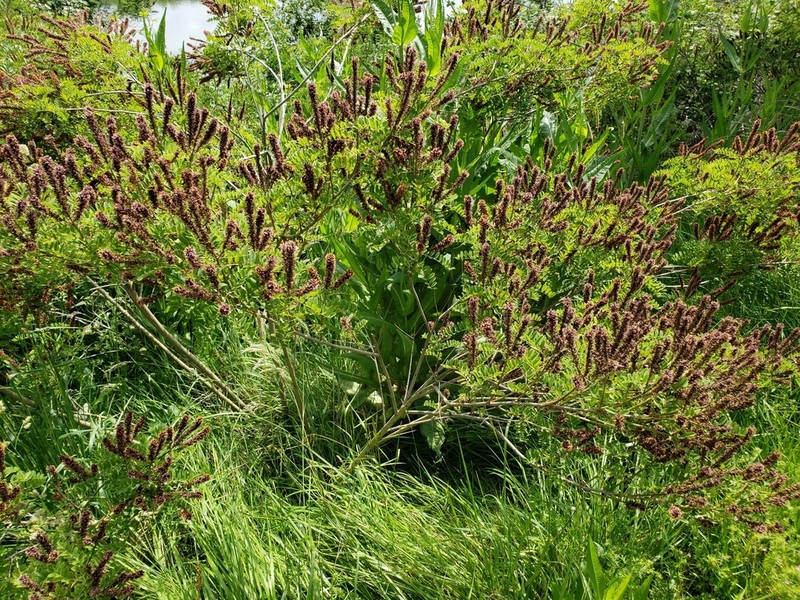
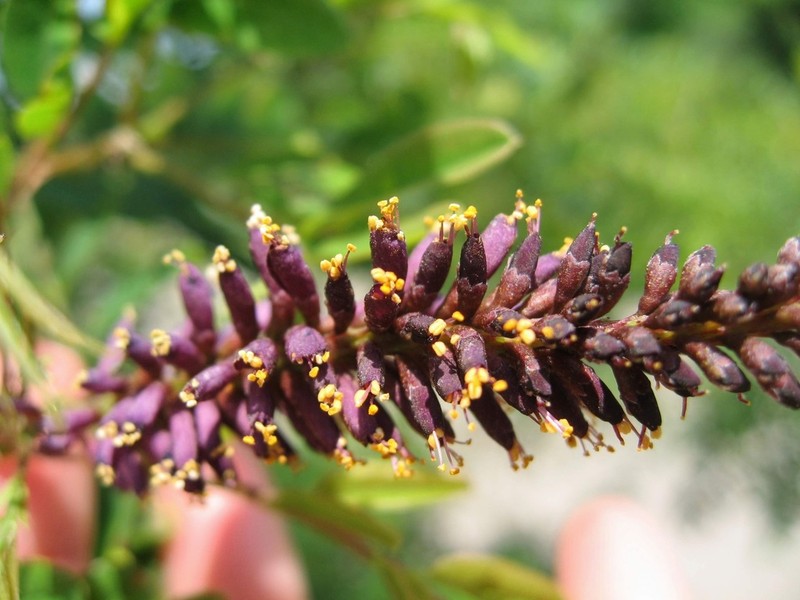
Taxonomy
- Division:
- Magnoliophyta | - Flowering plants
- Family:
- Fabaceae
- Genus:
- Amorpha
- Species:
- Amorpha fruticosa
- USDA Symbol:
- AMFR
Growth Characteristics
- Life Cycle:
- Perennial
- Growth Habit:
- Shrub
- Height:
- 600 cm
- Light Requirements:
- Full Sun,Part Shade
- Drought Tolerance:
- Medium
- Bloom Months:
- apr,may,jun
- Bloom Colors:
- purple, blue
- Landscaping Shrub:
- Yes
Wildlife Benefits
- Bees:
- ★☆☆☆☆ Documented bee visitation (GBIF)
- Butterflies & Moths:
- ★★★★★ Documented Lepidoptera association (GBIF)
- Caterpillars:
- ★★★☆☆ Recorded caterpillar host plant (HOSTS Database)
Host Plant for Caterpillars
Reported Fauna Sightings
Garden & Ecology Notes
- Wildlife Value:
- birds, butterflies, small mammals
- Fragrant:
- Yes
- Fire Ecology:
- Fire adapted — tolerates or benefits from fire
- Fire Notes:
- Can resprout from root crown after fire; fire may stimulate seed germination.
Soil Requirements
- Soil Type:
- moist, fertile, well-drained loam
- pH:
- 6.0 - 8.0 (slightly acidic to neutral)
- Drainage:
- tolerates poor drainage
- Moisture:
- consistently moist
- Notes:
- Commonly found in riparian zones and floodplains
Propagation & Germination
- Stratification:
- Cold/moist stratification required — 30–60 days
- Scarification:
- Seed coat scarification required before sowing
- Germination Time:
- 14–30 days
- Notes:
- Seeds require scarification (nicking or hot water treatment) followed by cold stratification for 30-60 days to break dormancy.
Pre-treatment: Seeds germinate at 30/20 C. Mechanical scarification for 15 seconds using a Forsberg seed scarifier. Seeds are planted in late October using a Love seeder set at 3rd gear at 10 setting into prepared field beds.
Establishment: Seeds are typically collected from local sources or hand harvested from a population of Central Appalachian Amorpha fructosa. The fruits are legumes that are light tan at maturity and typically contain 1 or 2 seeds per pod and usually mature in August and September. Seeds are glossy, smooth, and olive brown and are 2 to 2.8 mm (0.07 to 0.11 in) long.
Source: npn.rngr.net
ORGHPS Germination Guide: Expose to fluctuating outdoor winter temps incl. freezing for 3 months. Increase light/temp in spring. Requires scarification. | Requires soaking 24-48 hrs; discard floaters.
Where to Buy
Nationwide Seller
- Native Plants Nursery (nursery)
- Sheffield's Seed (seeds)
- Prairie Moon Nursery (nursery and seeds)