
American Hogpeanut
Amphicarpaea bracteata
- Native to:
- Canada, Mexico, Prince Edward I., United States, Virgin Islands
Eric Hunt
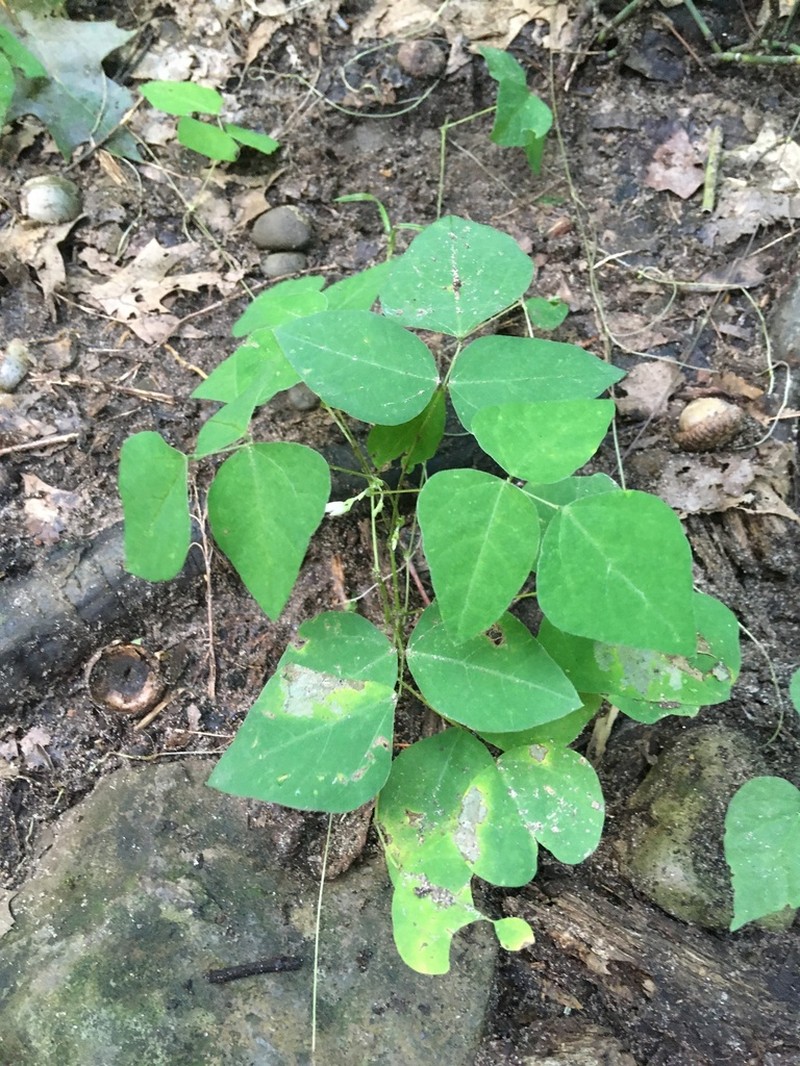
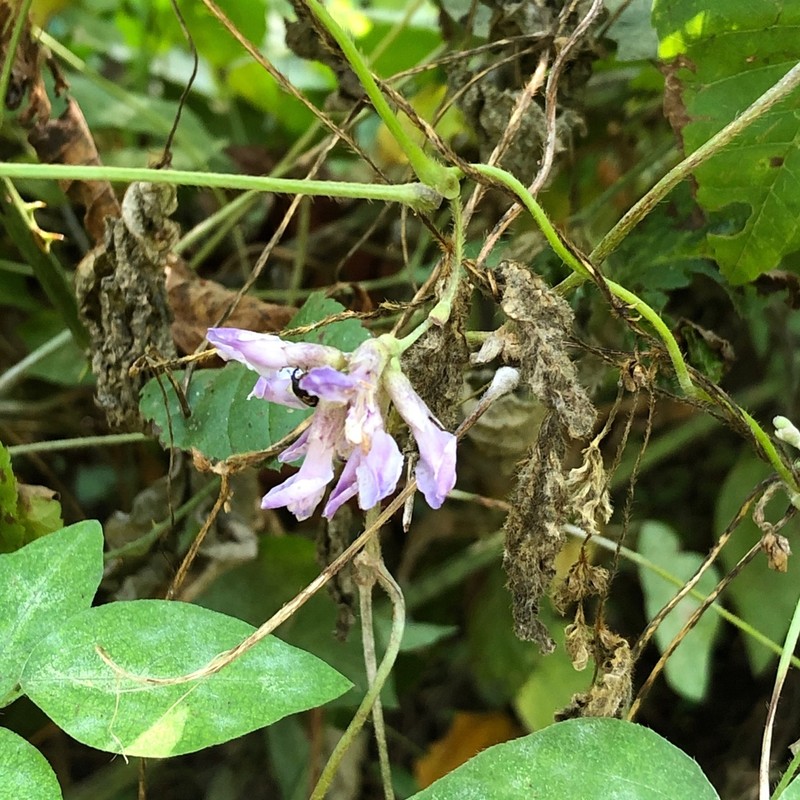
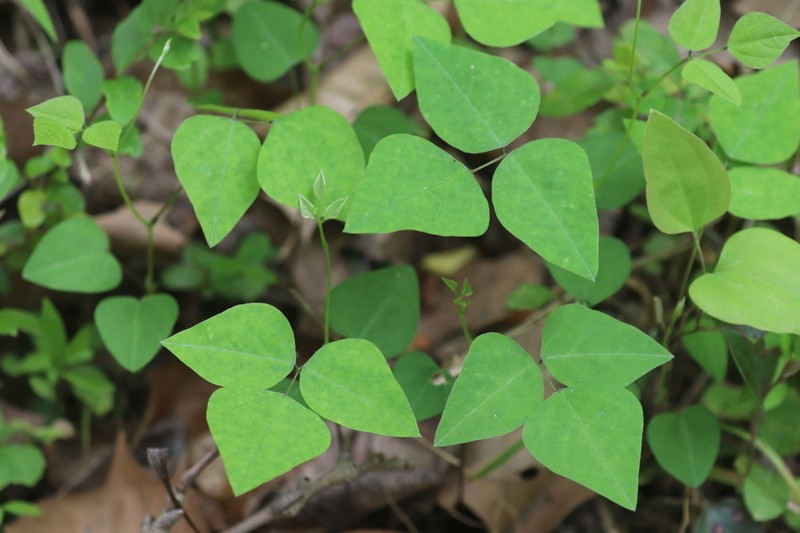
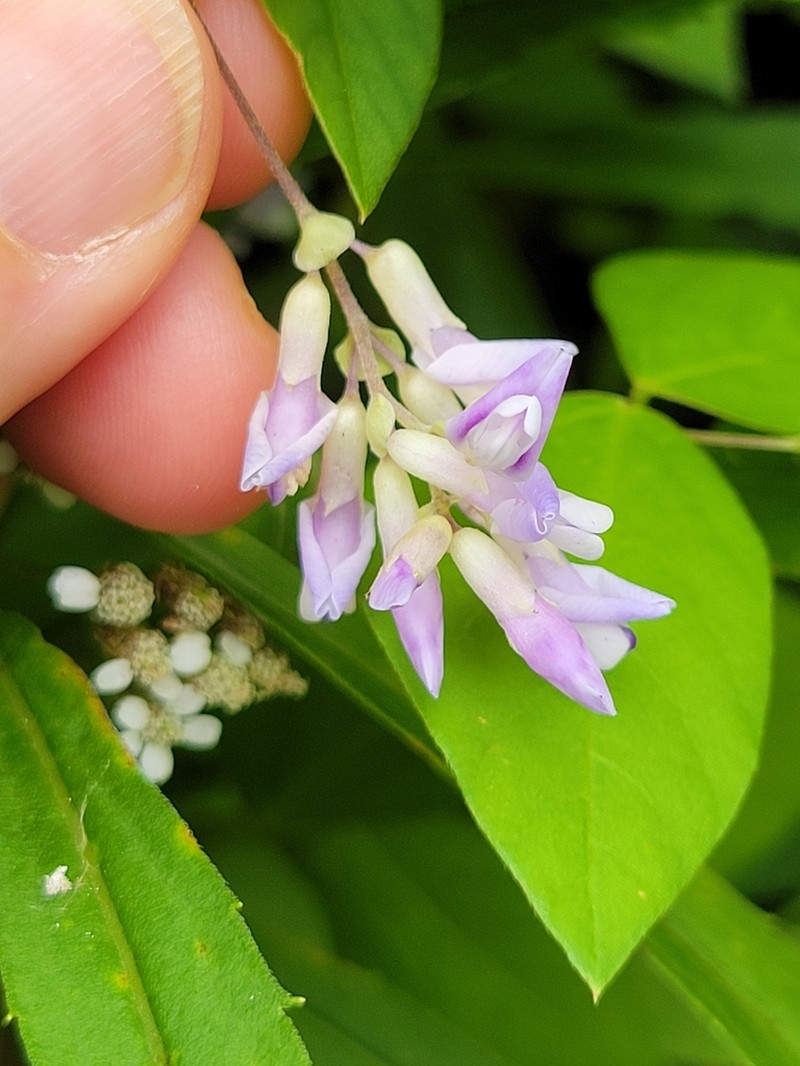
Taxonomy
- Division:
- Magnoliophyta | - Flowering plants
- Family:
- Fabaceae
- Genus:
- Amphicarpaea
- Species:
- Amphicarpaea bracteata
- USDA Symbol:
- AMBR2
Growth Characteristics
- Life Cycle:
- Annual | Perennial
- Growth Habit:
- Forb/herb , Vine
- Height:
- 150 cm
- Light Requirements:
- Part Shade
- Drought Tolerance:
- Low
- Bloom Months:
- aug,sep
- Bloom Colors:
- white, pink, purple
- Food Forest:
- Contains edible parts
Wildlife Benefits
- Butterflies & Moths:
- ★★★★☆ Documented Lepidoptera association (GBIF)
- Caterpillars:
- ★★☆☆☆ Recorded caterpillar host plant (HOSTS Database)
Host Plant for Caterpillars
Reported Fauna Sightings
Garden & Ecology Notes
- Wildlife Value:
- birds, small mammals
Soil Requirements
- Soil Type:
- rich, well-drained loamy soil
- pH:
- 5.5 - 7.0 (slightly acidic to neutral)
- Drainage:
- tolerates poor drainage
- Moisture:
- consistently moist
- Notes:
- prefers shaded woodland areas
Propagation & Germination
- Stratification:
- Cold/moist stratification required — 30–60 days
- Scarification:
- Seed coat scarification required before sowing
- Germination Time:
- 14–30 days
- Notes:
- Seeds benefit from scarification (nicking or hot water) followed by cold stratification.
Pre-treatment: Wild harvested tubers are planted whole, but are subdivided into 1-2 tubers segments by cutting the cordlike root attaching the tubers to each other. Tuber segments are then placed in nursery trade quart sized pots that have been filled three-fourths full with a commercial potting soil. Tuber segments are placed in the filled pots on top of the potting mix and then covered with additional potting soil. Filled pots are gently hand compacted to ensure good tuber soil contact. Properly filled pots should have at least one inch of potting soil covering the tubers.
Establishment: Tubers are typically collected from wild populations during late dormancy (February-March). Care should be taken to avoid overharvesting of tubers from wild populations.
Source: npn.rngr.net
ORGHPS Germination Guide: Sow @ 20C. Germinates within 3 months. Requires soaking 24-48 hrs; discard floaters.