
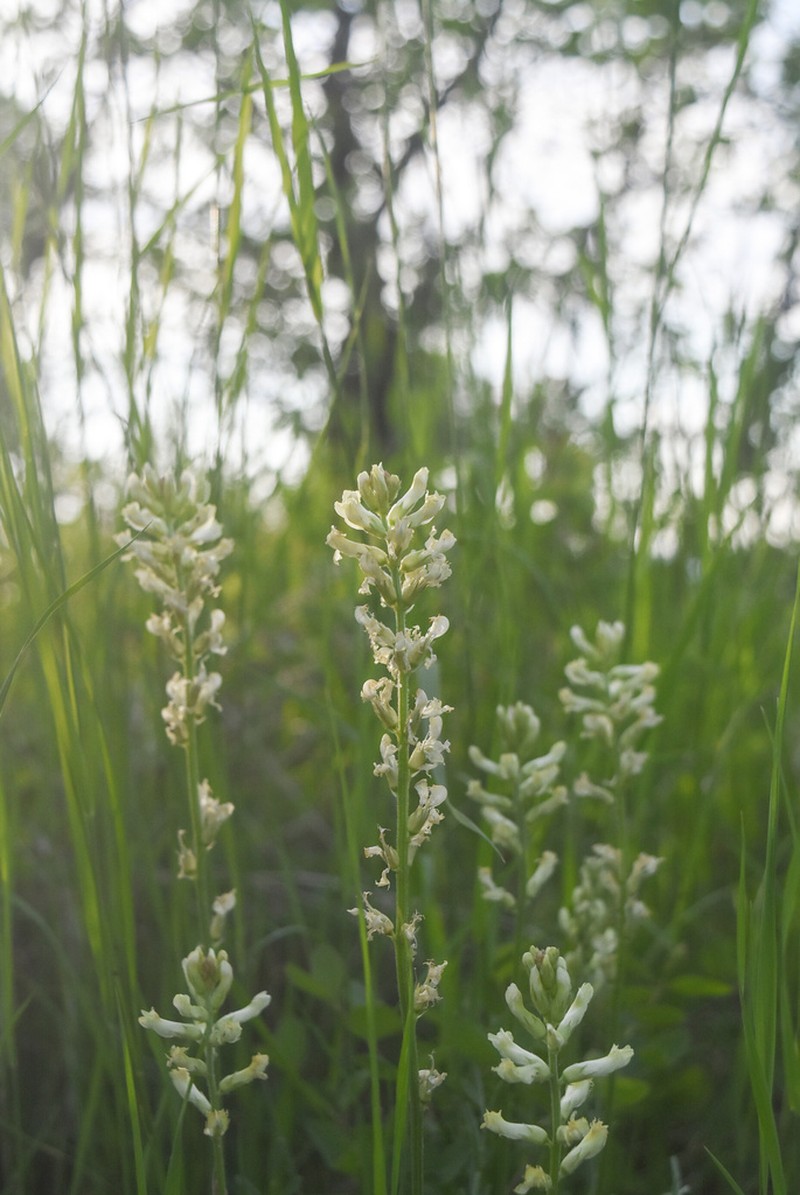
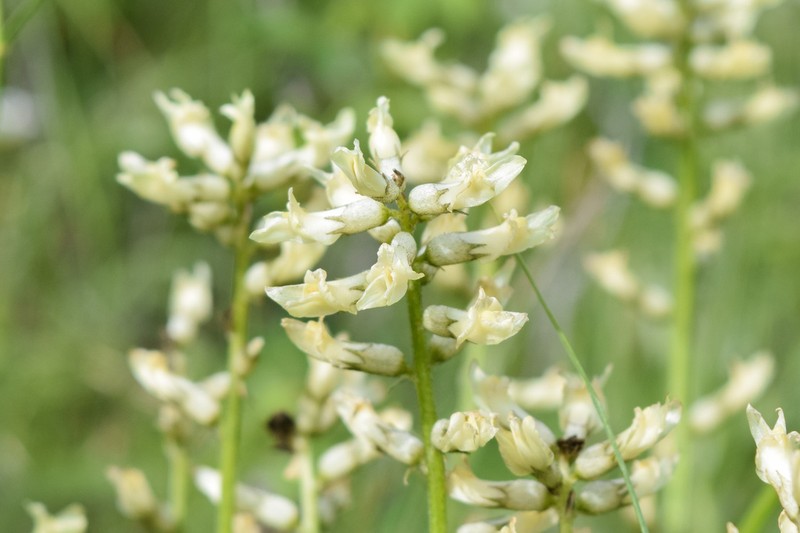
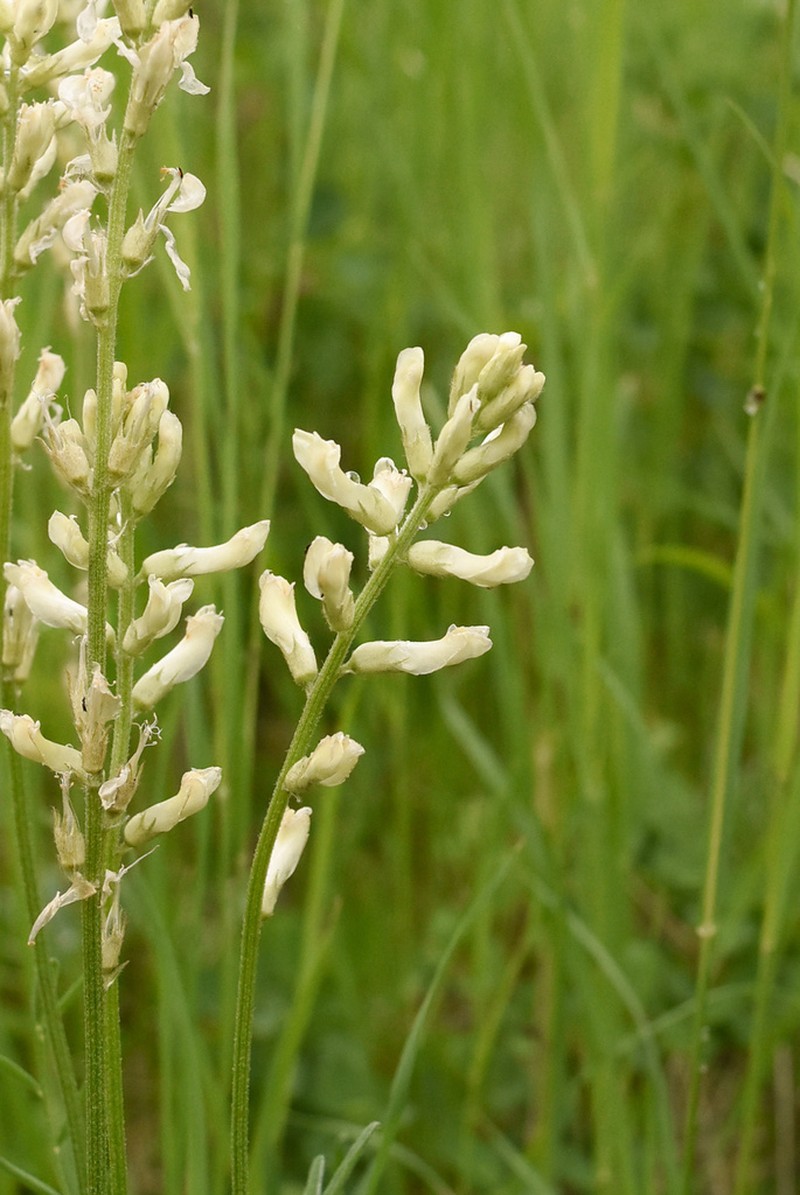
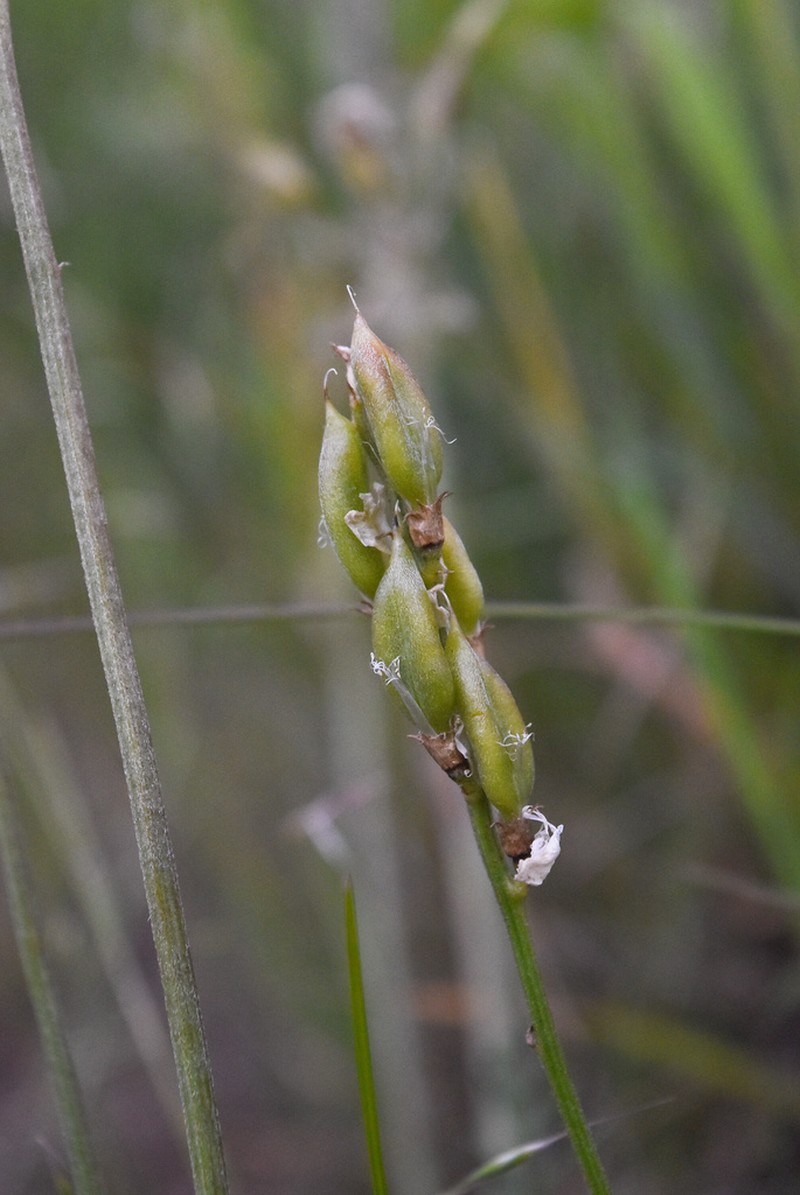
Palouse Milkvetch
Astragalus arrectus
- Native to:
- United States
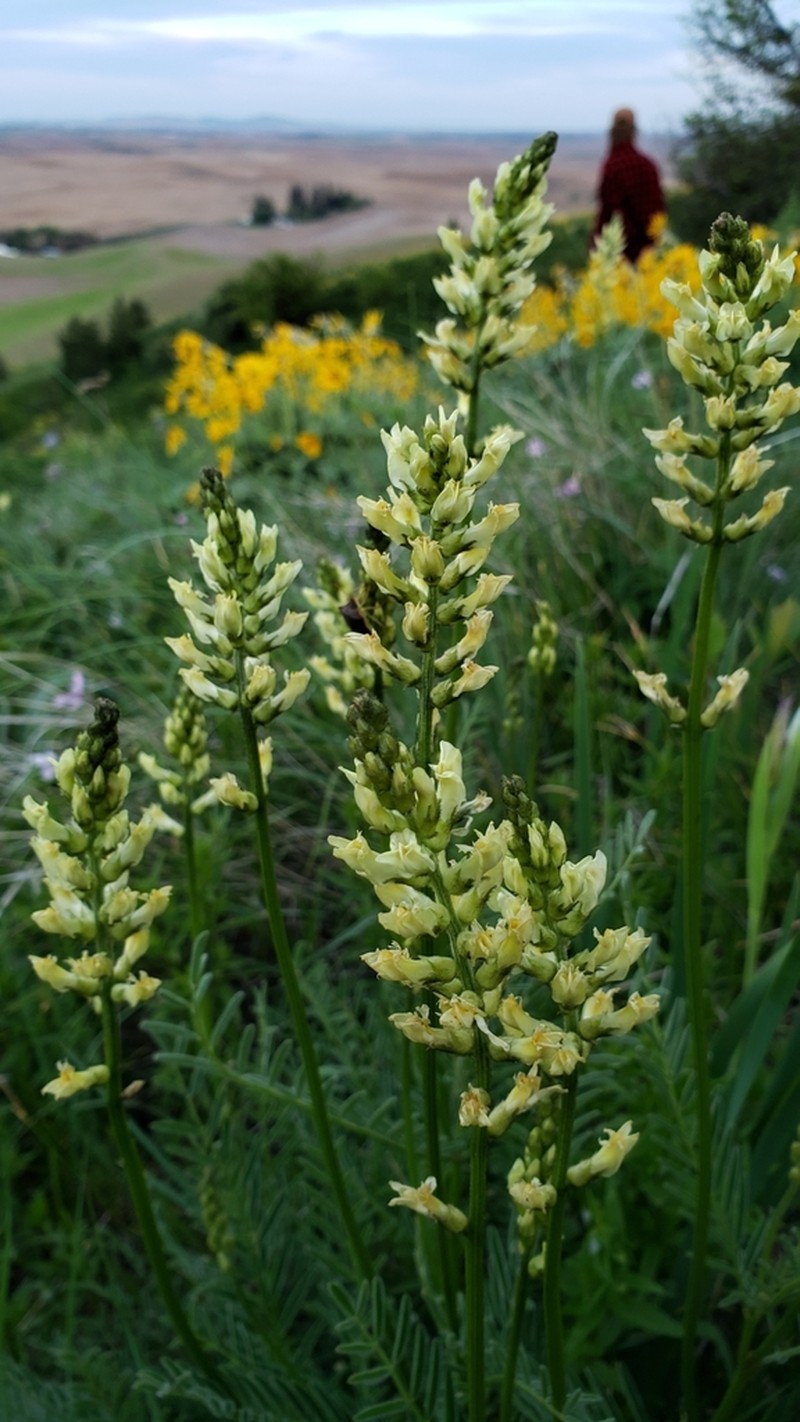
iNaturalist: © slankerbanker (iNaturalist #25094094)
Taxonomy
- Division:
- Magnoliophyta | - Flowering plants
- Family:
- Fabaceae
- Genus:
- Astragalus
- Species:
- Astragalus arrectus
- USDA Symbol:
- ASAR7
Growth Characteristics
- Life Cycle:
- Perennial
- Growth Habit:
- Forb/herb
- Height:
- 60 cm
- Light Requirements:
- Full Sun
- Drought Tolerance:
- High
- Bloom Months:
- may,jun,jul
- Bloom Colors:
- purple, white
Wildlife Benefits
- Bees:
- ★☆☆☆☆ Documented bee visitation (GBIF)
- Butterflies & Moths:
- ★☆☆☆☆ Documented Lepidoptera association (GBIF)
Keystone Species Ranking
- Pollen Specialist Bee Keystone:
- ★★★☆☆ Native pollen specialist bee species supported by this genus (NWF)
Garden & Ecology Notes
- Wildlife Value:
- bees, butterflies
Soil Requirements
- Soil Type:
- sandy, well-drained, nutrient-poor soil
- pH:
- 6.0 - 8.0 (slightly acidic to neutral)
- Drainage:
- excellent drainage required
- Moisture:
- dry to moderate
Propagation & Germination
- Stratification:
- Cold/moist stratification required — 30–60 days
- Scarification:
- Seed coat scarification required before sowing
- Germination Time:
- 14–30 days
- Notes:
- Seeds benefit from scarification (nicking or hot water) followed by cold stratification.
Pre-treatment: Scarification of seeds either by hot water or rubbing between two pieces of sandpaper. The latter method yielded higher germination rates.
Establishment: Seed collection is in late July or early August when the pods begin to split open and the seed is hard and brown. The plant is endemic to eastern Washington and adjacent parts of Idaho.
Source: npn.rngr.net
ORGHPS Germination Guide: Put in deep pot; protect from damping off