
Bourgov's Milkvetch
Astragalus bourgovii
- Native to:
- Canada, United States
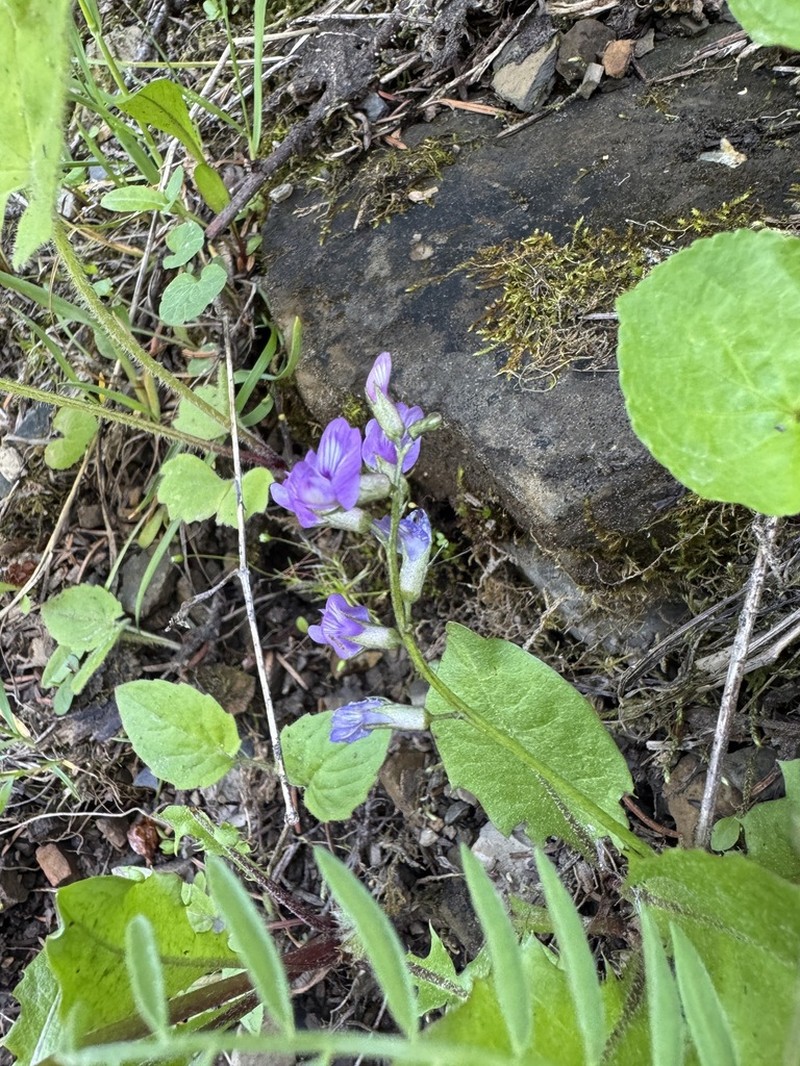
iNaturalist: © pbulman (iNaturalist #297052196)
Taxonomy
- Division:
- Magnoliophyta | - Flowering plants
- Family:
- Fabaceae
- Genus:
- Astragalus
- Species:
- Astragalus bourgovii
- USDA Symbol:
- ASBO3
Growth Characteristics
- Life Cycle:
- Perennial
- Growth Habit:
- Forb/herb , Subshrub
- Height:
- 30 cm
- Light Requirements:
- Full Sun
- Drought Tolerance:
- Medium
- Bloom Months:
- jun,jul,aug
- Bloom Colors:
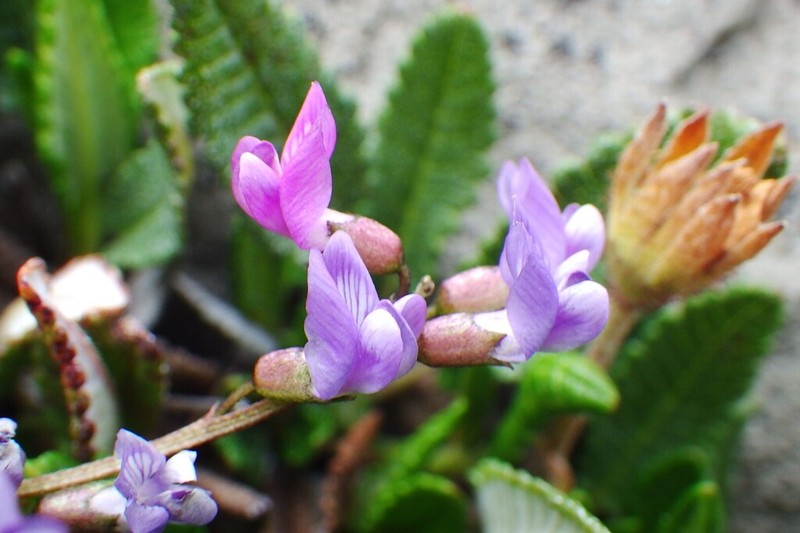
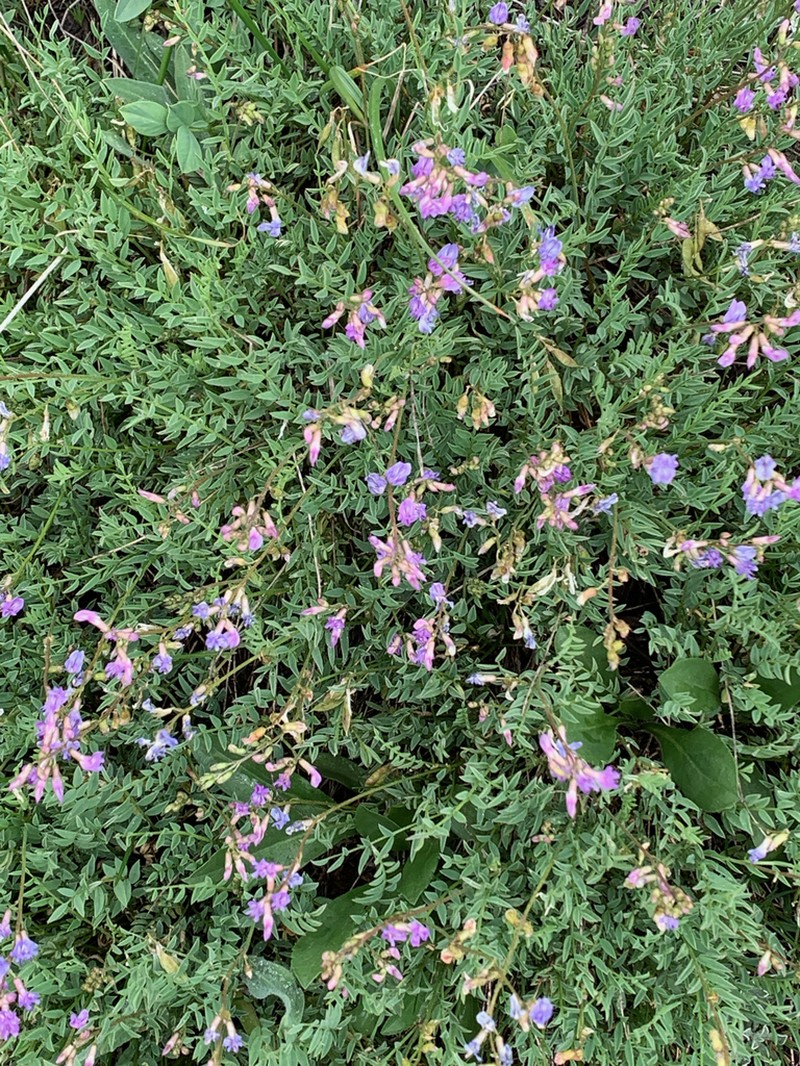
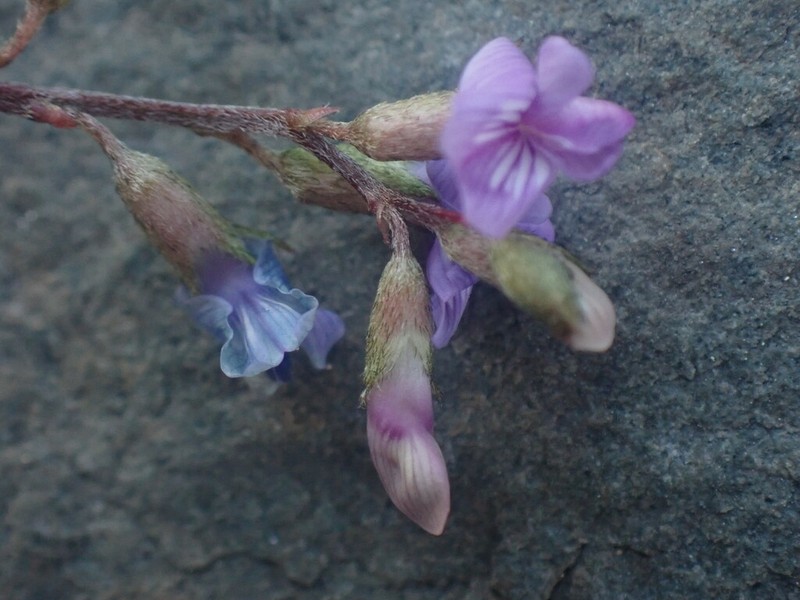
- purple, violet
Wildlife Benefits
- Bees:
- ★☆☆☆☆ Documented bee visitation (GBIF)
- Butterflies & Moths:
- ★☆☆☆☆ Documented Lepidoptera association (GBIF)
Keystone Species Ranking
- Pollen Specialist Bee Keystone:
- ★★★☆☆ Native pollen specialist bee species supported by this genus (NWF)
Garden & Ecology Notes
- Wildlife Value:
- bees, butterflies
- Deer Resistant:
- Yes
Soil Requirements
- Soil Type:
- well-drained, sandy or rocky soil
- pH:
- 6.0 - 7.5 (slightly acidic to neutral)
- Drainage:
- excellent drainage required
- Moisture:
- dry to moderate
- Notes:
- native to arid and semi-arid regions
Propagation & Germination
- Stratification:
- Cold/moist stratification required — 30–60 days
- Scarification:
- Seed coat scarification required before sowing
- Germination Time:
- 14–30 days
- Notes:
- Seeds benefit from scarification (nicking or hot water treatment) followed by cold stratification for 30-60 days.
Pre-treatment: Fresh seeds are scarified with sandpaper and placed in a 5 month outdoor cold, moist stratification. A hot water treatment for 5 to 20 seconds is recommended, immediately transferred to cool water, and soaked in cool water for 24 to 48 hours.
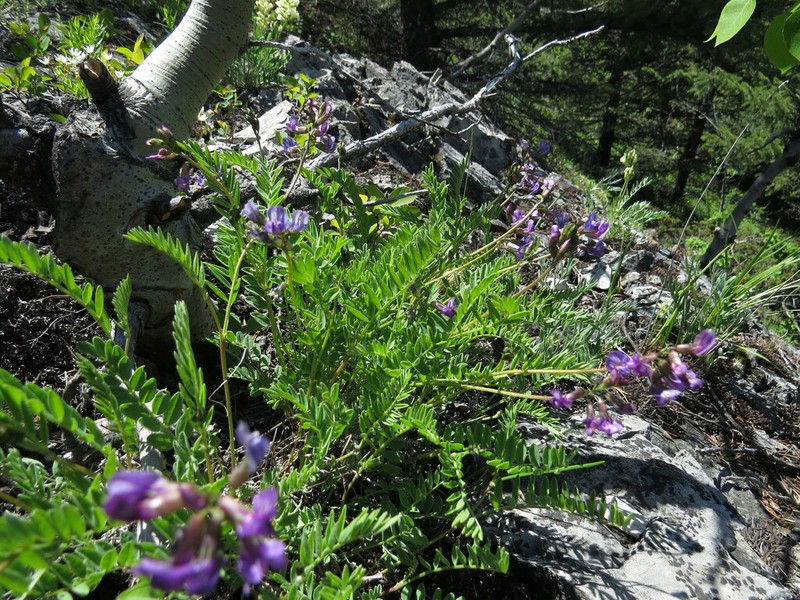
Establishment: Collect mature legumes when they begin to split and turn tan in color. Seeds are brown at maturity. Pods are collected in paper bags and kept in a well ventilated drying shed prior to cleaning. A. bourgouvii occurs in the northern Rocky Mountains, from B.C. and Alberta, south to Montana and west to Shoshone Co., Idaho, on talus and scree slopes in the subalpine to alpine.
Source: npn.rngr.net
ORGHPS Germination Guide: Put in deep pot; protect from damping off