
Canadian Milkvetch
Astragalus canadensis
- Native to:
- Canada, United States, Virgin Islands
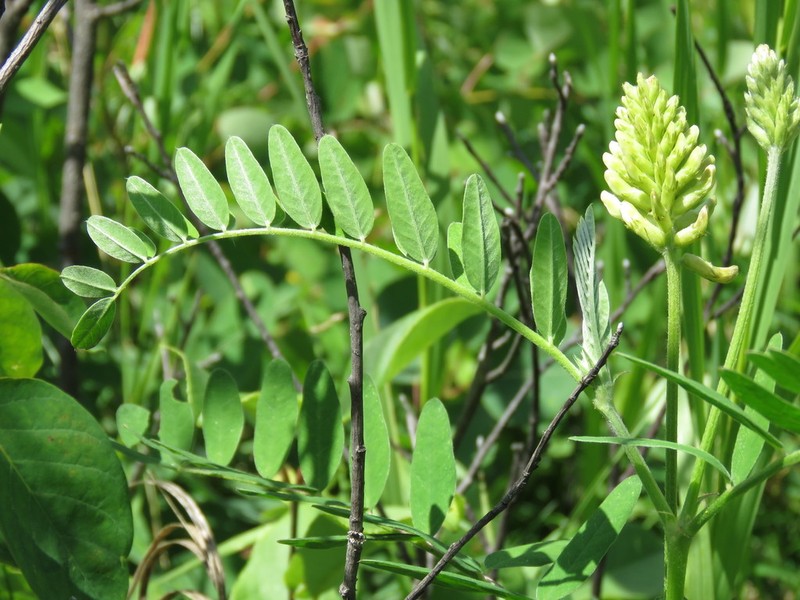
iNaturalist: © sunrise37 (iNaturalist #54454733)
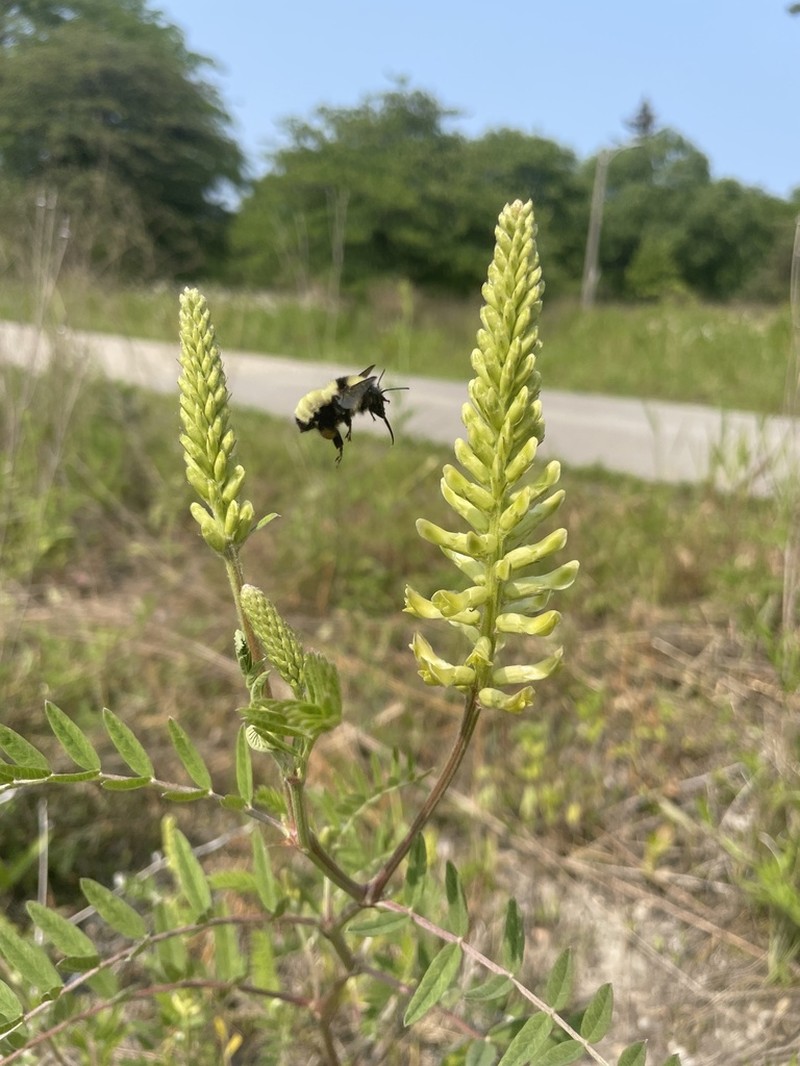
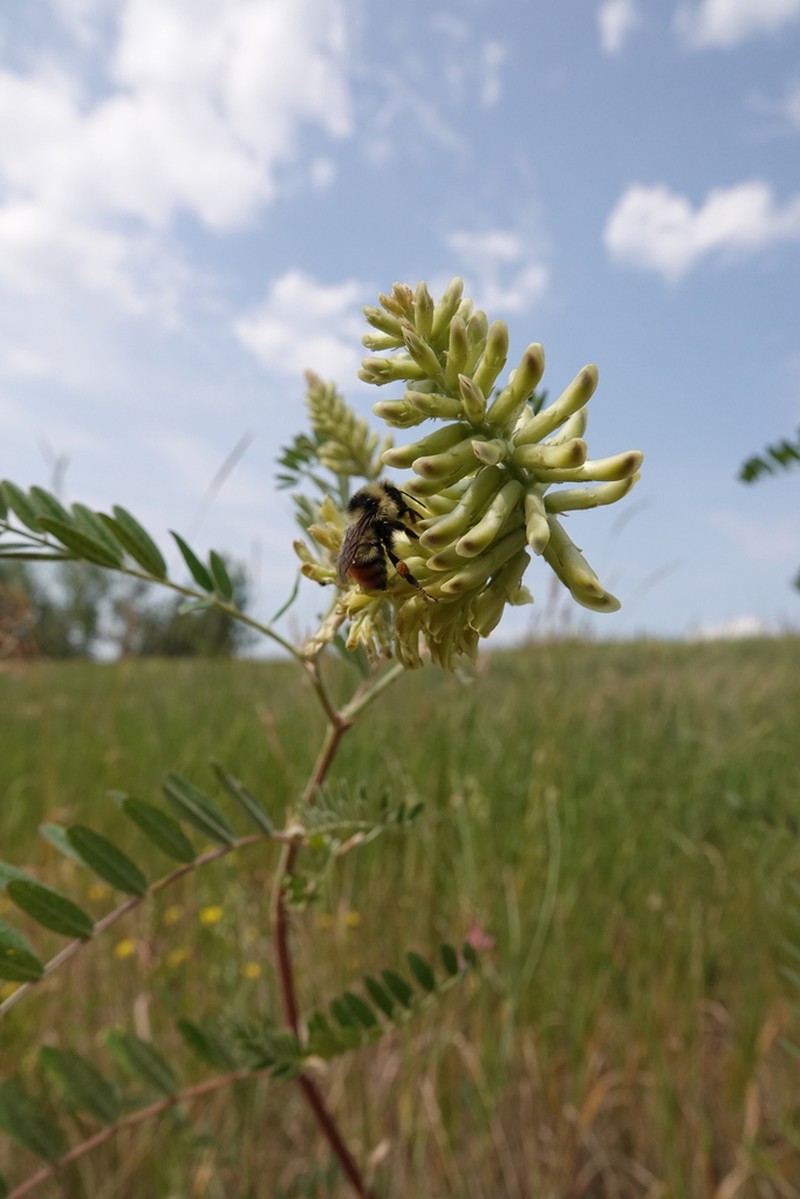
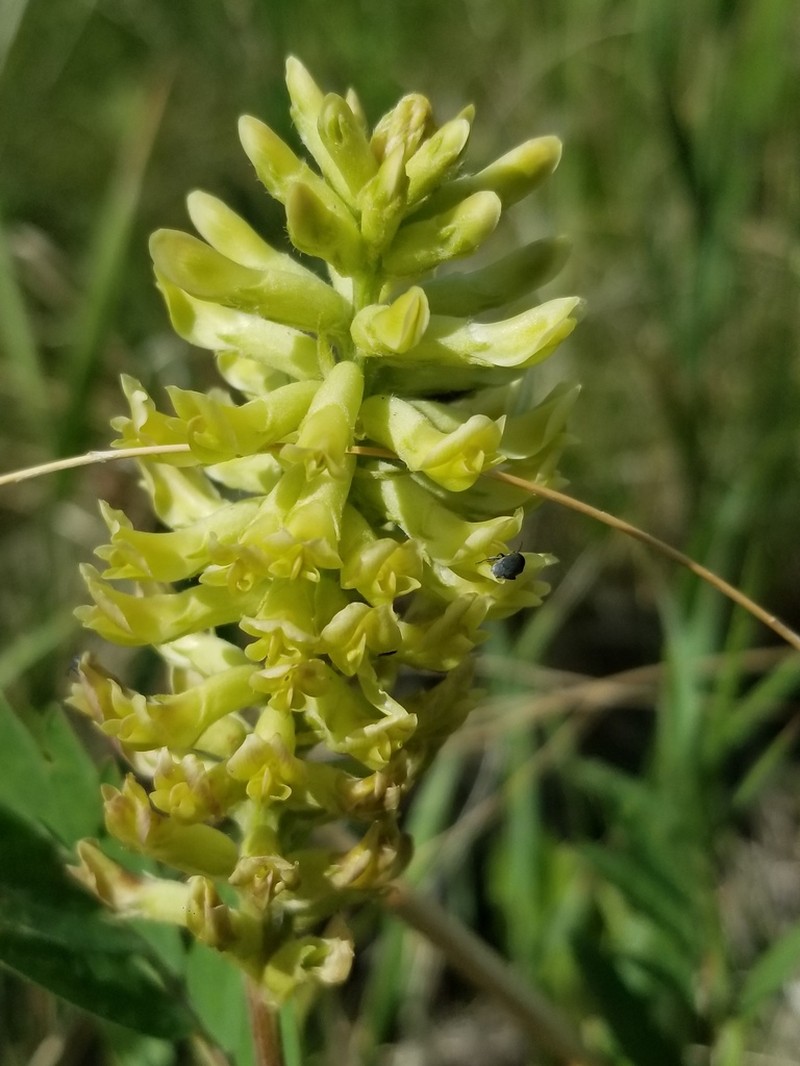
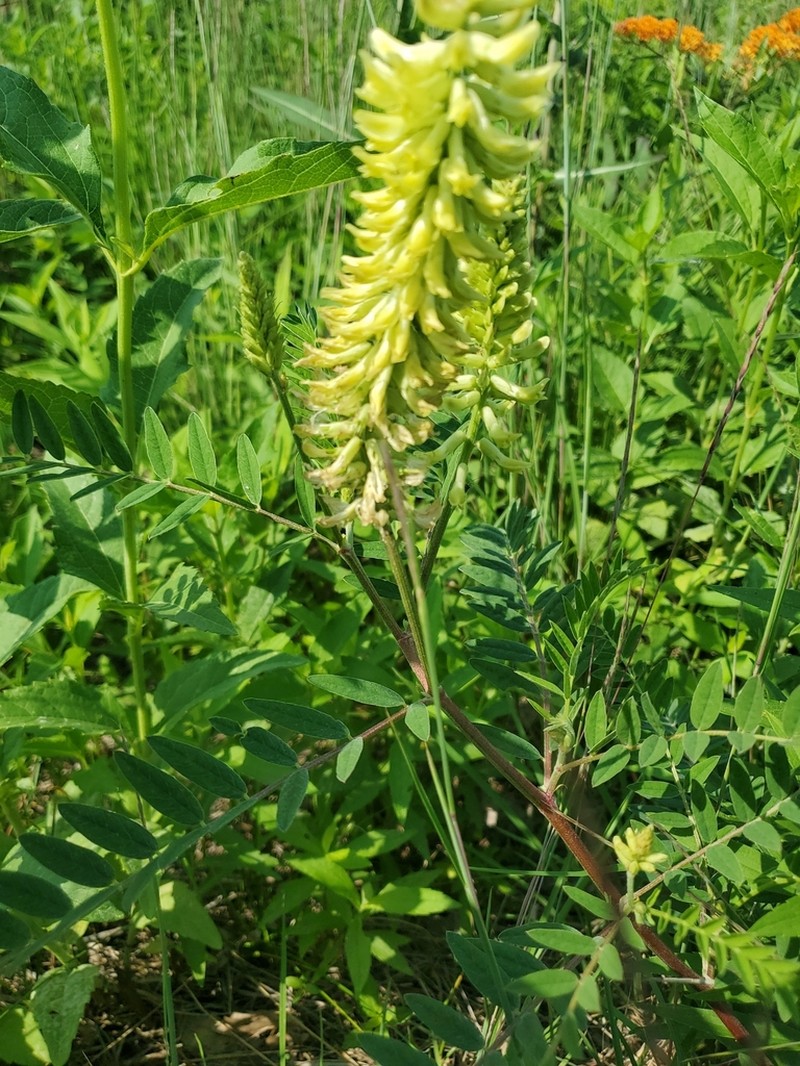
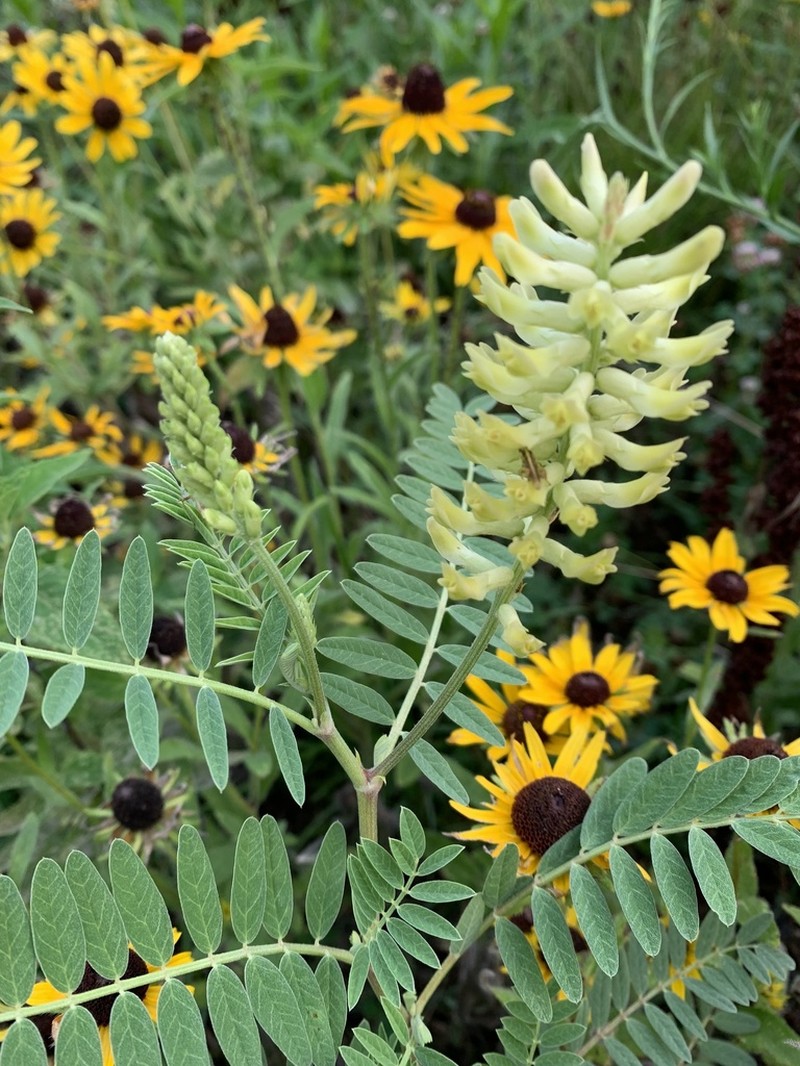
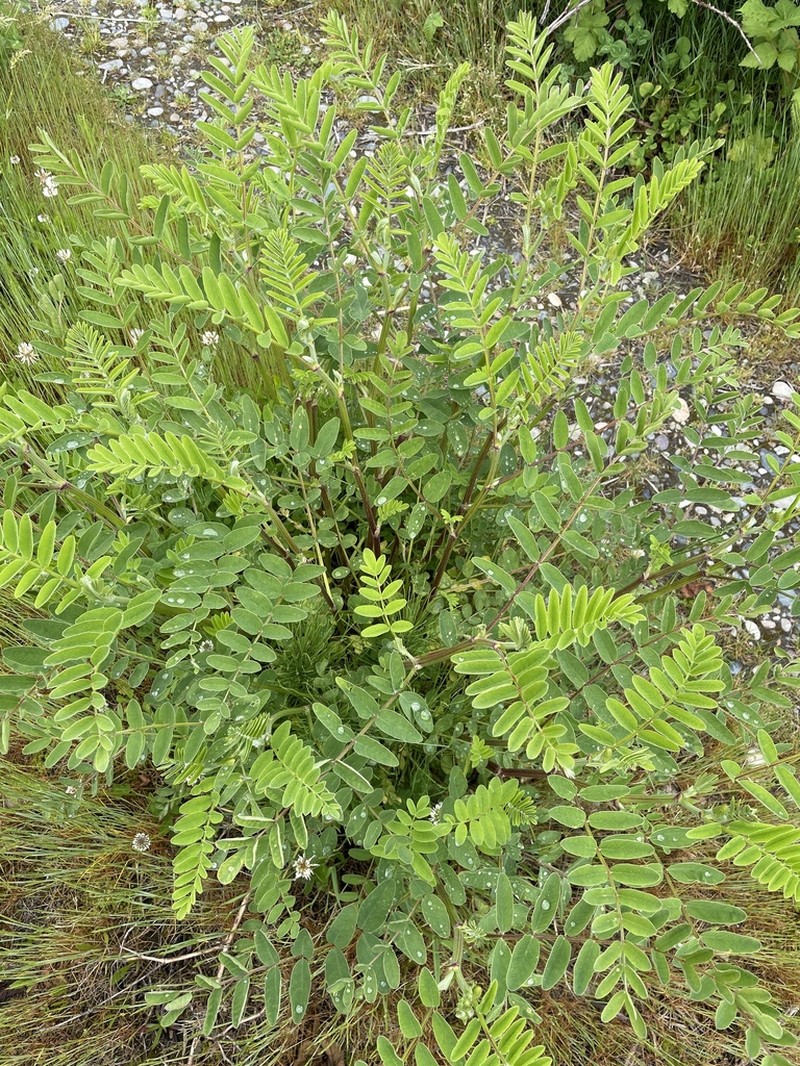
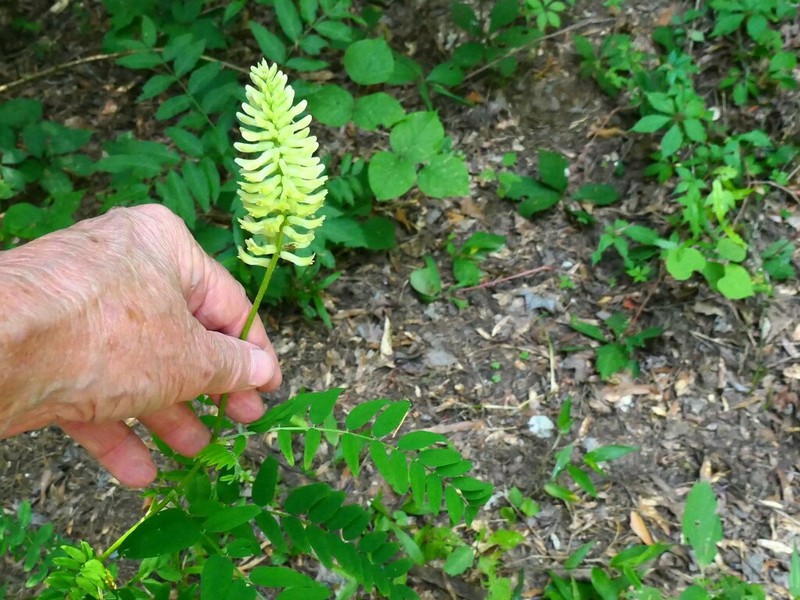
Taxonomy
- Division:
- Magnoliophyta | - Flowering plants
- Family:
- Fabaceae
- Genus:
- Astragalus
- Species:
- Astragalus canadensis
- USDA Symbol:
- ASCA11
Growth Characteristics
- Life Cycle:
- Perennial
- Growth Habit:
- Forb/herb
- Height:
- 150 cm
- Light Requirements:
- Full Sun,Part Shade
- Drought Tolerance:
- Medium
- Bloom Months:
- jun,jul,aug
- Bloom Colors:
- white, cream
Wildlife Benefits
- Bees:
- ★☆☆☆☆ Documented bee visitation (GBIF)
- Butterflies & Moths:
- ★☆☆☆☆ Documented Lepidoptera association (GBIF)
- Caterpillars:
- ★☆☆☆☆ Recorded caterpillar host plant (HOSTS Database)
Keystone Species Ranking
- Pollen Specialist Bee Keystone:
- ★★★☆☆ Native pollen specialist bee species supported by this genus (NWF)
Host Plant for Caterpillars
Reported Fauna Sightings
Garden & Ecology Notes
- Wildlife Value:
- bees, butterflies, small mammals
Soil Requirements
- Soil Type:
- rich, well-drained loamy soil
- pH:
- 6.0 - 7.5 (slightly acidic to neutral)
- Drainage:
- excellent drainage required
- Moisture:
- consistently moist
- Notes:
- prefers open, sunny locations
Propagation & Germination
- Stratification:
- Cold/moist stratification required — 30–60 days
- Scarification:
- Seed coat scarification required before sowing
- Germination Time:
- 14–30 days
- Notes:
- Seeds benefit from scarification (nicking or hot water) followed by cold stratification for 30-60 days.
Pre-treatment: Seeds are scarified
Establishment: The plant is commonly found in moist prairies, streambanks and woodlands from the eastern half of the United States to the great Plains and north into Alberta east to Ontario. Seeds are typically collected in small lots, around 0.4 pounds, and hand collected into paper bags.
Source: npn.rngr.net
ORGHPS Germination Guide: Sow @ 20°C. Seed germinates within 3 months Resents transplanting. Requires scarification. Nick or rub between sheets of sandpaper. Requires soaking. Place in warm water until seeds swell, usually 24-48 hours. Discard water and any seeds that remain floating. * better with inoculating agent, put in deep pot, protect from damping off
Where to Buy
Nationwide Seller
- Native Plants Nursery (nursery)
- Native Seed Group (seeds)
- Ernst Seeds (seeds)
- Prairie Moon Nursery (nursery and seeds)