
Salton Milkvetch
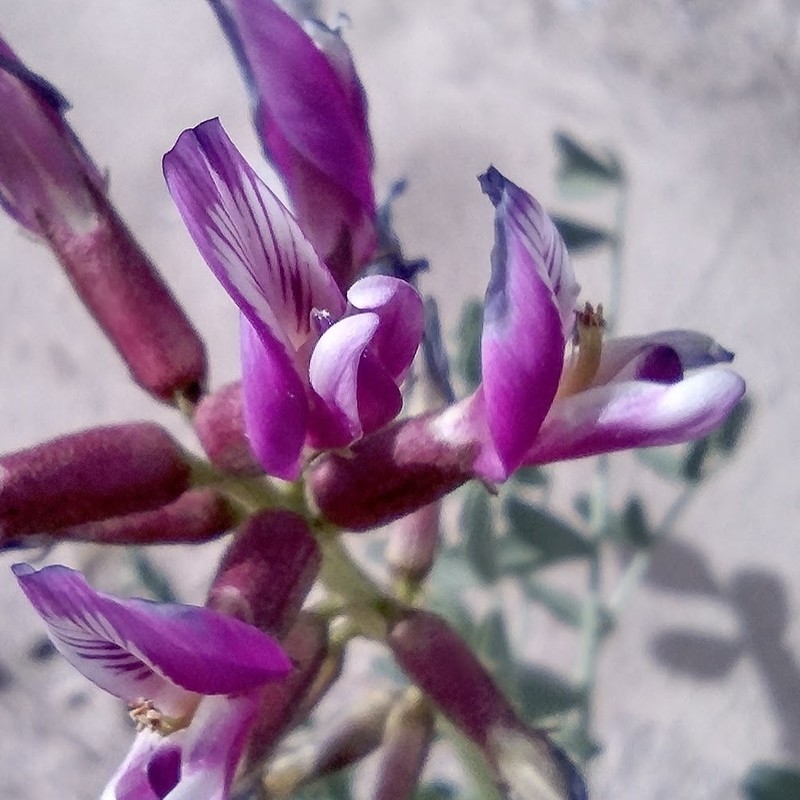
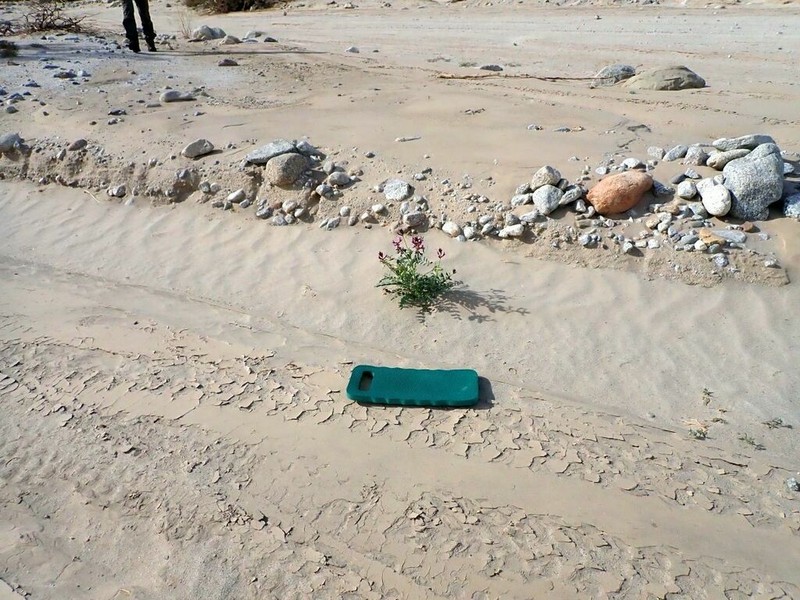
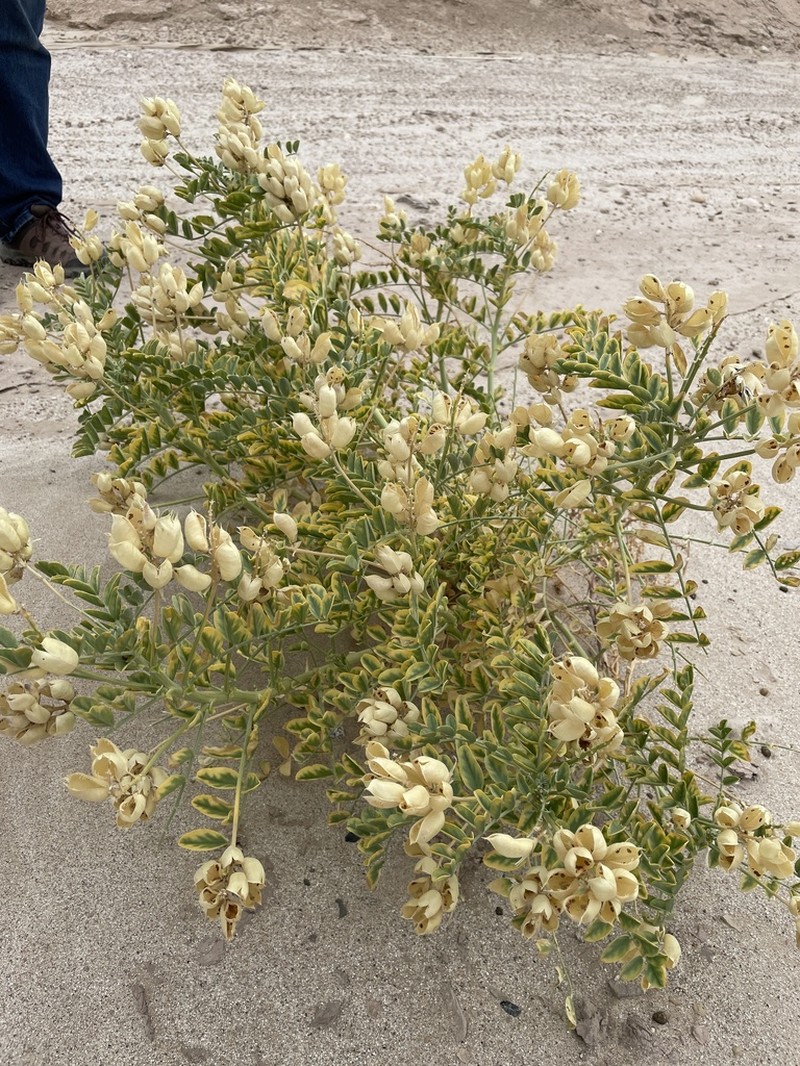
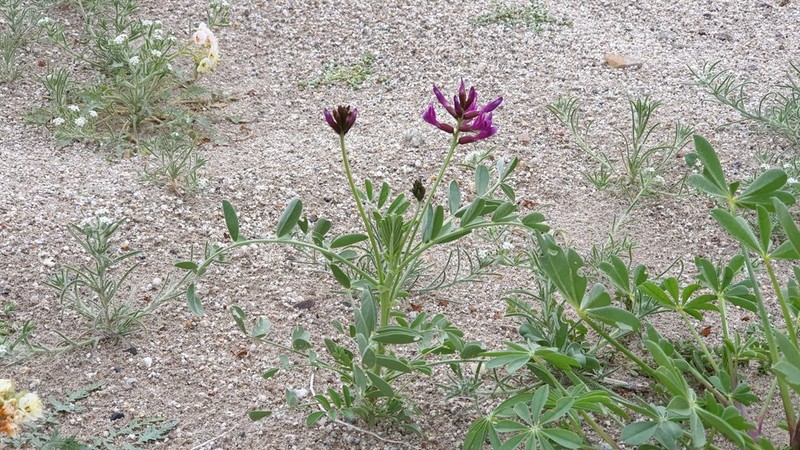
Astragalus crotalariae
- Native to:
- Mexico, United States
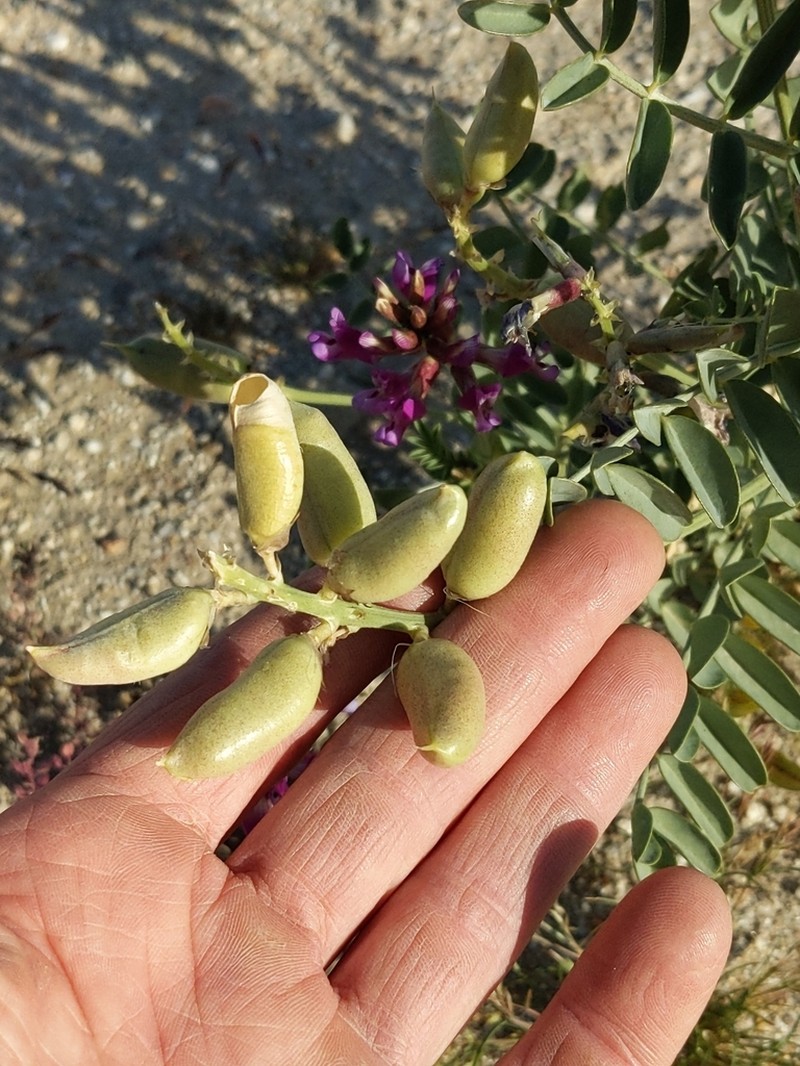
iNaturalist: © ddonovan17 (iNaturalist #152300118)
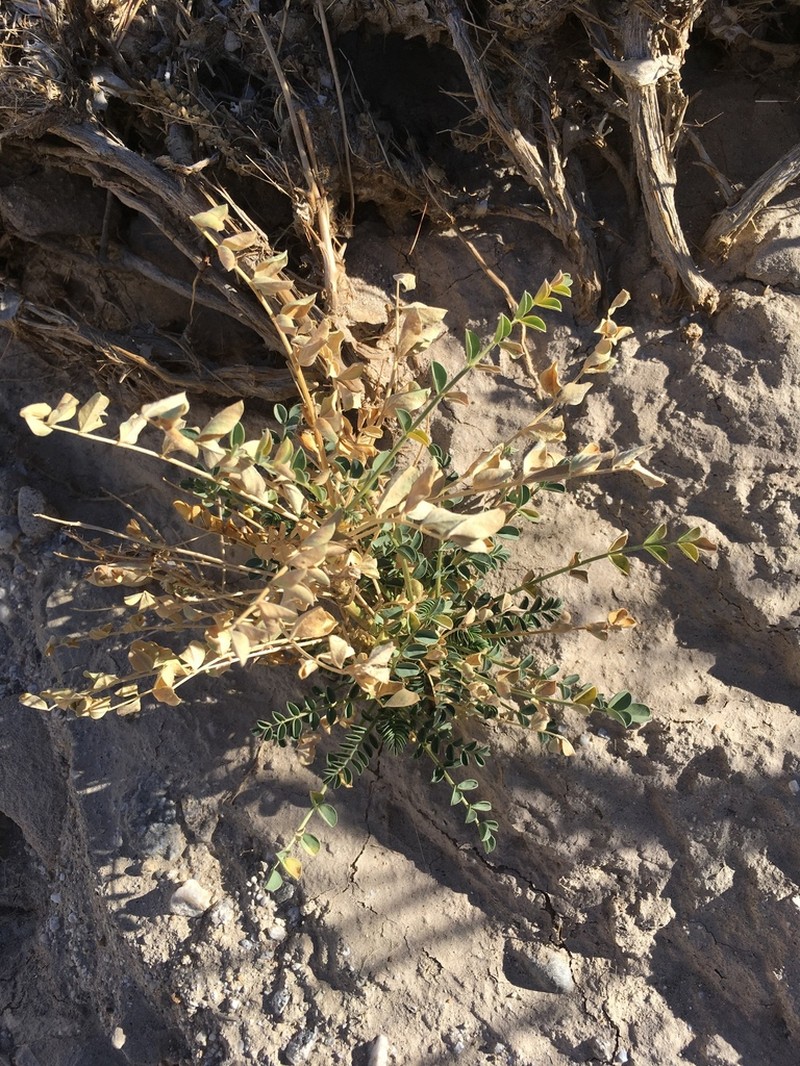
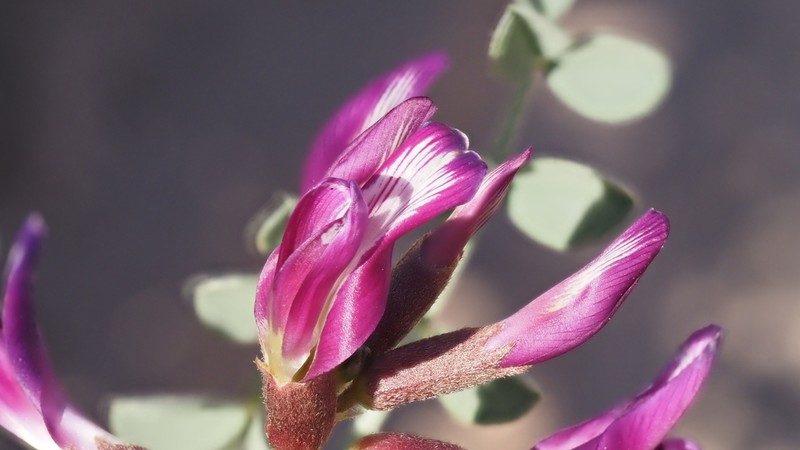
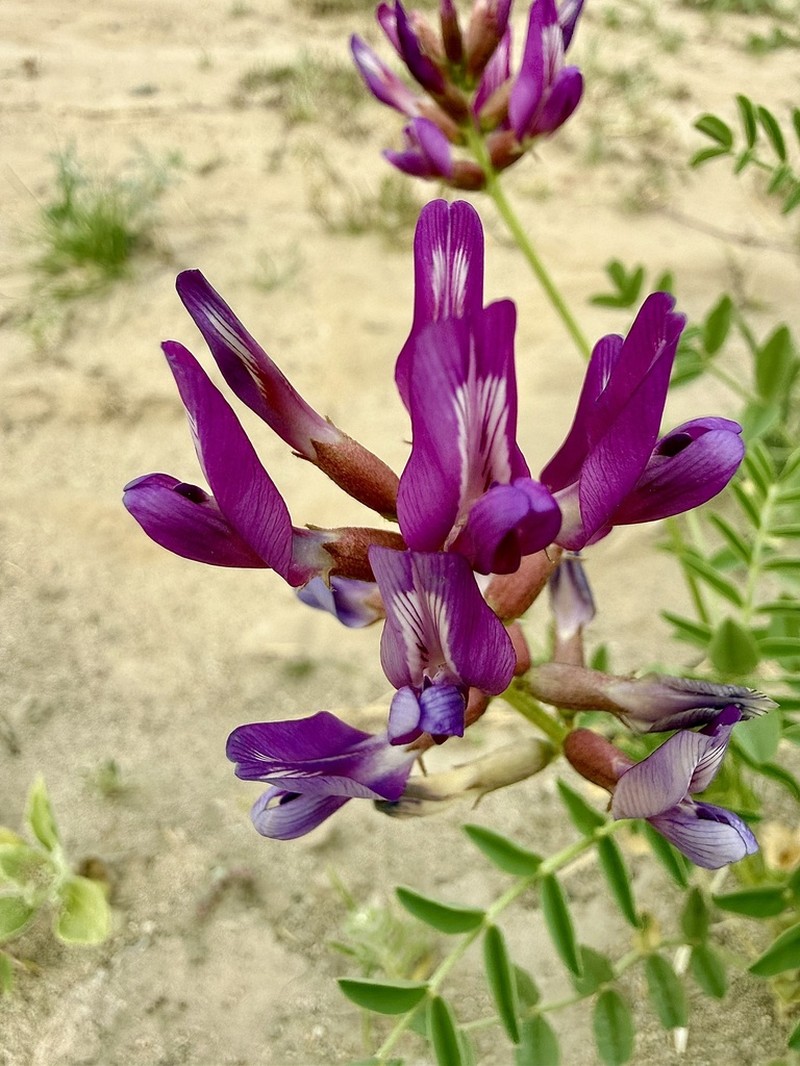
Taxonomy
- Division:
- Magnoliophyta | - Flowering plants
- Family:
- Fabaceae
- Genus:
- Astragalus
- Species:
- Astragalus crotalariae
- USDA Symbol:
- ASCR5
Growth Characteristics
- Life Cycle:
- Perennial
- Growth Habit:
- Forb/herb
- Height:
- 60 cm
- Light Requirements:
- Full Sun
- Drought Tolerance:
- High
- Bloom Months:
- mar,apr,may,jun
- Bloom Colors:
- purple, pink
Wildlife Benefits
- Bees:
- ★☆☆☆☆ Documented bee visitation (GBIF)
- Butterflies & Moths:
- ★☆☆☆☆ Documented Lepidoptera association (GBIF)
- Caterpillars:
- ★☆☆☆☆ Recorded caterpillar host plant (HOSTS Database)
Keystone Species Ranking
- Pollen Specialist Bee Keystone:
- ★★★☆☆ Native pollen specialist bee species supported by this genus (NWF)
Host Plant for Caterpillars
Alfalfa Looper (Autographa californica), Euxoa declarata, Orange Sulphur (Colias eurytheme), Queen Alexandra's Sulphur (Colias alexandra), Western Tailed-Blue (Everes amyntula)
Garden & Ecology Notes
- Wildlife Value:
- bees, butterflies
- Deer Resistant:
- Yes
Soil Requirements
- Soil Type:
- sandy, well-drained, nutrient-poor soil
- Drainage:
- excellent drainage required
- Moisture:
- dry to moderate
- Notes:
- native to arid regions; prefers open, sunny areas
Propagation & Germination
- Stratification:
- Cold/moist stratification required — 30–60 days
- Scarification:
- Seed coat scarification required before sowing
- Germination Time:
- 14–30 days
- Notes:
- Scarify seed coat and cold stratify for 30-60 days to break dormancy.