
European Milkvetch
Astragalus hamosus
- Native to:
- Albania, Algeria, Baleares, Bulgaria, Canary Is., Corse, Cyprus, East Aegean Is., Egypt, France, Greece, Gulf States, Iran, Iraq, Italy, Kazakhstan, Kriti, Krym, Kuwait, Lebanon-Syria, Libya, Madeira, Morocco, North Caucasus, NW. Balkan Pen., Oman, Pakistan, Palestine, Portugal, Romania, Russia, Sardegna, Saudi Arabia, Sicilia, Sinai, Spain, Transcaucasus, Tunisia, Türkiye, Türkiye-in-Europe, Turkmenistan
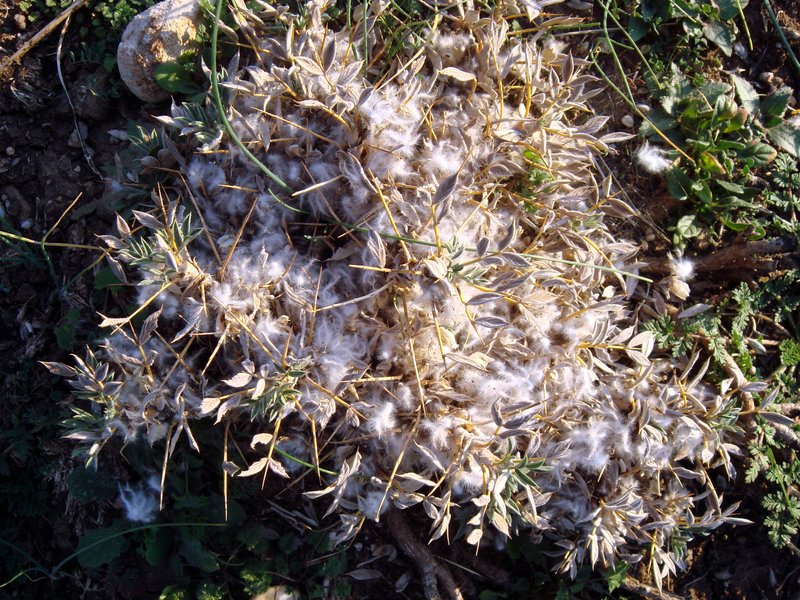
MikaelF
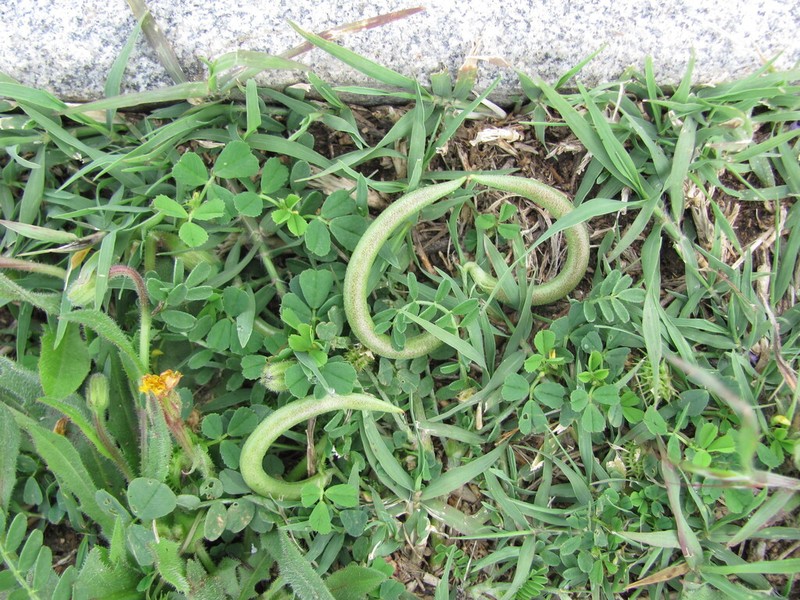
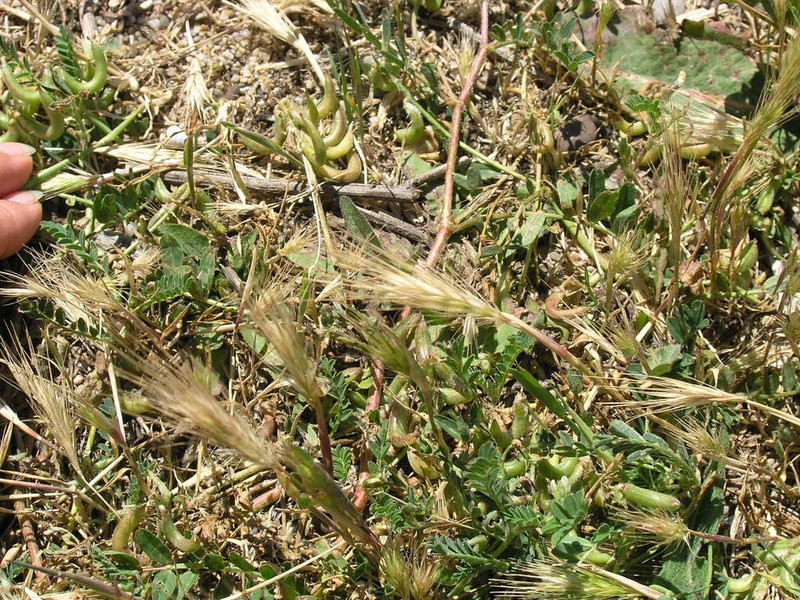
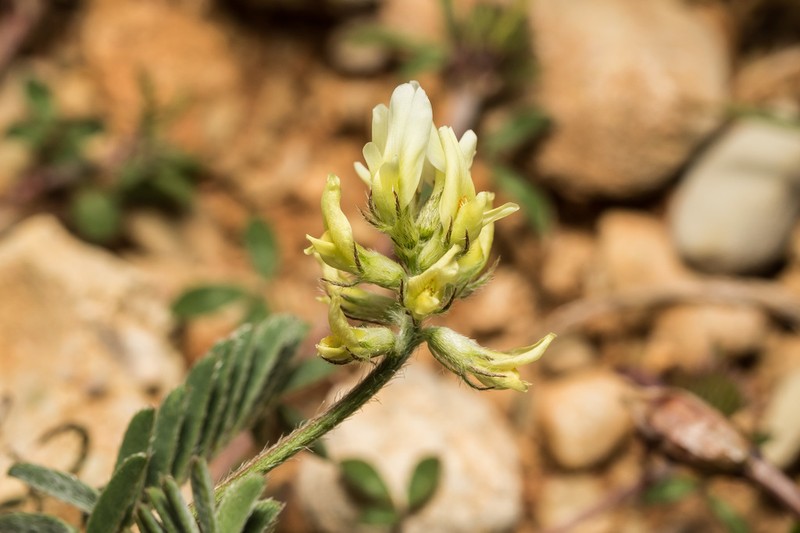
Taxonomy
- Division:
- Magnoliophyta | - Flowering plants
- Family:
- Fabaceae
- Genus:
- Astragalus
- Species:
- Astragalus hamosus
- USDA Symbol:
- ASHA13
Growth Characteristics
- Life Cycle:
- Annual
- Growth Habit:
- Forb/herb
- Height:
- 60 cm
- Light Requirements:
- Full Sun
- Drought Tolerance:
- High
- Bloom Months:
- apr,may,jun
- Bloom Colors:
- yellow, white
Wildlife Benefits
- Bees:
- ★☆☆☆☆ Documented bee visitation (GBIF)
- Butterflies & Moths:
- ★☆☆☆☆ Documented Lepidoptera association (GBIF)
Keystone Species Ranking
- Pollen Specialist Bee Keystone:
- ★★★☆☆ Native pollen specialist bee species supported by this genus (NWF)
Garden & Ecology Notes
- Wildlife Value:
- bees, butterflies
- Deer Resistant:
- Yes
Soil Requirements
- Soil Type:
- sandy, well-drained, nutrient-poor soil
- pH:
- 6.0 - 8.0 (neutral to slightly alkaline)
- Drainage:
- excellent drainage required
- Moisture:
- dry to moderate
- Notes:
- native to arid and semi-arid regions
Propagation & Germination
- Stratification:
- Cold/moist stratification required — 30–60 days
- Scarification:
- Seed coat scarification required before sowing
- Germination Time:
- 14–30 days
- Notes:
- Seeds benefit from scarification (nicking or hot water treatment) followed by cold stratification for 30-60 days to break dormancy.
ORGHPS Germination Guide: Put in deep pot; protect from damping off