
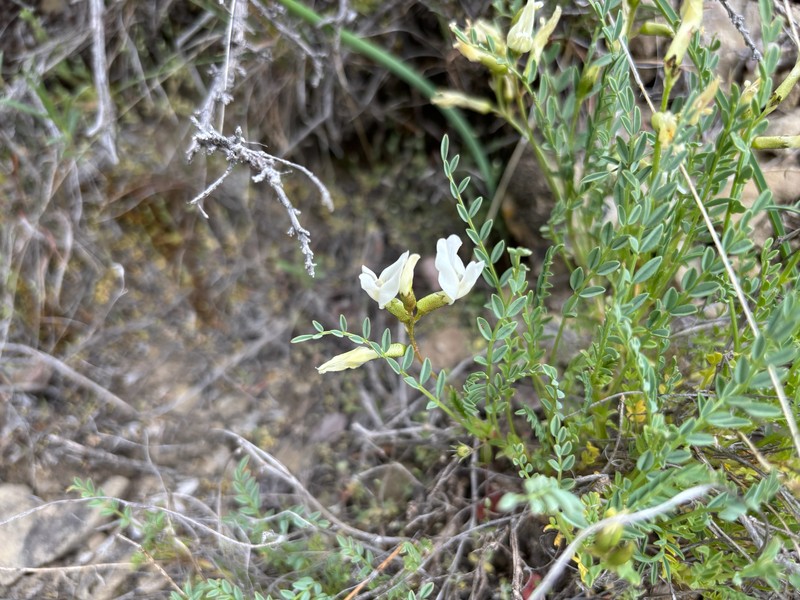
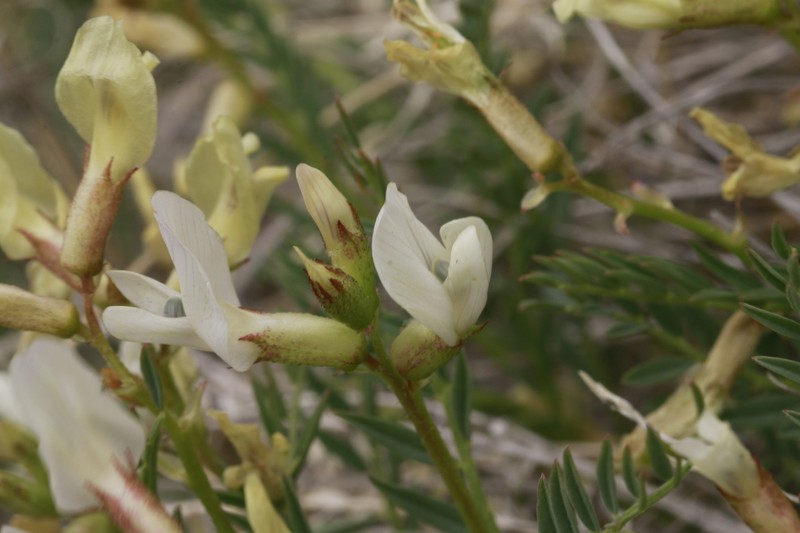
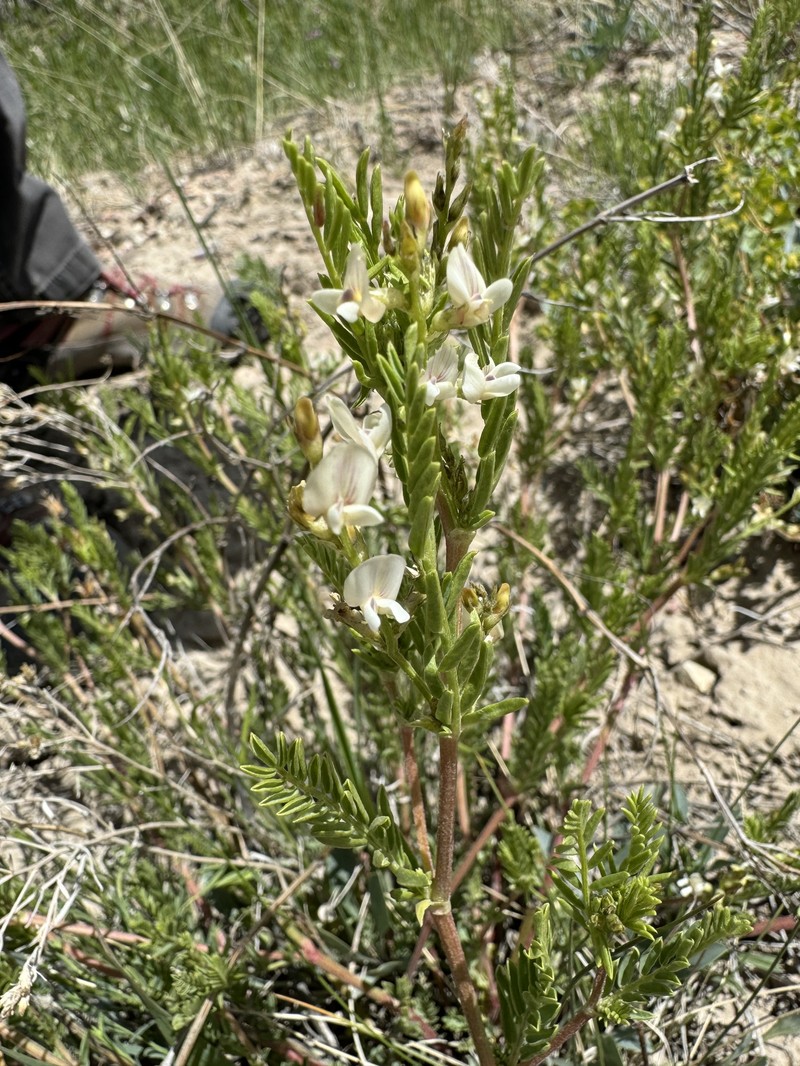
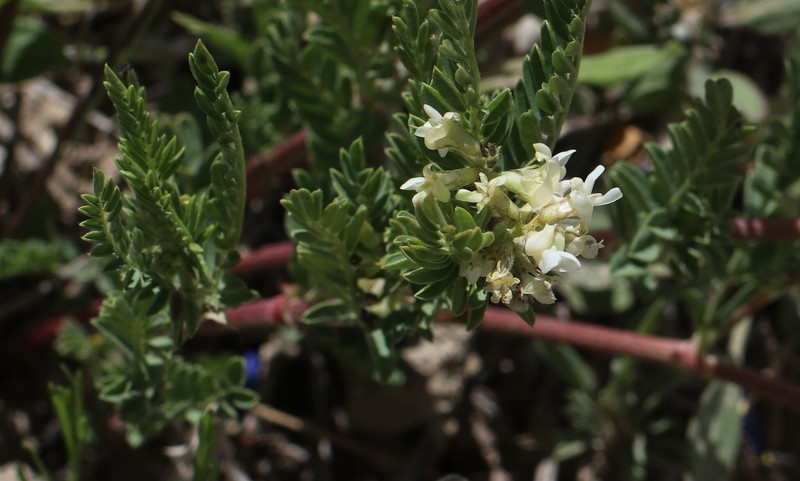
Looseflower Milkvetch
Astragalus tenellus
- Native to:
- Canada, Iran, United States
GBIF: Sequoia Janirella Wrens
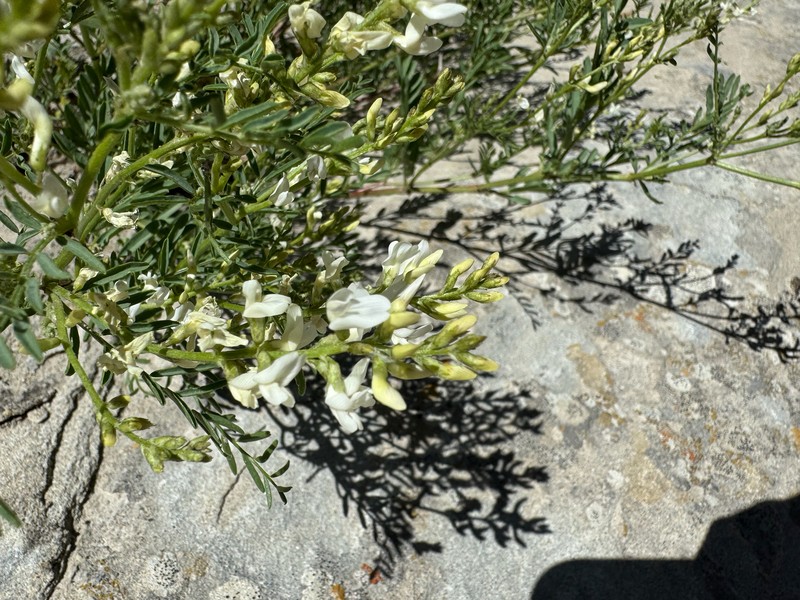
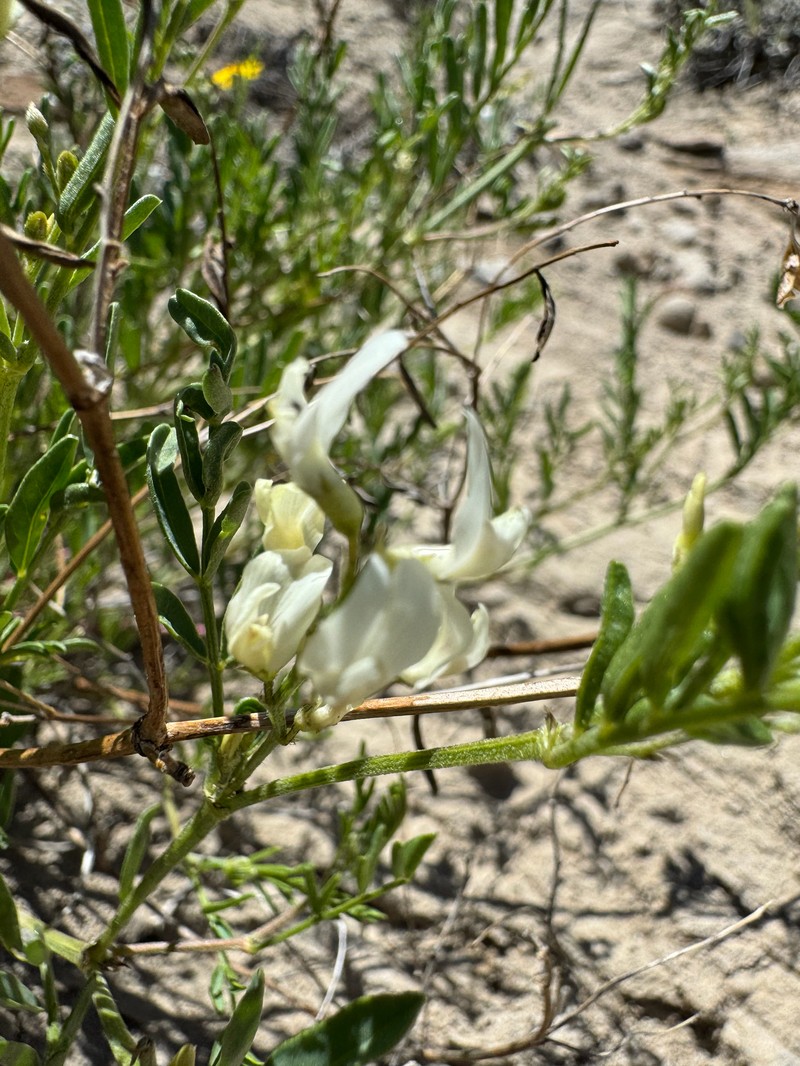
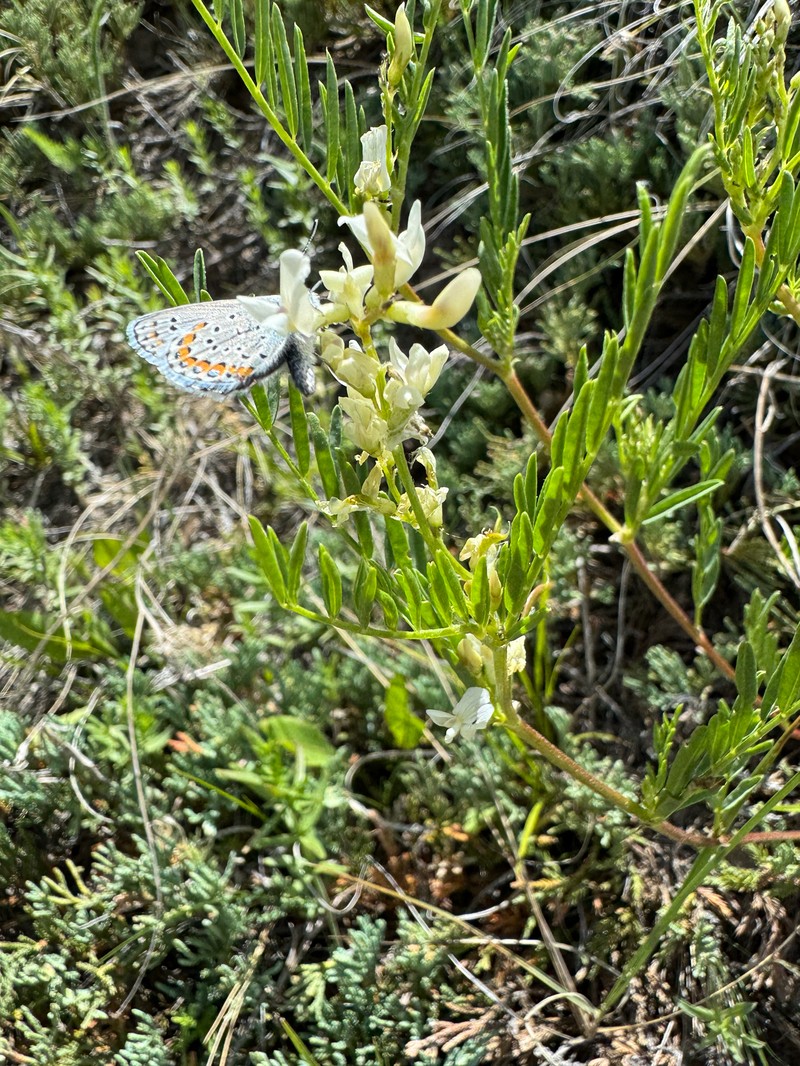
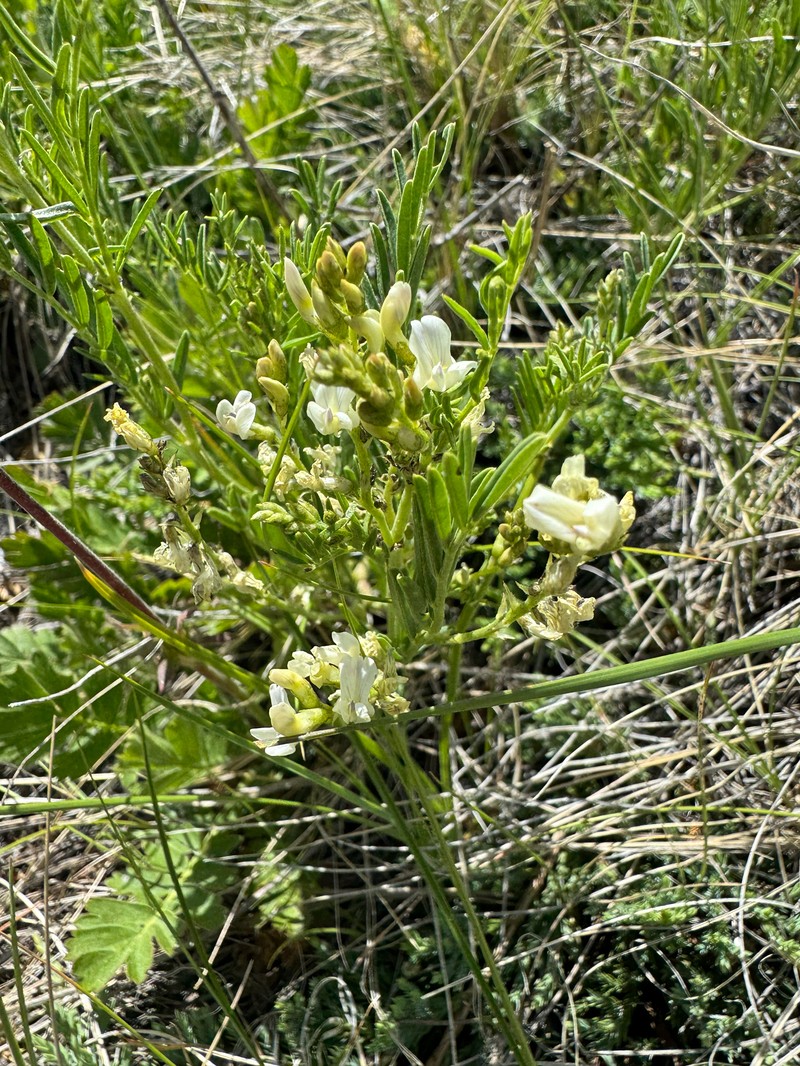
Taxonomy
- Division:
- Magnoliophyta | - Flowering plants
- Family:
- Fabaceae
- Genus:
- Astragalus
- Species:
- Astragalus tenellus
- USDA Symbol:
- ASTE5
Growth Characteristics
- Life Cycle:
- Perennial
- Growth Habit:
- Forb/herb
- Height:
- 60 cm
- Light Requirements:
- Full Sun
- Drought Tolerance:
- High
- Bloom Months:
- may,jun,jul,aug
- Bloom Colors:
- white, purple
Wildlife Benefits
- Butterflies & Moths:
- ★☆☆☆☆ Documented Lepidoptera association (GBIF)
Keystone Species Ranking
- Pollen Specialist Bee Keystone:
- ★★★☆☆ Native pollen specialist bee species supported by this genus (NWF)
Garden & Ecology Notes
- Wildlife Value:
- butterflies, small mammals
- Deer Resistant:
- Yes
Soil Requirements
- Soil Type:
- sandy, well-drained, nutrient-poor soil
- pH:
- 6.0 - 8.0 (slightly acidic to neutral)
- Drainage:
- excellent drainage required
- Moisture:
- dry to moderate
- Notes:
- Commonly found in arid and semi-arid regions.
Propagation & Germination
- Stratification:
- Cold/moist stratification required — 30–60 days
- Scarification:
- Seed coat scarification required before sowing
- Germination Time:
- 14–30 days
- Notes:
- Scarify seed coat and cold stratify for 30-60 days to break dormancy.