
Santa Barbara Milkvetch
Astragalus trichopodus
- Native to:
- Mexico, United States
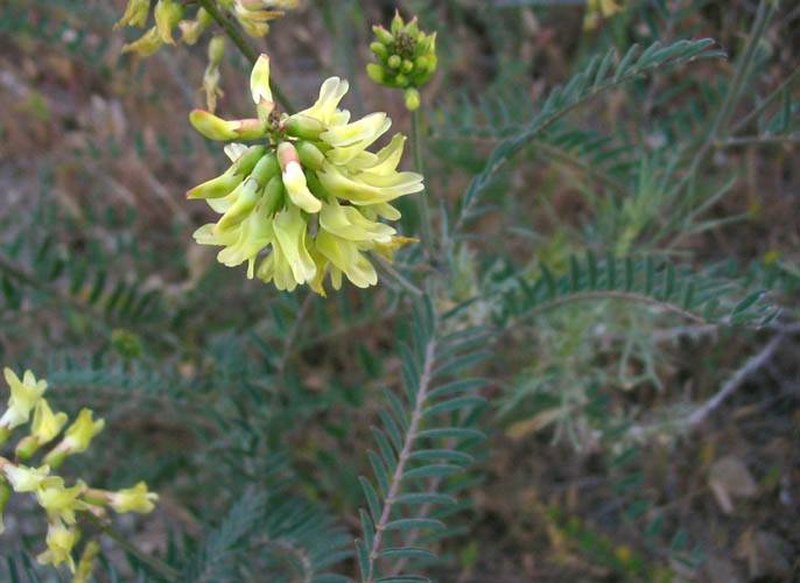
Source: Wikimedia | License: CC BY-SA 3.0 | Artist: <a href="//commons.wikimedia.org/wiki/User:Pkravchenko" title="User:Pkravchenko">Pkravchenko</a>
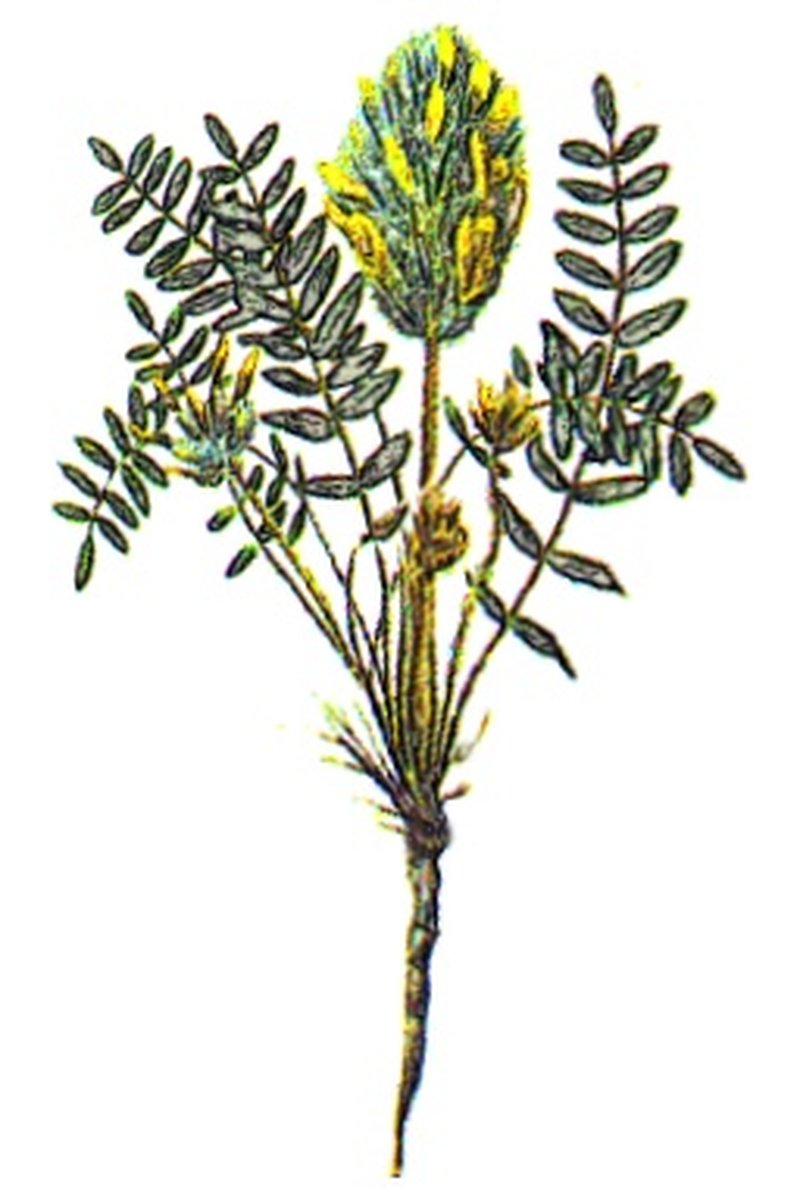
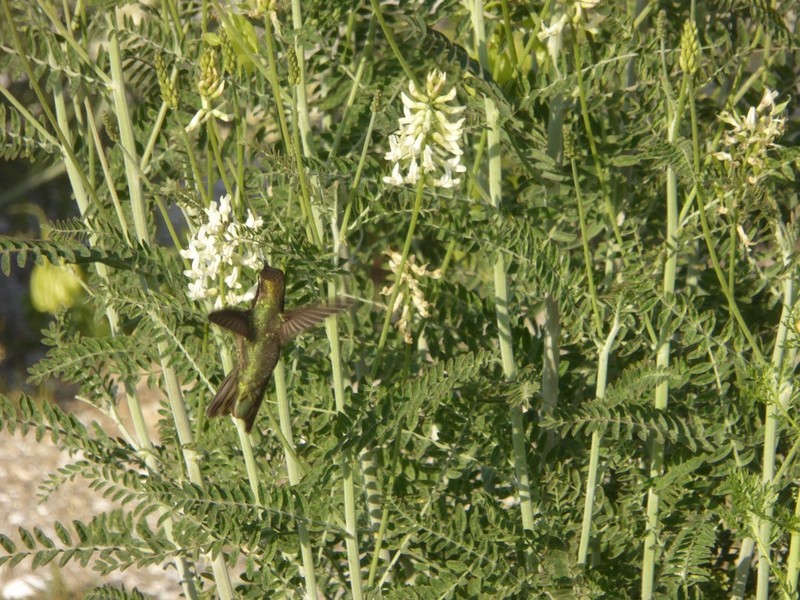
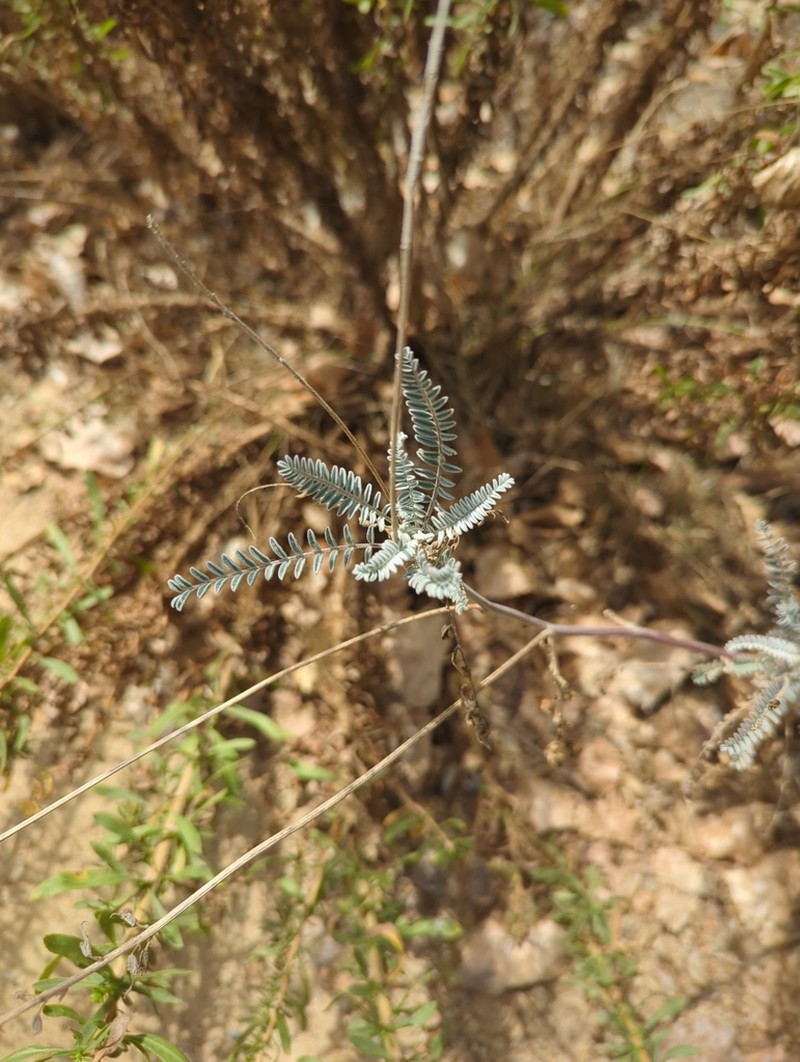
Taxonomy
- Division:
- Magnoliophyta | - Flowering plants
- Family:
- Fabaceae
- Genus:
- Astragalus
- Species:
- Astragalus trichopodus
- USDA Symbol:
- ASTR6
Growth Characteristics
- Life Cycle:
- Perennial
- Growth Habit:
- Forb/herb , Subshrub
- Height:
- 100 cm
- Light Requirements:
- Full Sun
- Drought Tolerance:
- High
- Bloom Months:
- mar,apr,may,jun
- Bloom Colors:
- white, cream, yellow
Wildlife Benefits
- Bees:
- ★★★★☆ Documented bee visitation (GBIF)
- Butterflies & Moths:
- ★☆☆☆☆ Documented Lepidoptera association (GBIF)
- Caterpillars:
- ★☆☆☆☆ Recorded caterpillar host plant (HOSTS Database)
Keystone Species Ranking
- Pollen Specialist Bee Keystone:
- ★★★☆☆ Native pollen specialist bee species supported by this genus (NWF)
Host Plant for Caterpillars
Christina's sulphur (Colias christina), Orange Sulphur (Colias eurytheme), Queen Alexandra's Sulphur (Colias alexandra), Silvery Blue (Glaucopsyche lygdamus)
Reported Fauna Sightings
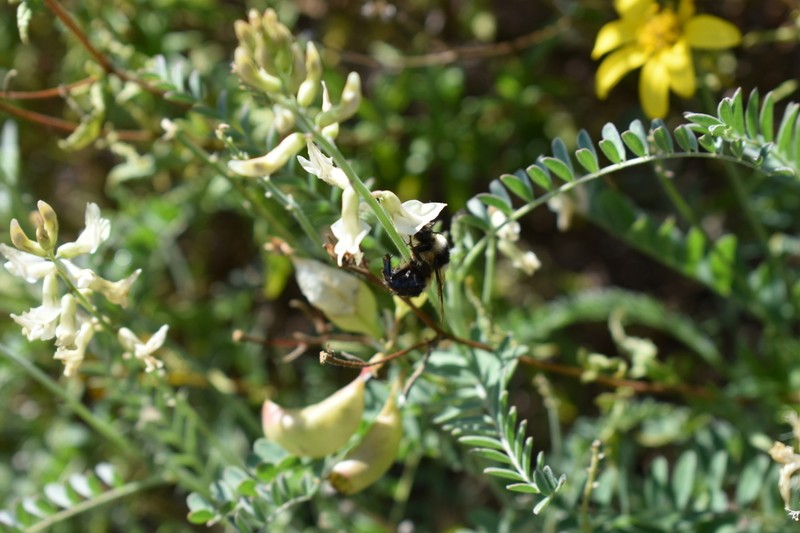
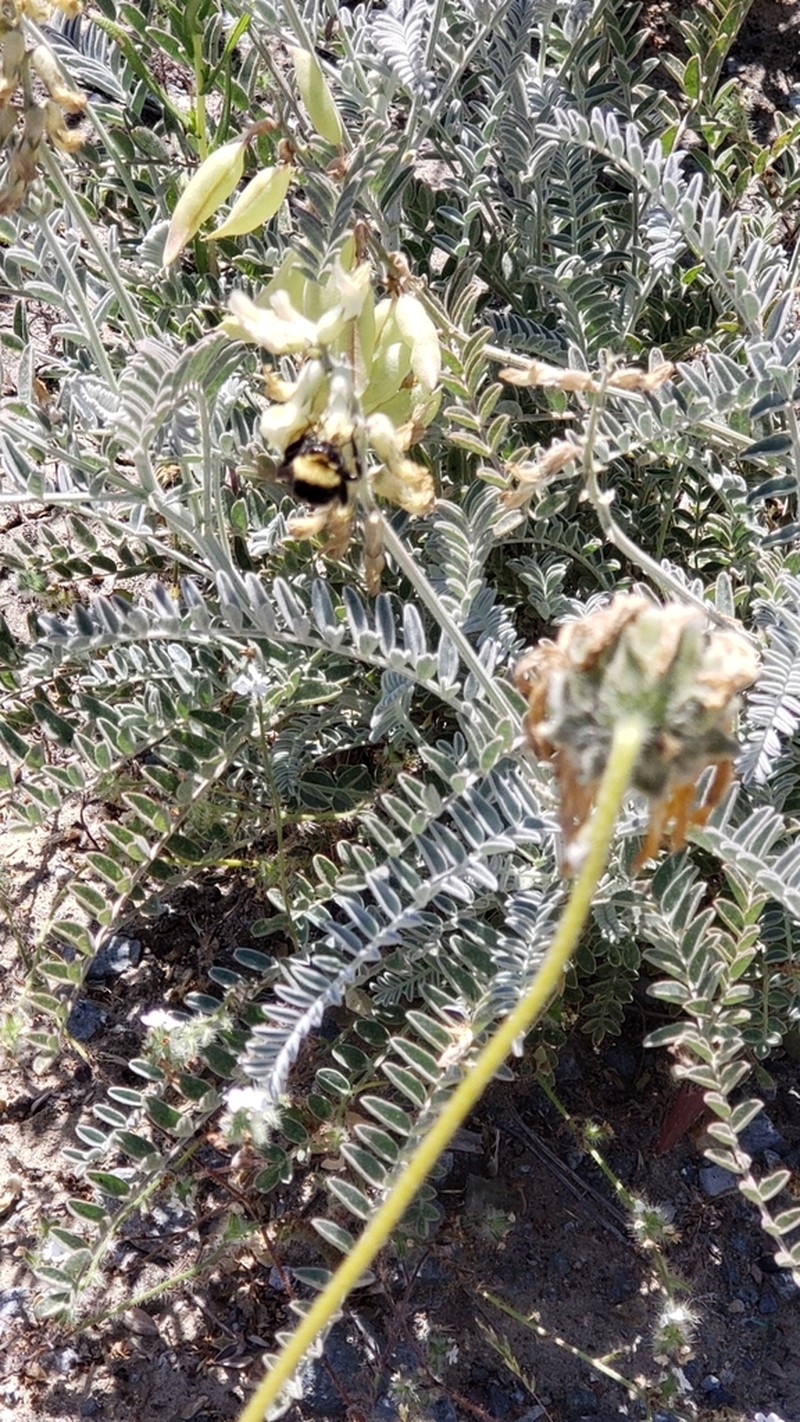
Bees: Anthophora californica, Bombus californicus, Yellow-faced bumble (Bombus vosnesenskii)
Garden & Ecology Notes
- Wildlife Value:
- bees, butterflies, small mammals
- Fire Ecology:
- Fire adapted — tolerates or benefits from fire
- Fire Notes:
- Resprouts after fire; seeds may be stimulated by heat or smoke.
Soil Requirements
- Soil Type:
- well-drained, sandy or gravelly soil
- pH:
- 6.0 - 8.0 (neutral to slightly alkaline)
- Drainage:
- excellent drainage required
- Moisture:
- dry to moderate
- Notes:
- native to arid and semi-arid regions
Propagation & Germination
- Stratification:
- Cold/moist stratification required — 30–60 days
- Scarification:
- Seed coat scarification required before sowing
- Germination Time:
- 14–30 days
- Notes:
- Seeds benefit from scarification (nicking or hot water) followed by cold stratification.