
St. John's Bread
Ceratonia siliqua
- Native to:
- Albania, Algeria, Cyprus, East Aegean Is., France, Greece, Iran, Italy, Kriti, Lebanon-Syria, Libya, Morocco, NW. Balkan Pen., Palestine, Sardegna, Sicilia, Sinai, Spain, Tunisia, Türkiye
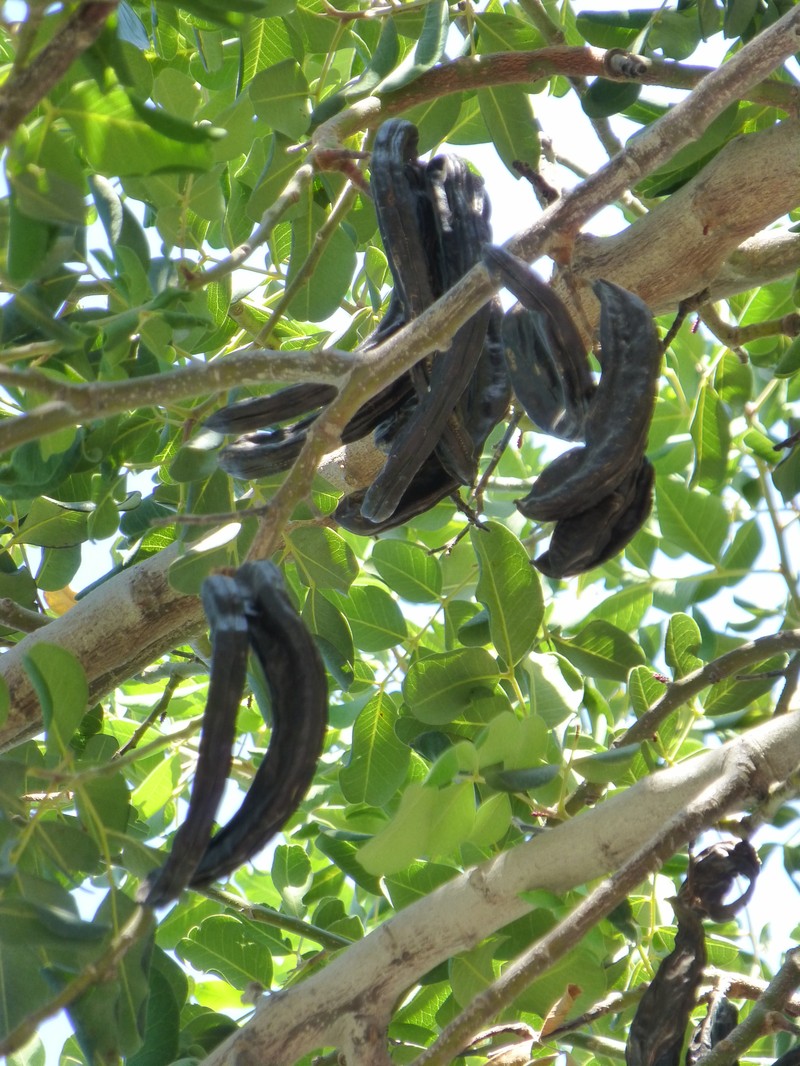
Nevit Dilmen ( talk )
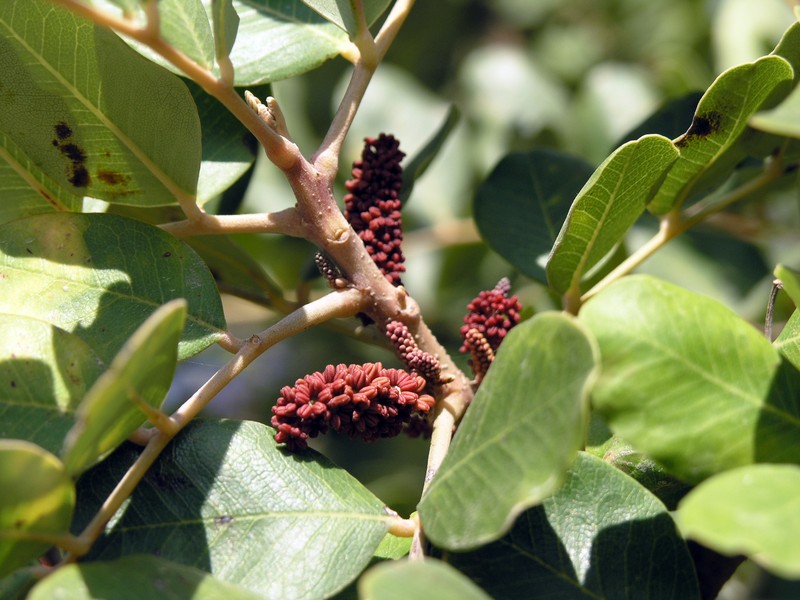
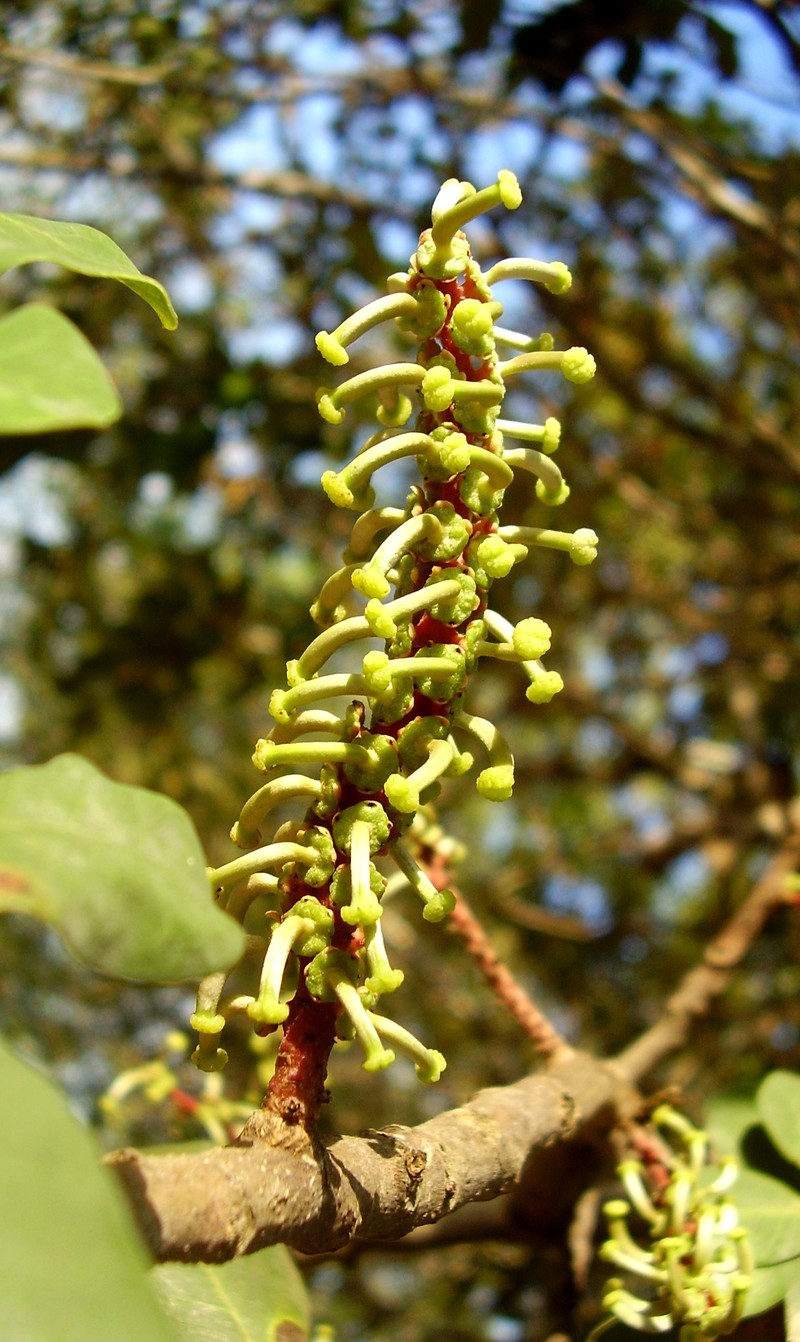
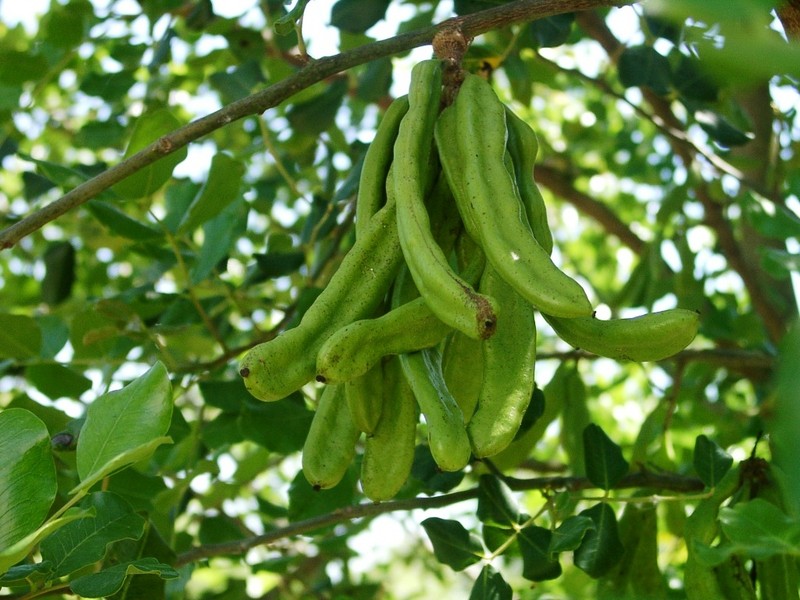
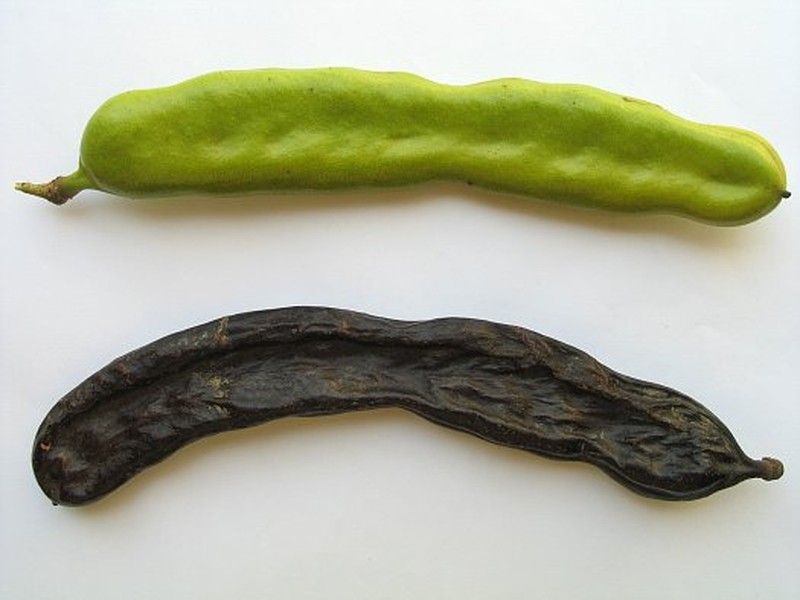
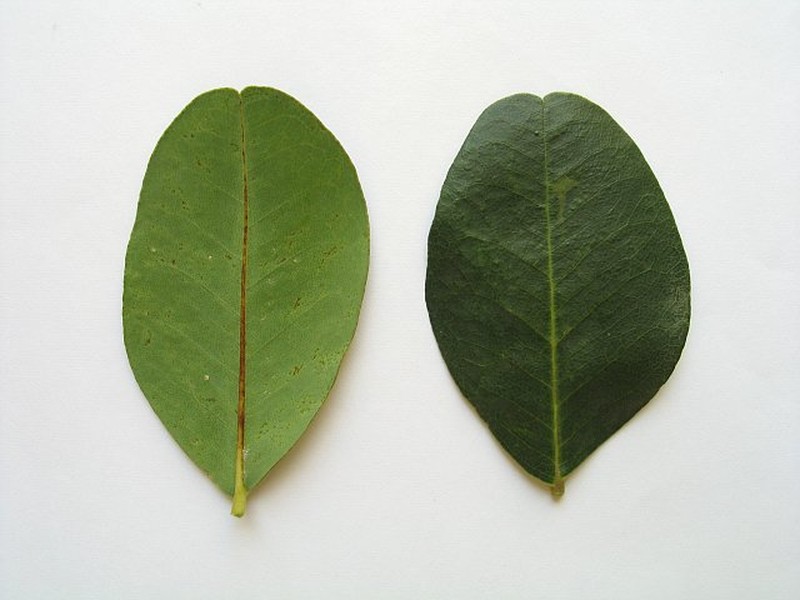
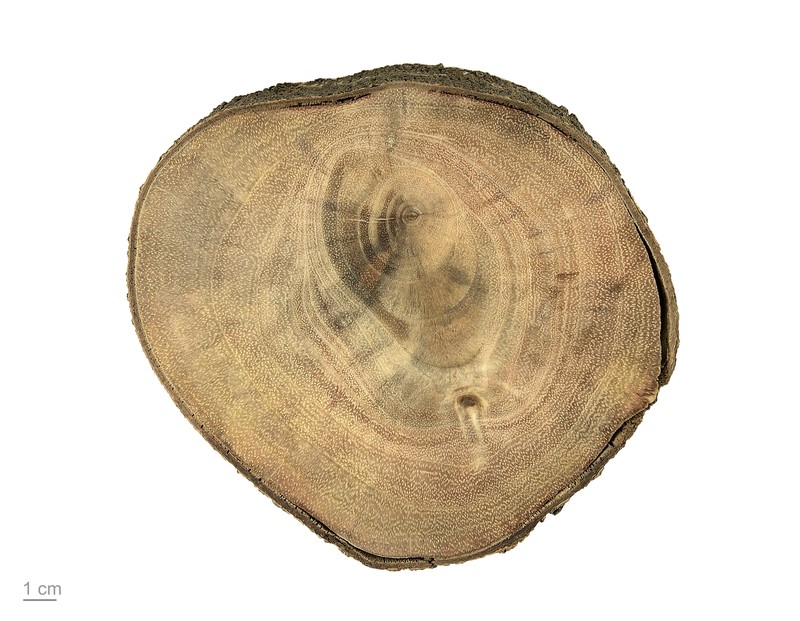
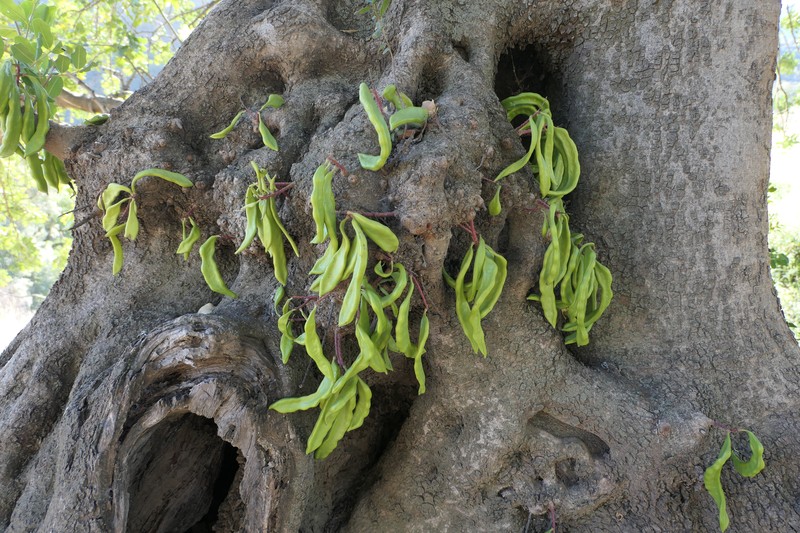
Taxonomy
- Division:
- Magnoliophyta | - Flowering plants
- Family:
- Fabaceae
- Genus:
- Ceratonia
- Species:
- Ceratonia siliqua
- USDA Symbol:
- CESI3
Growth Characteristics
- Life Cycle:
- Perennial
- Growth Habit:
- Tree
- Height:
- 1500 cm
- Light Requirements:
- Full Sun
- Drought Tolerance:
- High
- Bloom Months:
- sep,oct,nov
- Bloom Colors:
- red, green
Wildlife Benefits
- Butterflies & Moths:
- ★☆☆☆☆ Documented Lepidoptera association (GBIF)
- Caterpillars:
- ★☆☆☆☆ Recorded caterpillar host plant (HOSTS Database)
Host Plant for Caterpillars
Carob moth (Ectomyelois ceratoniae), Dried fruit moth (Cadra calidella), Ectomyelois decolor, Mussidia nigrivenella, stored nut moth (Paralipsa gularis)
Garden & Ecology Notes
- Wildlife Value:
- birds, small mammals
- Deer Resistant:
- Yes
- Salt Tolerant:
- Yes
Soil Requirements
- Soil Type:
- well-drained, rocky or sandy soil
- pH:
- 6.0 - 8.5 (neutral to slightly alkaline)
- Drainage:
- excellent drainage required
- Moisture:
- dry to moderate
- Notes:
- tolerates poor, calcareous soils
Propagation & Germination
- Stratification:
- Warm stratification required — 30–90 days
- Scarification:
- Seed coat scarification required before sowing
- Germination Time:
- 30–60 days
- Notes:
- Seeds require scarification (nicking or hot water treatment) followed by warm stratification for 1-3 months.
Where to Buy
Nationwide Seller
- Sheffield's Seed (seeds)