
California Redbud
Cercis orbiculata
- Native to:
- United States
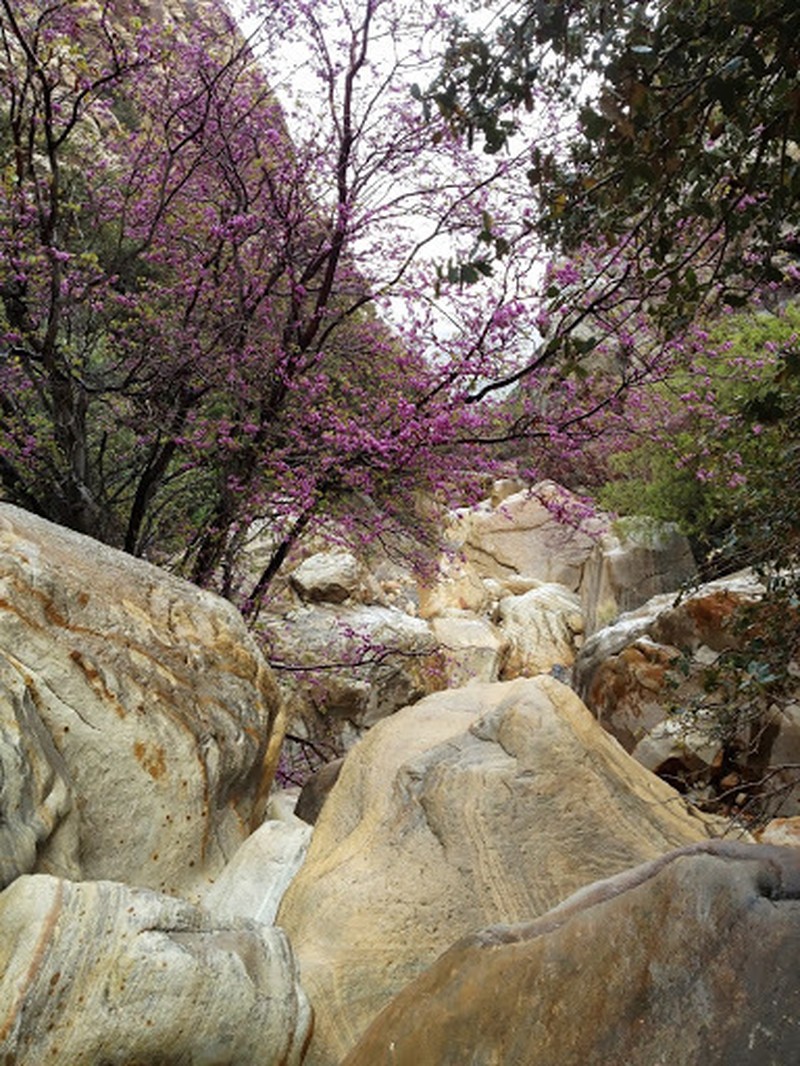
iNaturalist: © justin2 (iNaturalist #313768)
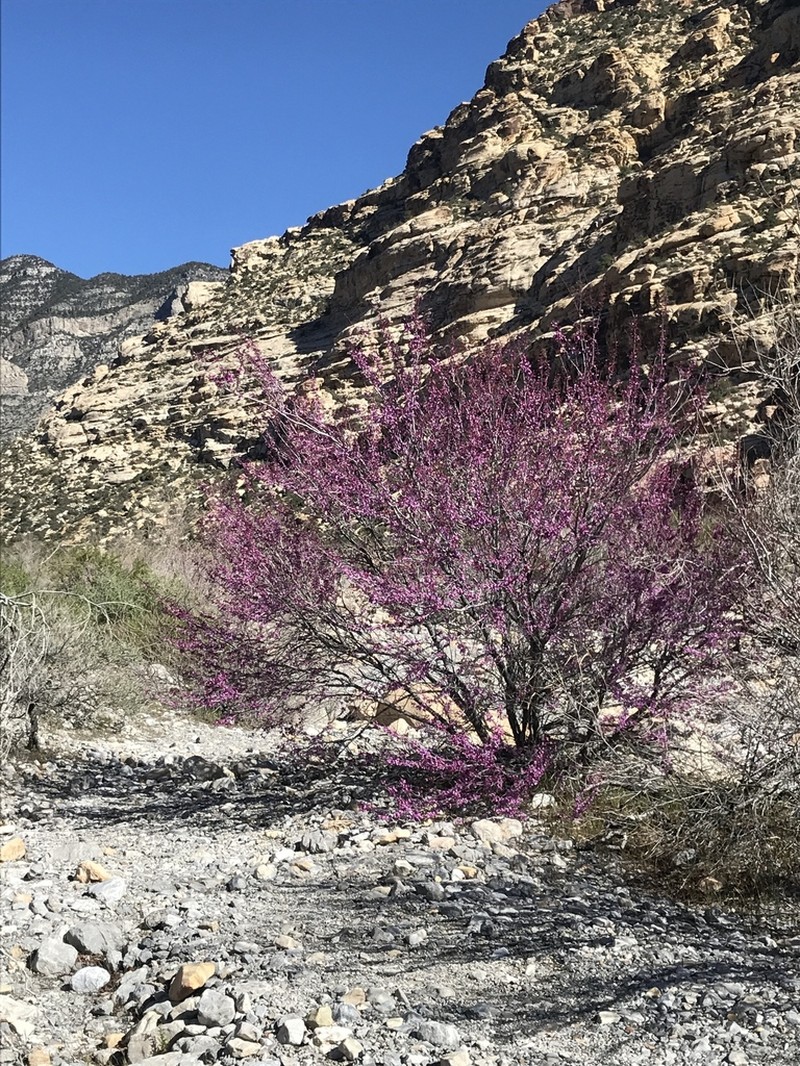
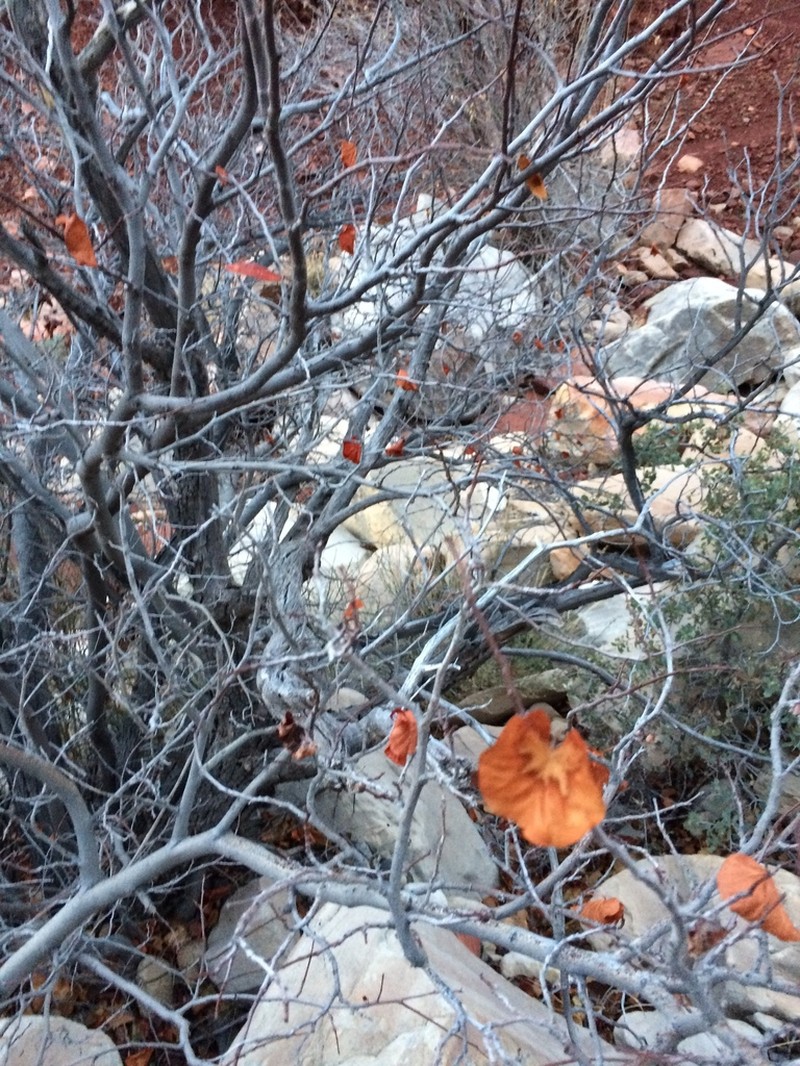
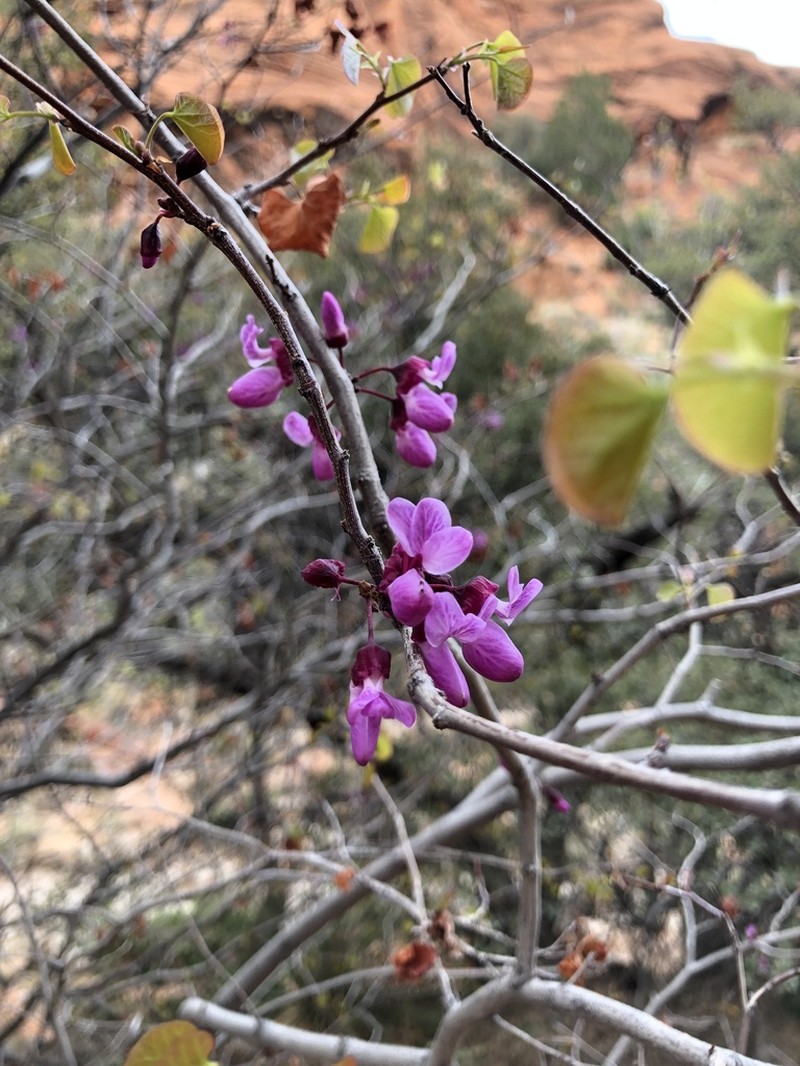
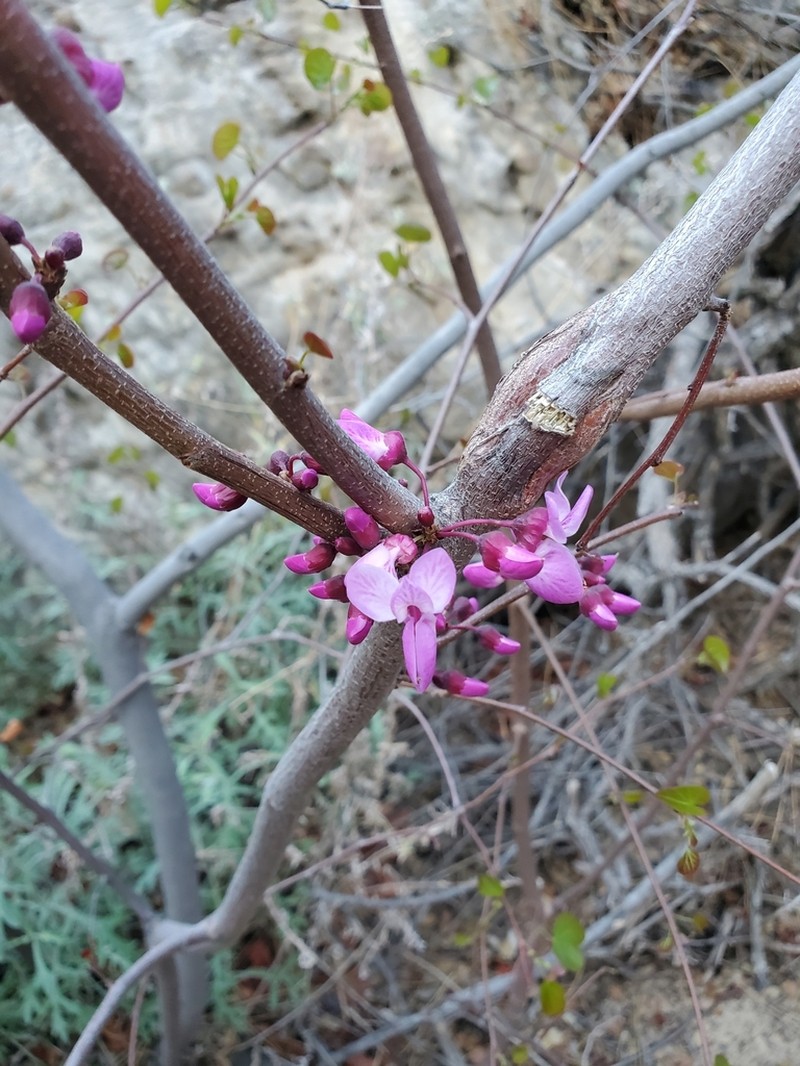
Taxonomy
- Division:
- Magnoliophyta | - Flowering plants
- Family:
- Fabaceae
- Genus:
- Cercis
- Species:
- Cercis orbiculata
- USDA Symbol:
- CEOR9
Growth Characteristics
- Life Cycle:
- Perennial
- Growth Habit:
- Shrub , Tree
- Height:
- 914 cm
- Light Requirements:
- Full Sun
- Drought Tolerance:
- Medium
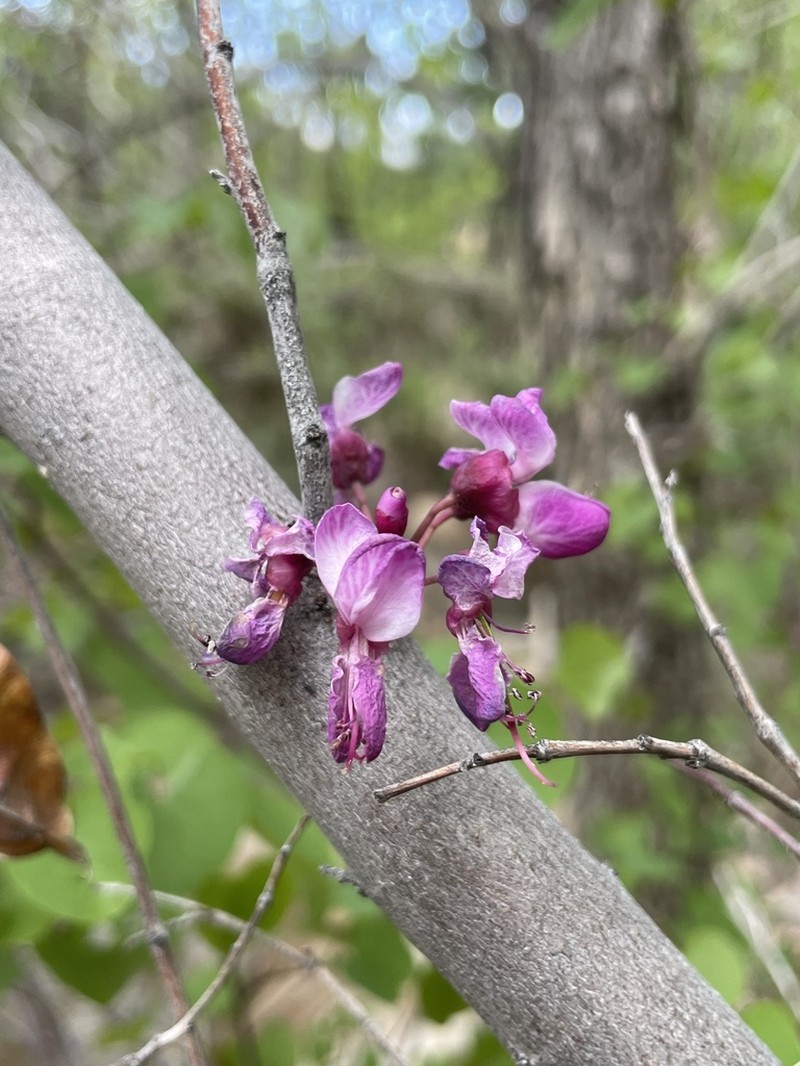
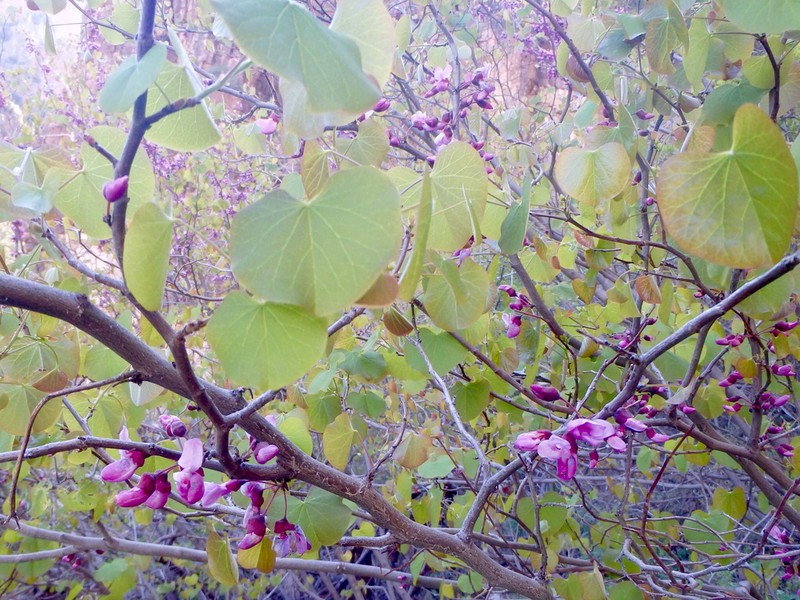
- Bloom Months:
- mar,apr,may
- Bloom Colors:
- pink, purple
Wildlife Benefits
- Butterflies & Moths:
- ★☆☆☆☆ Documented Lepidoptera association (GBIF)
- Caterpillars:
- ★★★☆☆ Recorded caterpillar host plant (HOSTS Database)
Keystone Species Ranking
- Caterpillar Keystone:
- ★★★☆☆ Butterfly & moth species supported by this genus (NWF)
Host Plant for Caterpillars
American Dagger Moth (Acronicta americana), Automeris zephyria, Cecropis moth (Automeris cecrops), Copper Underwing (Amphipyra tragopoginis), Copper Underwing (Amphipyra pyramidoides), Eastern Tent Caterpillar (Malacosoma americana), Fall webworm (Hyphantria cunea), Fascista cercerisella, fruit-tree leafroller (Archips argyrospila), Io moth (Automeris io), Louisiana eyed silkmoth (Automeris louisiana), Morning-glory prominent moth (Schizura ipomoeae), Red-washed Prominent (Oligocentria semirufescens), Sosipatra thurberiae, Spotted Tussock Moth (Lophocampa maculata), Western tent caterpillar (Malacosoma californica), white flannel moth (Norape ovina), White-marked Tussock Moth (Orgyia leucostigma), Henry's Elfin (Incisalia henrici), Spicebush Swallowtail (Papilio troilus)
Garden & Ecology Notes
- Wildlife Value:
- birds, butterflies, small mammals
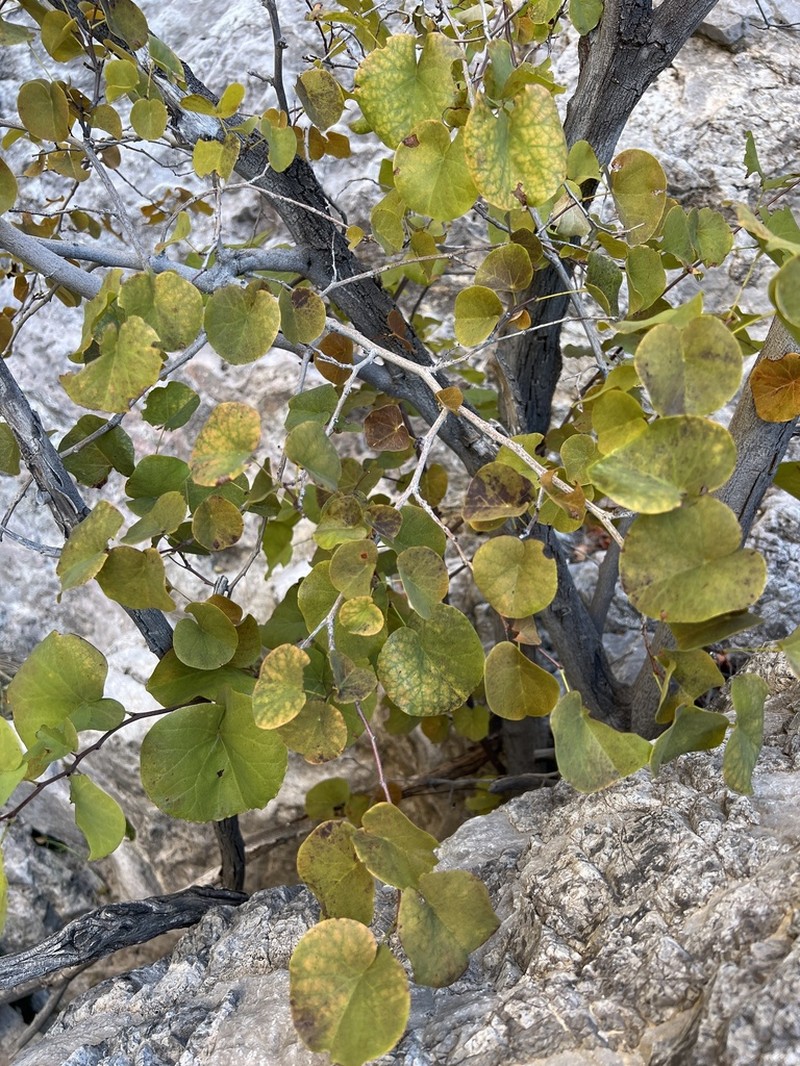
- Fall Color:
- yellow
Soil Requirements
- Soil Type:
- rocky, well-drained, nutrient-poor soil
- pH:
- 6.0 - 7.5 (slightly acidic to neutral)
- Drainage:
- excellent drainage required
- Moisture:
- dry to moderate
- Notes:
- native to rocky slopes and chaparral areas
Propagation & Germination
- Stratification:
- Cold/moist stratification required — 60–90 days
- Scarification:
- Seed coat scarification required before sowing
- Germination Time:
- 30–60 days
- Notes:
- Seeds require scarification (nicking or hot water treatment) followed by cold stratification for 60-90 days to break dormancy.
Pre-treatment: Hot water soaking treatment. 200F water is poured over seed to crack seed coat. Seed is left to soak in water overnight, then near boiling water is again poured over seed & left to soak. Continue to soak seed in fresh water for four more days, allowing seeds to imbibe water. Refresh water each day. Floating seeds are not viable and should be removed.
Establishment: Seeds collected from Sequoia & Kings Canyon National Park, Ash Mountain, Buckeye Housing. Plant is generally found on dry, shrubby slopes, canyons, ravines, stream banks, chaparral, foothill woodlands to yellow pine forests throughout California Floristic Province.
Source: npn.rngr.net
Where to Buy
Nationwide Seller
- Sheffield's Seed (seeds)