
Crotalaria medicaginea
Crotalaria medicaginea
- Native to:
- Afghanistan, Australia, Bangladesh, China, Gulf States, India, Jawa, Laccadive Is., Laos, Lesser Sunda Is., Myanmar, Nepal, New Guinea, Oman, Pakistan, Sri Lanka, Taiwan, Thailand, Vietnam
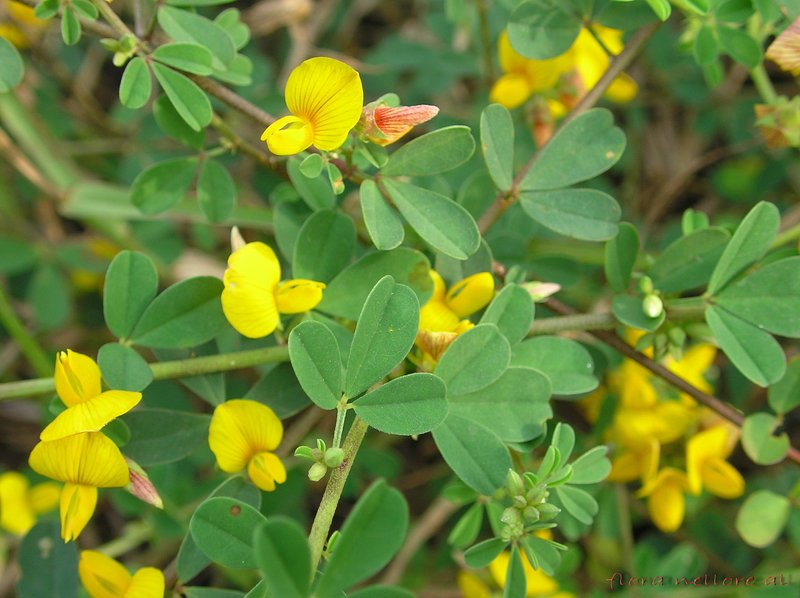
Lalithamba (www.flickr.com),Mark Marathon,Mark Marathon,Dinesh Valke (www.flickr.com) from Thane, India,Dinesh Valke (www.flickr.com) from Thane, India,Dinesh Valke (www.flickr.com) from Thane, India,Mark Marathon,Dinesh Valke (www.flickr.com) from Thane, India,Dinesh Valke (www.flickr.com) from Thane, India,Dinesh Valke (www.flickr.com) from Thane, India,Dinesh Valke (www.flickr.com) from Thane, India,Dinesh Valke (www.flickr.com) from Thane, India

Taxonomy
- Division:
- Magnoliophyta | - Flowering plants
- Family:
- Fabaceae
- Genus:
- Crotalaria
- Species:
- Crotalaria medicaginea
- USDA Symbol:
- CRME13
Growth Characteristics
- Height:
- 100 cm
- Light Requirements:
- Full Sun
- Drought Tolerance:
- High
- Bloom Months:
- apr,may,jun,jul,aug,sep
- Bloom Colors:
- yellow
Garden & Ecology Notes
- Wildlife Value:
- bees, butterflies
Soil Requirements
- Soil Type:
- well-drained, sandy loam soil
- pH:
- 5.5 - 7.5 (slightly acidic to neutral)
- Drainage:
- excellent drainage required
- Moisture:
- dry to moderate
- Notes:
- native to regions with seasonal rainfall
Propagation & Germination
- Scarification:
- Seed coat scarification required before sowing
- Germination Time:
- 7–30 days
- Notes:
- Seeds benefit from scarification (nicking or hot water treatment) to break hard seed coat.