
Rattleweed
Crotalaria retusa
- Native to:
- Bangladesh, Bismarck Archipelago, Borneo, Cambodia, China, Comoros, Hainan, India, Iran, Jawa, Kenya, Laccadive Is., Laos, Lesser Sunda Is., Madagascar, Malawi, Malaya, Maldives, Maluku, Mauritius, Mozambique, Myanmar, Navassa Island, Nepal, New Guinea, Oman, Philippines, Réunion, Rodrigues, Saudi Arabia, Somalia, Sri Lanka, Sumatera, Taiwan, Tanzania, Thailand, Vietnam, Yemen
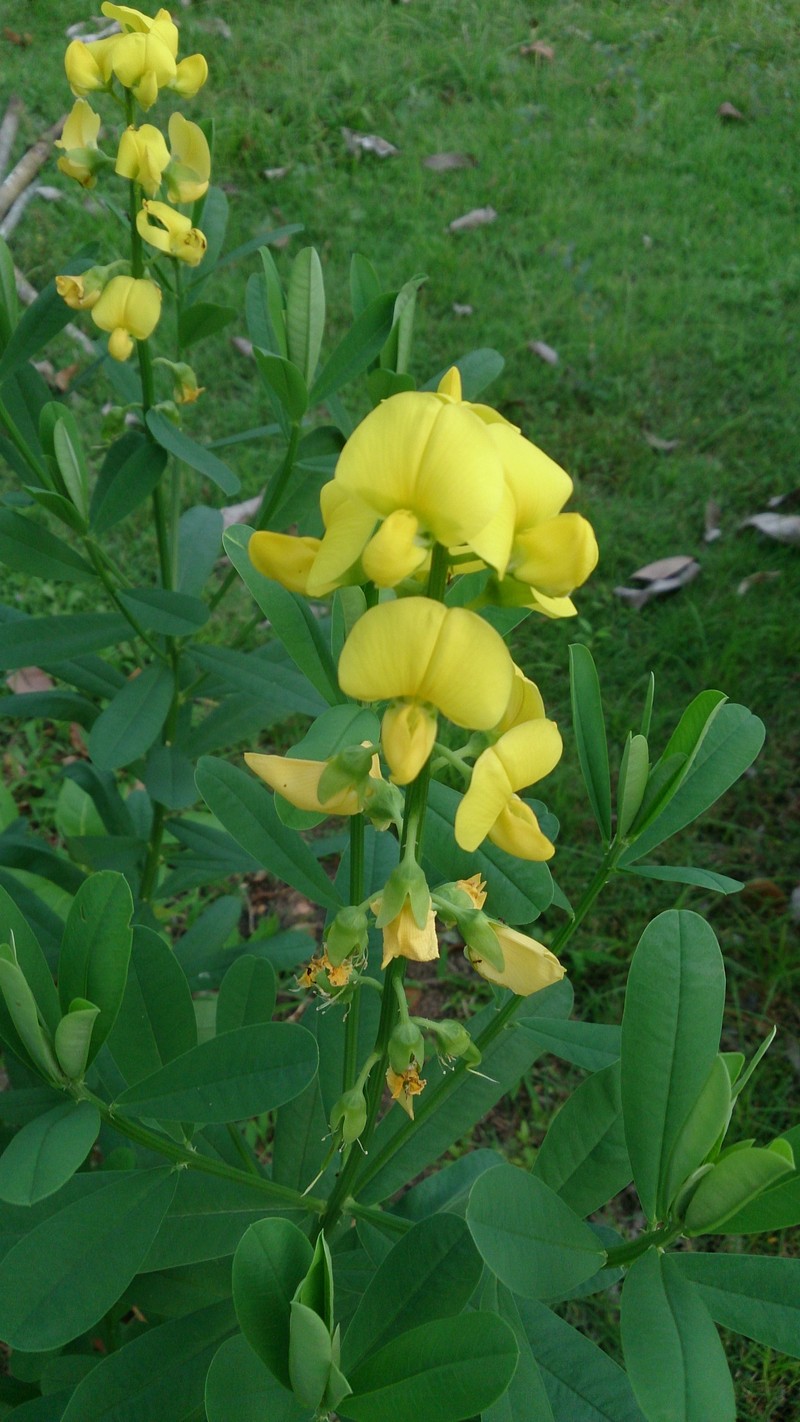
Roger Culos
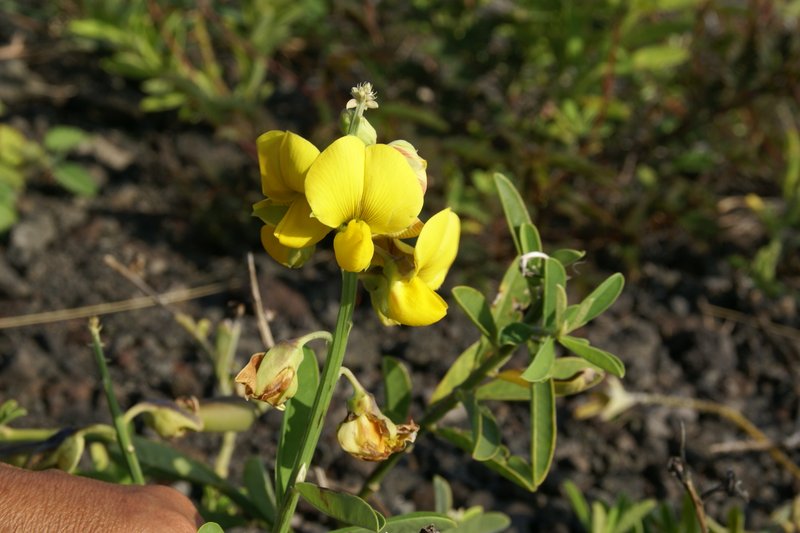
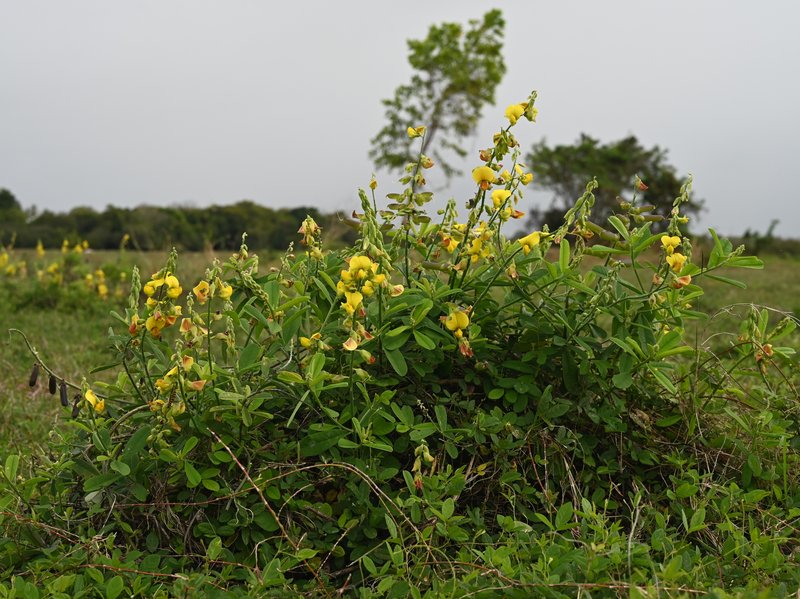
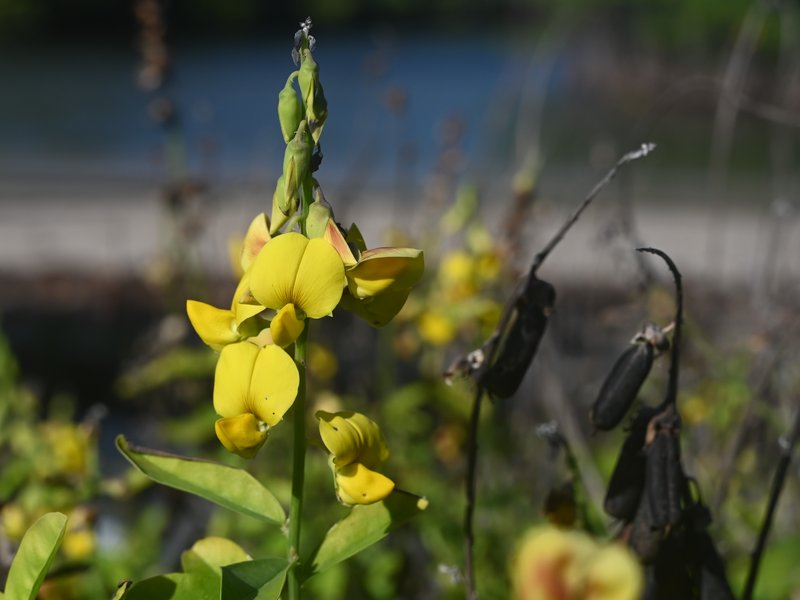
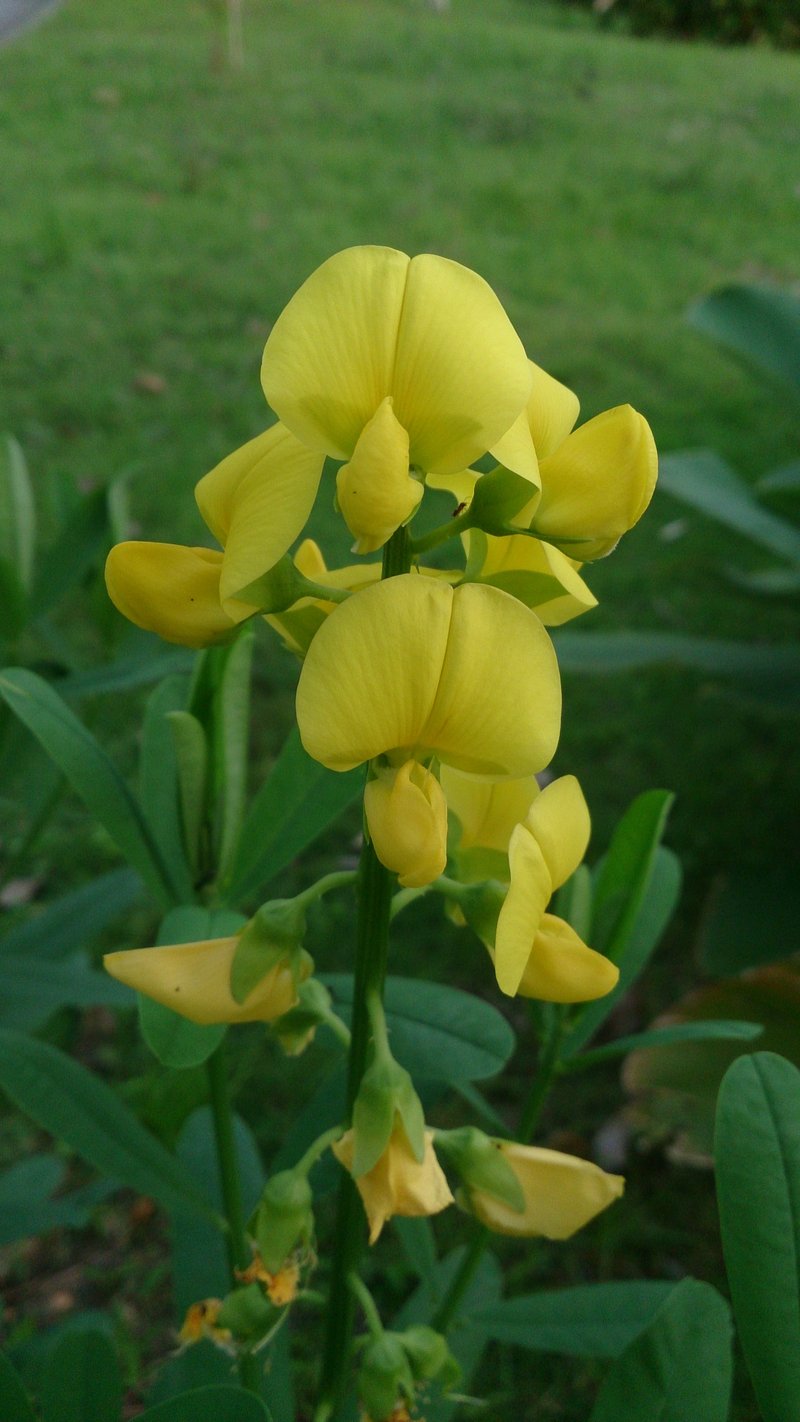
Taxonomy
- Division:
- Magnoliophyta | - Flowering plants
- Family:
- Fabaceae
- Genus:
- Crotalaria
- Species:
- Crotalaria retusa
- USDA Symbol:
- CRRE4
Growth Characteristics
- Life Cycle:
- Annual
- Growth Habit:
- Forb/herb , Subshrub
- Height:
- 150 cm
- Light Requirements:
- Full Sun
- Drought Tolerance:
- High
- Bloom Months:
- aug,sep,oct,nov
- Bloom Colors:
- yellow
Wildlife Benefits
- Bees:
- ★☆☆☆☆ Documented bee visitation (GBIF)
- Butterflies & Moths:
- ★★★★★ Documented Lepidoptera association (GBIF)
Garden & Ecology Notes
- Wildlife Value:
- bees, butterflies
- Deer Resistant:
- Yes
Soil Requirements
- Soil Type:
- sandy, well-drained, nutrient-poor soil
- pH:
- 5.5 - 7.5 (slightly acidic to neutral)
- Drainage:
- excellent drainage required
- Moisture:
- dry to moderate
- Notes:
- commonly found in disturbed areas and grasslands
Propagation & Germination
- Scarification:
- Seed coat scarification required before sowing
- Germination Time:
- 7–21 days
- Notes:
- Seeds require scarification (nicking or hot water treatment) to break physical dormancy; germinates readily in warm soil.