
Scotch Broom
Cytisus scoparius
- Native to:
- Austria, Baltic States, Belarus, Belgium, Bulgaria, Corse, Czechia-Slovakia, Denmark, France, Germany, Great Britain, Greece, Hungary, Ireland, Italy, Netherlands, Norway, NW. Balkan Pen., Poland, Portugal, Romania, Russia, Sardegna, Sicilia, Spain, Sweden, Switzerland, Ukraine
Willow
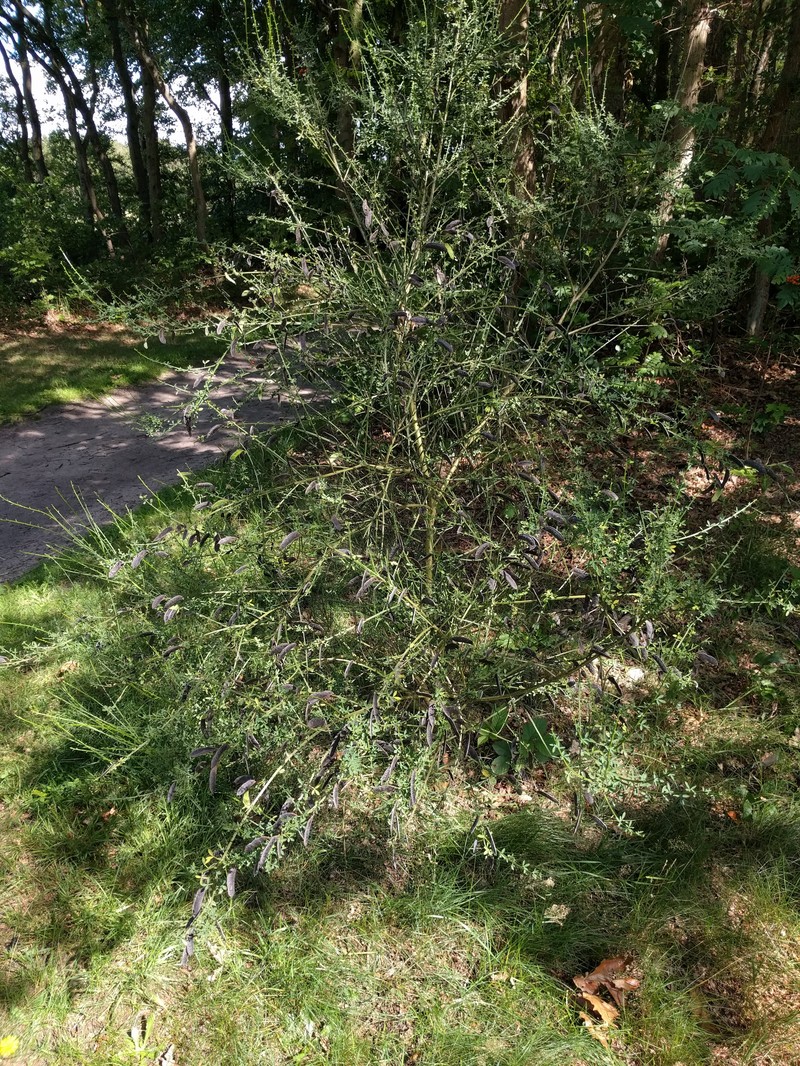
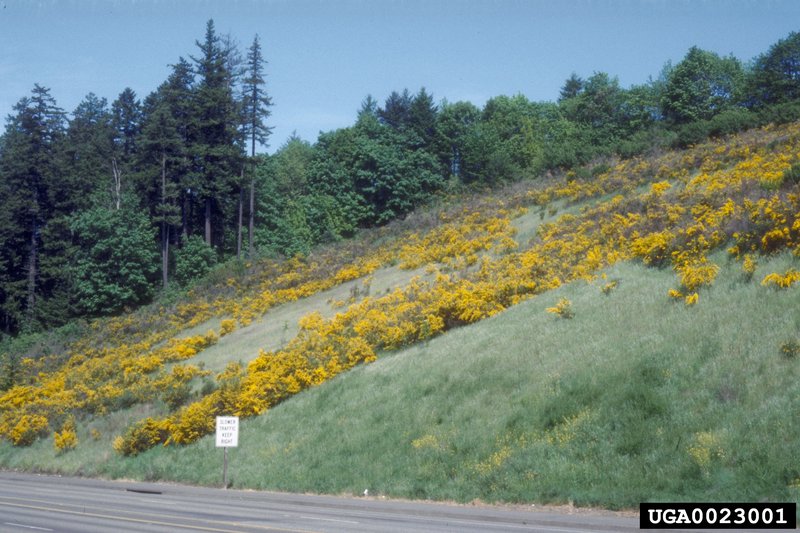
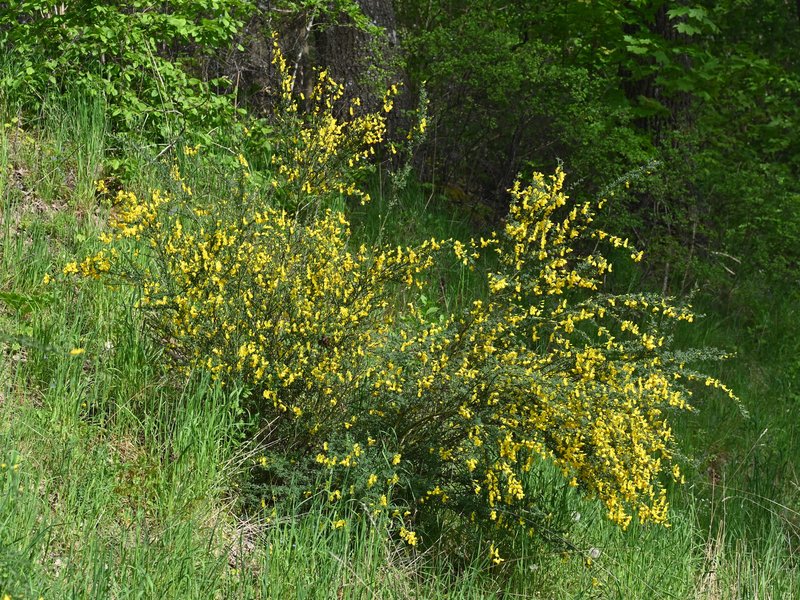
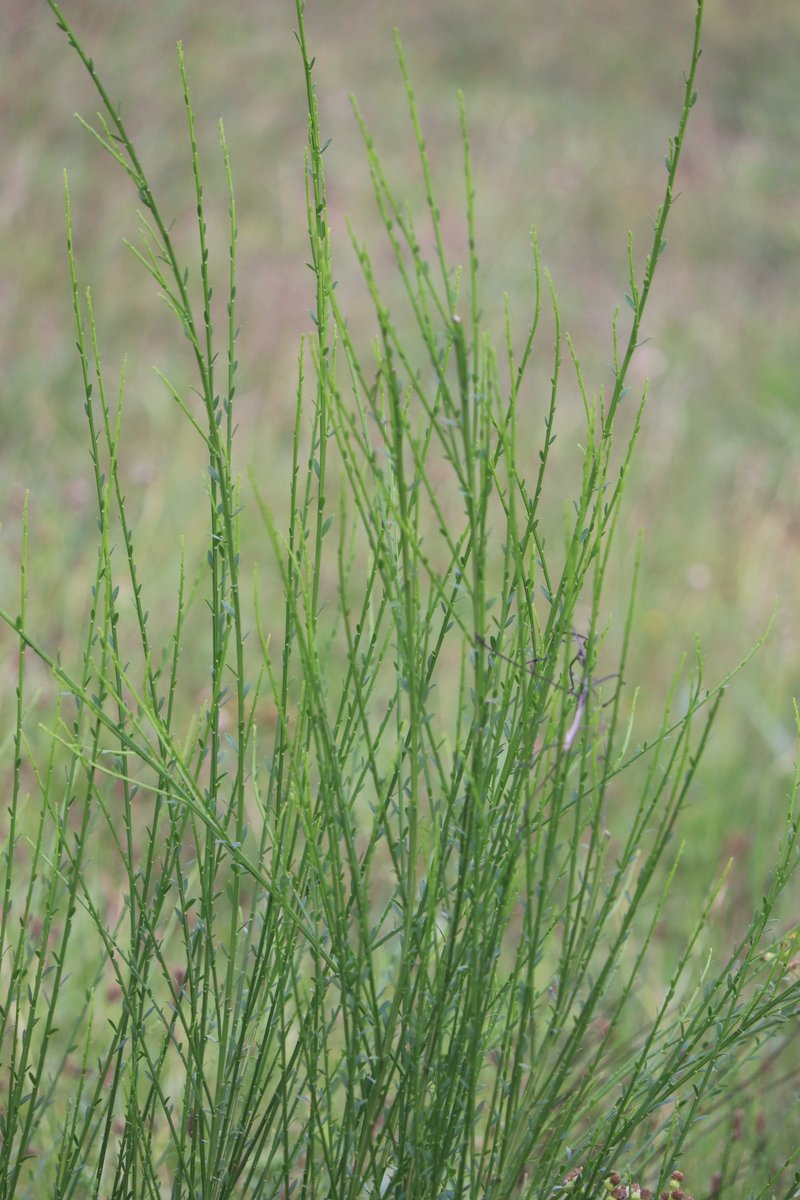
Taxonomy
- Division:
- Magnoliophyta | - Flowering plants
- Family:
- Fabaceae
- Genus:
- Cytisus
- Species:
- Cytisus scoparius
- USDA Symbol:
- CYSC4
Growth Characteristics
- Life Cycle:
- Perennial
- Growth Habit:
- Shrub
- Height:
- 300 cm
- Light Requirements:
- Full Sun
- Drought Tolerance:
- High
- Bloom Months:
- apr,may,jun
- Bloom Colors:
- yellow
- Landscaping Shrub:
- Yes
Wildlife Benefits
- Bees:
- ★☆☆☆☆ Documented bee visitation (GBIF)
- Butterflies & Moths:
- ★★★★★ Documented Lepidoptera association (GBIF)
- Caterpillars:
- ★★☆☆☆ Recorded caterpillar host plant (HOSTS Database)
- Hummingbirds:
- ★☆☆☆☆ Documented hummingbird visits (GBIF)
Host Plant for Caterpillars
Agonopterix nervosa, Engrailed (Ectropis crepuscularia), four-barred gray (Aethalura intertexta), Garden Tiger Moth (Arctia caja), Genista Broom Moth (Uresiphita reversalis), orange tortrix moth (Argyrotaenia citrana), Spanish broom leaf miner (Leucoptera spartifoliella), Virginia Tiger Moth (Spilosoma virginica)
Reported Fauna Sightings
Bees: Black-tailed bumble bee (Bombus melanopygus), Fuzzy-horned bumble bee (Bombus mixtus), Sitka bumble bee (Bombus sitkensis), Yellow head bumble bee (Bombus flavifrons), Yellow-faced bumble bee (Bombus vosnesenskii) Hummingbirds: Rufous Hummingbird (Selasphorus rufus) Moths:Genista Broom Moth (Uresiphita reversalis)
Garden & Ecology Notes
- Wildlife Value:
- bees, butterflies
- Deer Resistant:
- Yes
- Salt Tolerant:
- Yes
- Fire Ecology:
- Fire adapted — tolerates or benefits from fire
- Fire Notes:
- Fire stimulates seed germination; thick seed banks accumulate in soil and germinate en masse after fire.
Soil Requirements
- Soil Type:
- sandy, acidic, nutrient-poor soil
- pH:
- 4.5 - 6.5 (acidic to slightly acidic)
- Drainage:
- excellent drainage required
- Moisture:
- dry to moderate
- Notes:
- thrives in disturbed, open areas
Propagation & Germination
- Stratification:
- Cold/moist stratification required — 30–60 days
- Scarification:
- Seed coat scarification required before sowing
- Germination Time:
- 14–30 days
- Notes:
- Seeds require scarification (hot water or sandpaper) followed by cold stratification for 4-8 weeks.
Where to Buy
Nationwide Seller
- Sheffield's Seed (seeds)