
Illinois Bundleflower
Desmanthus illinoensis
- Native to:
- United States
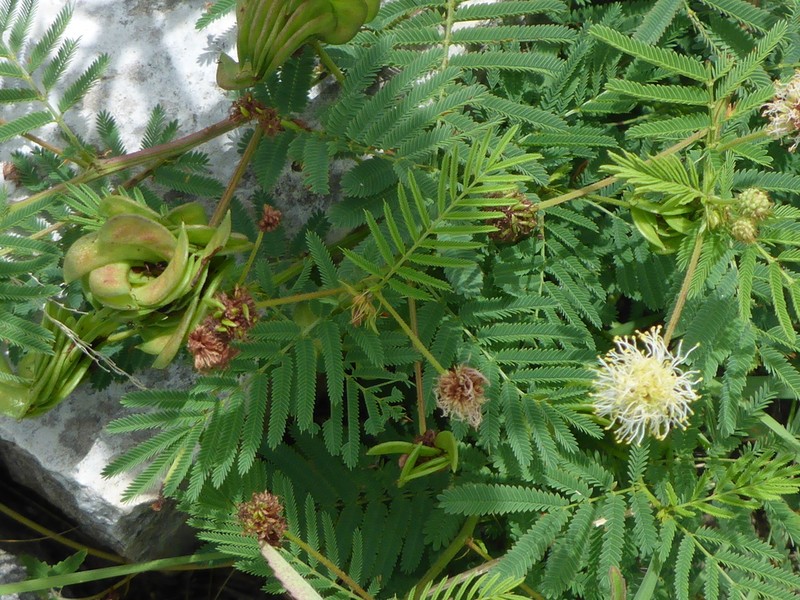
iNaturalist: © aesbiologist (iNaturalist #27727551)
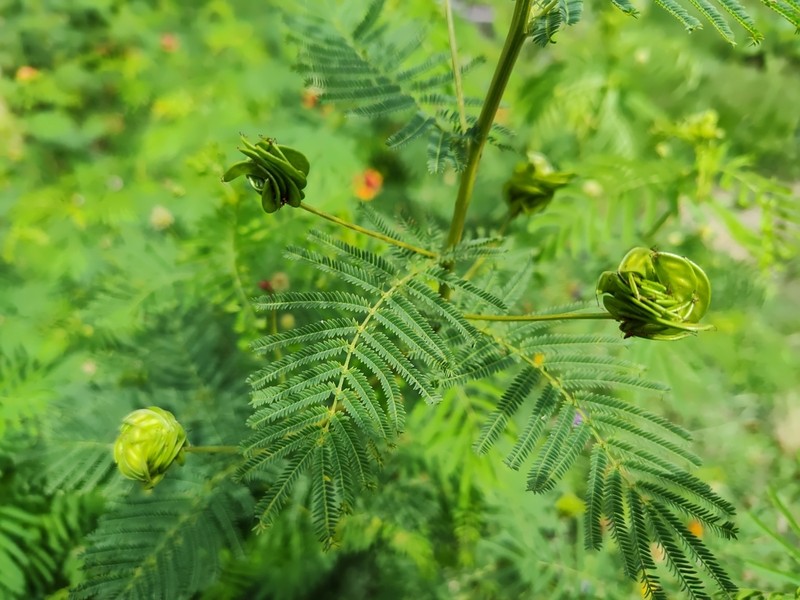
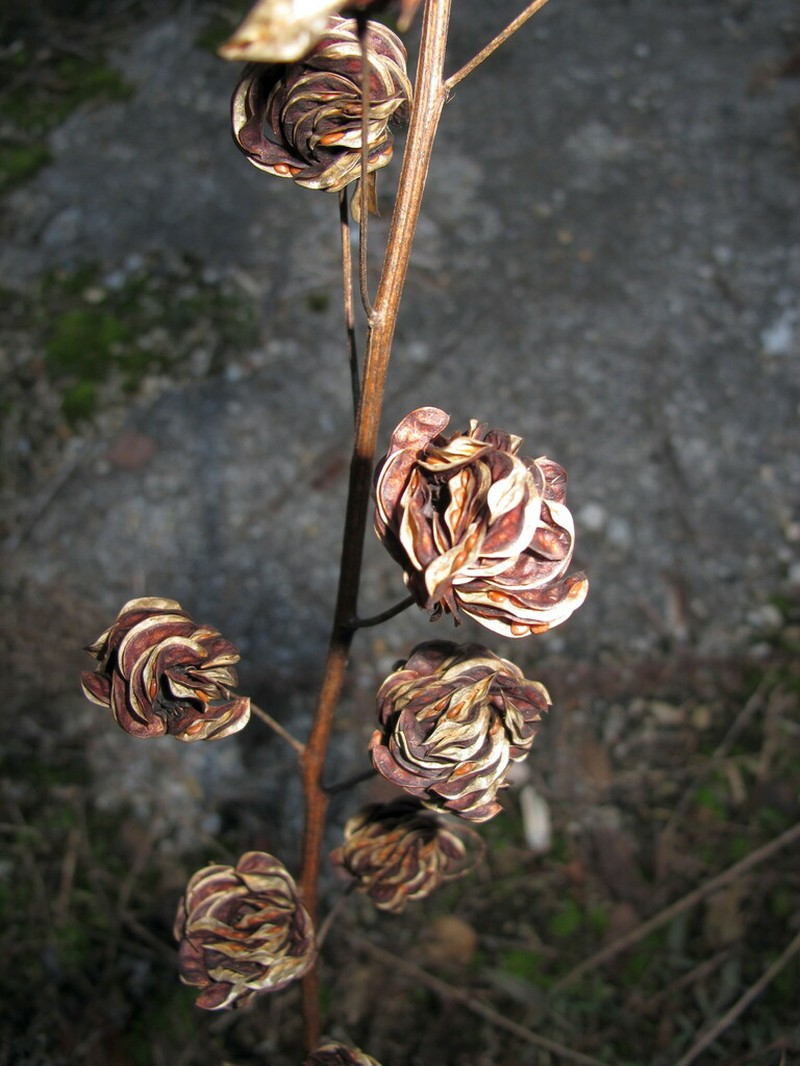
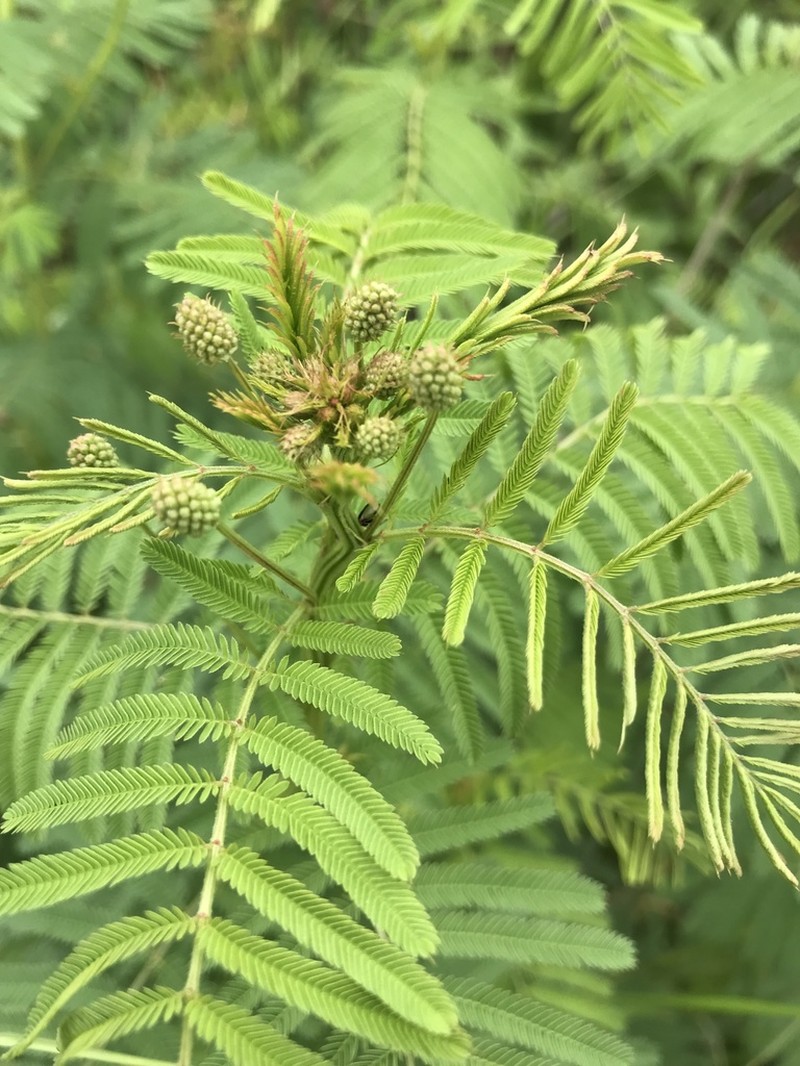
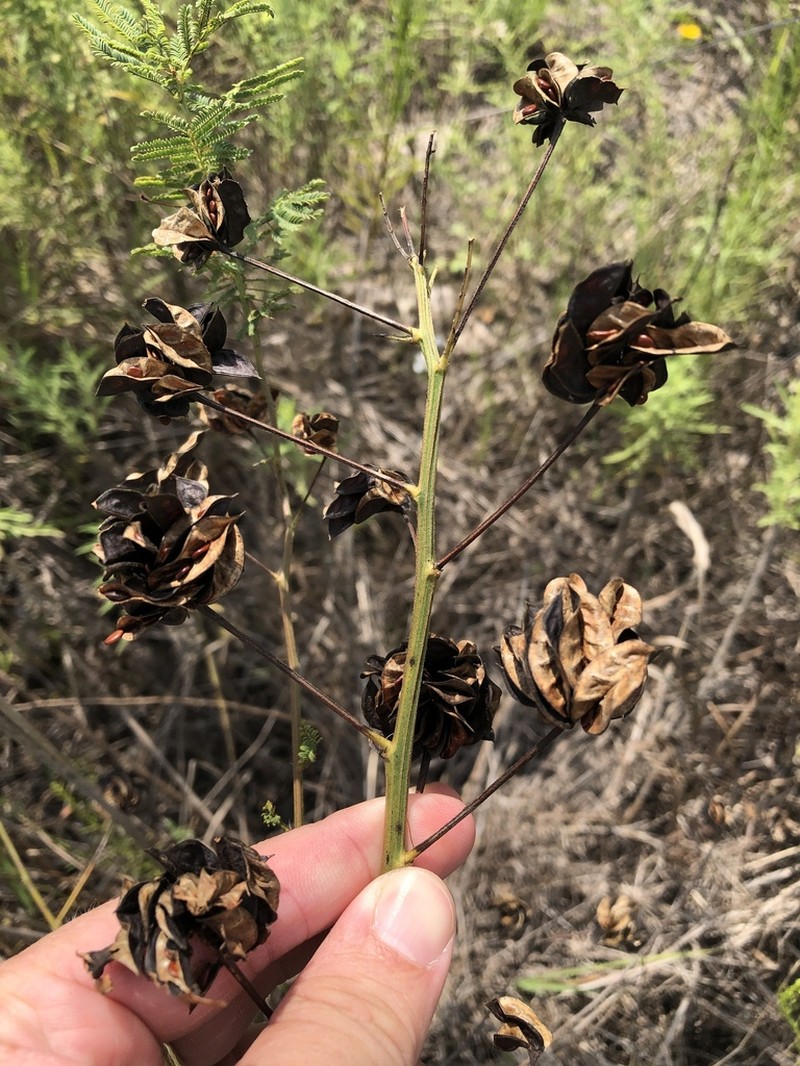
Taxonomy
- Division:
- Magnoliophyta | - Flowering plants
- Family:
- Fabaceae
- Genus:
- Desmanthus
- Species:
- Desmanthus illinoensis
- USDA Symbol:
- DEIL
Growth Characteristics
- Life Cycle:
- Perennial
- Growth Habit:
- Forb/herb , Subshrub
- Height:
- 150 cm
- Light Requirements:
- Full Sun
- Drought Tolerance:
- High
- Bloom Months:
- jun,jul,aug
- Bloom Colors:
- white, cream
Wildlife Benefits
- Bees:
- ★☆☆☆☆ Documented bee visitation (GBIF)
- Butterflies & Moths:
- ★☆☆☆☆ Documented Lepidoptera association (GBIF)
Garden & Ecology Notes
- Wildlife Value:
- birds, butterflies, small mammals
- Fire Ecology:
- Fire adapted — tolerates or benefits from fire
- Fire Notes:
- Tolerates fire; can resprout from root crown after low-intensity burns.
Soil Requirements
- Soil Type:
- rich, well-drained loamy soil
- pH:
- 6.0 - 8.0 (slightly acidic to neutral)
- Drainage:
- excellent drainage required
- Moisture:
- dry to moderate
- Notes:
- tolerates a range of soil types but prefers fertile conditions
Propagation & Germination
- Stratification:
- Cold/moist stratification required — 30–60 days
- Scarification:
- Seed coat scarification required before sowing
- Germination Time:
- 7–21 days
- Notes:
- Scarify seed coat (nick or hot water) then cold stratify for 30-60 days for best germination.
Pre-treatment: Seeds are scarified. Field seed is not damp stratified due to clumping problems during the drilling process.
Establishment: The plant is also known as Illinois bundleflower or Illinois Mimosa. It is found from Ohio, Minnesota, and North Dakota south to Colorado, New Mexico, and through the eastern states to Florida. It inhabits prairies, woods, streambanks and roadsides. The plant flowers from approx. July 8 to August 7. Seed is harvested about August 24.
Source: npn.rngr.net
ORGHPS Germination Guide: Sow @ 20C. Germinates within 3 months. GA3 required.
Where to Buy
Nationwide Seller
- Native Plants Nursery (nursery)
- Prairie Moon Nursery (nursery and seeds)
- Bamert Seed (seeds)
- Native American Seed (nursery and seeds)
- Ernst Seeds (seeds)