
Abyssinia Entada
Entada abyssinica
- Native to:
- Angola, Benin, Burkina, Burundi, Cameroon, Central African Republic, Congo, DR Congo, Eritrea, Ethiopia, Gambia, Ghana, Guinea, Ivory Coast, Kenya, Madagascar, Malawi, Mali, Mozambique, Nigeria, Rwanda, Sierra Leone, Somalia, Sudan-South Sudan, Tanzania, Togo, Uganda, Zambia, Zimbabwe
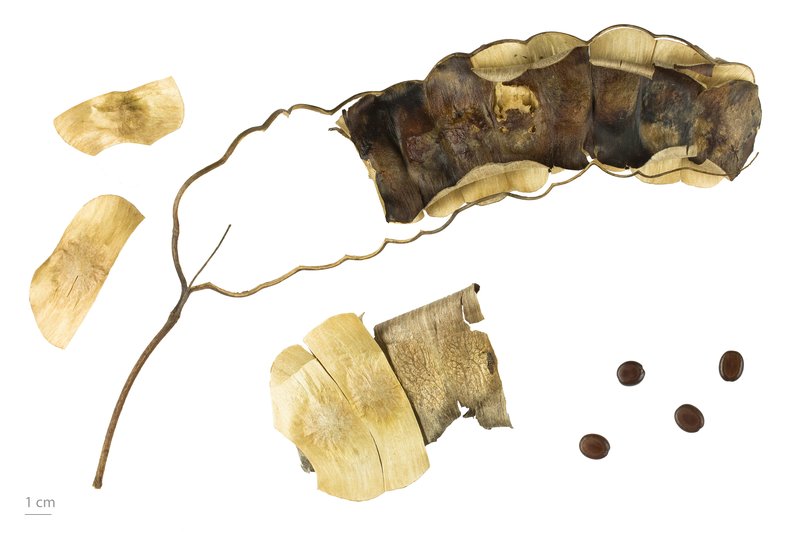
Roger Culos,Marco Schmidt,SAplants,H. Baillon (1827-1895),SAplants,SAplants,SAplants,Bombay Natural History Society,Ralph, T. S. (Thomas Shearman), 1813-1892. n 98800209,Dymock, William, 1834-1892 Worden, C. J. H Hooper, David, 1858-1947,Kirtikar, Kanhoba Ranchoddas, 1849-1917,Dymock, William, 1834-1892

Taxonomy
- Division:
- Magnoliophyta | - Flowering plants
- Family:
- Fabaceae
- Genus:
- Entada
- Species:
- Entada abyssinica
- USDA Symbol:
- ENAB
Growth Characteristics
- Height:
- 1500 cm
- Light Requirements:
- Full Sun
- Drought Tolerance:
- High
- Bloom Months:
- jan,feb,mar,apr,may,jun,jul,aug,sep,oct,nov,dec
- Bloom Colors:
- cream, yellow
Garden & Ecology Notes
- Wildlife Value:
- birds, mammals
- Fire Ecology:
- Fire adapted — tolerates or benefits from fire
- Fire Notes:
- Resprouts from root crown after fire; common in fire-prone savanna ecosystems.
Soil Requirements
- Soil Type:
- well-drained, sandy to loamy soil
- pH:
- 5.5 - 7.5 (slightly acidic to neutral)
- Drainage:
- excellent drainage required
- Moisture:
- dry to moderate
- Notes:
- prefers open woodlands and savanna regions
Propagation & Germination
- Scarification:
- Seed coat scarification required before sowing
- Notes:
- Seeds require scarification (nicking or hot water treatment) to break physical dormancy.