
Wili Wili
Erythrina sandwicensis
- Native to:
- Hawaii
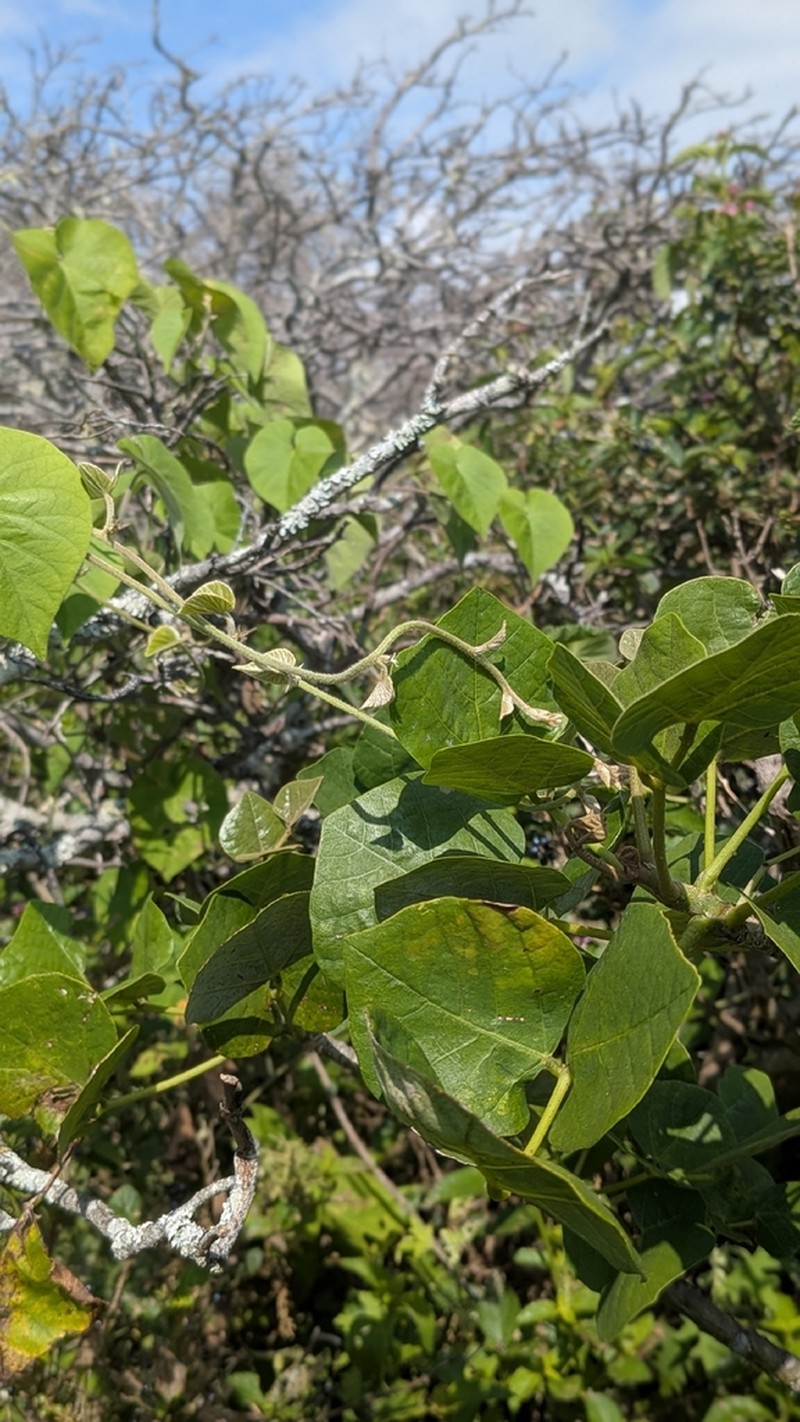
iNaturalist: © prostoi_nablyudatel (iNaturalist #358983822)
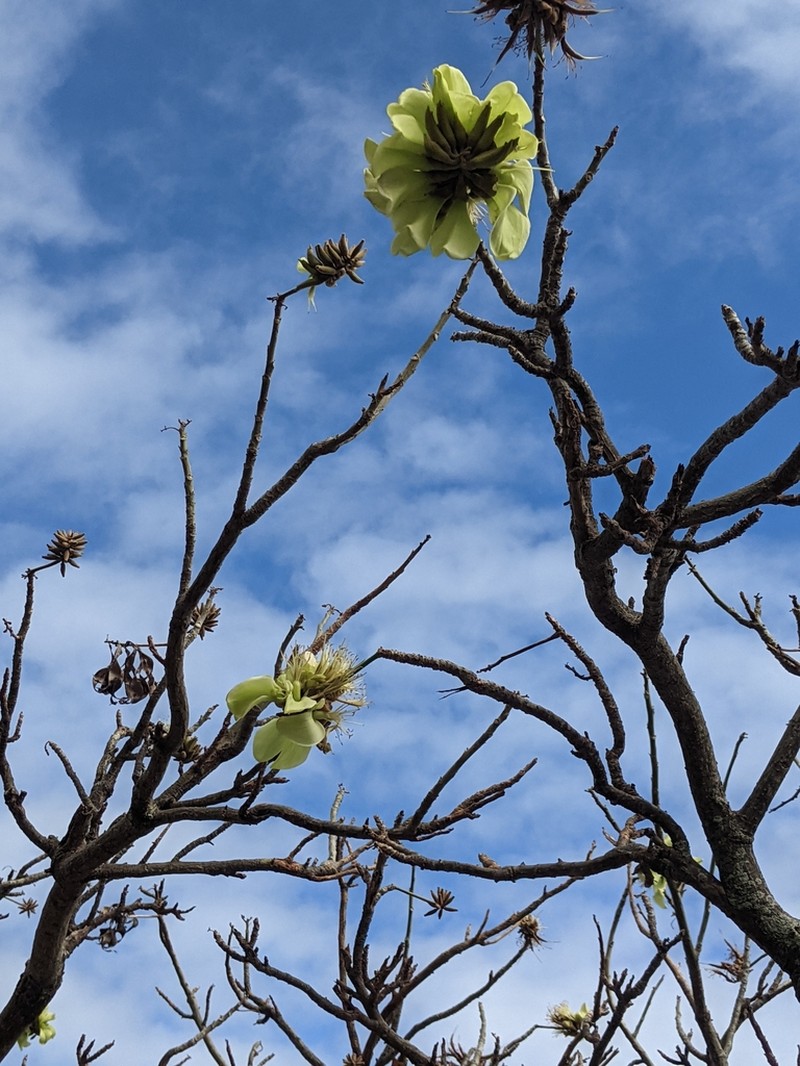
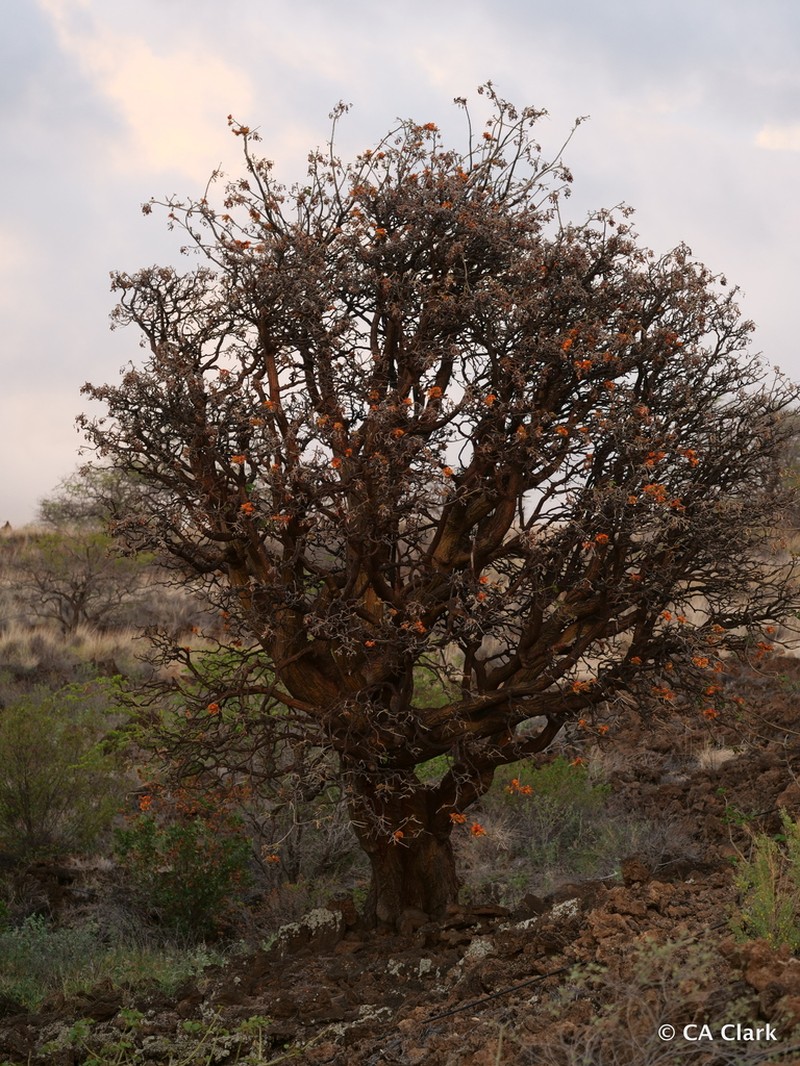
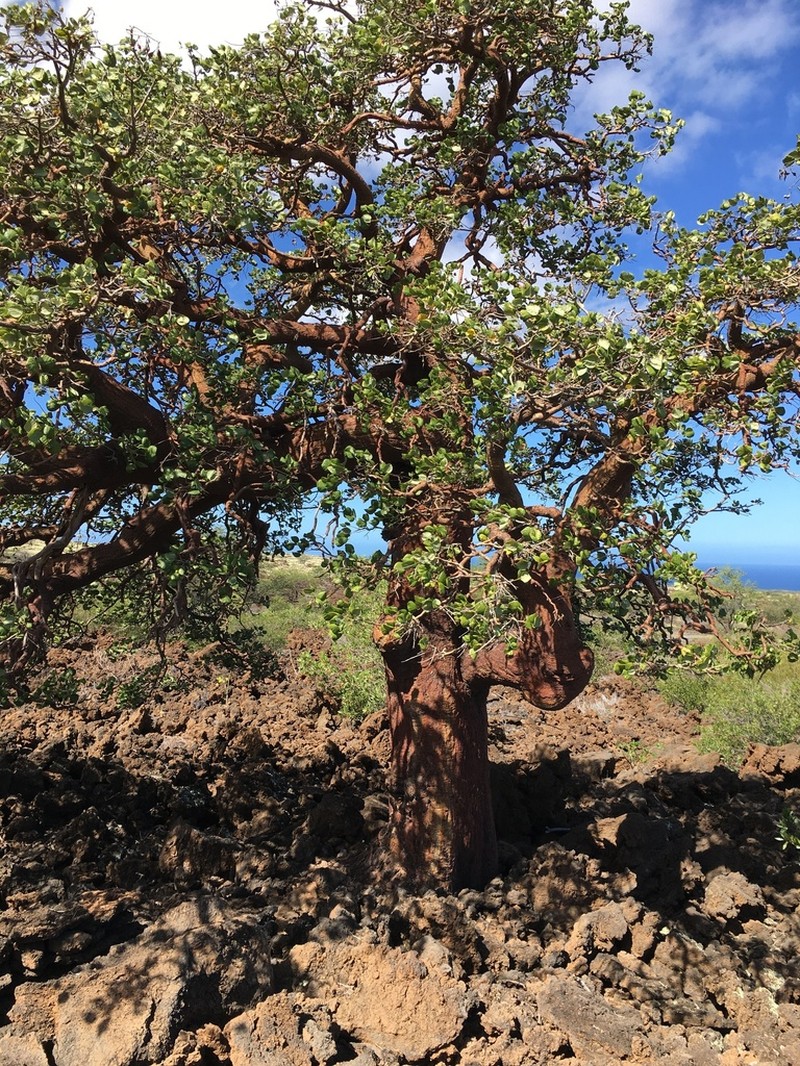
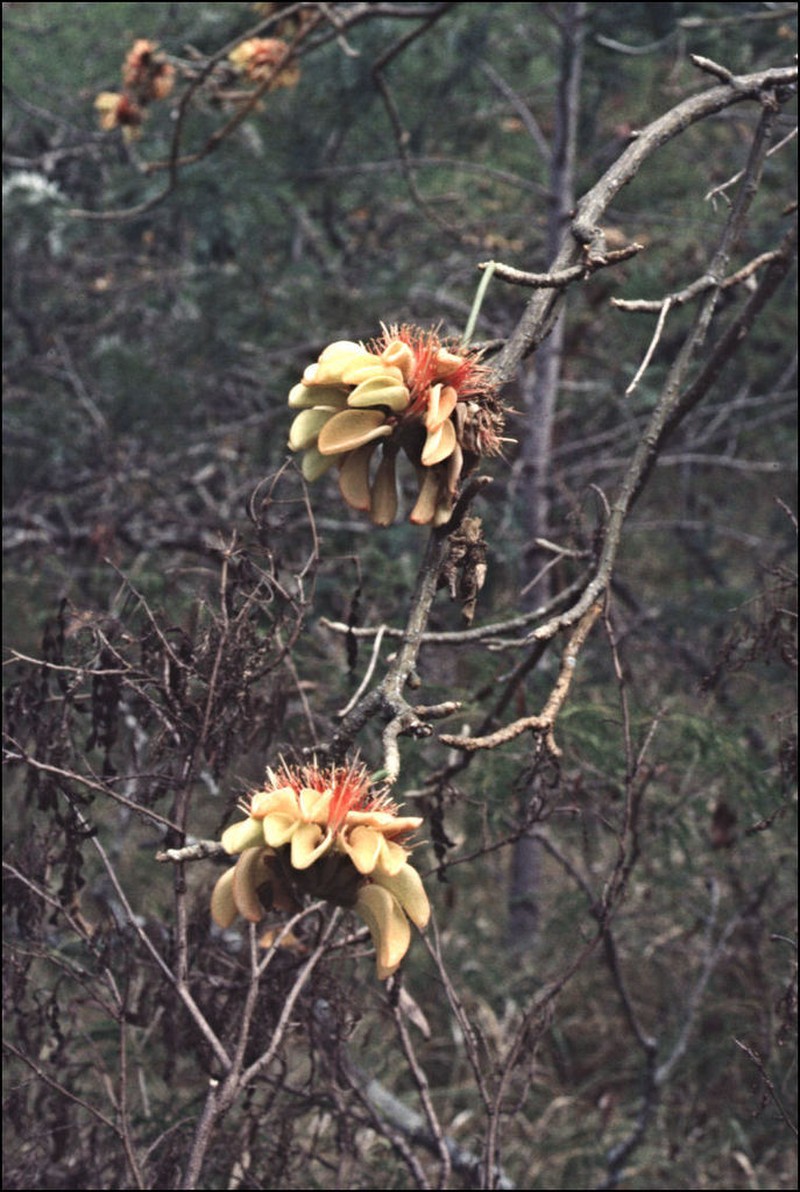
Taxonomy
- Division:
- Magnoliophyta | - Flowering plants
- Family:
- Fabaceae
- Genus:
- Erythrina
- Species:
- Erythrina sandwicensis
- USDA Symbol:
- ERSA11
Growth Characteristics
- Life Cycle:
- Perennial
- Growth Habit:
- Tree
- Height:
- 1500 cm
- Light Requirements:
- Full Sun
- Drought Tolerance:
- High
- Bloom Months:
- feb,mar,apr,may
- Bloom Colors:
- orange, red
Wildlife Benefits
- Bees:
- ★☆☆☆☆ Documented bee visitation (GBIF)
- Butterflies & Moths:
- ★☆☆☆☆ Documented Lepidoptera association (GBIF)
- Caterpillars:
- ★☆☆☆☆ Recorded caterpillar host plant (HOSTS Database)
Garden & Ecology Notes
- Wildlife Value:
- birds, bees
- Salt Tolerant:
- Yes
Soil Requirements
- Soil Type:
- well-drained, sandy or rocky soil
- pH:
- 6.0 - 7.5 (slightly acidic to neutral)
- Drainage:
- excellent drainage required
- Moisture:
- dry to moderate
- Notes:
- native to dry, coastal regions of Hawaii
Propagation & Germination
- Scarification:
- Seed coat scarification required before sowing
- Germination Time:
- 14–30 days
- Notes:
- Seeds require scarification (nicking or hot water treatment) to break physical dormancy.
Pre-treatment: Scarify the hard seedcoat of wiliwili using a nail clipper, being careful not to damage the germ or the inner part of the seed. Soak the scarified seeds overnight in room temperature water. If any seeds do not imbibe water, they may be nicked and soaked again.
Establishment: Overwatering can lead to damping off with wiliwili seedlings. Seeds are mature when the pod turns brown and the seeds become hard with a shiny seed coat. The plant is native to the dry leeward slopes of all main Hawaiian islands, up to 600 m (1,950 ft).
Source: npn.rngr.net