
Tiger's Claw
Erythrina variegata
- Native to:
- Aldabra, American Samoa, Andaman Is., Australia, Bangladesh, Bismarck Archipelago, Borneo, Cambodia, Caroline Is., China, Christmas I., Cocos (Keeling) Is., Comoros, Cook Is., Federated States of Micronesia, Fiji, Hainan, India, Jawa, Laccadive Is., Laos, Lesser Sunda Is., Madagascar, Malaya, Maldives, Maluku, Marianas, Marquesas, Marshall Is., Marshall Islands, Myanmar, Nansei-shoto, Nauru, New Caledonia, New Guinea, Nicobar Is., Niue, Northern Mariana Islands, Philippines, Samoa, Seychelles, Society Is., Solomon Is., South China Sea, Sri Lanka, Sulawesi, Sumatera, Taiwan, Tanzania, Thailand, Tonga, Tuamotu, Tubuai Is., Vanuatu, Vietnam
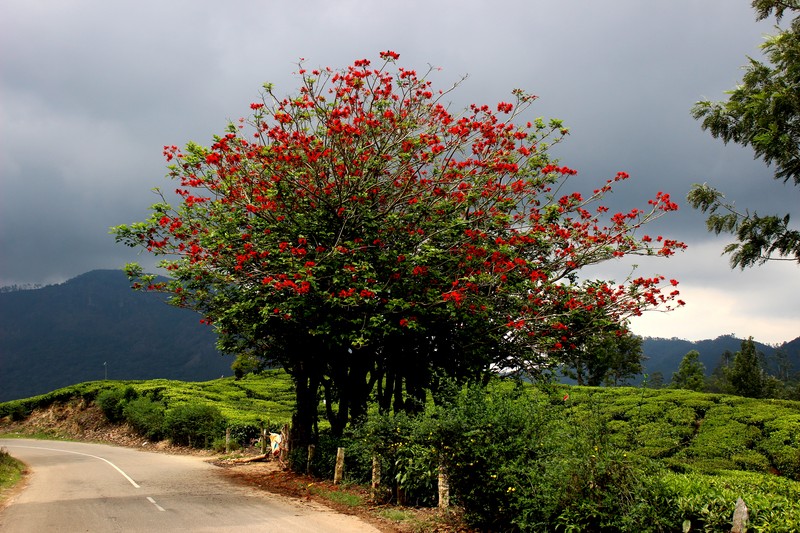
This Photo (upload.wikimedia.org) was taken by Timothy A. Gonsalves . Feel free to use my photos, but please mention me as the author. I would much appreciate if you send me an email tagooty@gmail.com or write on my talk page (commons.wikimedia.org) , for
Taxonomy
- Division:
- Magnoliophyta | - Flowering plants
- Family:
- Fabaceae
- Genus:
- Erythrina
- Species:
- Erythrina variegata
- USDA Symbol:
- ERVA7
Growth Characteristics
- Life Cycle:
- Perennial
- Growth Habit:
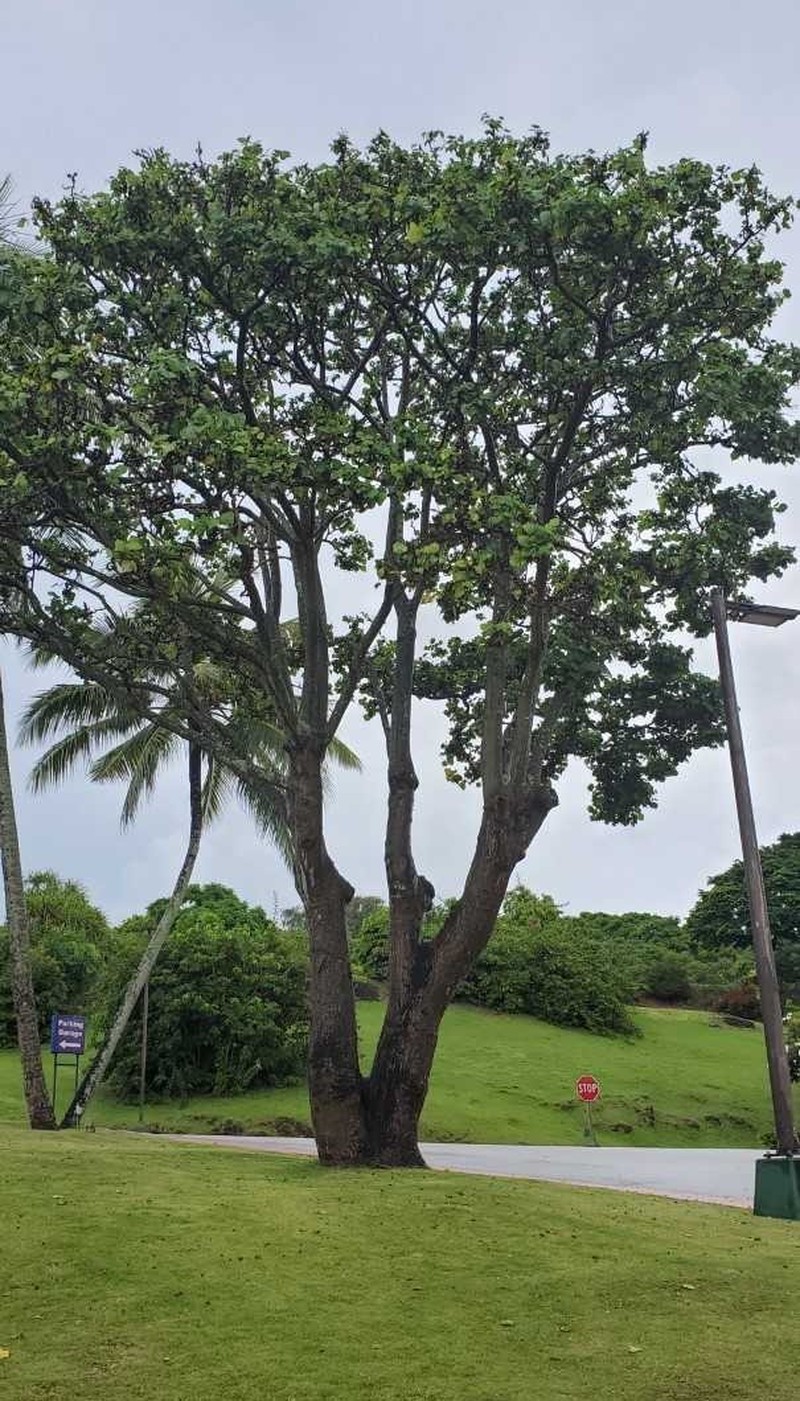
- Tree
- Height:
- 1800 cm
- Light Requirements:
- Full Sun
- Drought Tolerance:
- Medium
- Bloom Months:
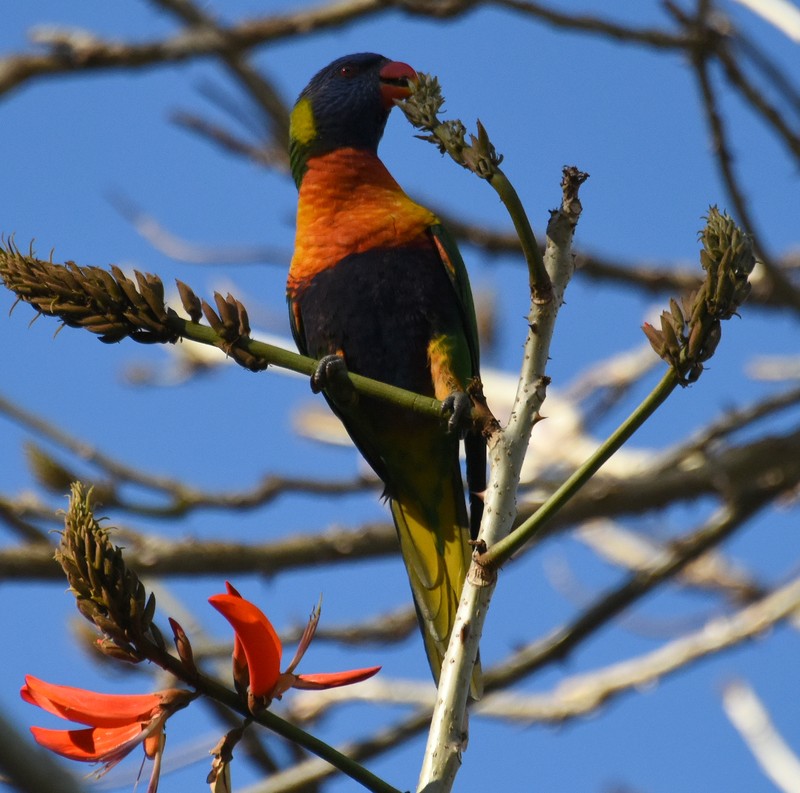
- mar,apr,may
- Bloom Colors:
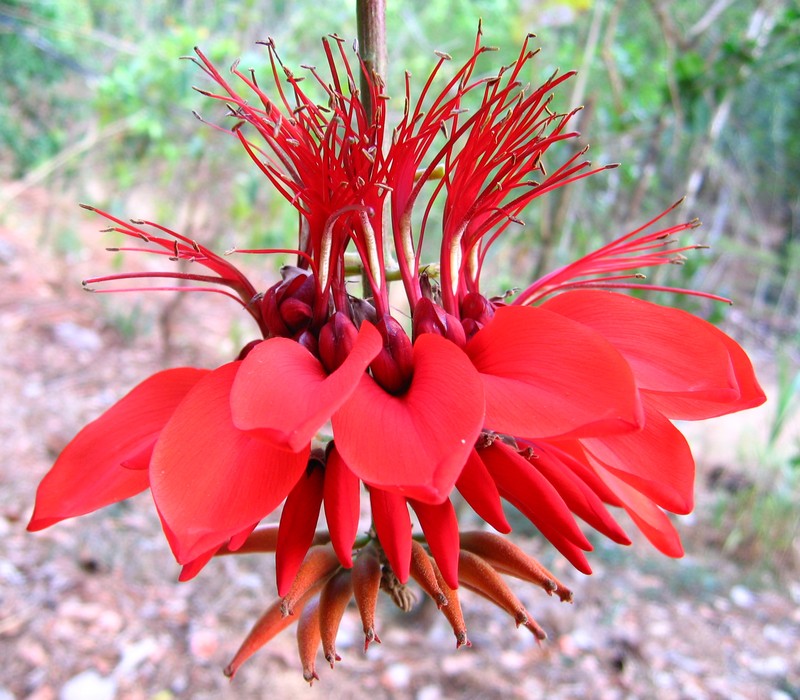
- red, orange-red
Host Plant for Caterpillars
Garden & Ecology Notes
- Wildlife Value:
- birds, butterflies
- Salt Tolerant:
- Yes
Soil Requirements
- Soil Type:
- rich, well-drained loamy soil
- pH:
- 5.5 - 7.5 (slightly acidic to neutral)
- Drainage:
- excellent drainage required
- Moisture:
- dry to moderate
- Notes:
- prefers coastal and tropical regions
Propagation & Germination
- Scarification:
- Seed coat scarification required before sowing
- Germination Time:
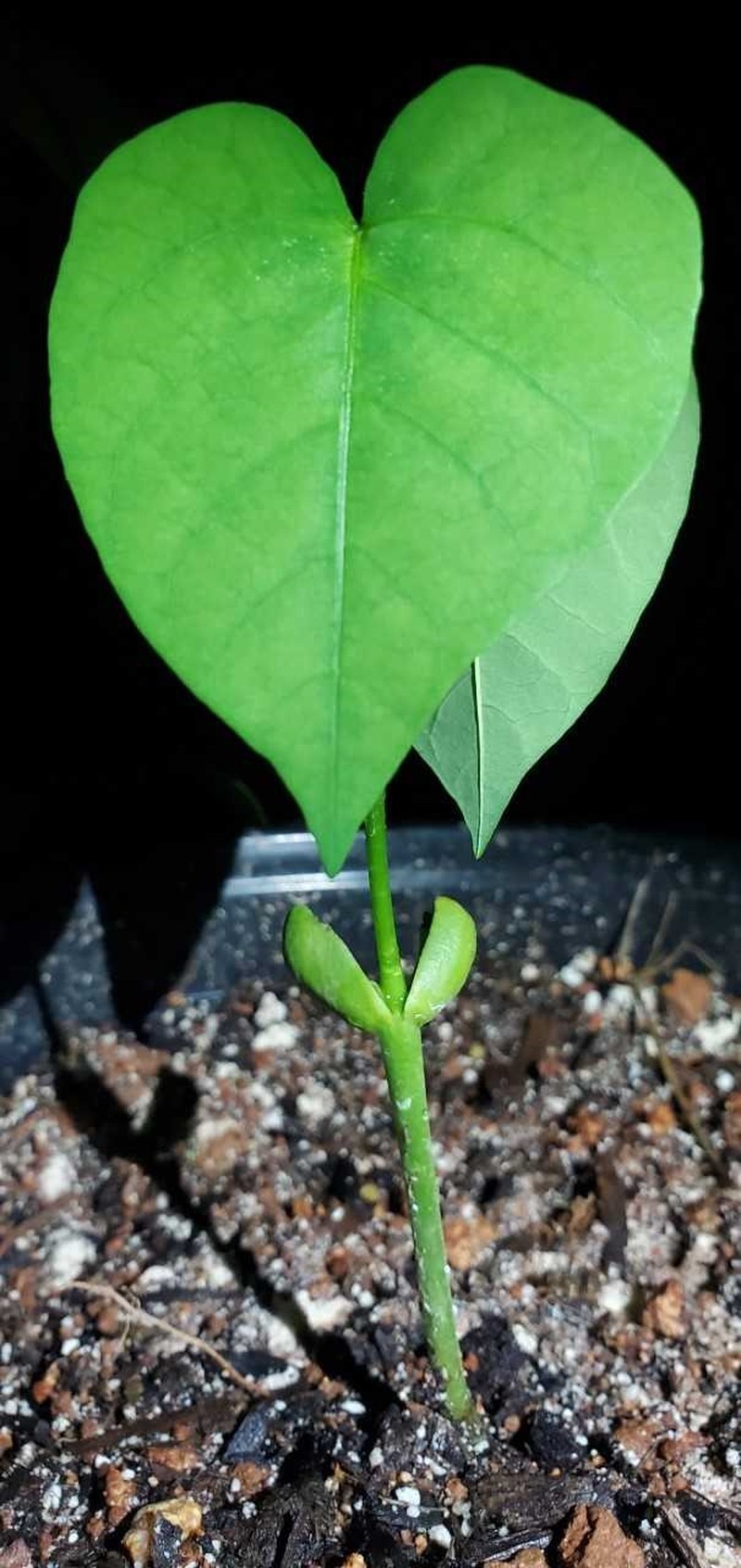
- 7–30 days
- Notes:
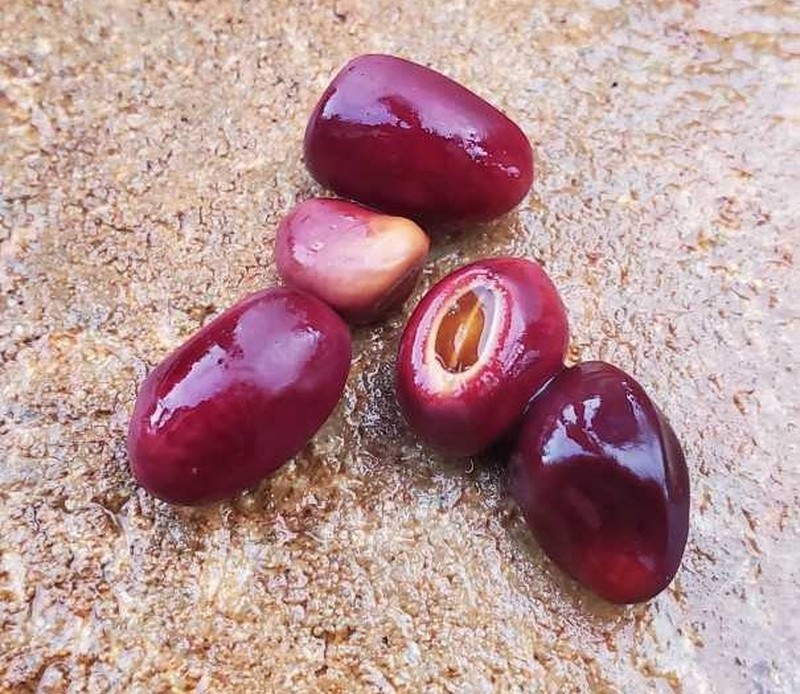
- Seeds require scarification (nicking or hot water treatment) to break hard seed coat; soak in warm water for 24 hours before sowing.
Pre-treatment: For seeds, scarification is required either mechanically or by soaking in hot water (80 degrees C) for 10 minutes, then overnight in cool water. For cuttings, they should be stood upright in the shade in dry conditions for a minimum of 24 hours, and a maximum of 2 weeks.
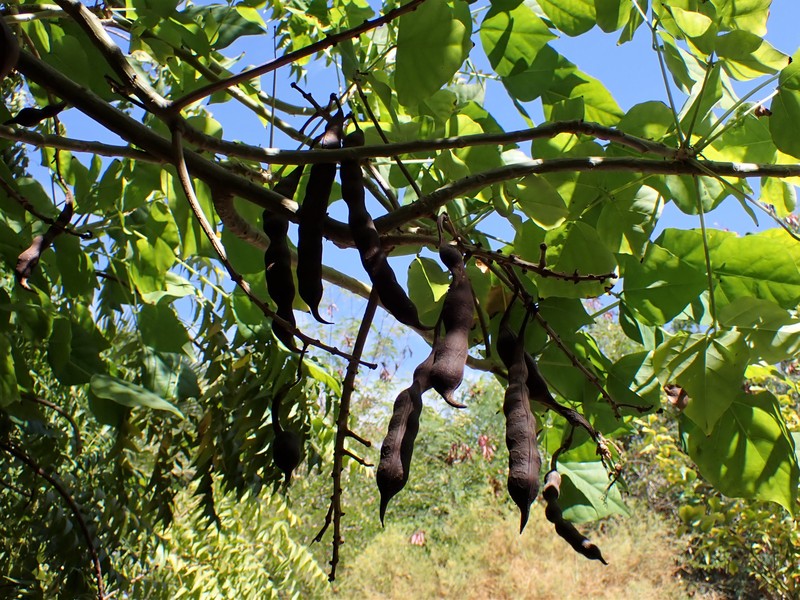
Establishment: Seeds are mature when the pod turns brown and the seeds become hard with a shiny seed coat. Mature pods can be collected from the tree or from the ground. For cuttings, it is best to retain the terminal bud of branch cuttings to ensure the trees will have straight, columnar form.
Source: npn.rngr.net