
Honeylocust
Gleditsia triacanthos
- Native to:
- Canada, Mexico, United States, Virgin Islands
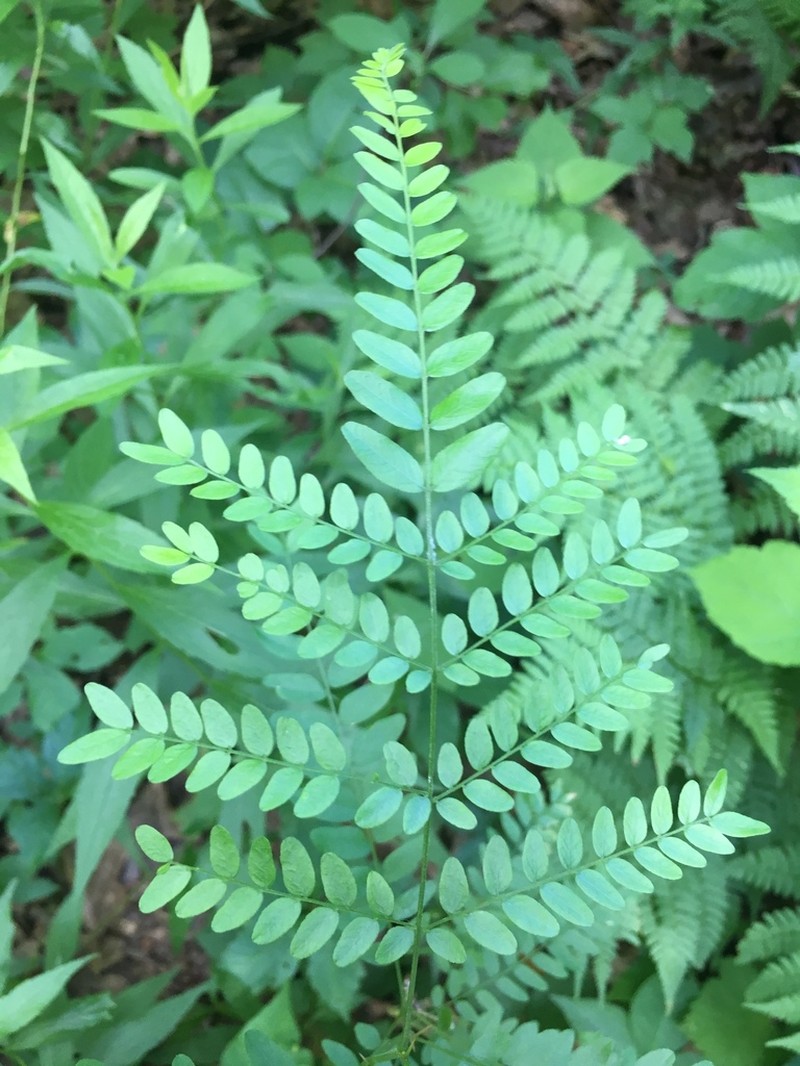
iNaturalist: © dancassidy (iNaturalist #28036885)
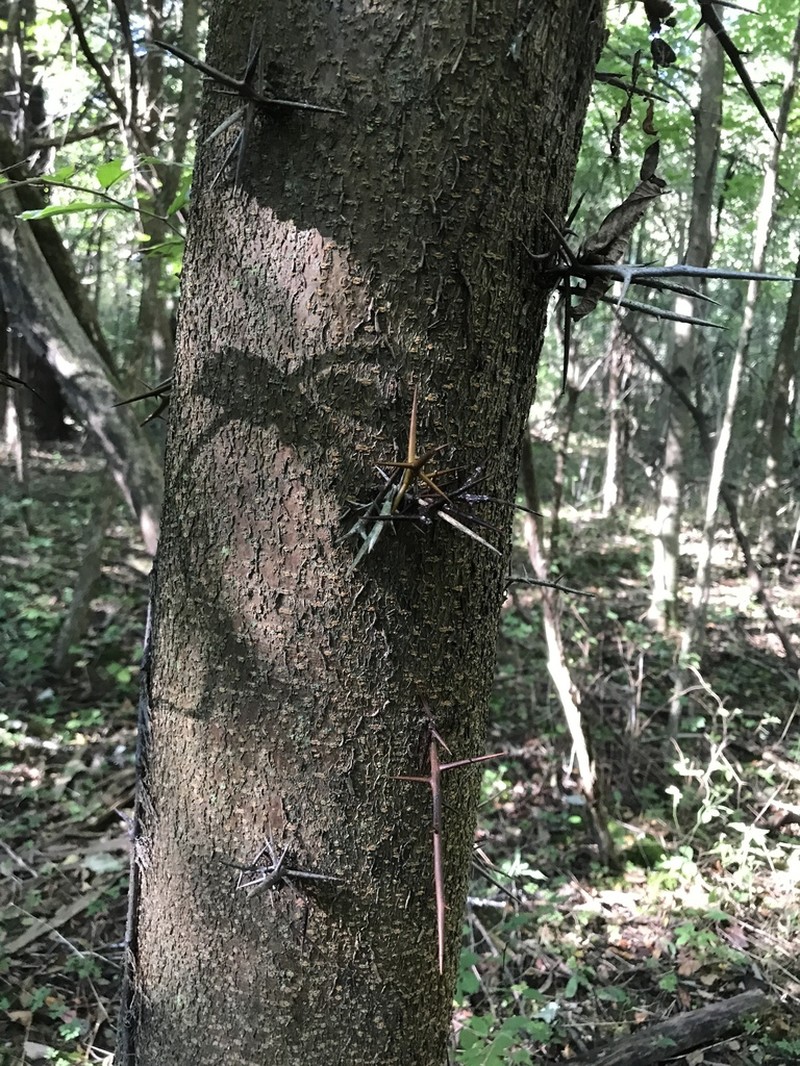
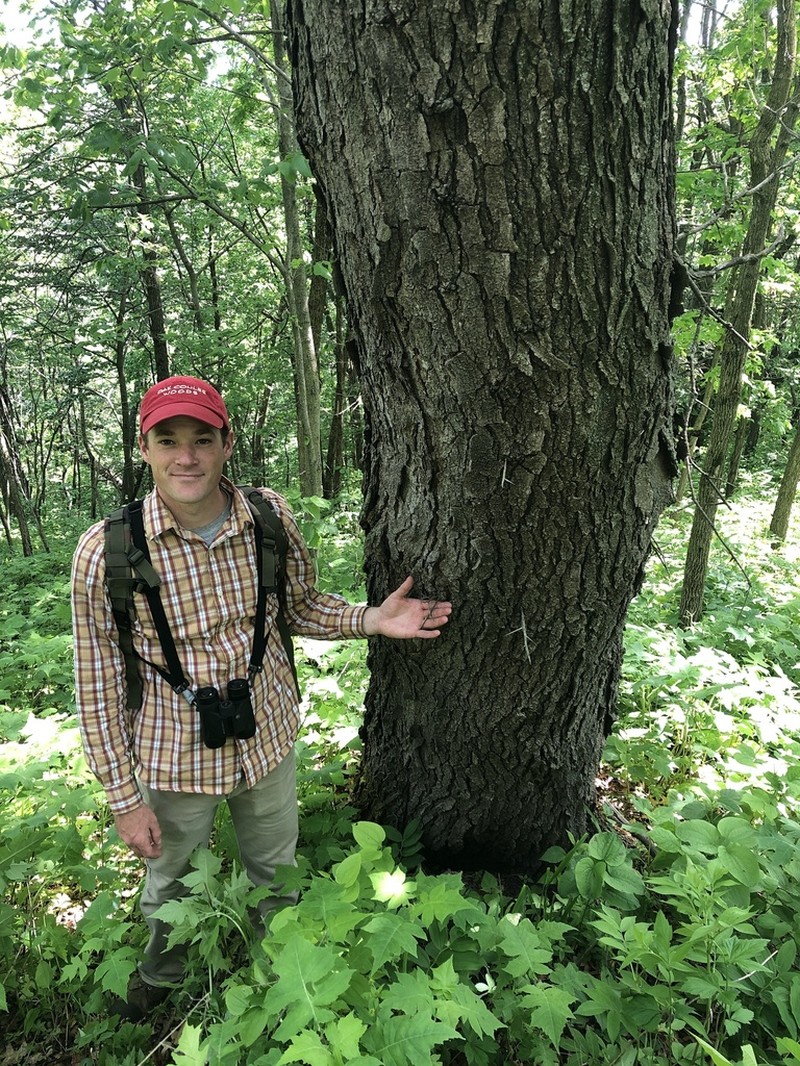
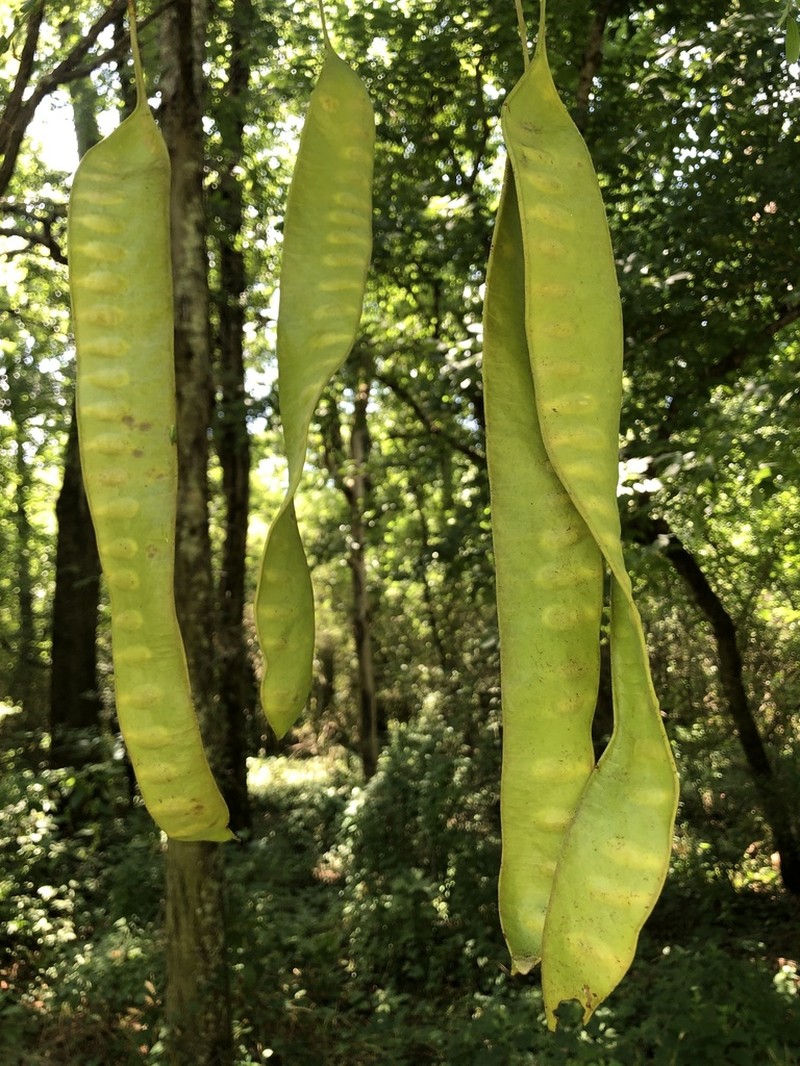
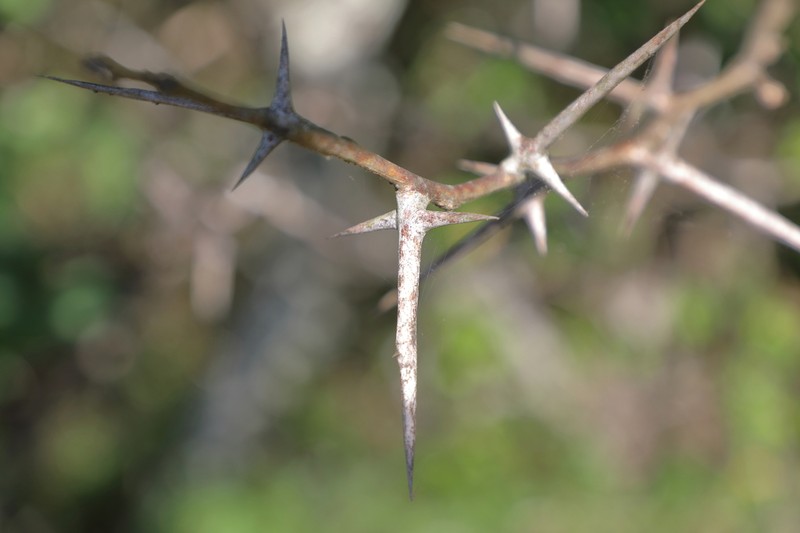
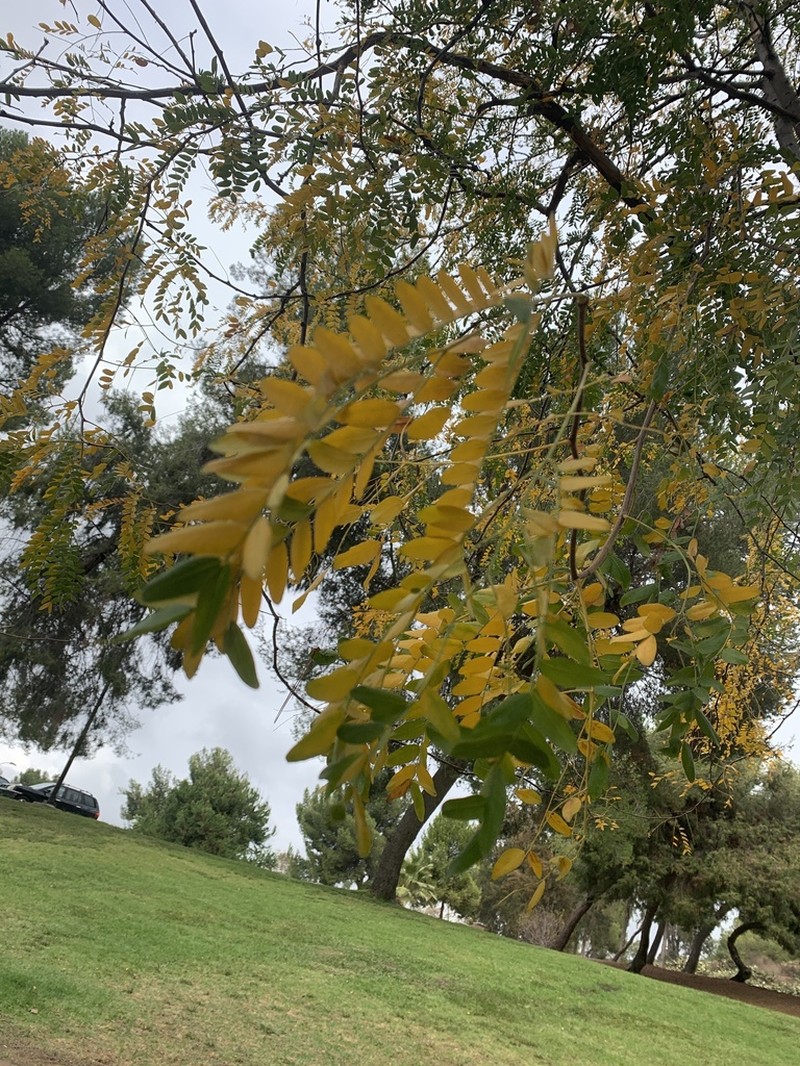
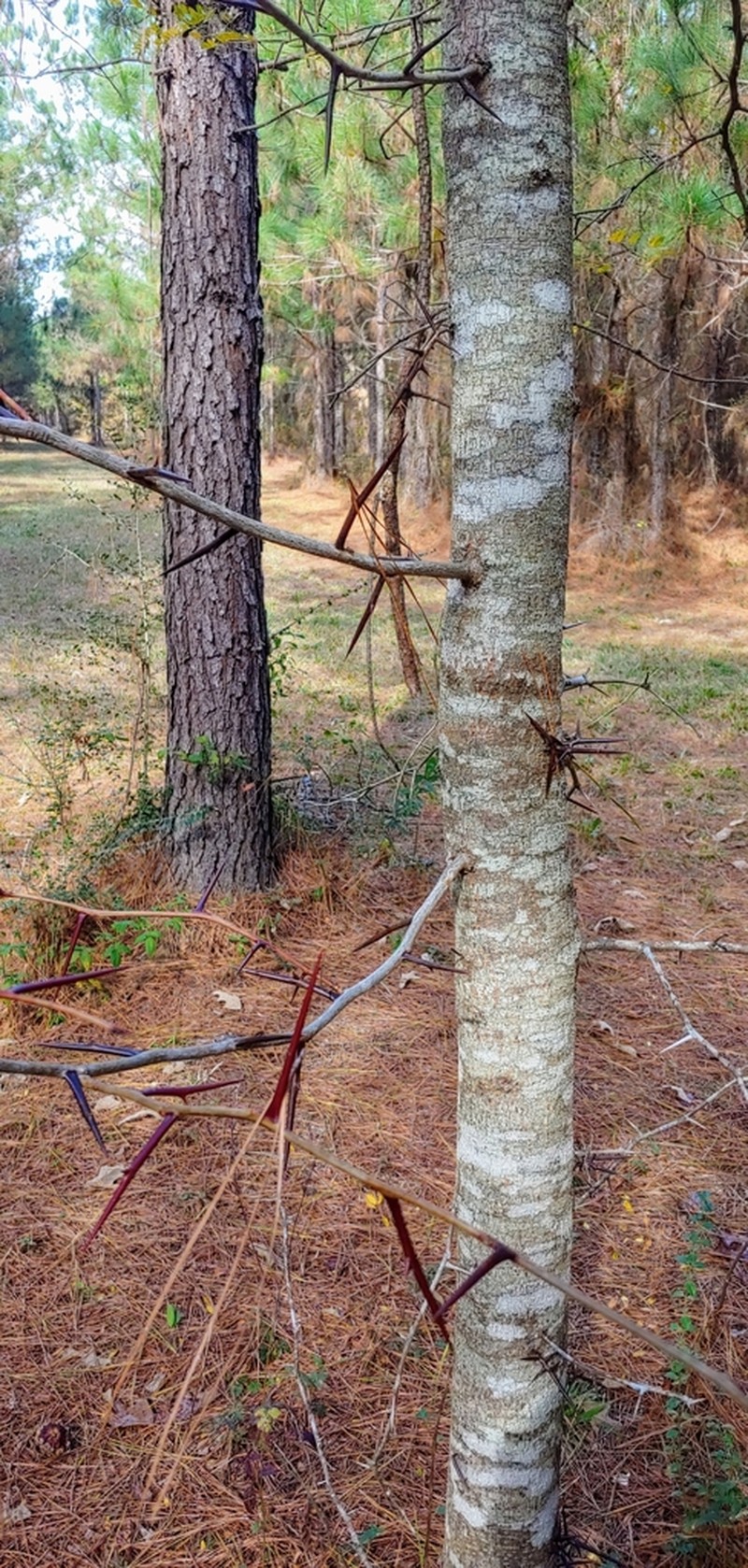
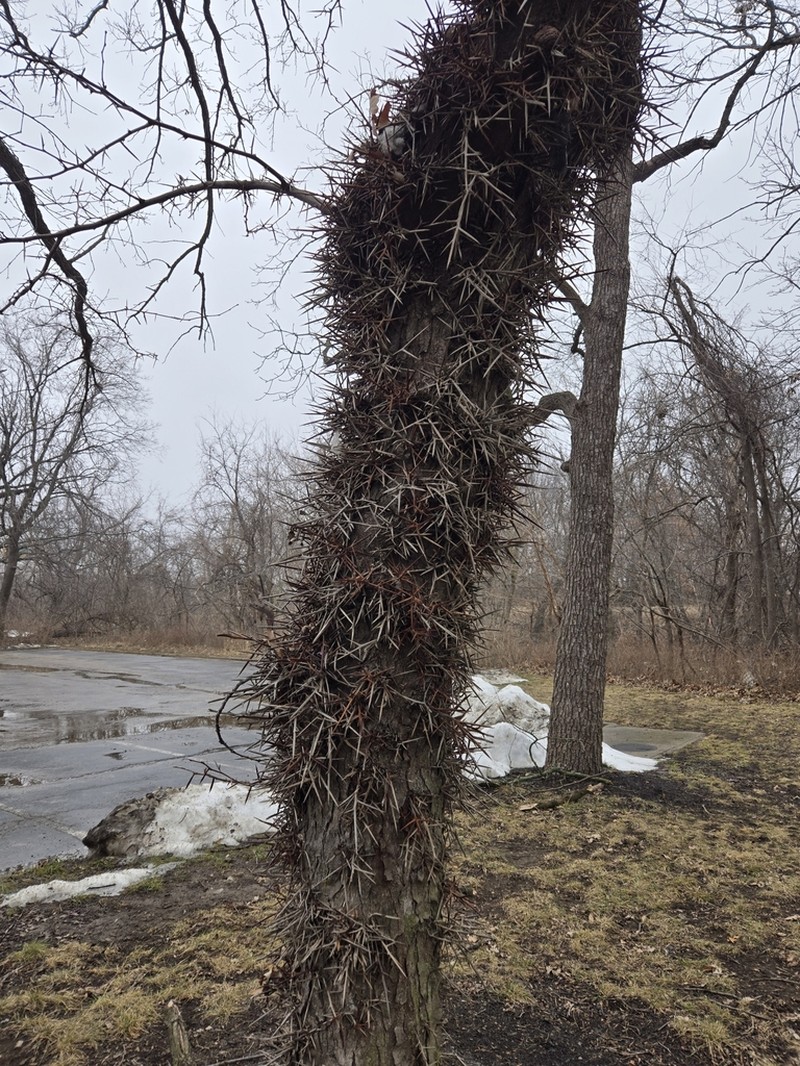
Taxonomy
- Division:
- Magnoliophyta | - Flowering plants
- Family:
- Fabaceae
- Genus:
- Gleditsia
- Species:
- Gleditsia triacanthos
- USDA Symbol:
- GLTR
Growth Characteristics
- Life Cycle:
- Perennial
- Growth Habit:
- Shrub , Tree
- Height:
- 3000 cm
- Light Requirements:
- Part Shade
- Drought Tolerance:
- High
- Bloom Months:
- may,jun
- Bloom Colors:
- greenish-yellow
- Food Forest:
- Contains edible parts
Wildlife Benefits
- Butterflies & Moths:
- ★★★★★ Documented Lepidoptera association (GBIF)
- Caterpillars:
- ★★★★☆ Recorded caterpillar host plant (HOSTS Database)
Keystone Species Ranking
- Caterpillar Keystone:
- ★★★★☆ Butterfly & moth species supported by this genus (NWF)
Host Plant for Caterpillars
Bagworm moth (Thyridopteryx ephemeraeformis), Betrothed Underwing (Catocala innubens), Bisected Sphinx Moth (Syssphinx bisecta), Blanchard's Prominent Moth (Syssphinx blanchardi), Burns' buck moth (Hemileuca burnsi), Cecropia moth (Hyalophora cecropia), Clinton's Underwing (Catocala clintonii), common gray (Anavitrinella pampinaria), common spring moth (Heliomata cycladata), Fall webworm (Hyphantria cunea), Genista Broom Moth (Uresiphita reversalis), Gypsy moth (Lymantria dispar), Hubbard's silk moth (Syssphinx hubbardi), Imperial Moth (Eacles imperialis), Io moth (Automeris io), Juno buckmoth (Hemileuca juno), Little Underwing (Catocala minuta), Magdalen Underwing (Catocala illecta?), Magdalen Underwing (Catocala illecta), Mellilla xanthometata, mimosa webworm (Homadaula anisocentra), moon-lined moth (Spiloloma lunilinea), Morning-glory prominent moth (Schizura ipomoeae), Mountain Sphinx Moth (Syssphinx montana), navel orangeworm (Amyelois transitella), Peppered Moth (Biston betularia), Periploca gleditschiaeella, Phtheochroa leguminana, Polyphemus moth (Antheraea polyphemus), raspa sphinx moth (Syssphinx raspa), Riley's lappet moth (Heteropacha rileyana), Semiothisa ocellinata, Semiothisa snoviata, sparganothis fruitworm moth (Sparganothis sulfureana), Spring cankerworm (Paleacrita vernata), Syssphinx heiligbrodti, Syssphinx quadrilineata, Tlascala reductella, tricolor buckmoth (Hemileuca tricolor), Two-colored sossphinx (Syssphinx bicolor), Unicorn caterpillar moth (Schizura unicornis), Variegated cutworm (Peridroma saucia), White-marked Tussock Moth (Orgyia leucostigma), woodland leafroller (Pandemis lamprosana), Yellownecked caterpillar (Datana integerrima), Zale undularis, Silver-spotted Skipper (Epargyreus clarus)
Reported Fauna Sightings
Moths:Betrothed Underwing (Catocala innubens), Little Underwing (Catocala minuta), moon-lined moth (Spiloloma lunilinea), Riley's lappet moth (Heteropacha rileyana), Ufeus plicatus
Garden & Ecology Notes
- Wildlife Value:
- birds, mammals
- Salt Tolerant:
- Yes
- Fall Color:
- yellow
- Fire Ecology:
- Fire adapted — tolerates or benefits from fire
- Fire Notes:
- Thick bark provides some fire resistance; can resprout after fire.
Soil Requirements
- Soil Type:
- rich, well-drained loamy soil
- pH:
- 6.0 - 8.0 (neutral to slightly alkaline)
- Drainage:
- tolerates poor drainage
- Moisture:
- dry to moderate
- Notes:
- Adaptable to various soil types including clay and sandy soils.
Propagation & Germination
- Stratification:
- Cold/moist stratification required — 30–60 days
- Scarification:
- Seed coat scarification required before sowing
- Germination Time:
- 14–30 days
- Notes:
- Seeds require scarification (nicking or hot water treatment) followed by cold stratification for 30-60 days.
Pre-treatment: Seeds germinate at 30/20 C. Germination was equal in light and dark.
Source: npn.rngr.net
ORGHPS Germination Guide: Sow @ 20C. Germinates within 3 months. Requires scarification. | Requires soaking 24-48 hrs; discard floaters.
Where to Buy
Nationwide Seller
- Sheffield's Seed (seeds)