
Quickstick
Gliricidia sepium
- Native to:
- Belize, Colombia, Costa Rica, El Salvador, Guam, Guatemala, Honduras, Mexico, Nicaragua, Palau, Panamá, Southwest Caribbean
Vengolis
Taxonomy
- Division:
- Magnoliophyta | - Flowering plants
- Family:
- Fabaceae
- Genus:
- Gliricidia
- Species:
- Gliricidia sepium
- USDA Symbol:
- GLSE2
Growth Characteristics
- Life Cycle:
- Perennial
- Growth Habit:
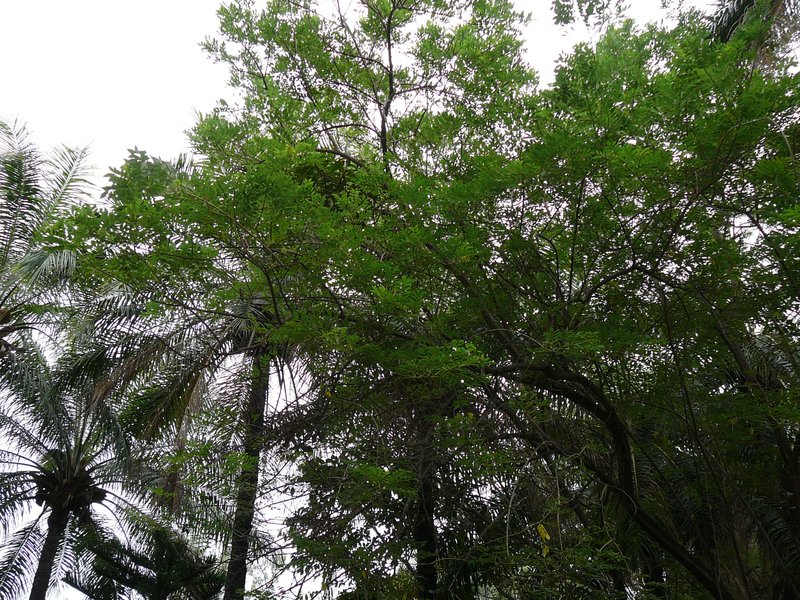
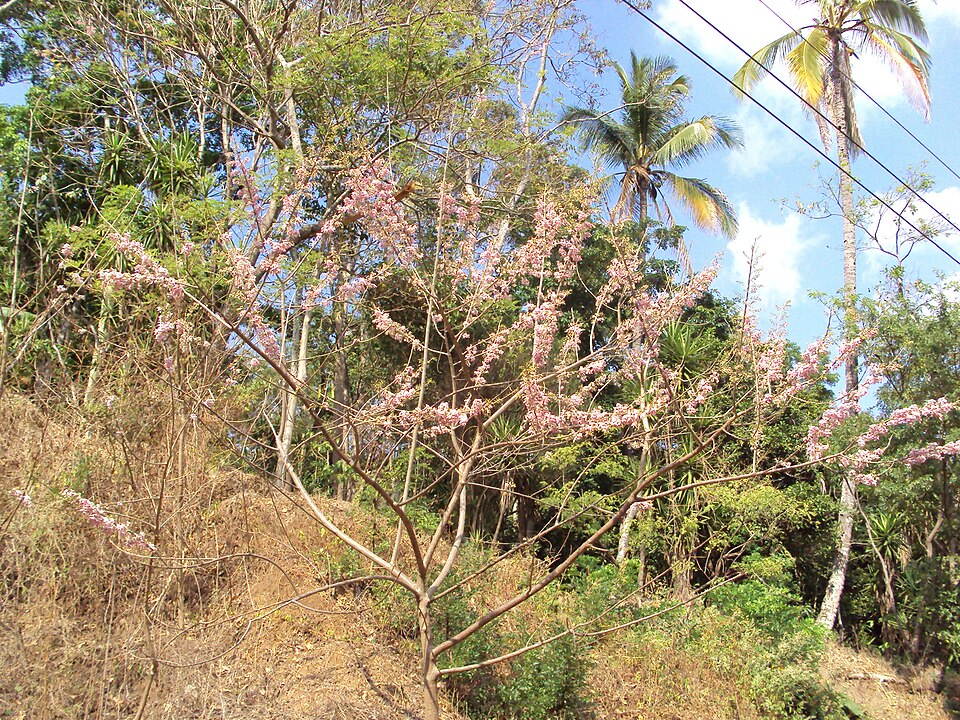
- Tree
- Height:
- 1500 cm
- Light Requirements:
- Full Sun
- Drought Tolerance:
- High
- Bloom Months:
- jan,feb,mar,apr,may,jun,jul,aug,sep,oct,nov,dec
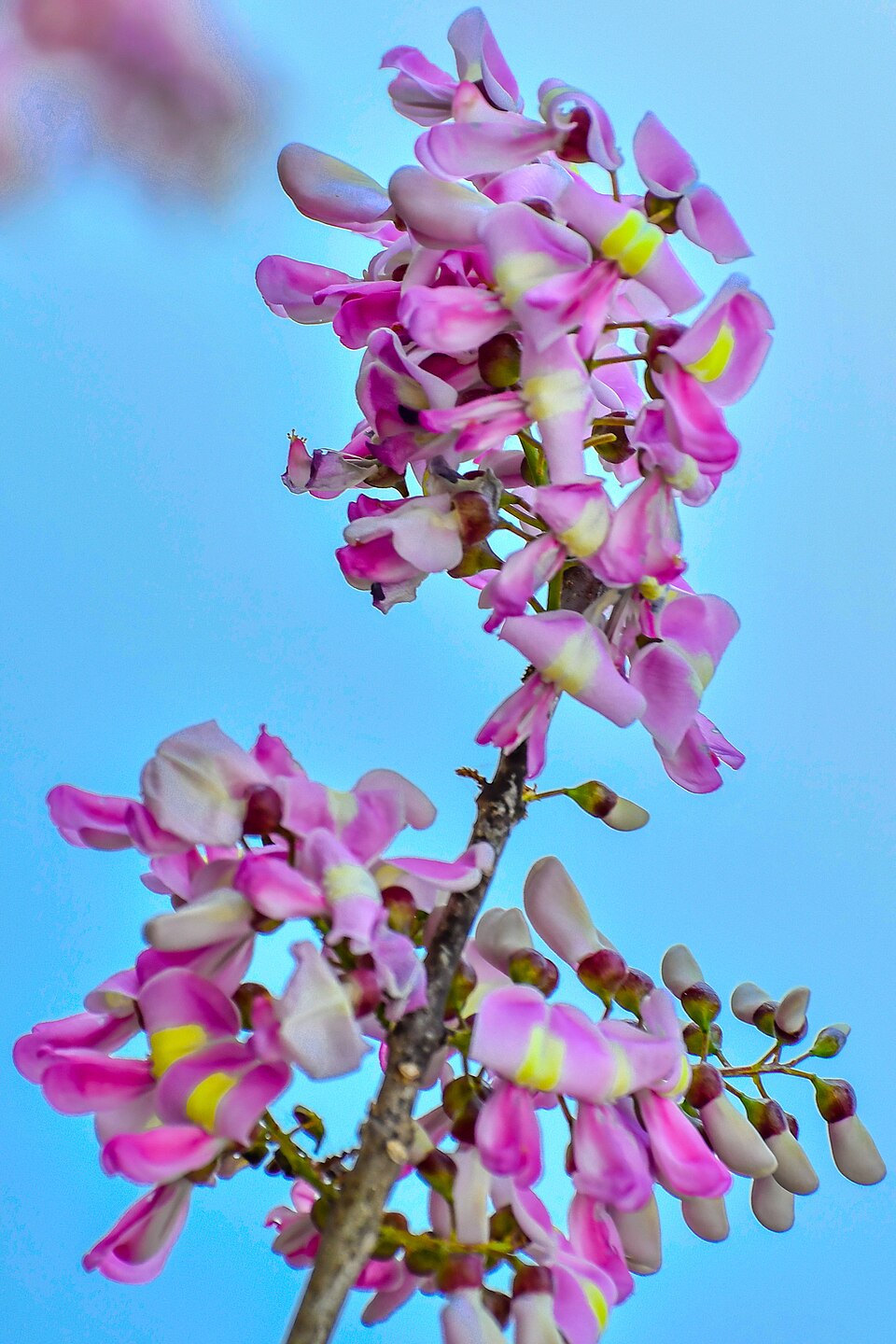
- Bloom Colors:
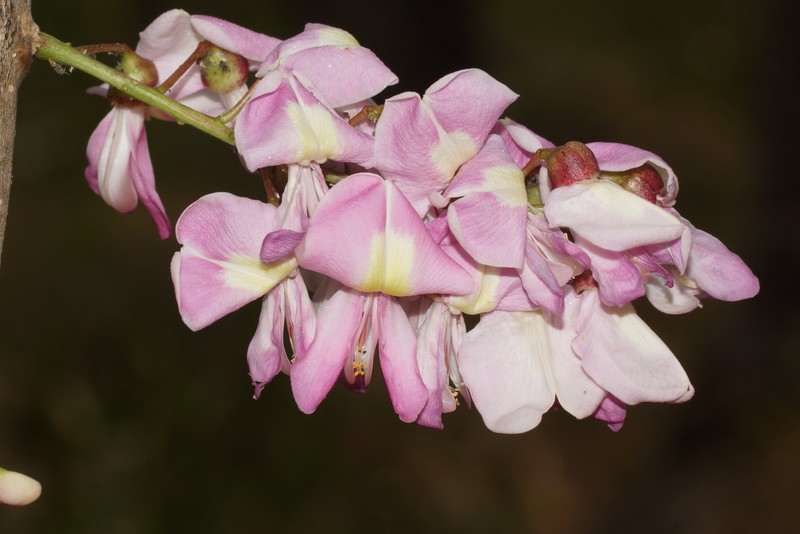
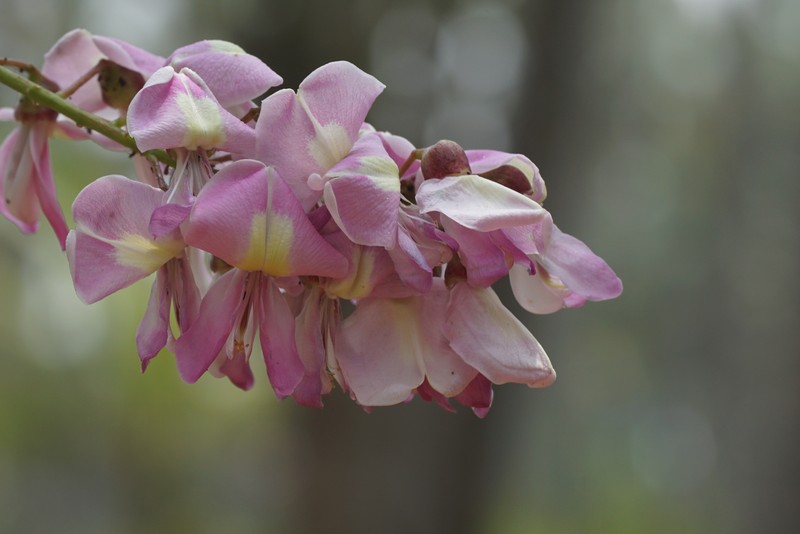
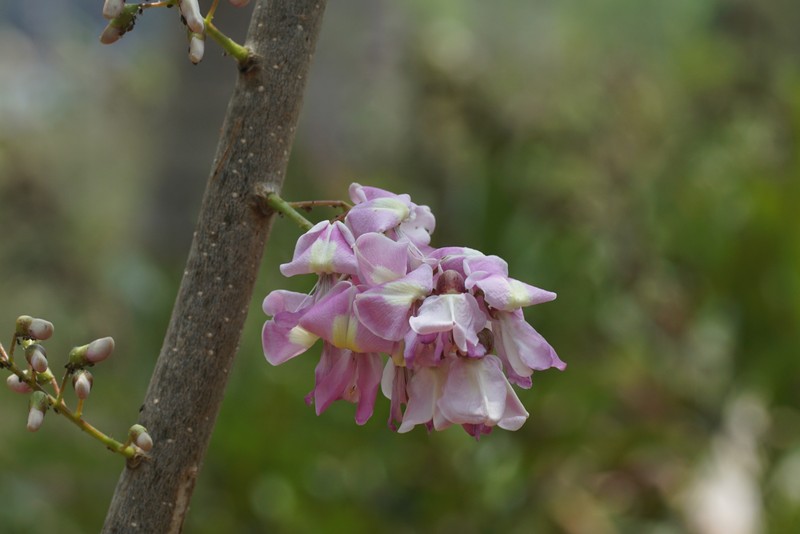
- pink, white
Wildlife Benefits
- Bees:
- ★☆☆☆☆ Documented bee visitation (GBIF)
- Butterflies & Moths:
- ★★★★★ Documented Lepidoptera association (GBIF)
- Caterpillars:
- ★☆☆☆☆ Recorded caterpillar host plant (HOSTS Database)
- Hummingbirds:
- ★★★★★ Documented hummingbird visits (GBIF)
Garden & Ecology Notes
- Wildlife Value:
- birds, butterflies, small mammals
- Salt Tolerant:
- Yes
- Fragrant:
- Yes
Soil Requirements
- Soil Type:
- fertile, well-drained loamy soil
- pH:
- 5.5 - 7.5 (slightly acidic to neutral)
- Drainage:
- excellent drainage required
- Moisture:
- dry to moderate
- Notes:
- thrives in degraded soils and can improve soil fertility
Propagation & Germination
- Scarification:
- Seed coat scarification required before sowing
- Germination Time:
- 7–21 days
- Notes:
- Seeds require scarification (nicking or hot water treatment) to break physical dormancy.
Pre-treatment: For seeds, soaking overnight in cool water will cause them to swell and hasten germination. For cuttings, the lower portion is usually 'wounded' using a knife or clippers to make a few small incisions in the bark to promote rooting.
Establishment: Gliricidia is highly variable in form and productivity. Superior provenances such as Retalhuleu should be sought out for propagation. Seed pods are collected when brown and ripe, but before they are dry enough to curl and release their seeds. Cuttings can be taken any time of year, ideally when the new growth is appearing, usually at the onset of the rainy season.
Source: npn.rngr.net