
Glycine clandestina
Glycine clandestina
- Native to:
- Australia
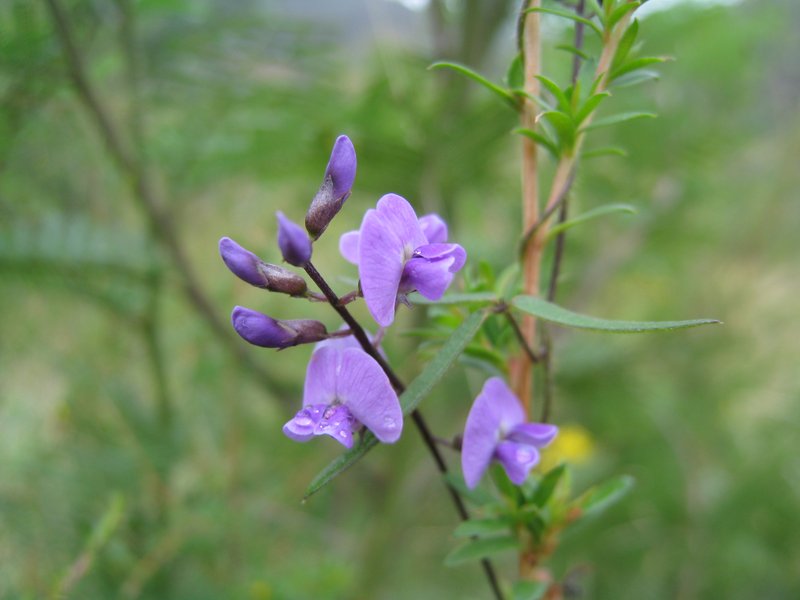
John Tann (www.flickr.com) from Sydney, Australia,Macleay Grass Man,Macleay Grass Man,Macleay Grass Man,Macleay Grass Man,Macleay Grass Man,Harry Rose (www.flickr.com) from South West Rocks, Australia,Harry Rose (www.flickr.com) from South West Rocks, Australia,Harry Rose (www.flickr.com) from South West Rocks, Australia,Macleay Grass Man,Harry Rose (www.flickr.com) from South West Rocks, Australia,Harry Rose (www.flickr.com) from South West Rocks, Australia

Taxonomy
- Division:
- Magnoliophyta | - Flowering plants
- Family:
- Fabaceae
- Genus:
- Glycine
- Species:
- Glycine clandestina
- USDA Symbol:
- GLCL2
Growth Characteristics
- Height:
- 200 cm
- Light Requirements:
- Full Sun
- Drought Tolerance:
- Medium
- Bloom Months:
- jan,feb,mar,oct,nov,dec
- Bloom Colors:
- purple, pink
Garden & Ecology Notes
- Wildlife Value:
- bees, butterflies
Soil Requirements
- Soil Type:
- well-drained, sandy or loamy soil
- pH:
- 5.5 - 7.0 (slightly acidic to neutral)
- Drainage:
- excellent drainage required
- Moisture:
- dry to moderate
- Notes:
- native to open forests and woodlands
Propagation & Germination
- Scarification:
- Seed coat scarification required before sowing
- Germination Time:
- 14–30 days
- Notes:
- Seeds require scarification (nicking or hot water treatment) to break physical dormancy.