
Yellow Nicker
Guilandina bonduc
- Native to:
- Aldabra, American Samoa, Andaman Is., Australia, Bahamas, Bangladesh, Belize, Benin, Bermuda, Bismarck Archipelago, Borneo, Brazil, Burkina, Cambodia, Cameroon, Cape Verde, Caroline Is., Cayman Is., Central American Pacific Is., Chagos Archipelago, China, Christmas I., Cocos (Keeling) Is., Colombia, Comoros, Congo, Costa Rica, Cuba, Dominican Republic, DR Congo, Equatorial Guinea, Federated States of Micronesia, Fiji, Gabon, Gambia, Ghana, Guam, Guinea, Guinea-Bissau, Gulf of Guinea Is., Guyana, Hainan, Haiti, Honduras, India, Ivory Coast, Jamaica, Jawa, Kazan-retto, Kenya, Laccadive Is., Laos, Leeward Is., Lesser Sunda Is., Liberia, Madagascar, Malaya, Maldives, Maluku, Marcus I., Marianas, Marquesas, Marshall Is., Marshall Islands, Mauritius, Mexico, Mozambique, Mozambique Channel Is., Myanmar, Nansei-shoto, Nepal, New Caledonia, New Guinea, Nicaragua, Nicobar Is., Nigeria, Norfolk Is., Northern Mariana Islands, Ogasawara-shoto, Oman, Palau, Peru, Philippines, Puerto Rico, Réunion, Rodrigues, Samoa, Saudi
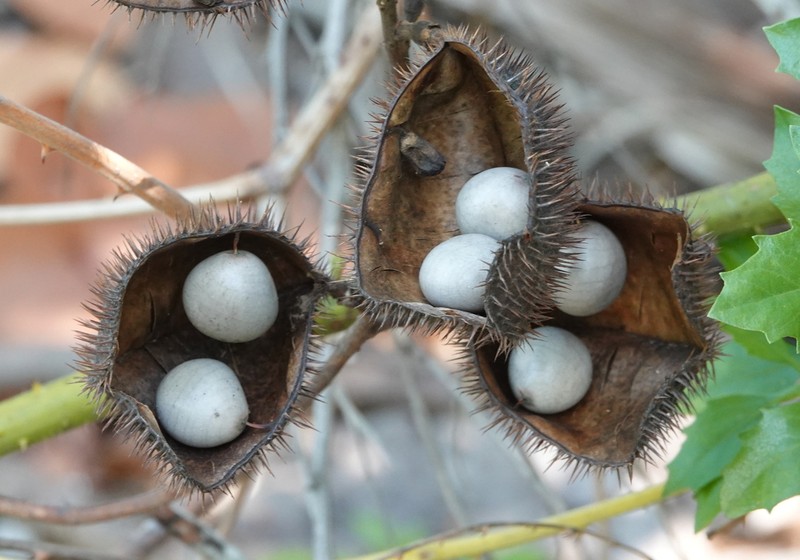
iNaturalist: © ceherzog (iNaturalist #44597866)
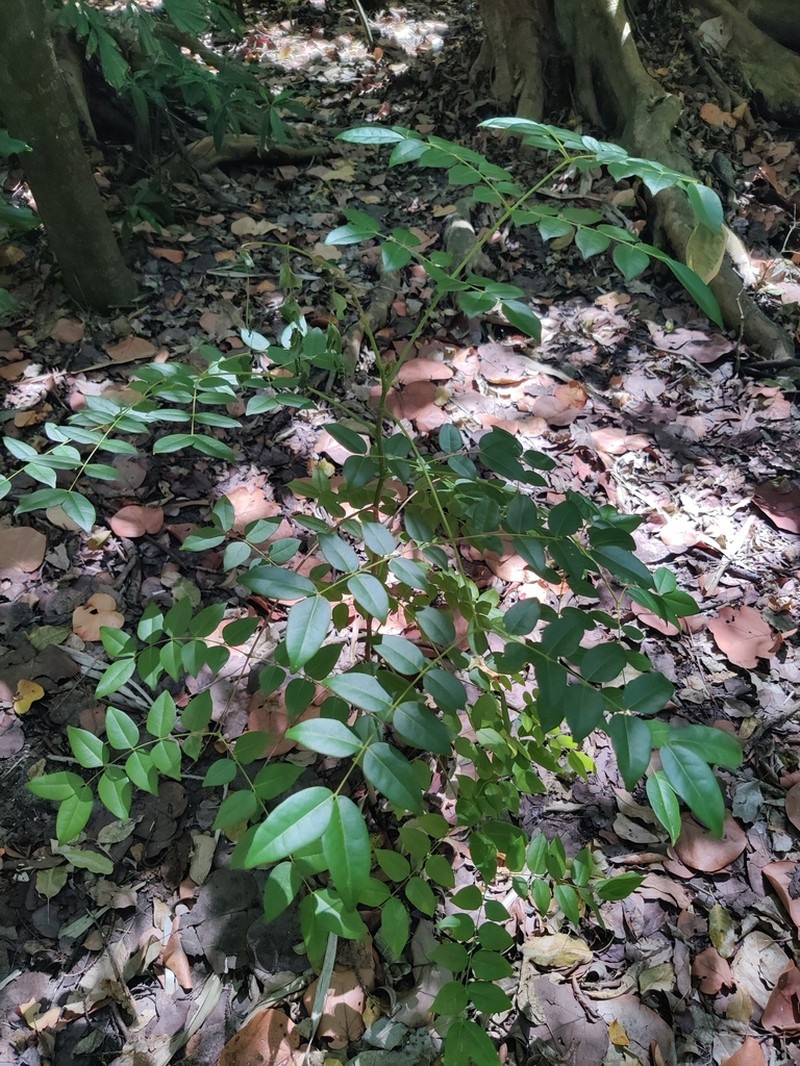
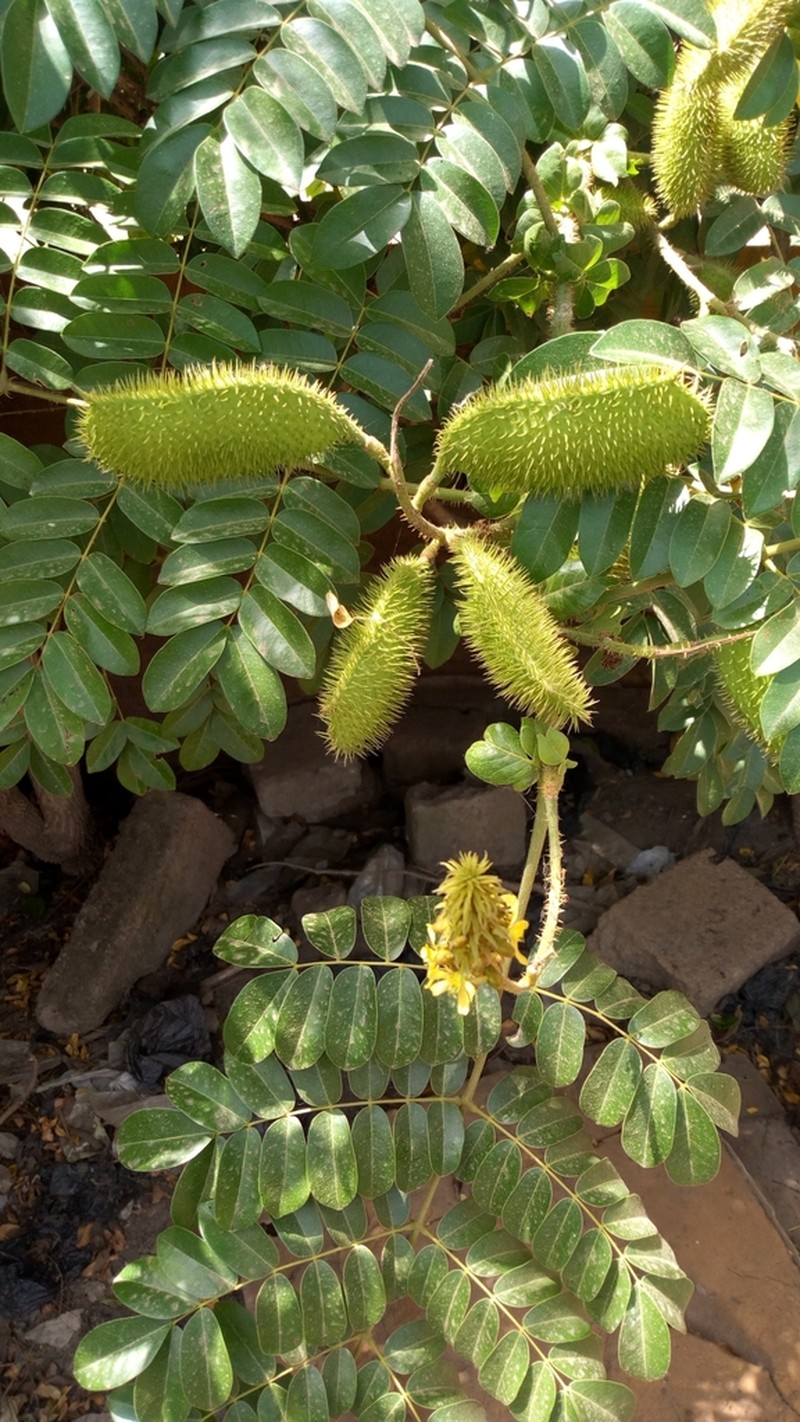
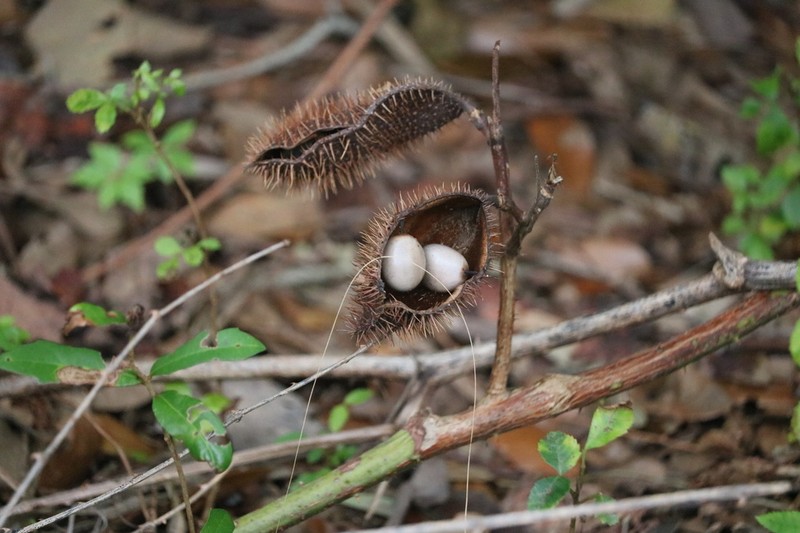
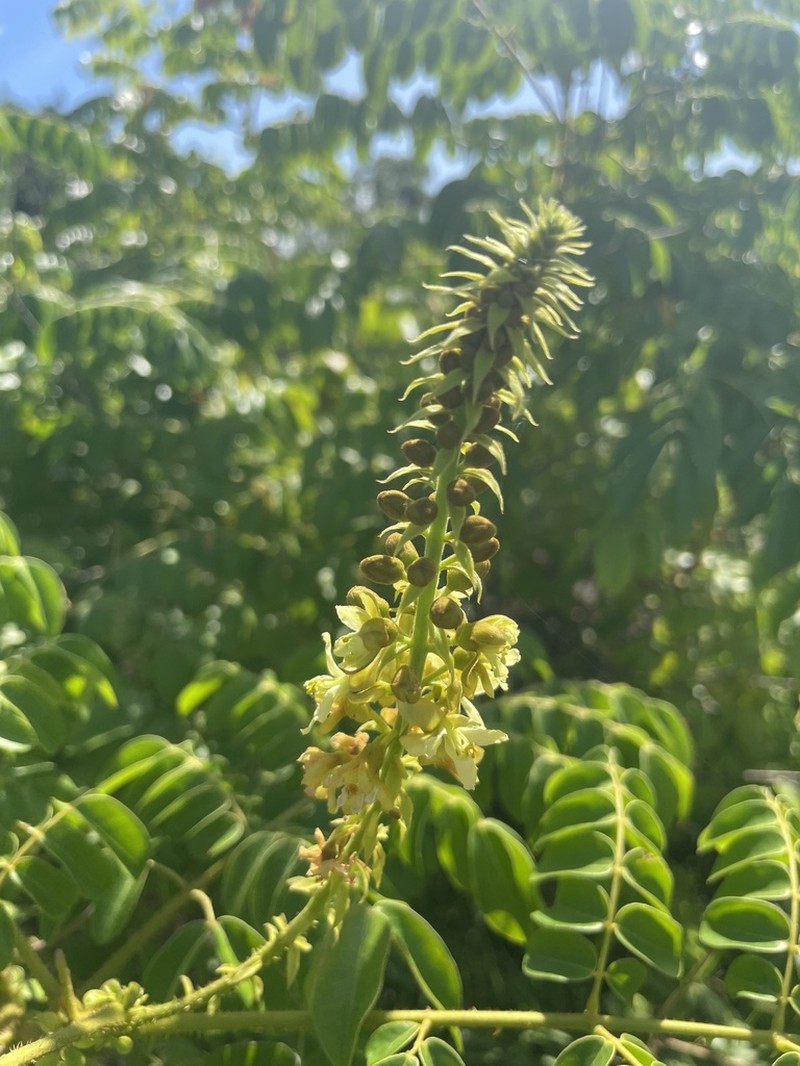
Taxonomy
- Division:
- Magnoliophyta | - Flowering plants
- Family:
- Fabaceae
- Genus:
- Guilandina
- Species:
- Guilandina bonduc
- USDA Symbol:
- CABO6
Growth Characteristics
- Life Cycle:
- Perennial
- Growth Habit:
- Shrub , Vine
- Height:
- 600 cm
- Light Requirements:
- Full Sun
- Drought Tolerance:
- High
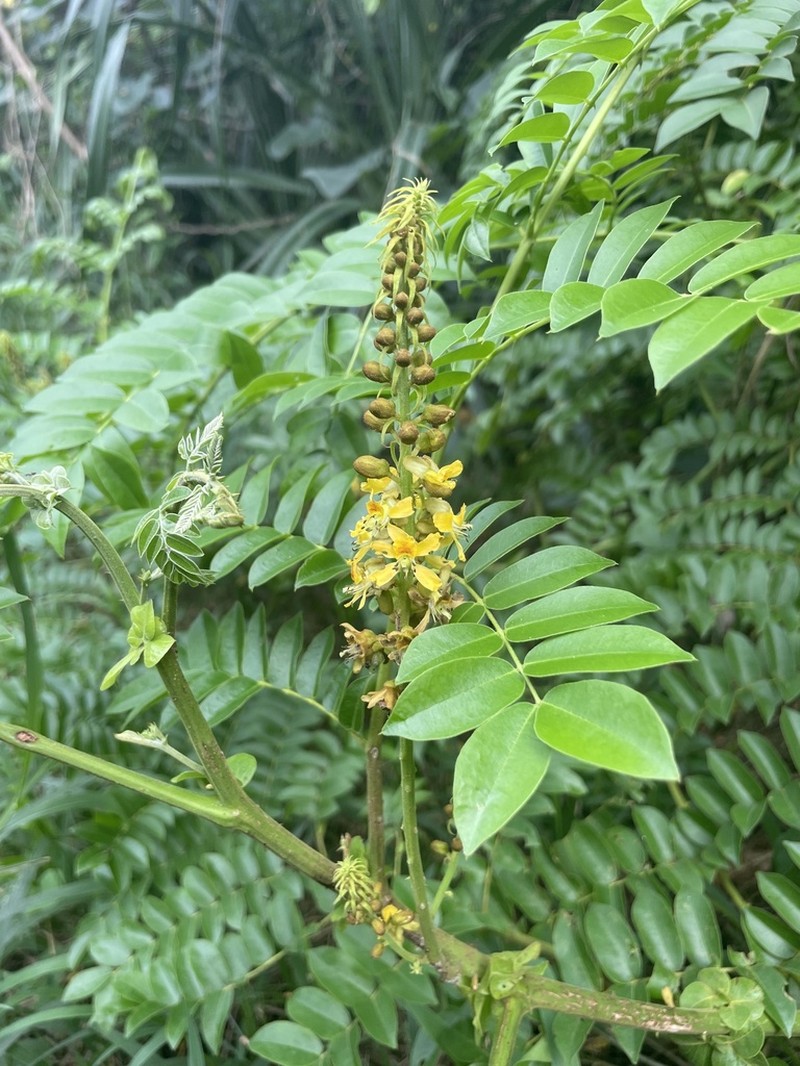
- Bloom Months:
- may,jun,jul,aug,sep
- Bloom Colors:
- yellow
Wildlife Benefits
- Bees:
- ★★★☆☆ Documented bee visitation (GBIF)
- Butterflies & Moths:
- ★★★☆☆ Documented Lepidoptera association (GBIF)
- Caterpillars:
- ★☆☆☆☆ Recorded caterpillar host plant (HOSTS Database)
Host Plant for Caterpillars
Blastobasis guilandinae, Marmara guilandinella, Pococera floridella
Garden & Ecology Notes
- Wildlife Value:
- birds, small mammals
- Deer Resistant:
- Yes
- Salt Tolerant:
- Yes
Soil Requirements
- Soil Type:
- sandy, well-drained, nutrient-poor soil
- pH:
- 6.0 - 8.0 (neutral to slightly alkaline)
- Drainage:
- excellent drainage required
- Moisture:
- dry to moderate
- Notes:
- commonly found in coastal and scrub areas
Propagation & Germination
- Stratification:
- None required
- Scarification:
- Seed coat scarification required before sowing
- Germination Time:
- 30–90 days
- Notes:
- Seeds require scarification (nicking or sanding) to break hard seed coat; soak in hot water before planting.