
Utah Sweetvetch
Hedysarum boreale
- Native to:
- Canada, Russia, United States
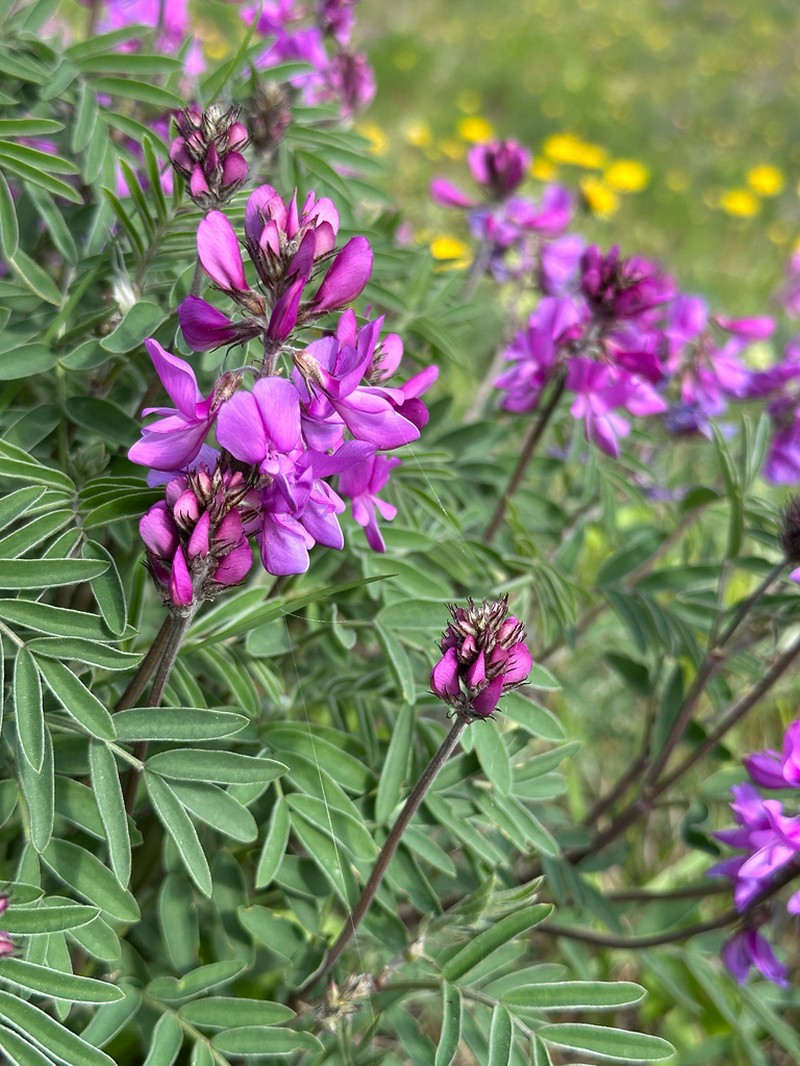
iNaturalist: © kacarter (iNaturalist #311230322)
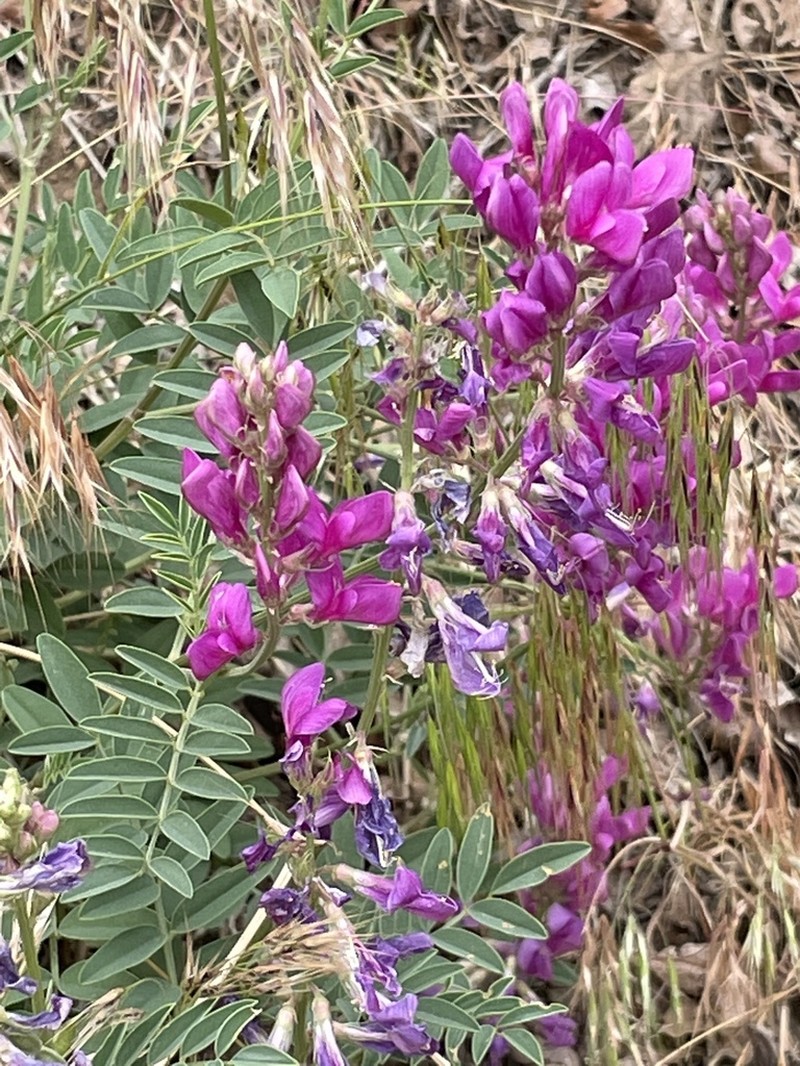
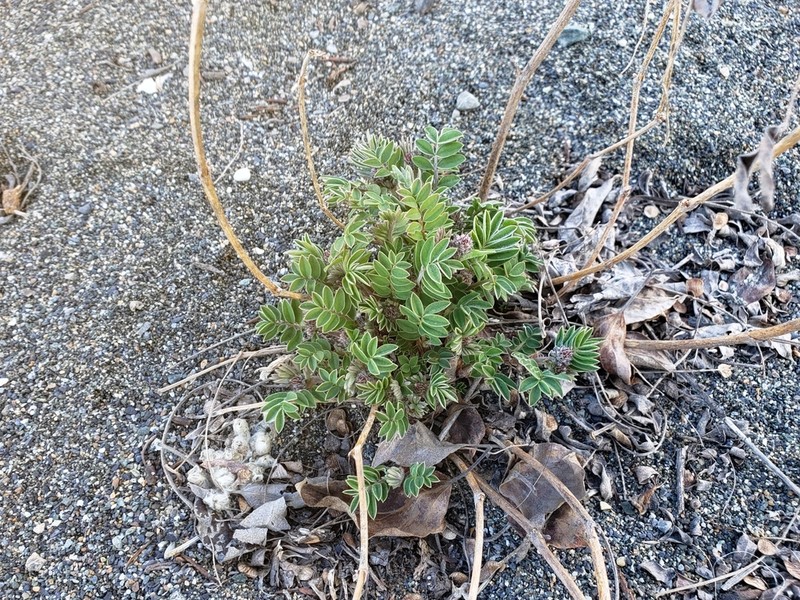
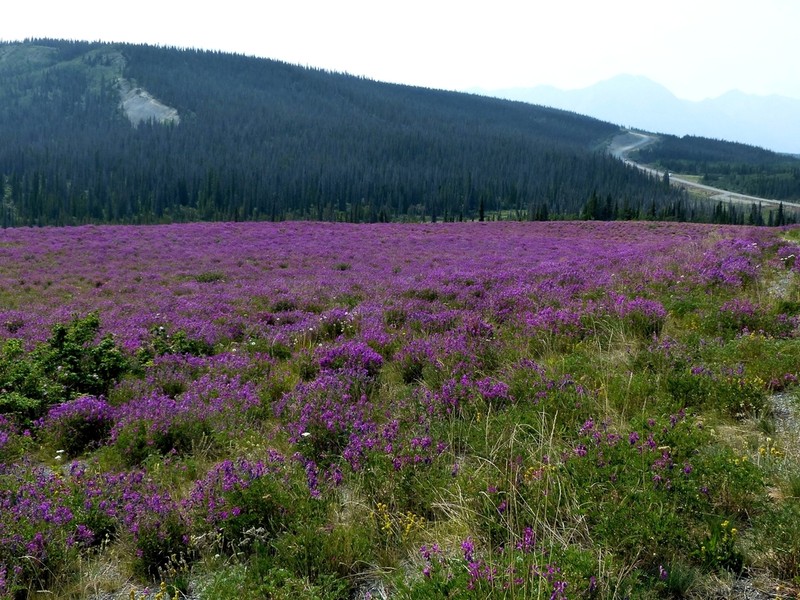
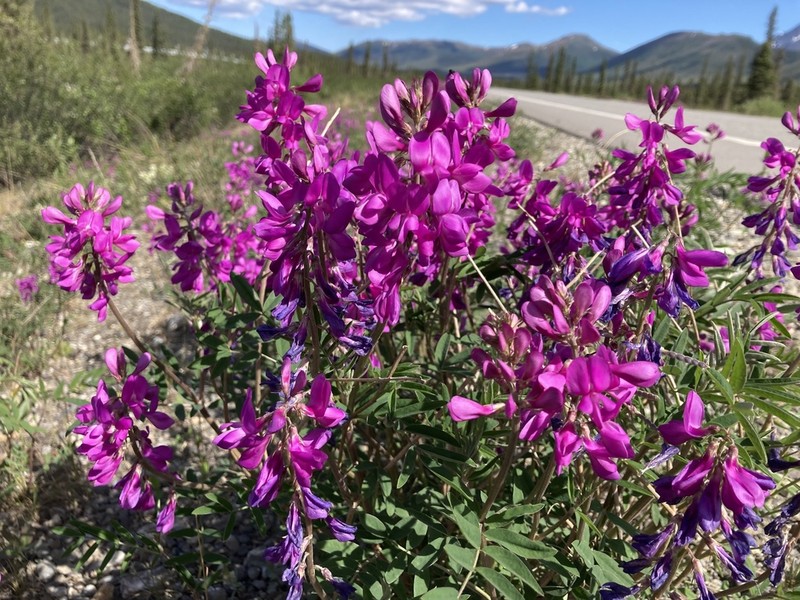
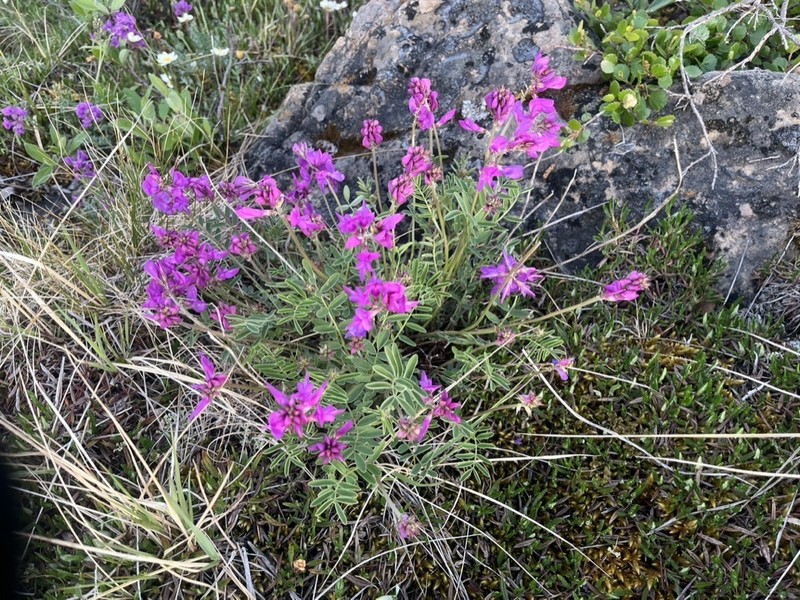
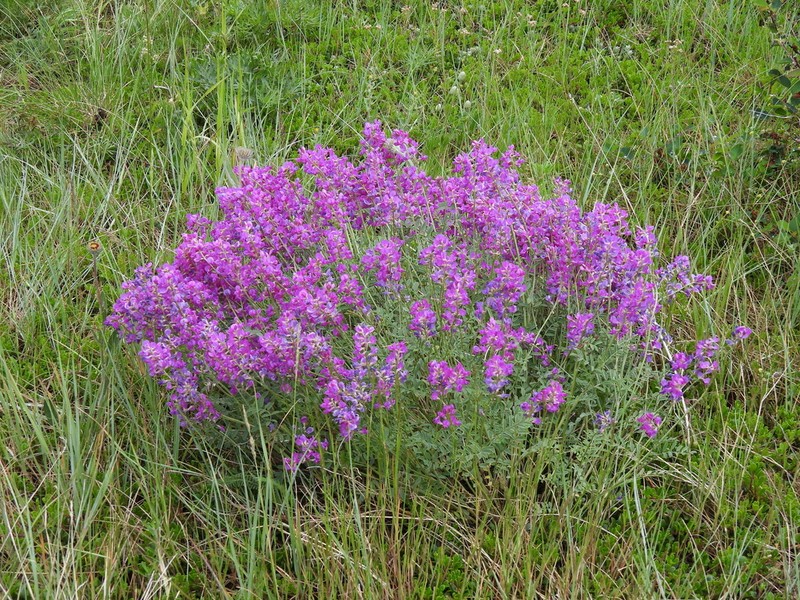
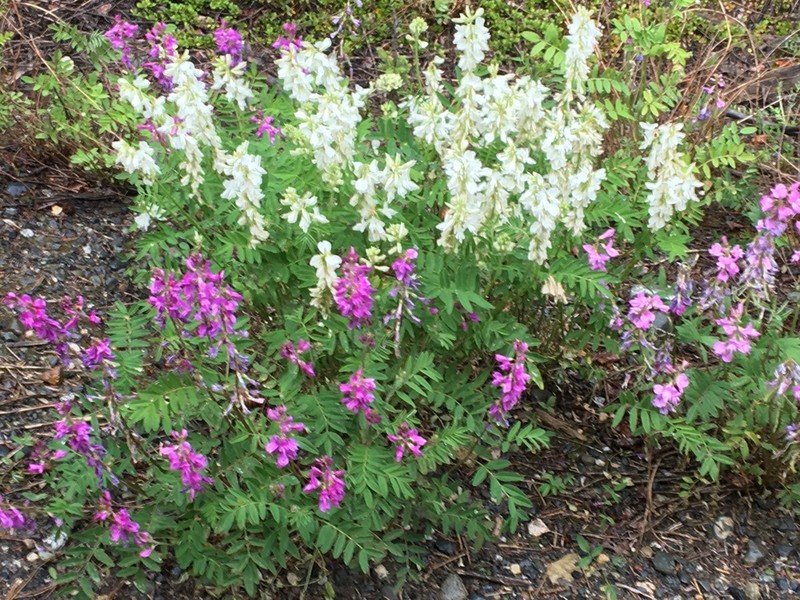
Taxonomy
- Division:
- Magnoliophyta | - Flowering plants
- Family:
- Fabaceae
- Genus:
- Hedysarum
- Species:
- Hedysarum boreale
- USDA Symbol:
- HEBO
Growth Characteristics
- Life Cycle:
- Perennial
- Growth Habit:
- Forb/herb
- Height:
- 60 cm
- Light Requirements:
- Full Sun
- Drought Tolerance:
- High
- Bloom Months:
- may,jun,jul
- Bloom Colors:
- pink, purple
Wildlife Benefits
- Bees:
- ★☆☆☆☆ Documented bee visitation (GBIF)
- Butterflies & Moths:
- ★★☆☆☆ Documented Lepidoptera association (GBIF)
- Caterpillars:
- ★★☆☆☆ Recorded caterpillar host plant (HOSTS Database)
Host Plant for Caterpillars
Coleophora accordella, Peppered Moth (Biston betularia), Hecla sulphur (Colias hecla), Melissa Blue (Lycaeides melissa), Queen Alexandra's Sulphur (Colias alexandra), Silvery Blue (Glaucopsyche lygdamus)
Reported Fauna Sightings
Bees: Brown-belted bumble bee (Bombus griseocollis), Hunt's bumble bee (Bombus huntii), Nevada bumble bee (Bombus nevadensis), Red-belted bumble bee (Bombus rufocinctus) Butterflies:Afranius Duskywing (Erynnis afranius)
Garden & Ecology Notes
- Wildlife Value:
- bees, butterflies
Soil Requirements
- Soil Type:
- well-drained, sandy or gravelly soil
- pH:
- 6.0 - 8.0 (slightly acidic to neutral)
- Drainage:
- excellent drainage required
- Moisture:
- dry to moderate
- Notes:
- native to dry, open areas and rocky slopes
Propagation & Germination
- Stratification:
- Cold/moist stratification required — 30–60 days
- Scarification:
- Seed coat scarification required before sowing
- Germination Time:
- 14–30 days
- Notes:
- Seeds benefit from scarification (nicking or hot water treatment) followed by cold stratification for 30-60 days to break dormancy.
Pre-treatment: Seeds can be soaked in H20 for 24 hours and sown, but no treatment is required.
Establishment: There is a discrepancy in the length of the establishment phase between the two protocols. The first protocol suggests that germination is complete in 3 weeks, while the second protocol suggests a longer period of 2 growing seasons.
Source: npn.rngr.net