
Hedysarum candidum
Hedysarum candidum
- Native to:
- Krym, North Caucasus
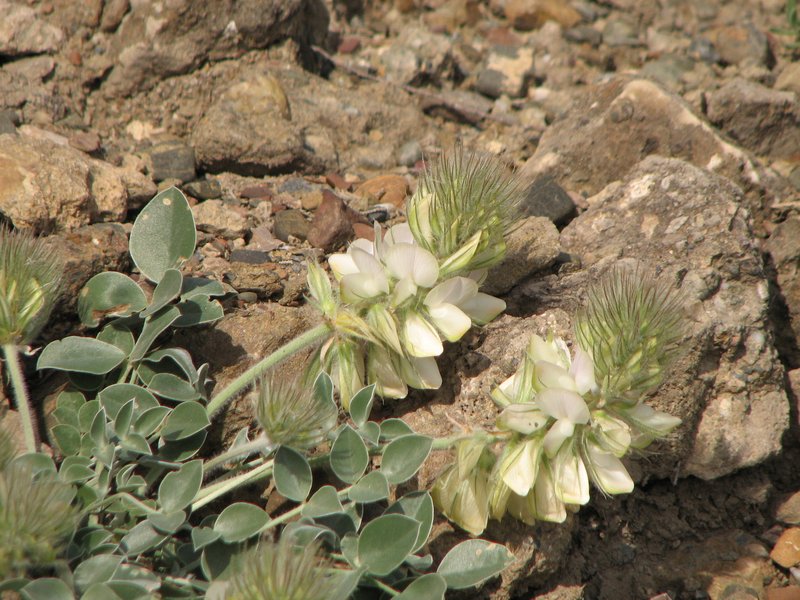
Sergey Cherkasov (www.inaturalist.org),Toppenish, Wash. : Washington Nursery Company,Kaiserlich-Königliche Gartenbau-Gesellschaft in Wien,Storrs & Harrison Co Painesville Nurseries Henry G. Gilbert Nursery and Seed Trade Catalog Collection,Conrad Loddiges & Sons,National Plant Materials Center (U.S.),Bisch, Gottlieb Wilhelm,J.M. Thorburn & Co Henry G. Gilbert Nursery and Seed Trade Catalog Collection,Short, Charles Wilkins, 1794-1863 Peter, Robert, 1805-1894 Griswold, Henry A,,Edwards, Sydenham, 1769?-1819,Horto Botanico Barcinonensi

Taxonomy
- Division:
- Magnoliophyta | - Flowering plants
- Family:
- Fabaceae
- Genus:
- Hedysarum
- Species:
- Hedysarum candidum
- USDA Symbol:
- HECA32
Growth Characteristics
- Height:
- 60 cm
- Light Requirements:
- Full Sun,Part Shade
- Drought Tolerance:
- High
- Bloom Months:
- jun,jul,aug
- Bloom Colors:
- pink, purple
Garden & Ecology Notes
- Wildlife Value:
- bees, butterflies
Soil Requirements
- Soil Type:
- sandy, well-drained, nutrient-poor soil
- pH:
- 6.0 - 7.5 (slightly acidic to neutral)
- Drainage:
- excellent drainage required
- Moisture:
- dry to moderate
- Notes:
- native to dry, rocky slopes
Propagation & Germination
- Stratification:
- Cold/moist stratification required — 30–60 days
- Germination Time:
- 14–30 days
- Notes:
- Seeds germinate readily after cold stratification; sow in spring.