
Big Deervetch
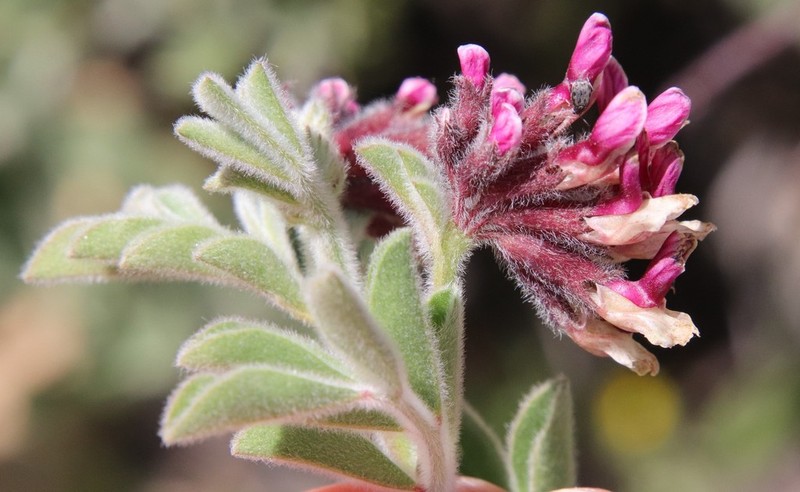
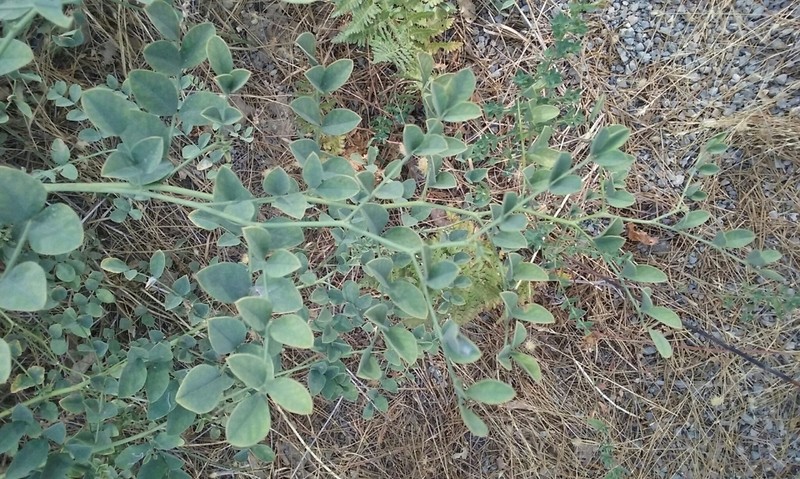
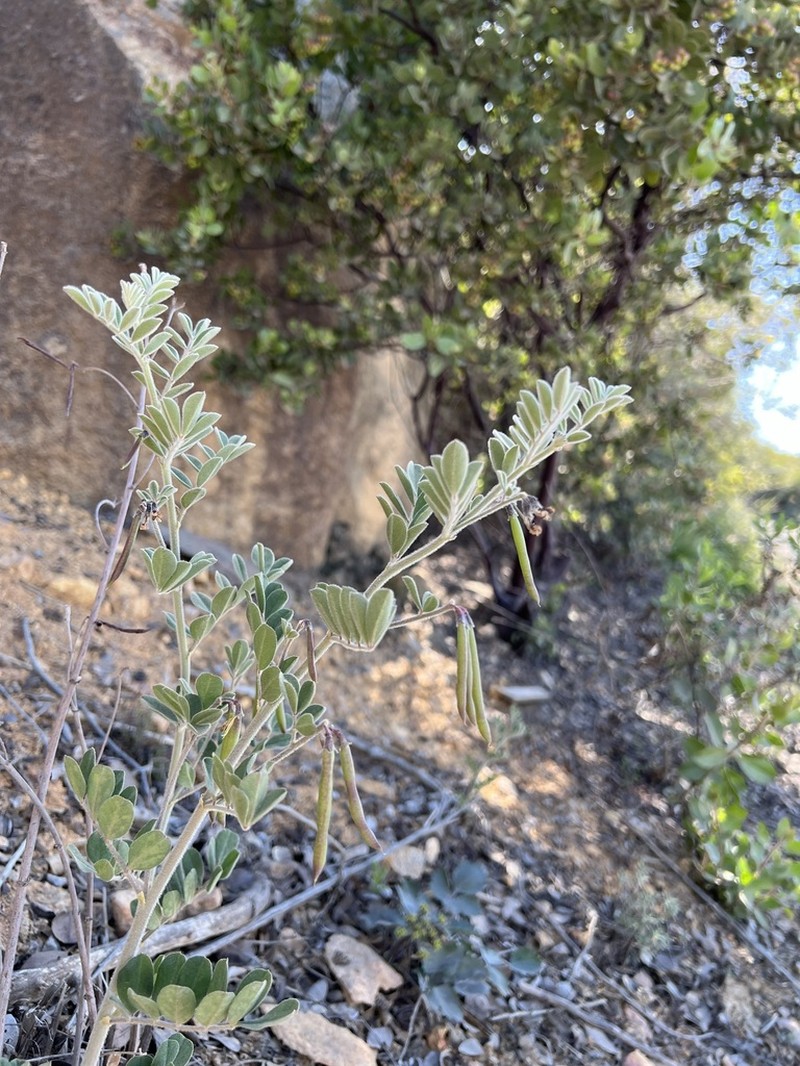
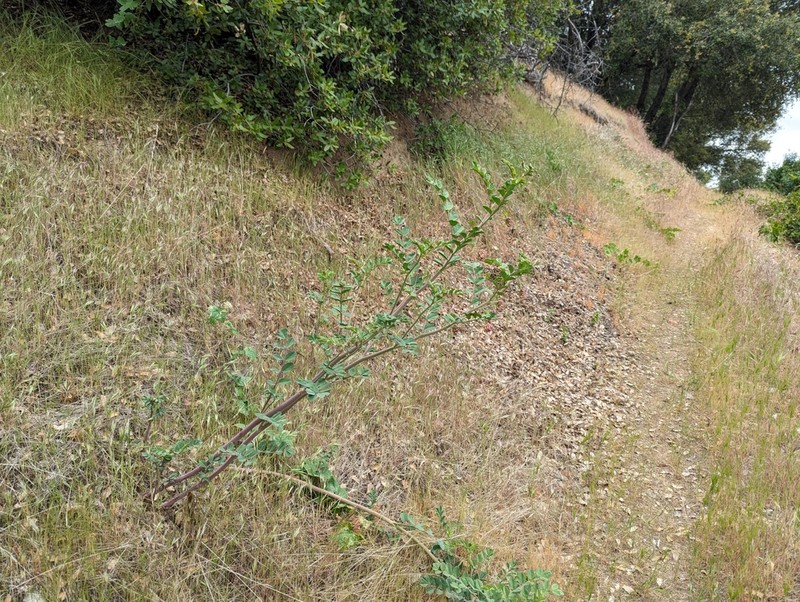
Hosackia crassifolia
- Native to:
- Mexico, United States
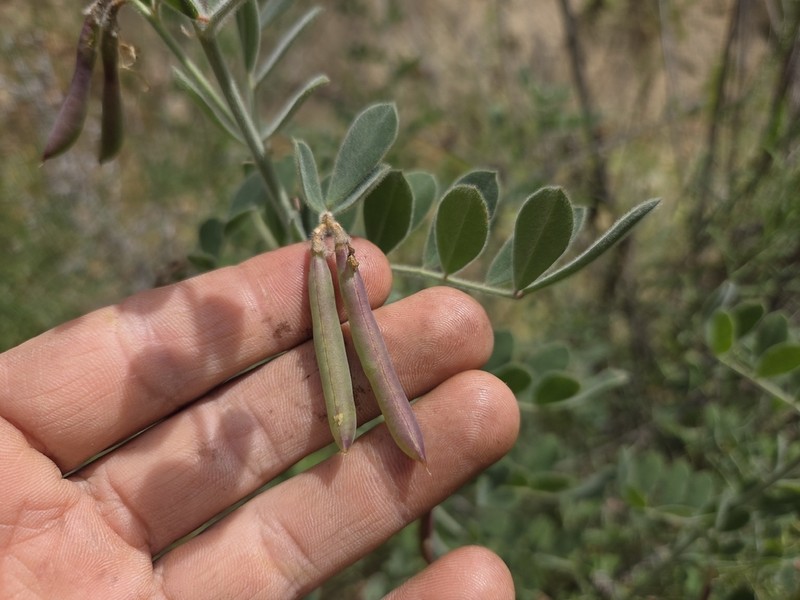
iNaturalist: © davidpc (iNaturalist #349446274)
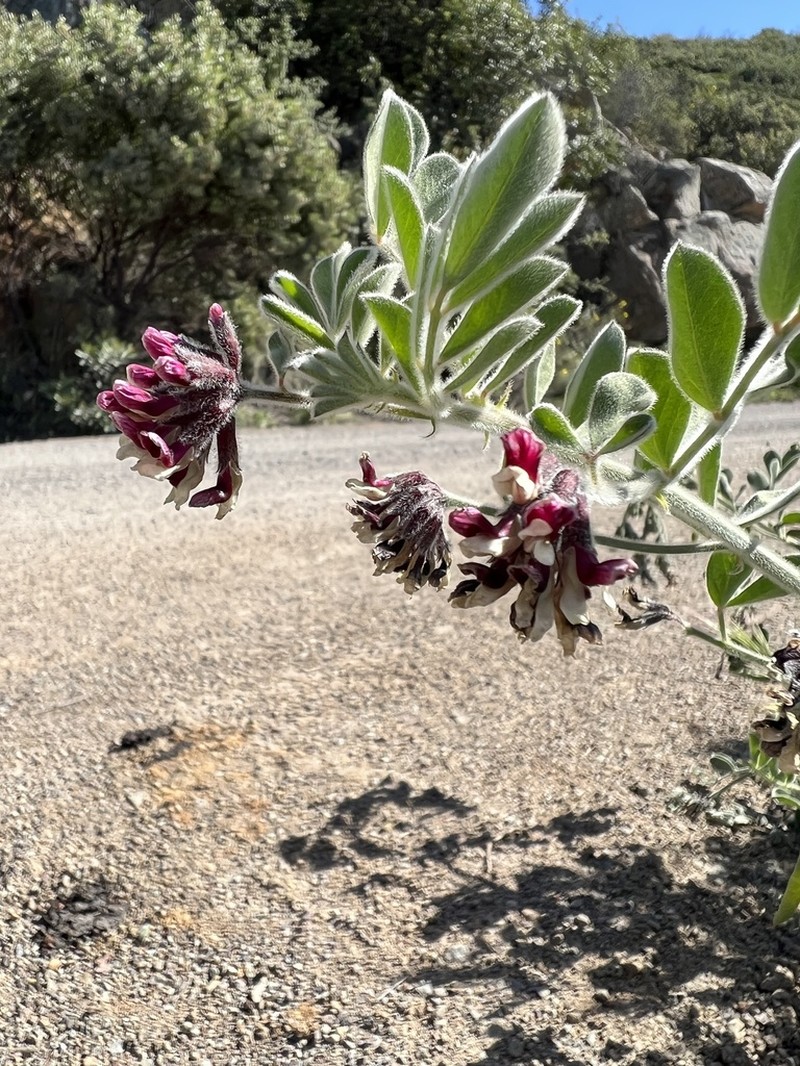
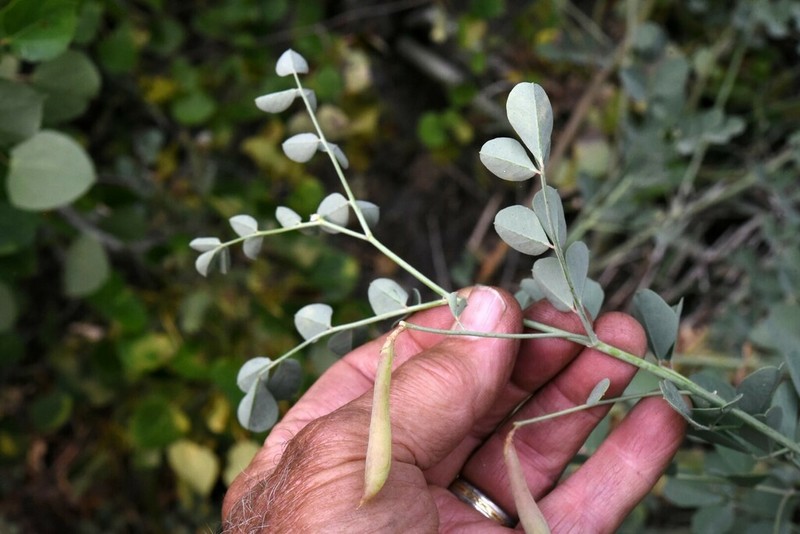
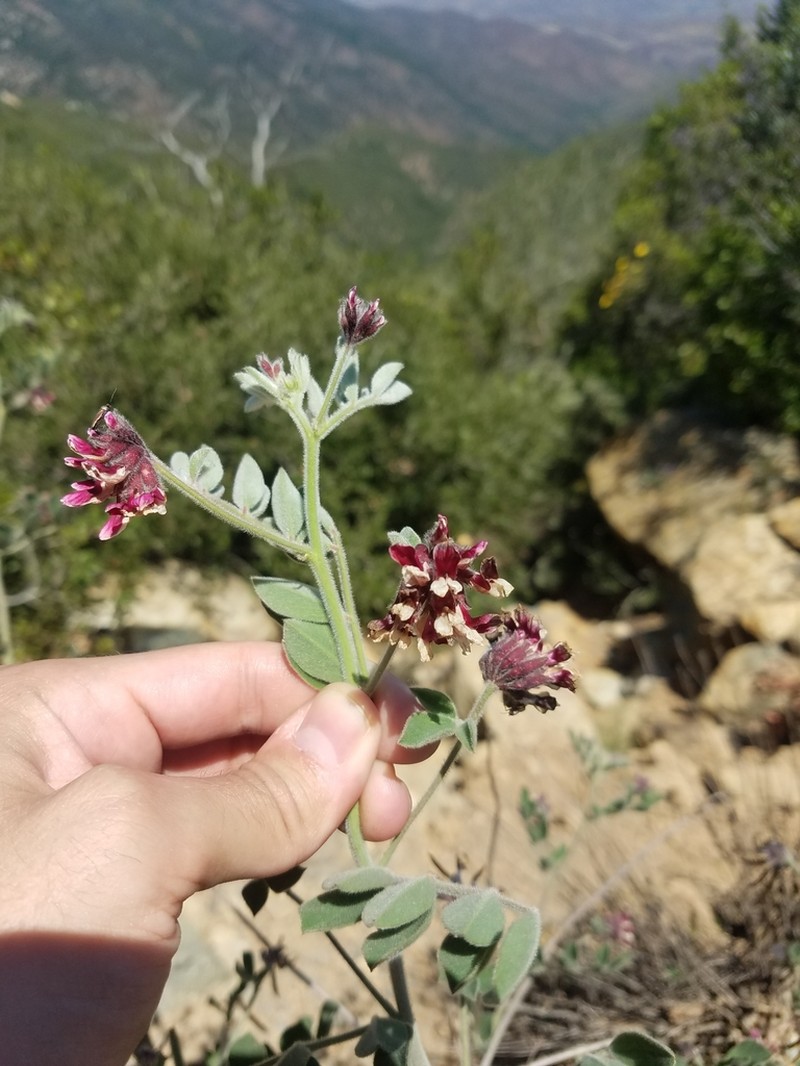
Taxonomy
- Division:
- Magnoliophyta | - Flowering plants
- Family:
- Fabaceae
- Genus:
- Hosackia
- Species:
- Hosackia crassifolia
- USDA Symbol:
- LOCR
Growth Characteristics
- Life Cycle:
- Perennial
- Growth Habit:
- Forb/herb
- Height:
- 60 cm
- Light Requirements:
- Full Sun
- Drought Tolerance:
- Medium
- Bloom Months:
- may,jun,jul
- Bloom Colors:
- yellow
Wildlife Benefits
- Bees:
- ★☆☆☆☆ Documented bee visitation (GBIF)
- Butterflies & Moths:
- ★☆☆☆☆ Documented Lepidoptera association (GBIF)
Host Plant for Caterpillars
California looper moth (Semiothisa californiaria), Dusky Green Hairstreak (Callophrys dumetorum), Northern Cloudywing (Thorybes pylades), Orange Sulphur (Colias eurytheme), Silver-spotted Skipper (Epargyreus clarus)
Reported Fauna Sightings
Bees: Black-tailed bumble bee (Bombus melanopygus), Fuzzy-horned bumble bee (Bombus mixtus), van Dyke bumble bee (Bombus vandykei), Yellow head bumble bee (Bombus flavifrons), Yellow-faced bumble bee (Bombus vosnesenskii) Butterflies:Dusky Green Hairstreak (Callophrys dumetorum)
Garden & Ecology Notes
- Wildlife Value:
- bees, butterflies
Soil Requirements
- Soil Type:
- well-drained, sandy or rocky soil
- pH:
- 5.5 - 7.5 (slightly acidic to neutral)
- Drainage:
- excellent drainage required
- Moisture:
- dry to moderate
- Notes:
- native to coastal and chaparral regions
Propagation & Germination
- Stratification:
- Cold/moist stratification required — 30–60 days
- Germination Time:
- 14–30 days
- Notes:
- Seeds benefit from cold stratification; sow in fall or after cold treatment.
Pre-treatment: Seeds require scarification either by soaking in water at 95 °C for 10 seconds and then immediately placed in cold water or scarified for 3 hours in a sandpaper-lined scarifier. After scarification, seeds are placed into a 1% hydrogen peroxide soak for 24 hours, rinsed, and placed in water for an additional 24 hours. Seeds are then refrigerated at 1 to 3 °C for 90 days.
Establishment: Seeds should be checked weekly during refrigeration. If mold is evident, seeds should be treated with 1% hydrogen peroxide. Native range includes southwestern Washington, western Oregon, California and Baja California, Mexico at elevations up to 8000 feet.
Source: npn.rngr.net