
Stinkingtoe
Hymenaea courbaril
- Native to:
- Belize, Bolivia, Brazil, Colombia, Costa Rica, Cuba, Dominican Republic, El Salvador, French Guiana, Guam, Guatemala, Guyana, Haiti, Honduras, Jamaica, Leeward Is., Mexico, Nicaragua, Panamá, Paraguay, Peru, Puerto Rico, Suriname, Trinidad-Tobago, Venezuela, Venezuelan Antilles, Virgin Islands, Windward Is.
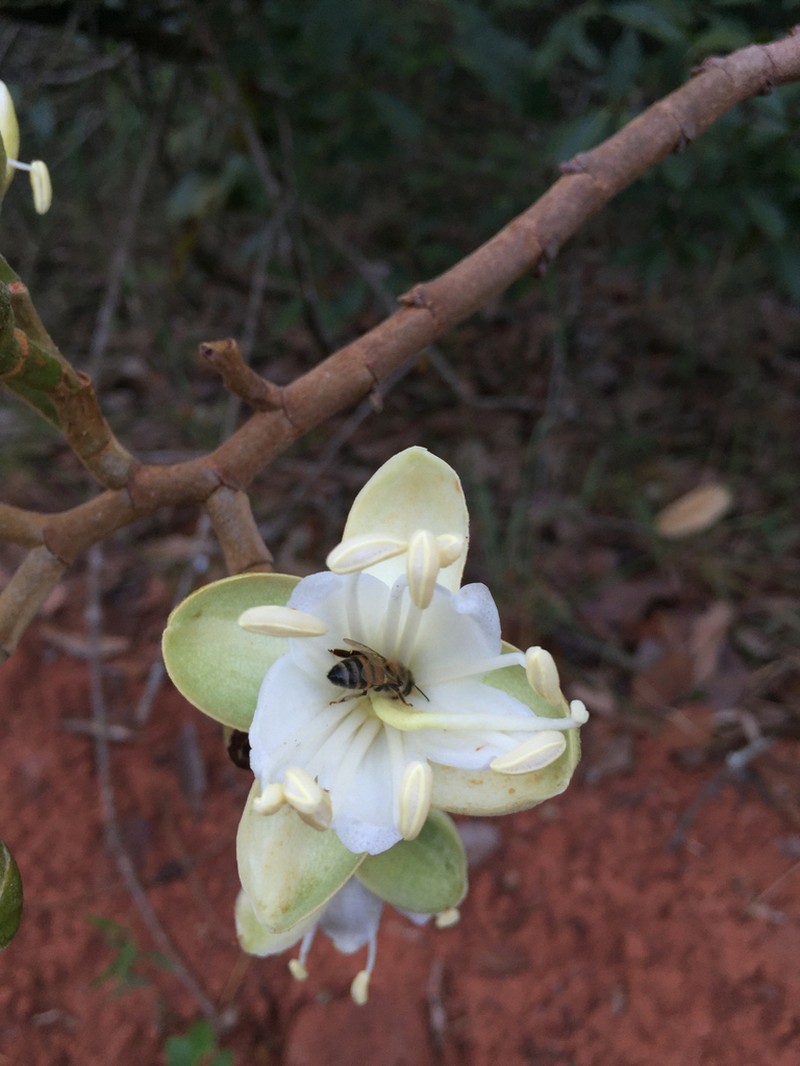
iNaturalist: © onildo_marini (iNaturalist #2669297)
Taxonomy
- Division:
- Magnoliophyta | - Flowering plants
- Family:
- Fabaceae
- Genus:
- Hymenaea
- Species:
- Hymenaea courbaril
- USDA Symbol:
- HYCO
Growth Characteristics
- Life Cycle:
- Perennial
- Growth Habit:
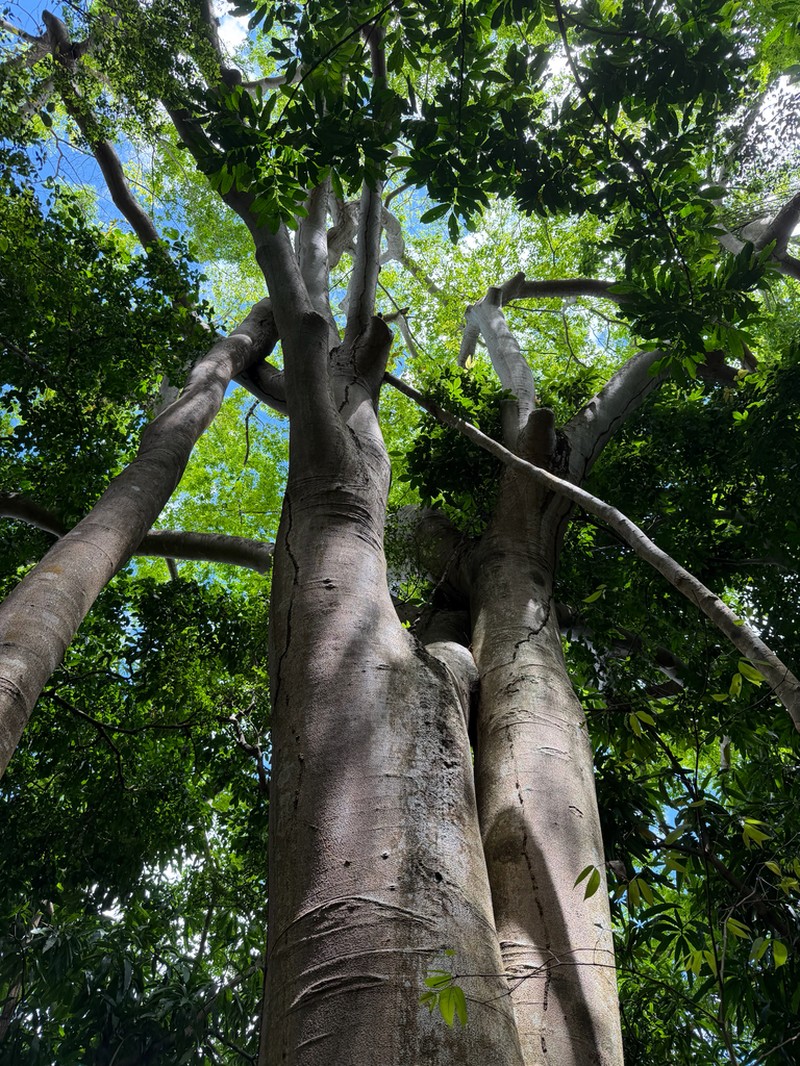
- Tree
- Height:
- 4500 cm
- Light Requirements:
- Full Sun
- Drought Tolerance:
- High
- Bloom Months:
- jan,feb,mar,apr,may,jun,jul,aug,sep,oct,nov,dec
- Bloom Colors:
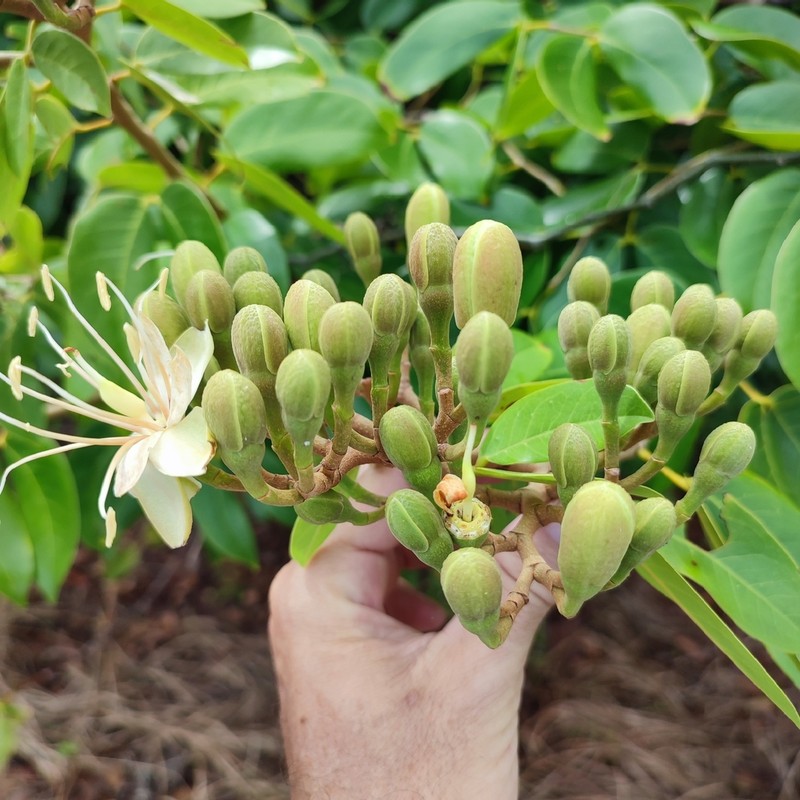
- white
Wildlife Benefits
- Bees:
- ★☆☆☆☆ Documented bee visitation (GBIF)
- Butterflies & Moths:
- ★★☆☆☆ Documented Lepidoptera association (GBIF)
- Caterpillars:
- ★☆☆☆☆ Recorded caterpillar host plant (HOSTS Database)
Host Plant for Caterpillars
Ectomyelois decolor, Two-colored sossphinx (Syssphinx bicolor)
Garden & Ecology Notes
- Wildlife Value:
- birds, mammals
- Fragrant:
- Yes
Soil Requirements
- Soil Type:
- fertile, well-drained loamy soil
- pH:
- 5.5 - 7.5 (slightly acidic to neutral)
- Drainage:
- excellent drainage required
- Moisture:
- dry to moderate
- Notes:
- Thrives in nutrient-rich forest soils
Propagation & Germination
- Scarification:
- Seed coat scarification required before sowing
- Germination Time:
- 14–60 days
- Notes:
- Seeds require scarification (nicking or hot water) to break physical dormancy; germination occurs in 2-8 weeks.
Pre-treatment: Seeds were washed in a 10% chlorine water solution to remove fungal spores. After the rinse, seeds were hand scarified by clipping the seedcoat.
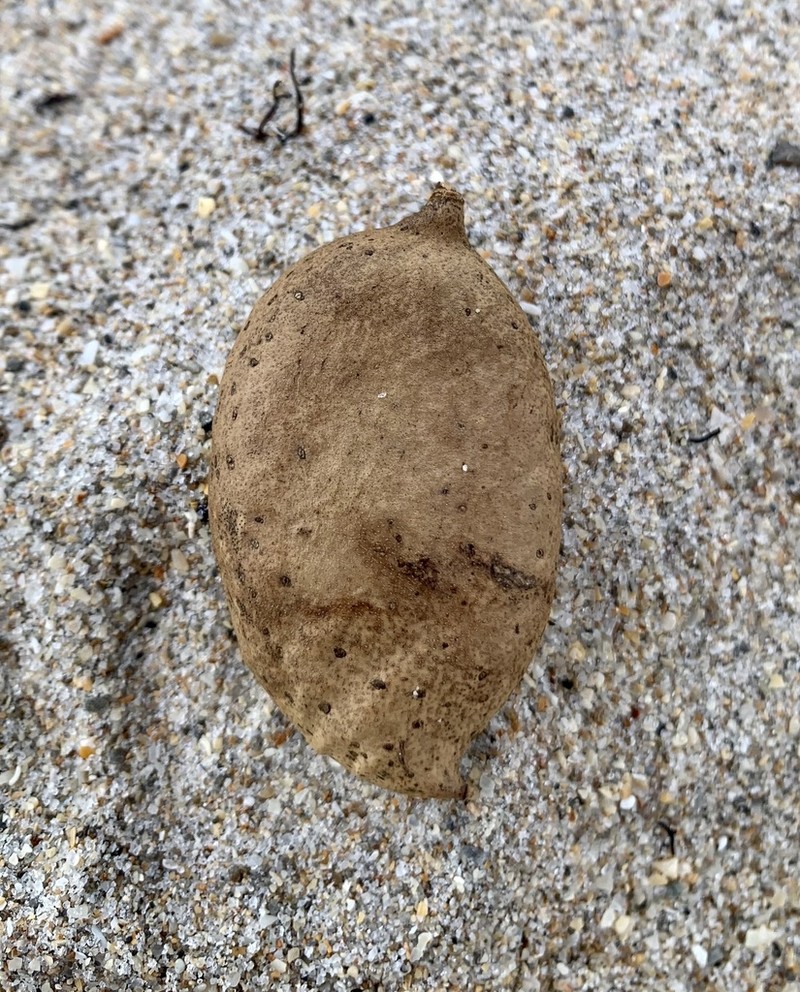
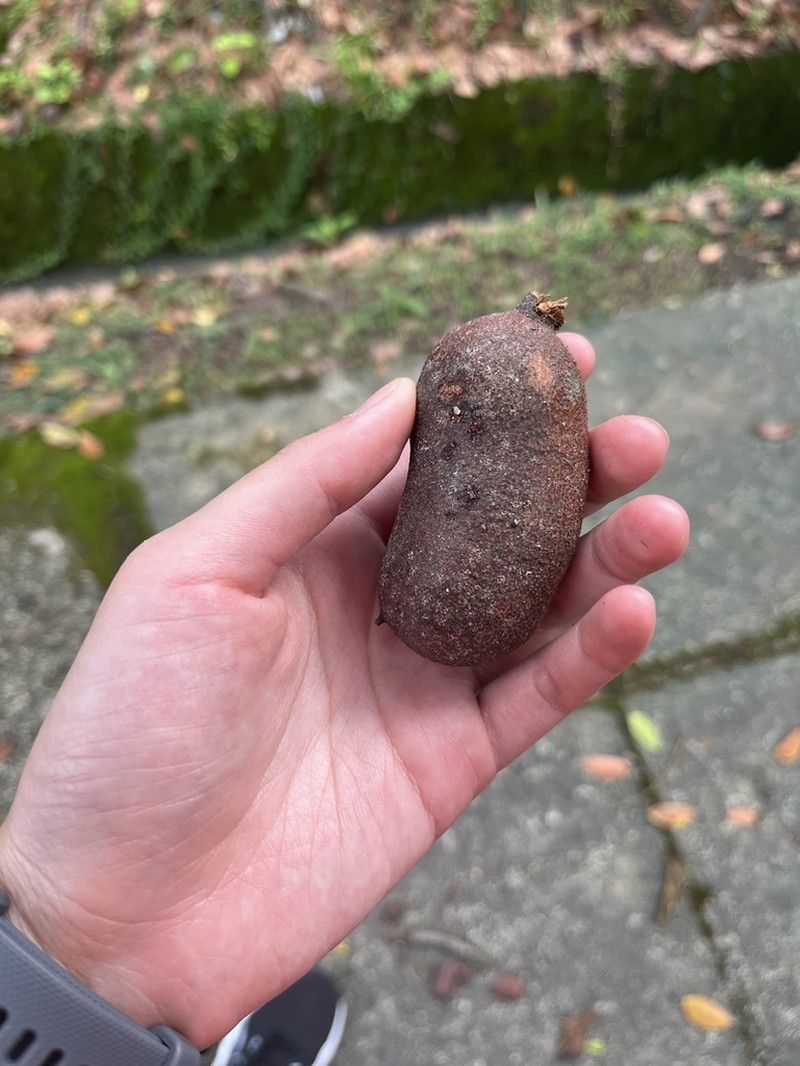
Establishment: Pods were collected from the ground, many were old with broken shells. The species is found throughout tropical America, primarily on hills and ravines, and prefers more moist sites, potentially a riparian species.
Source: npn.rngr.net