
Ifil
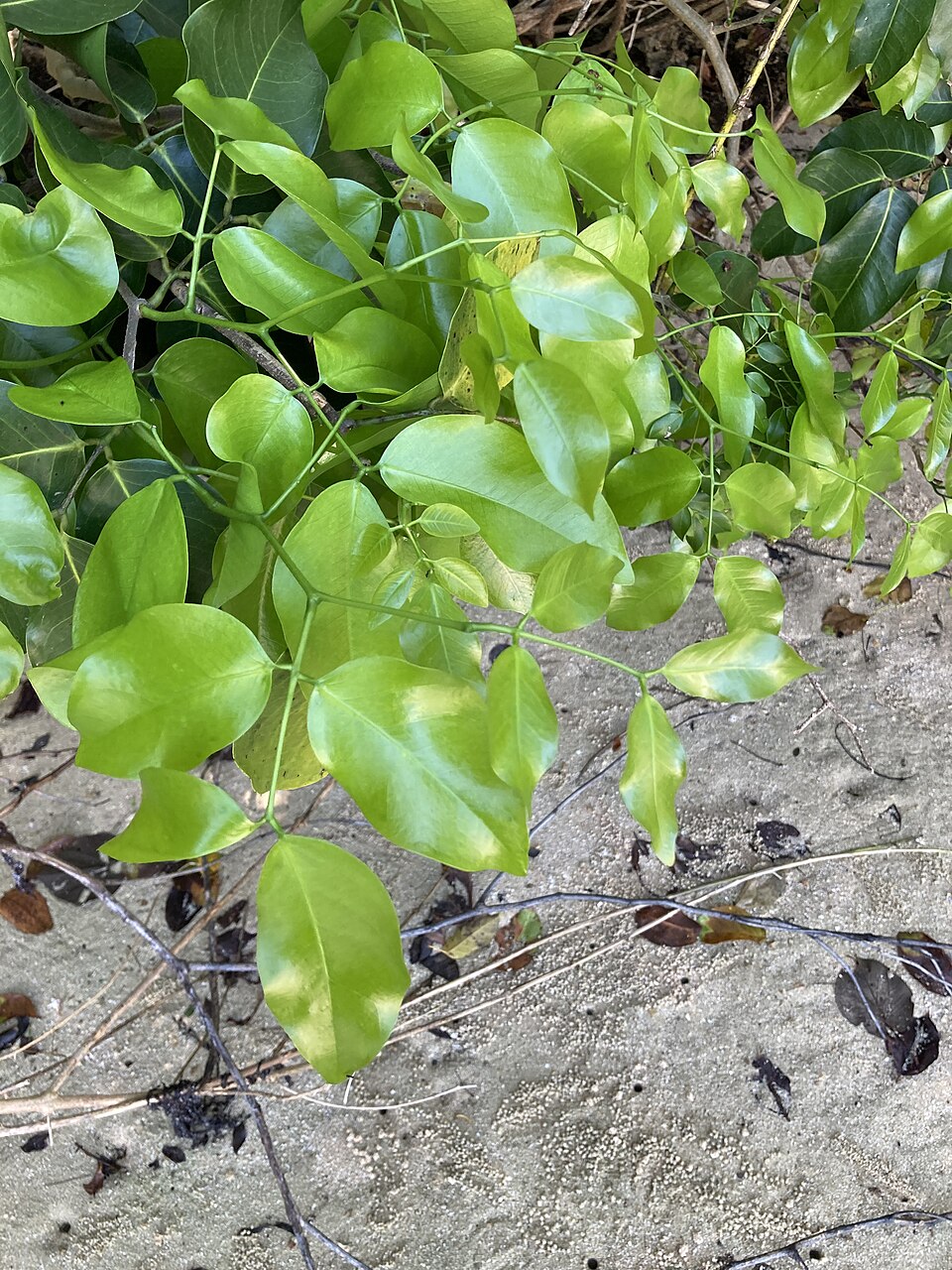
Intsia bijuga
- Native to:
- American Samoa, Andaman Is., Australia, Bangladesh, Bismarck Archipelago, Borneo, Cambodia, Caroline Is., Chagos Archipelago, Federated States of Micronesia, Fiji, Guam, India, Jawa, Madagascar, Malaya, Maluku, Marianas, Marshall Is., Marshall Islands, Mauritius, Myanmar, New Caledonia, New Guinea, Nicobar Is., Northern Mariana Islands, Palau, Philippines, Samoa, Santa Cruz Is., Seychelles, Solomon Is., Sri Lanka, Sulawesi, Sumatera, Taiwan, Tanzania, Thailand, Tonga, Vanuatu, Vietnam
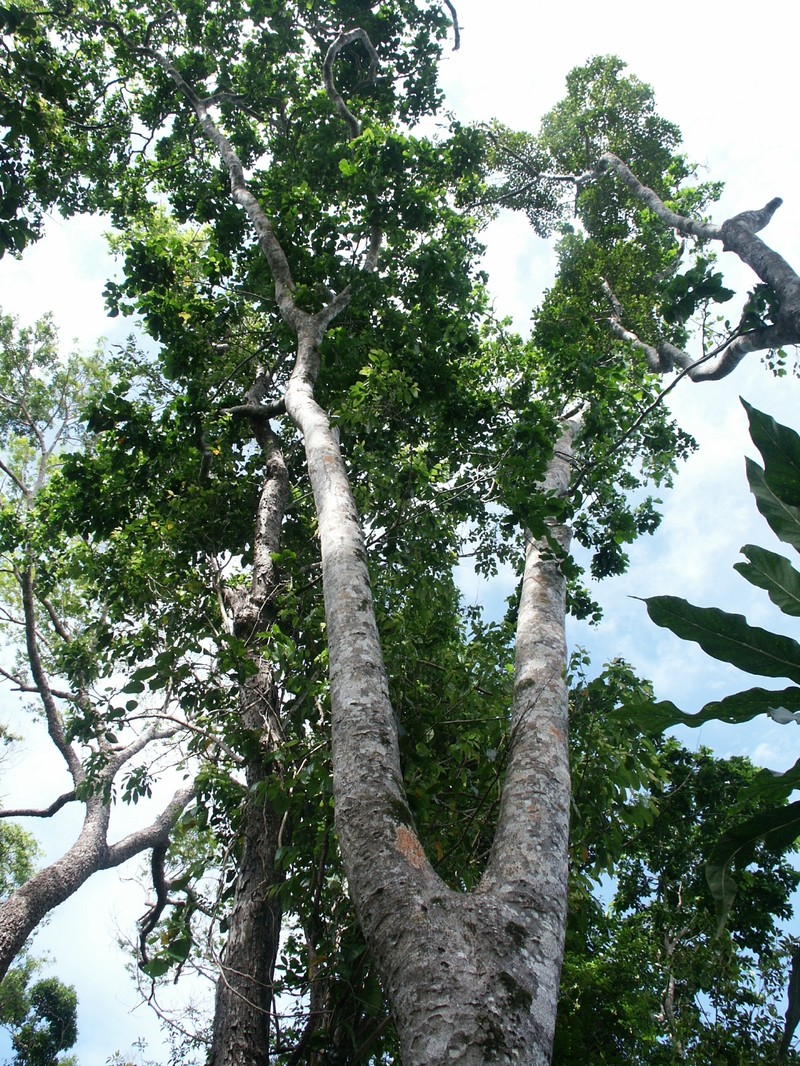
Denis.prévôt
Taxonomy
- Division:
- Magnoliophyta | - Flowering plants
- Family:
- Fabaceae
- Genus:
- Intsia
- Species:
- Intsia bijuga
- USDA Symbol:
- INBI
Growth Characteristics
- Life Cycle:
- Perennial
- Growth Habit:
- Tree
- Height:
- 3000 cm
- Light Requirements:
- Full Sun
- Drought Tolerance:
- Medium
- Bloom Months:
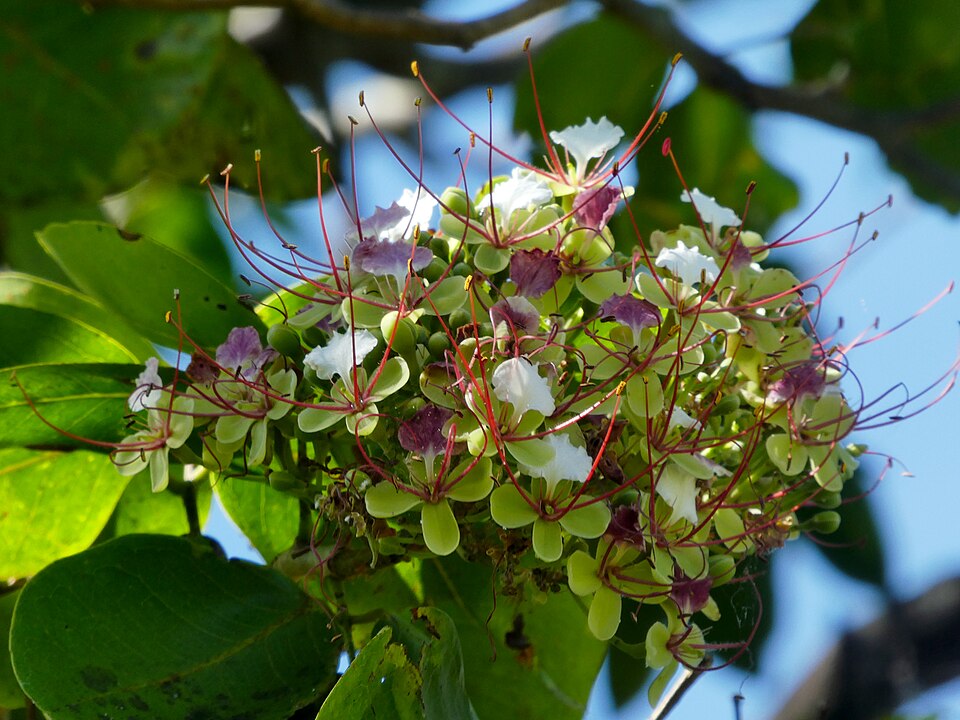
- apr,may,jun
- Bloom Colors:
- white, pink
Wildlife Benefits
- Butterflies & Moths:
- ★☆☆☆☆ Documented Lepidoptera association (GBIF)
Garden & Ecology Notes
- Wildlife Value:
- birds, butterflies
- Salt Tolerant:
- Yes
- Fragrant:
- Yes
Soil Requirements
- Soil Type:
- rich, well-drained loamy soil
- pH:
- 5.5 - 7.5 (slightly acidic to neutral)
- Drainage:
- excellent drainage required
- Moisture:
- consistently moist
- Notes:
- prefers coastal and riverine environments
Propagation & Germination
- Scarification:
- Seed coat scarification required before sowing
- Germination Time:
- 14–60 days
- Notes:
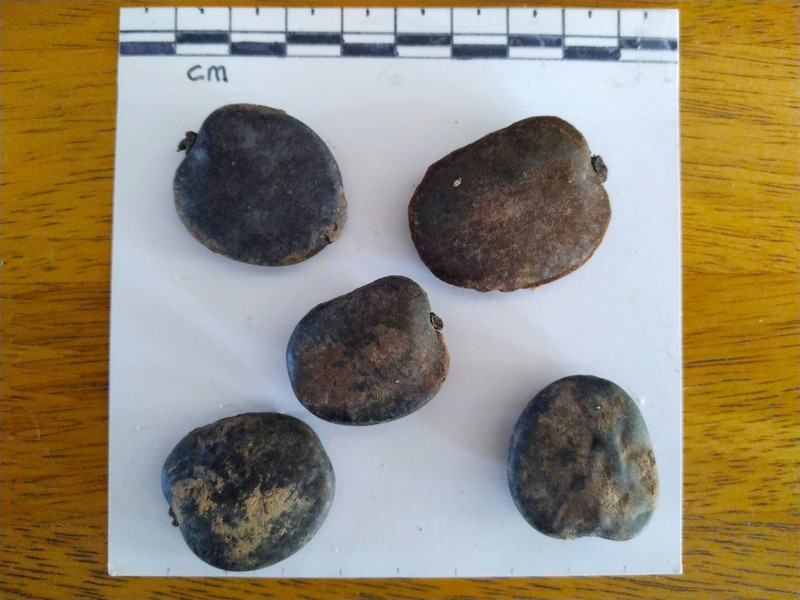
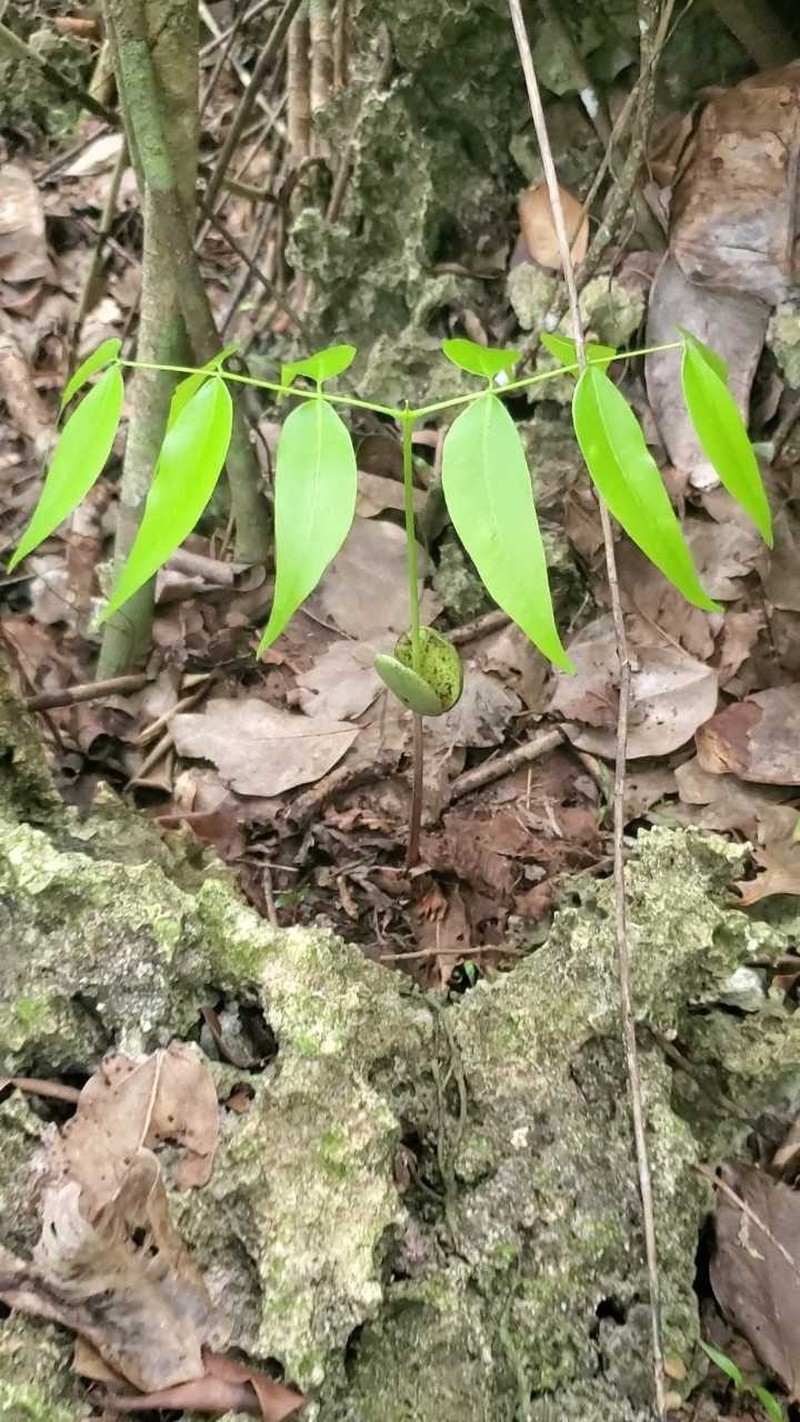
- Seeds require scarification (nicking or hot water treatment) to break physical dormancy; germination occurs in 2-8 weeks.
Pre-treatment: Seeds are scarified by hand filing or using a small clippers to break the hard seed coat. They are then soaked overnight to allow full imbibition.
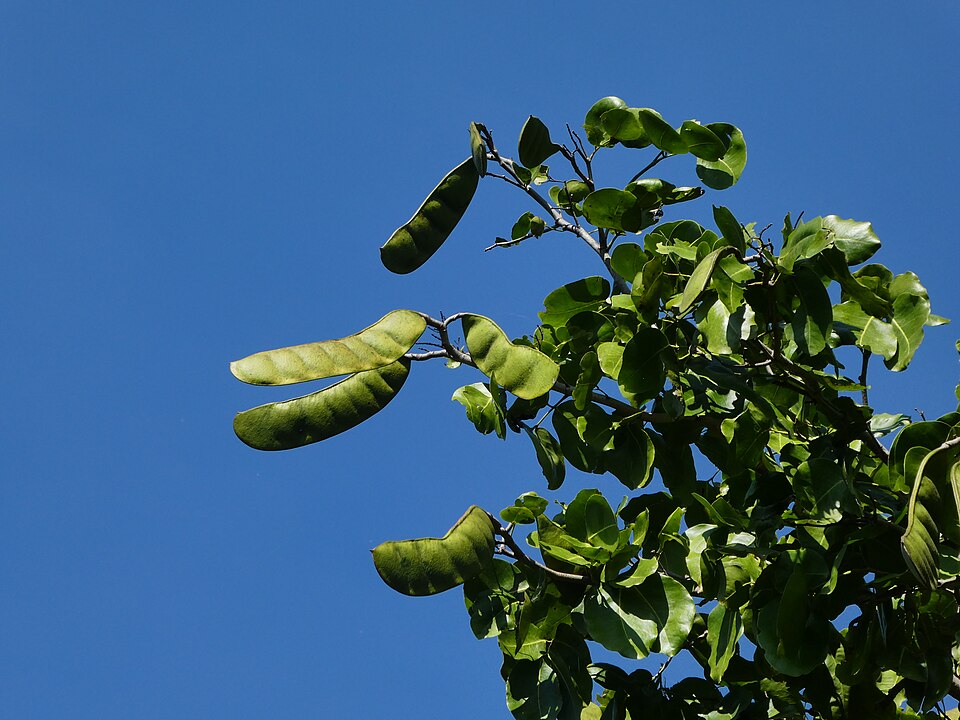
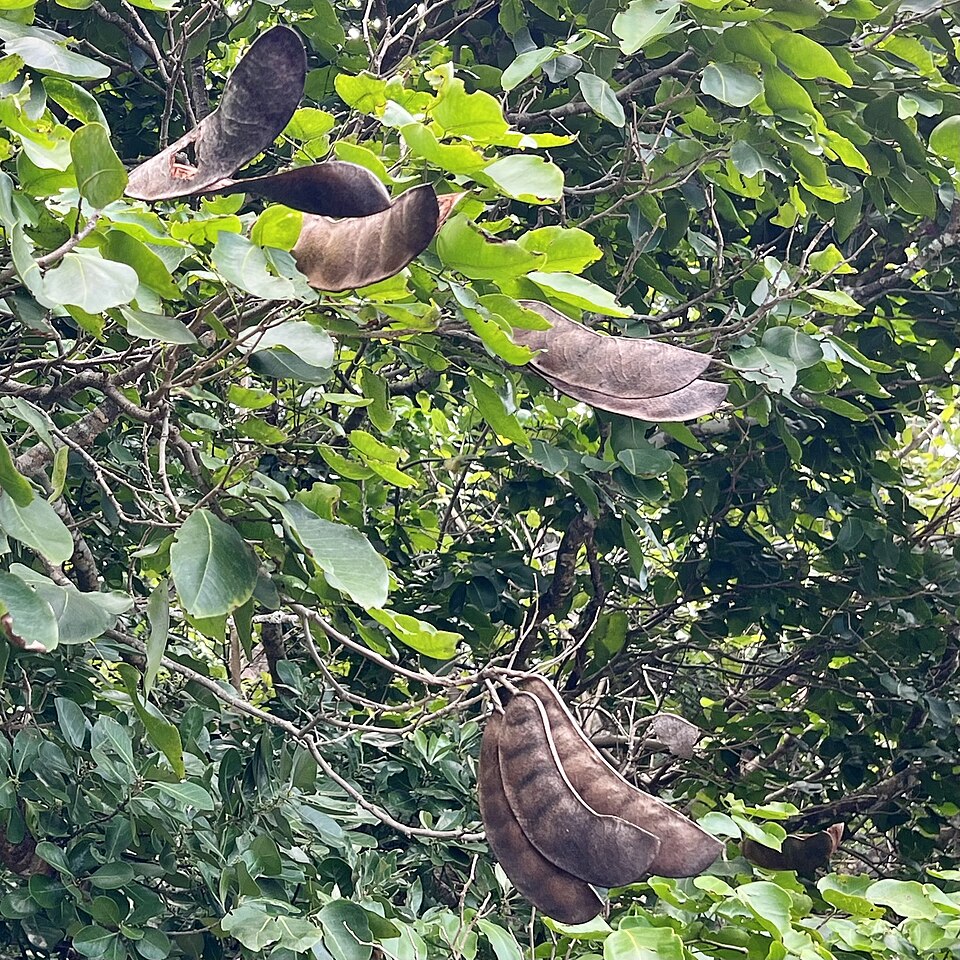
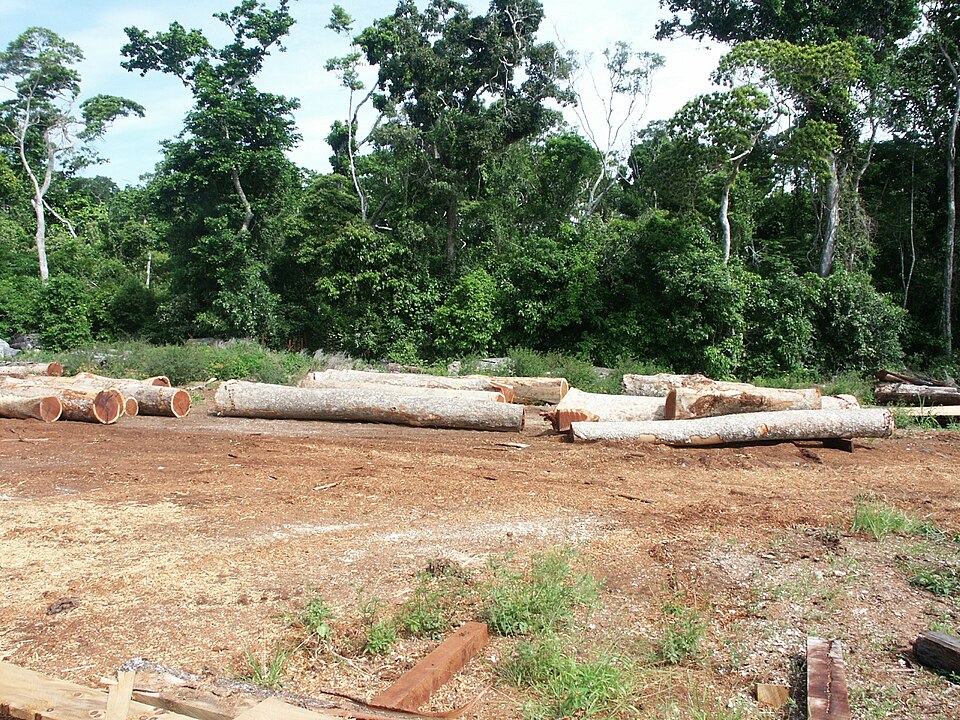
Establishment: Seeds are hand collected when pods have matured and begin to split open. The fruits are woody legumes containing several large brown seeds. Initial growth is very fast. The plant is native to Southeast Asia and some islands of the Pacific, and is an important timber species in these regions.
Source: npn.rngr.net