
Sweetpea
Lathyrus odoratus
- Native to:
- Italy, Sicilia
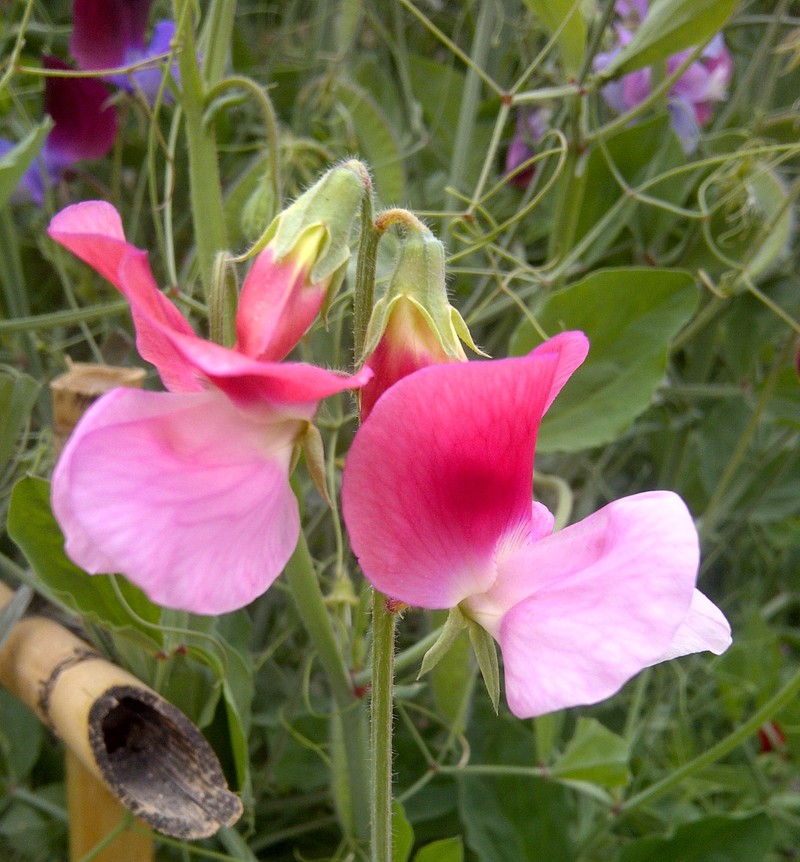
Ermell
Taxonomy
- Division:
- Magnoliophyta | - Flowering plants
- Family:
- Fabaceae
- Genus:
- Lathyrus
- Species:
- Lathyrus odoratus
- USDA Symbol:
- LAOD
Growth Characteristics
- Life Cycle:
- Annual
- Growth Habit:
- Forb/herb , Vine
- Height:
- 200 cm
- Light Requirements:
- Full Sun
- Drought Tolerance:
- Medium
- Bloom Months:
- jun,jul,aug
- Bloom Colors:
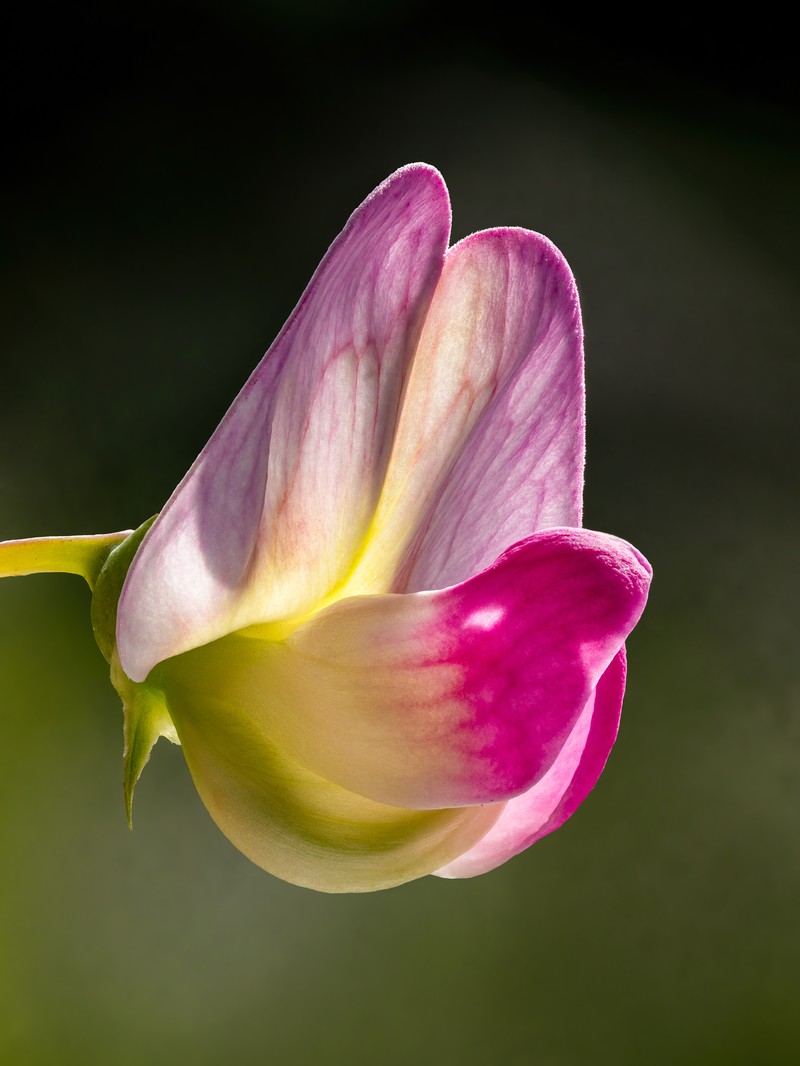
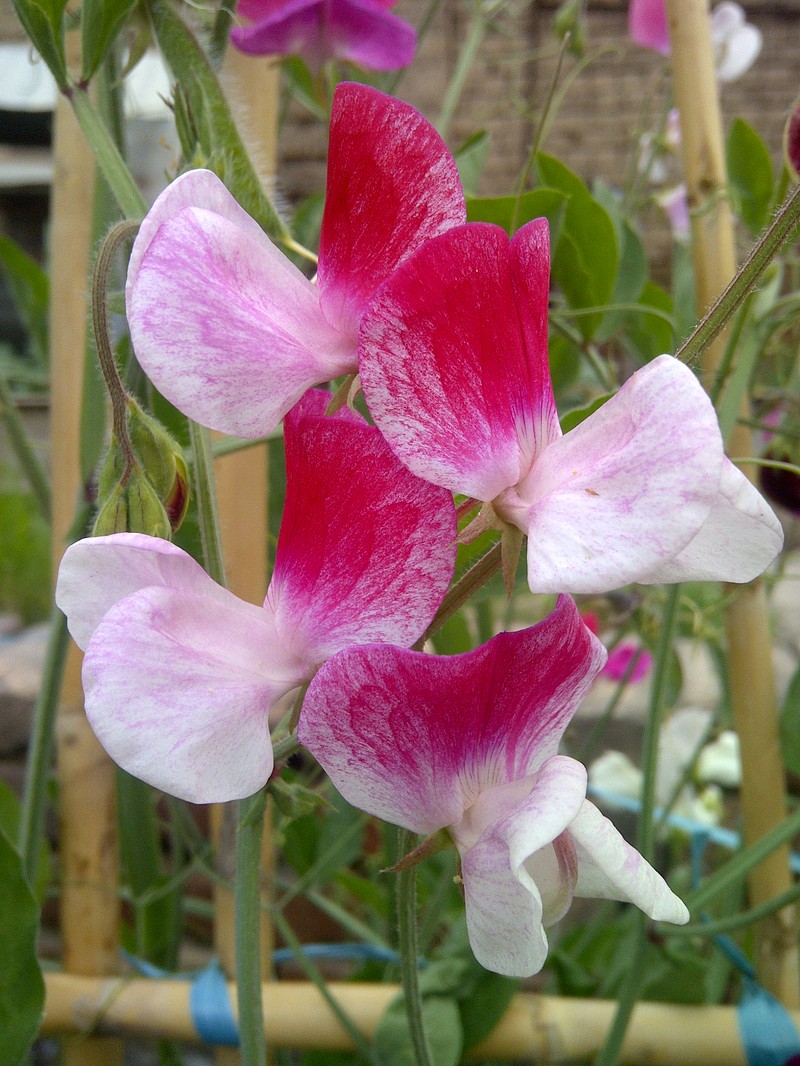
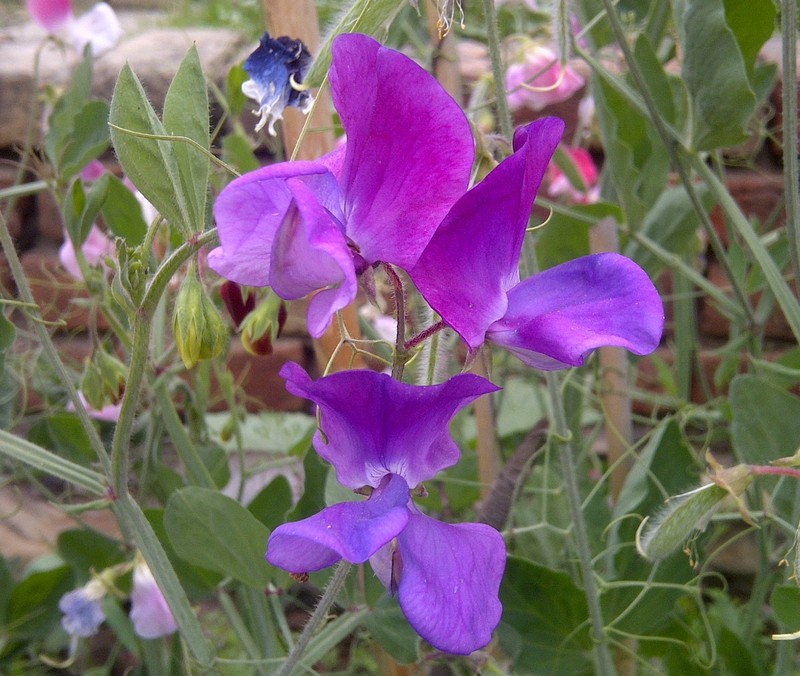
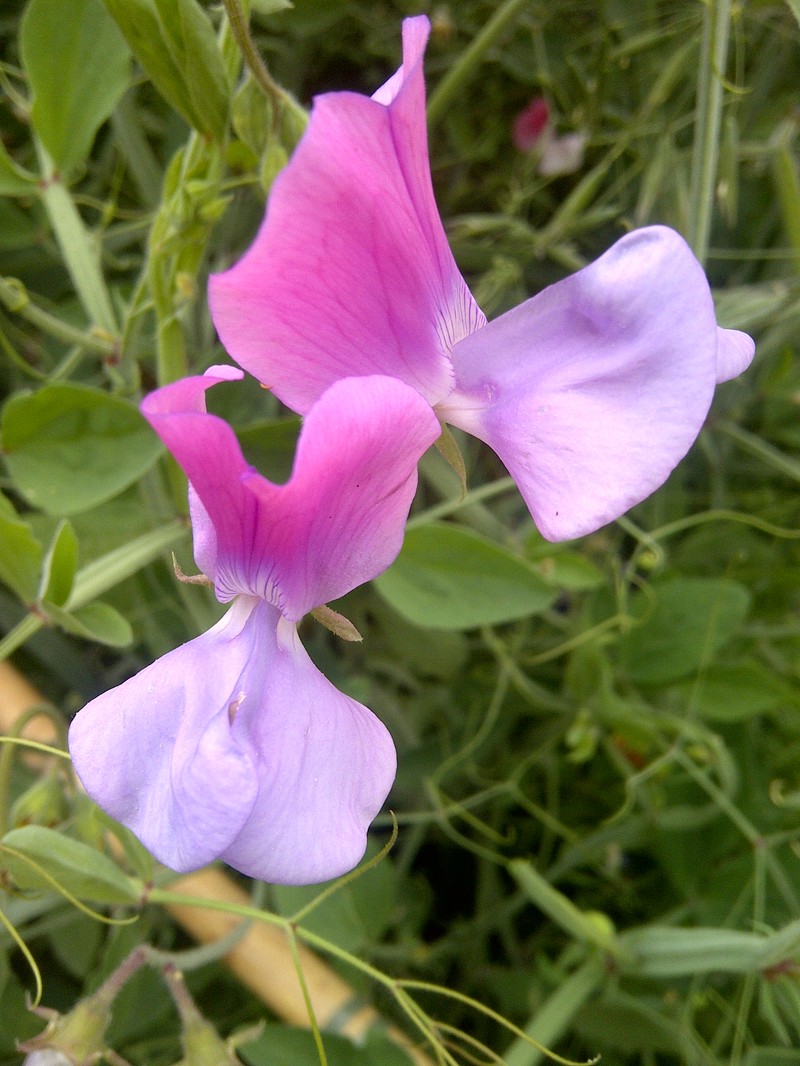
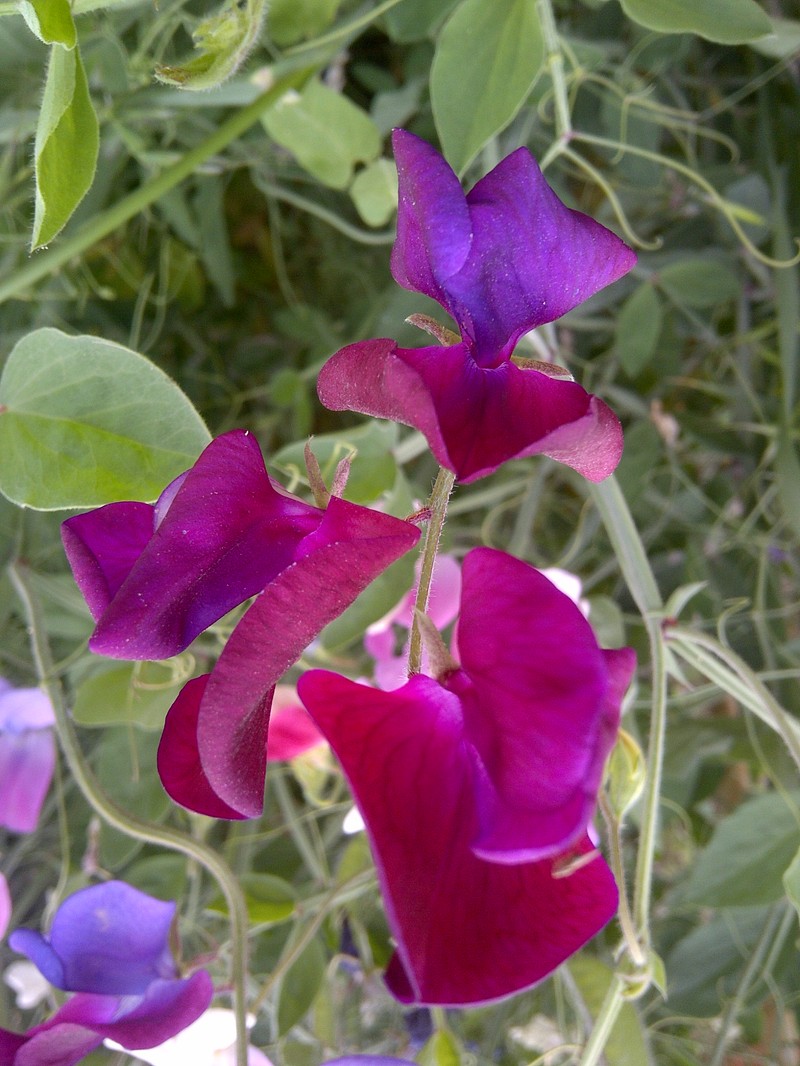
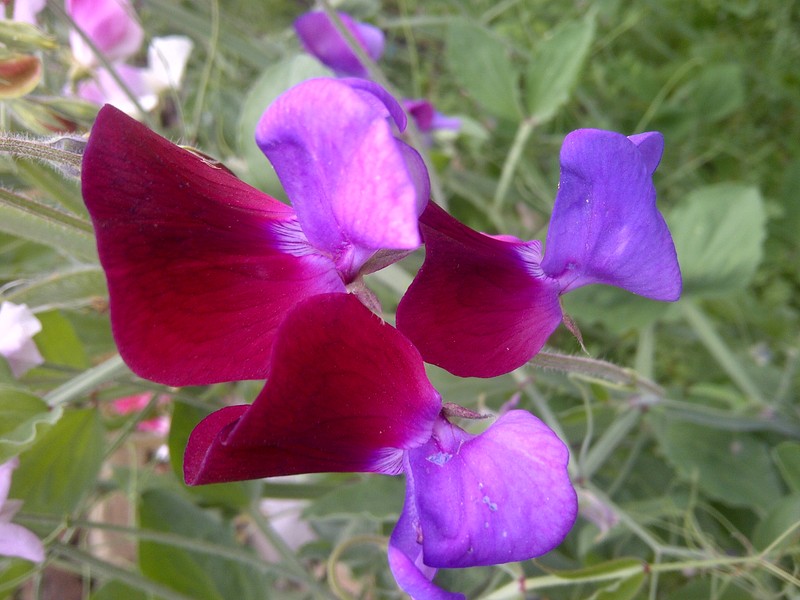
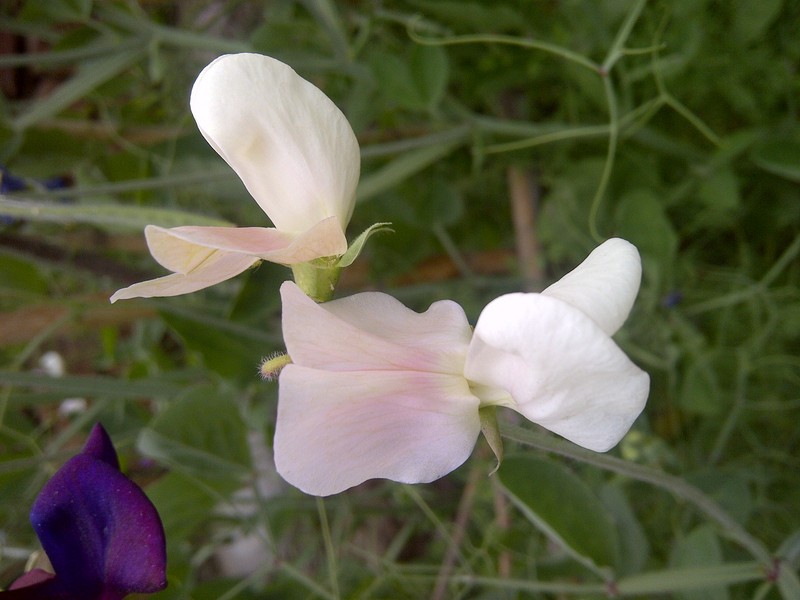
- pink, purple, red, white, blue
Wildlife Benefits
- Bees:
- ★★☆☆☆ Documented bee visitation (GBIF)
- Butterflies & Moths:
- ★☆☆☆☆ Documented Lepidoptera association (GBIF)
- Caterpillars:
- ★★☆☆☆ Recorded caterpillar host plant (HOSTS Database)
Host Plant for Caterpillars
Bertha armyworm (Mamestra configurata), Cabbage looper (Trichoplusia ni), corn earworm (Helicoverpa zea), Soybean Looper (Pseudoplusia includens), Spotted Straw Moth (Heliothis phloxiphaga), Tobacco budworm (Heliothis virescens), Variegated cutworm (Peridroma saucia), zebra caterpillar moth (Melanchra picta)
Reported Fauna Sightings
Bees: Yellow head bumble bee (Bombus flavifrons)
Garden & Ecology Notes
- Wildlife Value:
- bees, butterflies
- Fragrant:
- Yes
Soil Requirements
- Soil Type:
- rich, well-drained loamy soil
- pH:
- 6.0 - 7.5 (slightly acidic to neutral)
- Drainage:
- excellent drainage required
- Moisture:
- consistently moist
- Notes:
- native to Mediterranean regions with mild, wet winters
Propagation & Germination
- Stratification:
- Cold/moist stratification required — 14–30 days
- Scarification:
- Seed coat scarification required before sowing
- Germination Time:
- 14–28 days
- Notes:
- Scarify seed coat and cold stratify for 2-4 weeks to break dormancy.
ORGHPS Germination Guide: Sow @ 20°C. Seed germinates within 3 months Resents transplanting. Requires darkness. Requires scarification. Nick or rub between sheets of sandpaper. Requires soaking. Place in warm water until seeds swell, usually 24-48 hours. Discard water and any seeds that remain floating. * plant in deep pot
Where to Buy
Nationwide Seller
- Sheffield's Seed (seeds)
- Vermont Wildflower Farm (nursery and seeds)