
Sericea Lespedeza
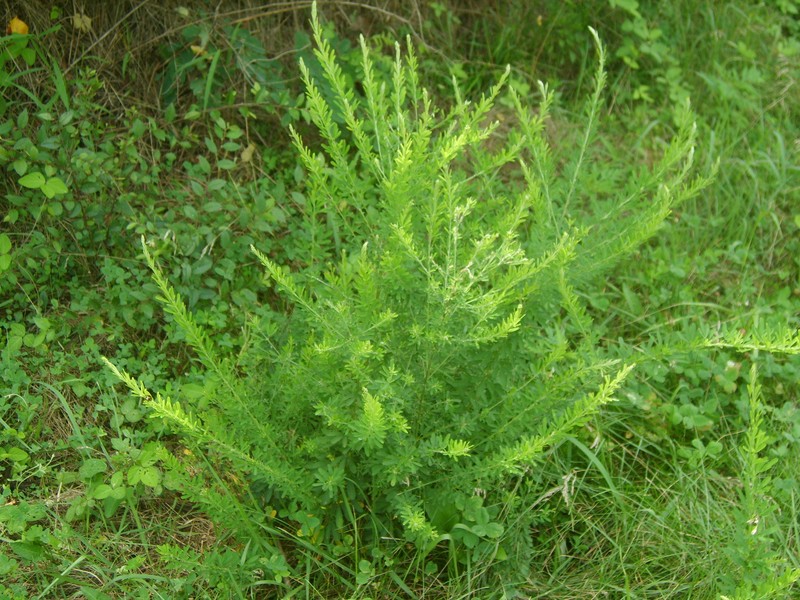
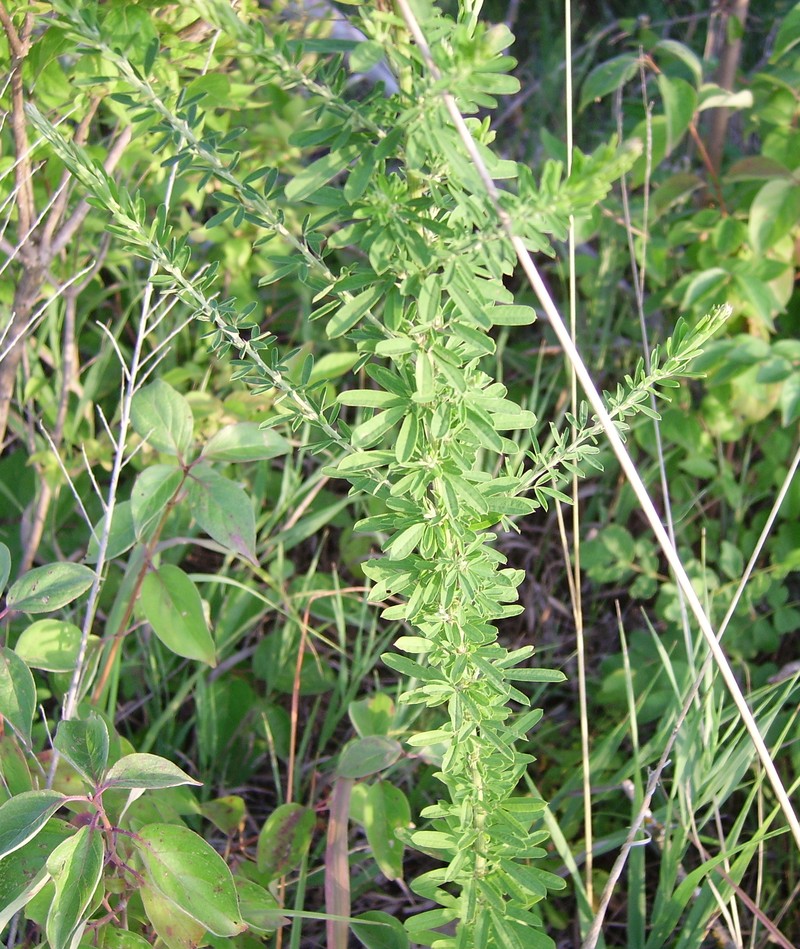
Lespedeza cuneata
- Native to:
- Afghanistan, Australia, China, Hainan, India, Japan, Jawa, Korea, Laos, Lesser Sunda Is., Malaya, Myanmar, Nansei-shoto, Nepal, New Guinea, Pakistan, Philippines, Sumatera, Taiwan, Thailand, Vietnam
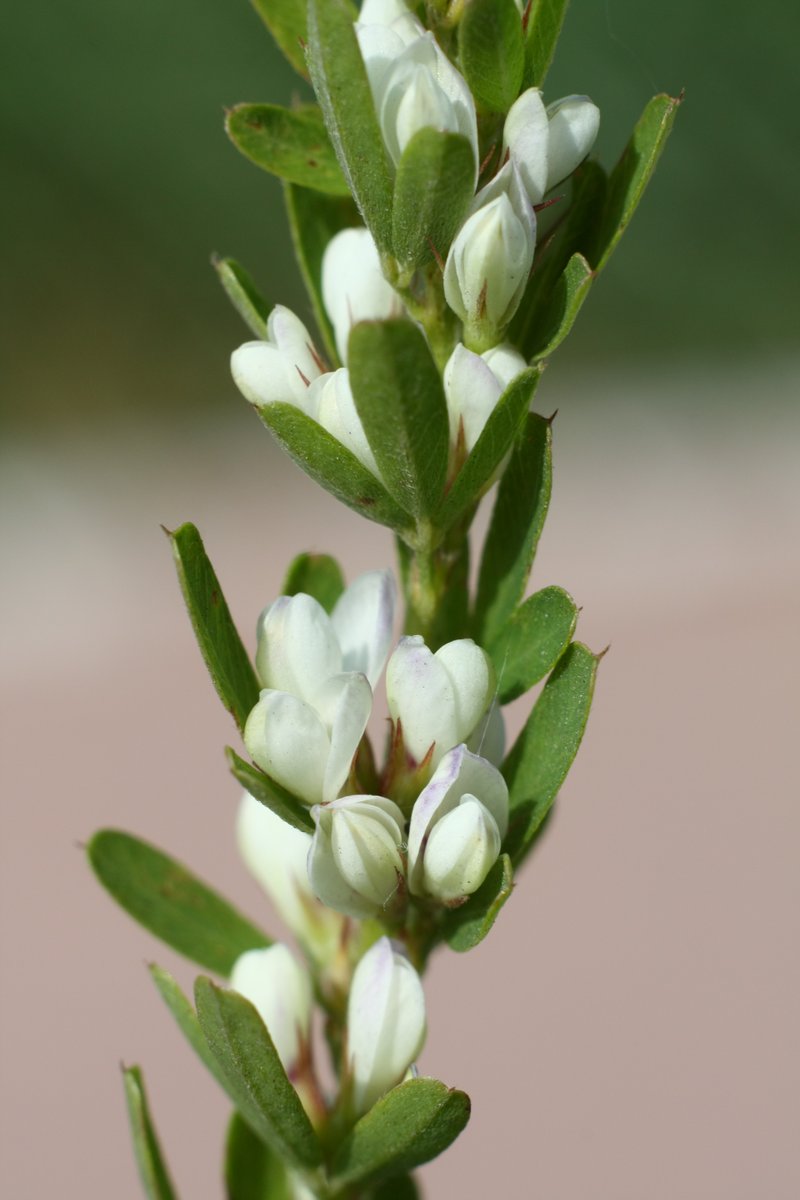
LionMans Account
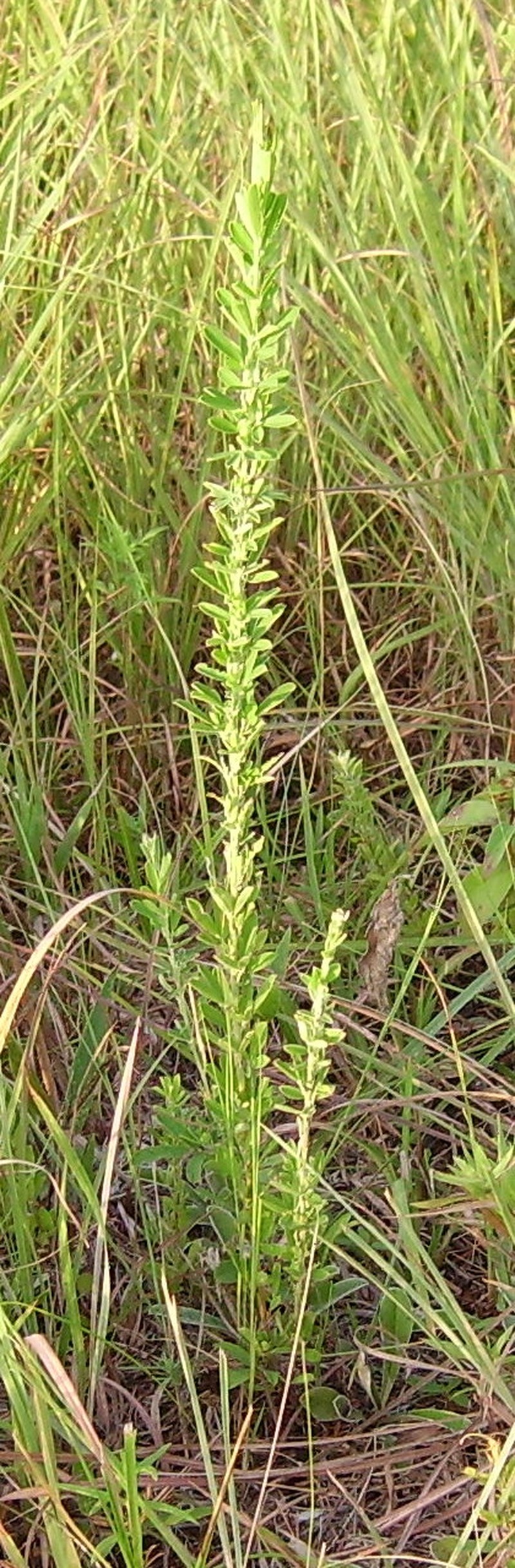
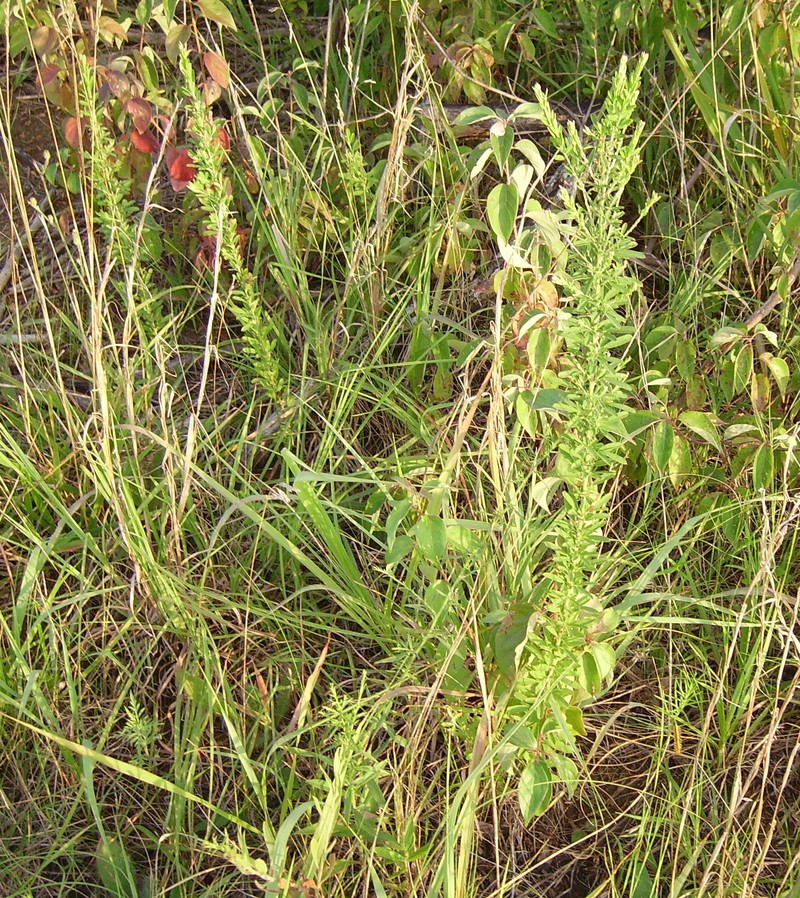
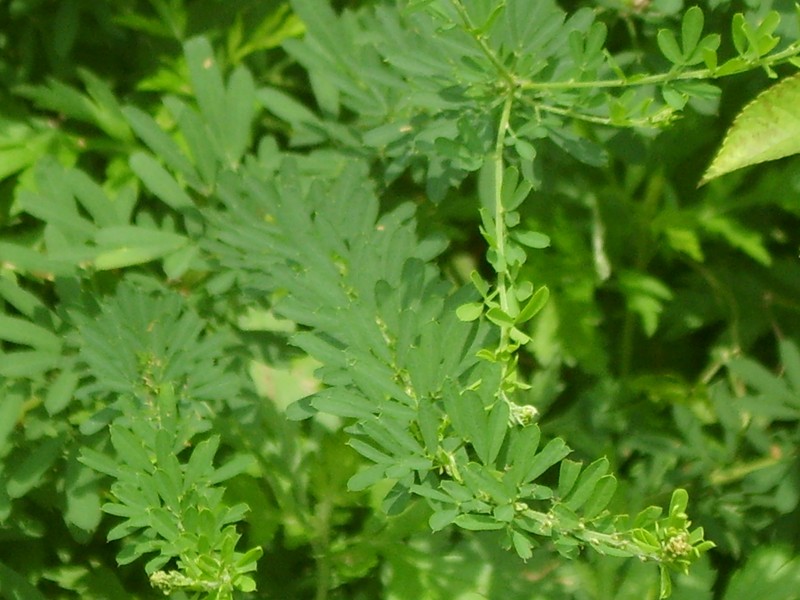
Taxonomy
- Division:
- Magnoliophyta | - Flowering plants
- Family:
- Fabaceae
- Genus:
- Lespedeza
- Species:
- Lespedeza cuneata
- USDA Symbol:
- LECU
Growth Characteristics
- Life Cycle:
- Perennial
- Growth Habit:
- Forb/herb , Subshrub
- Height:
- 150 cm
- Light Requirements:
- Full Sun
- Drought Tolerance:
- High
- Bloom Months:
- jul,aug,sep,oct
- Bloom Colors:
- white, purple
Host Plant for Caterpillars
corn earworm (Helicoverpa zea), NSW Pococera Moth (Pococera scortealis), obsoletana leafroller (Choristoneura obsoletana)
Reported Fauna Sightings
Bees: Common eastern bumble bee (Bombus impatiens) Moths:Black-spotted prominent (Dasylophia anguina), Caloptilia violacella, Io moth (Automeris io), Porphyrosela desmodiella Butterflies:Eastern Tailed-Blue (Cupido comyntas)
Garden & Ecology Notes
- Wildlife Value:
- birds, small mammals, butterflies
- Fire Ecology:
- Fire adapted — tolerates or benefits from fire
- Fire Notes:
- Resprouts from root crown after fire; fire can promote seed germination.
Soil Requirements
- Soil Type:
- sandy, well-drained, nutrient-poor soil
- pH:
- 5.5 - 7.0 (slightly acidic to neutral)
- Drainage:
- excellent drainage required
- Moisture:
- dry to moderate
- Notes:
- thrives in disturbed areas and poor soils
Propagation & Germination
- Stratification:
- Cold/moist stratification required — 30–60 days
- Scarification:
- Seed coat scarification required before sowing
- Germination Time:
- 14–30 days
- Notes:
- Scarify seed coat (e.g., with sandpaper or hot water) before cold stratification to improve germination.