
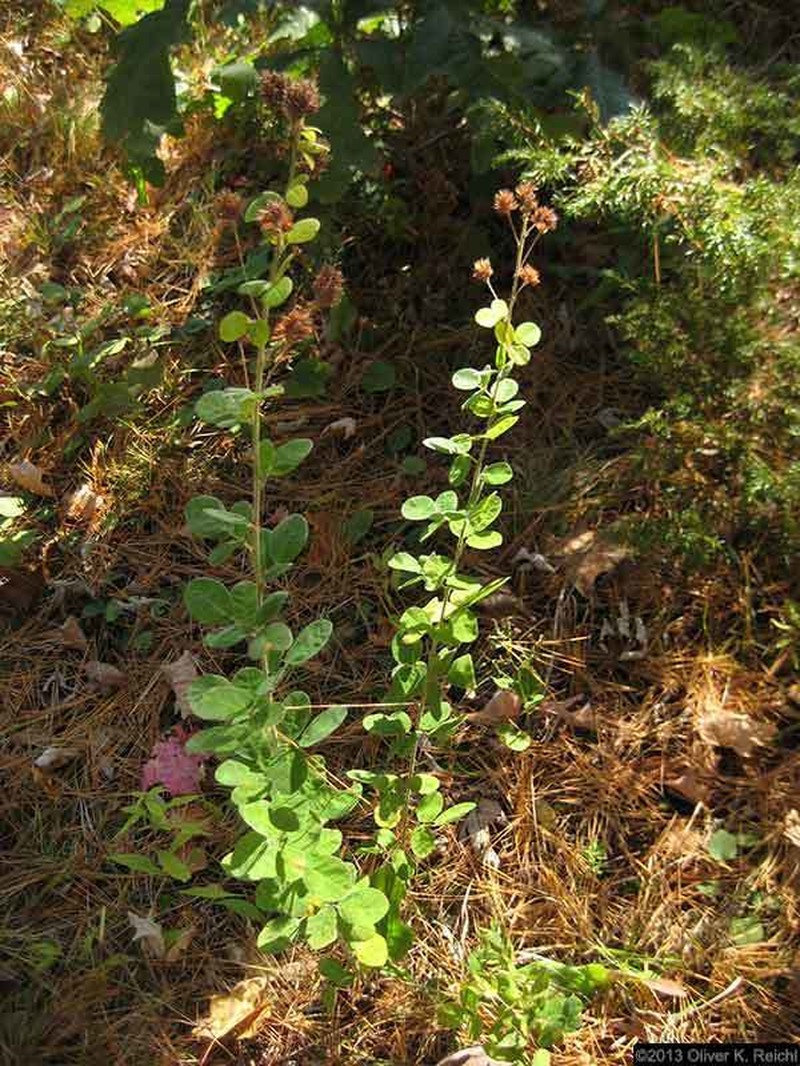
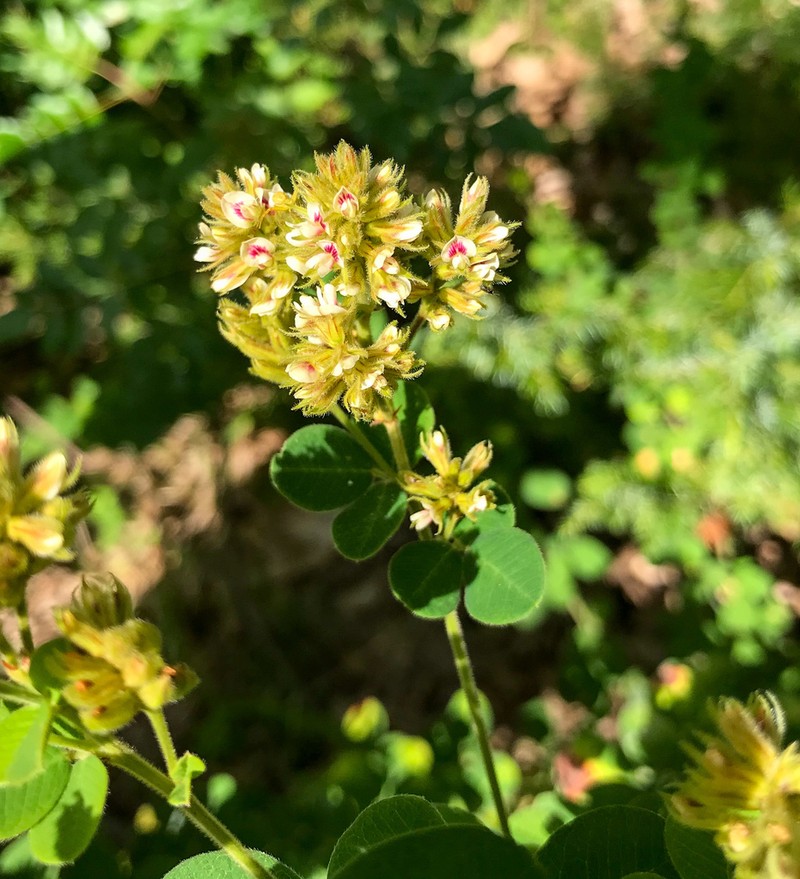
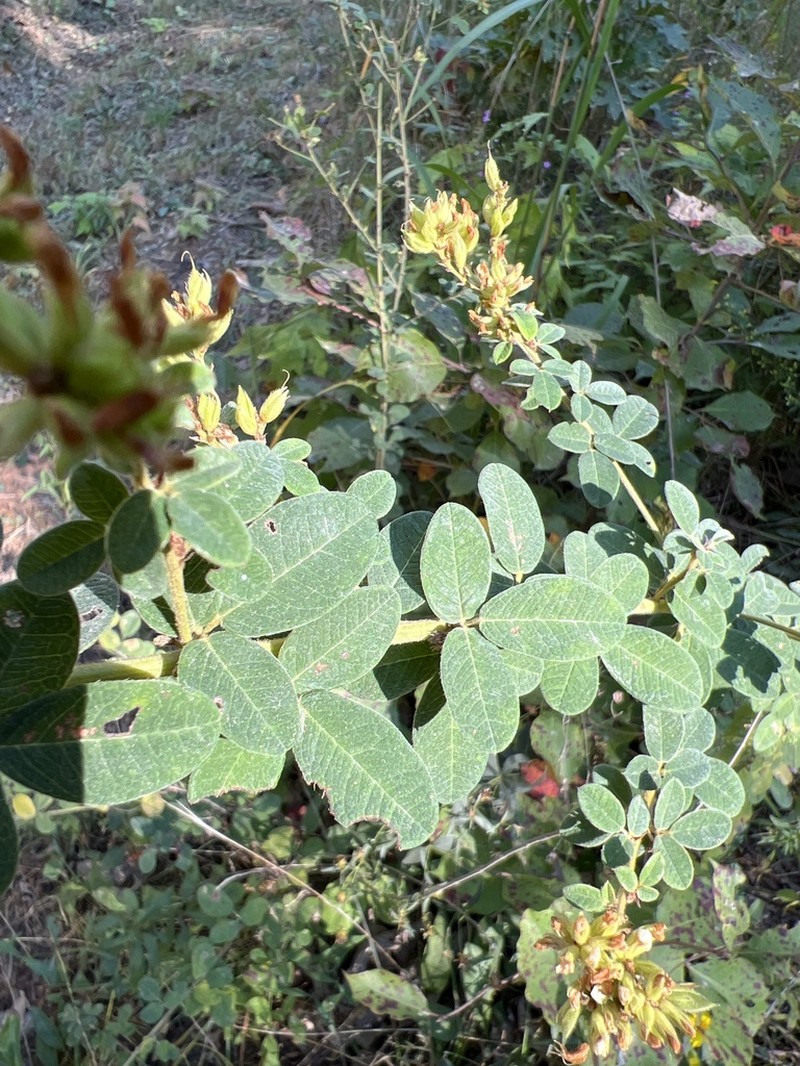
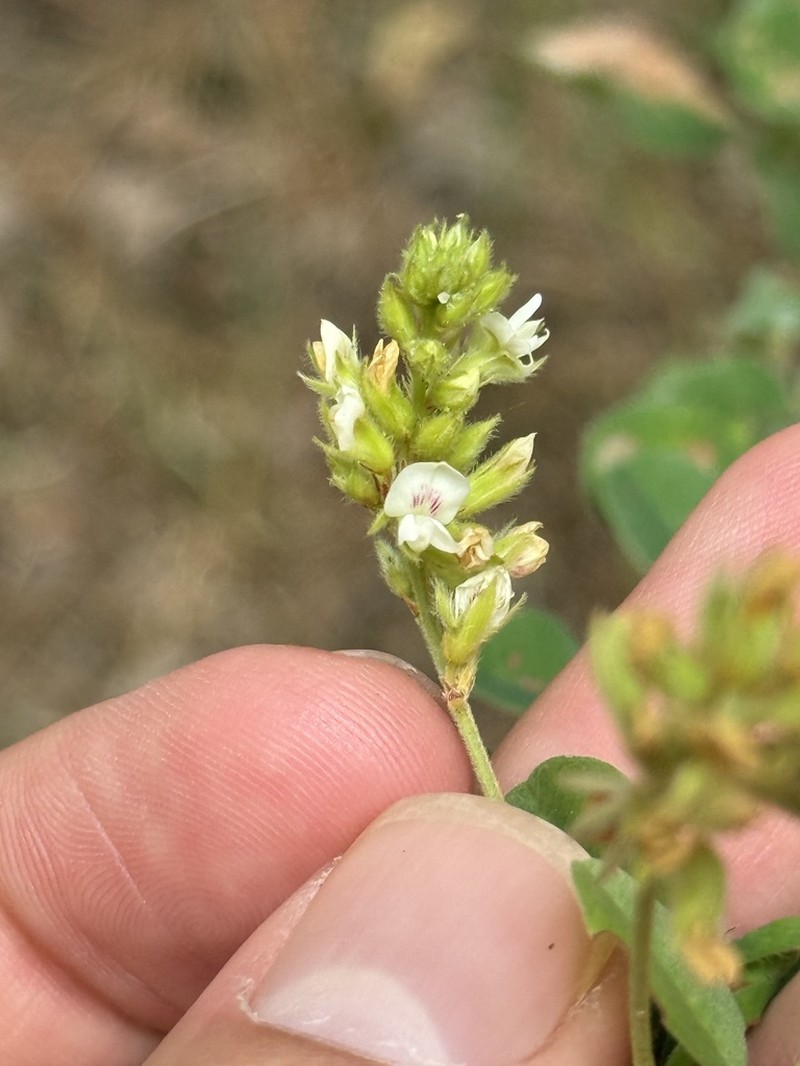
Hairy Lespedeza
Lespedeza hirta
- Native to:
- Canada, United States, Virgin Islands
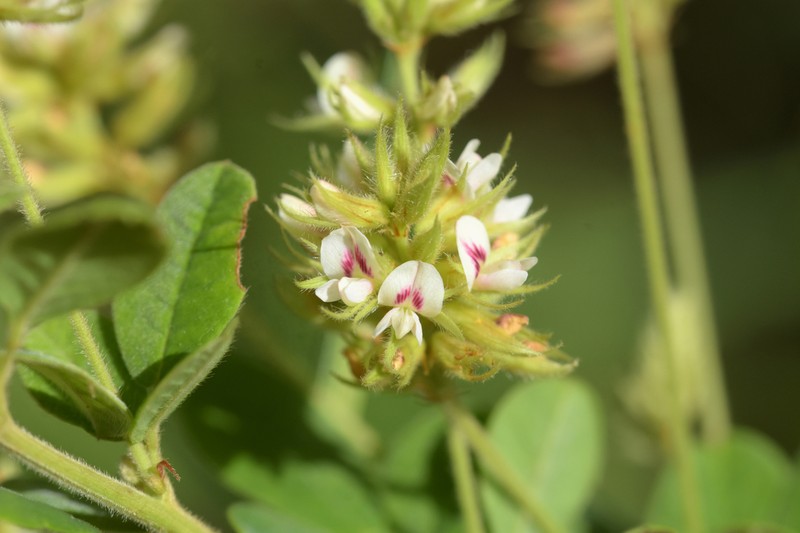
iNaturalist: © sanguinaria33 (iNaturalist #56017262)
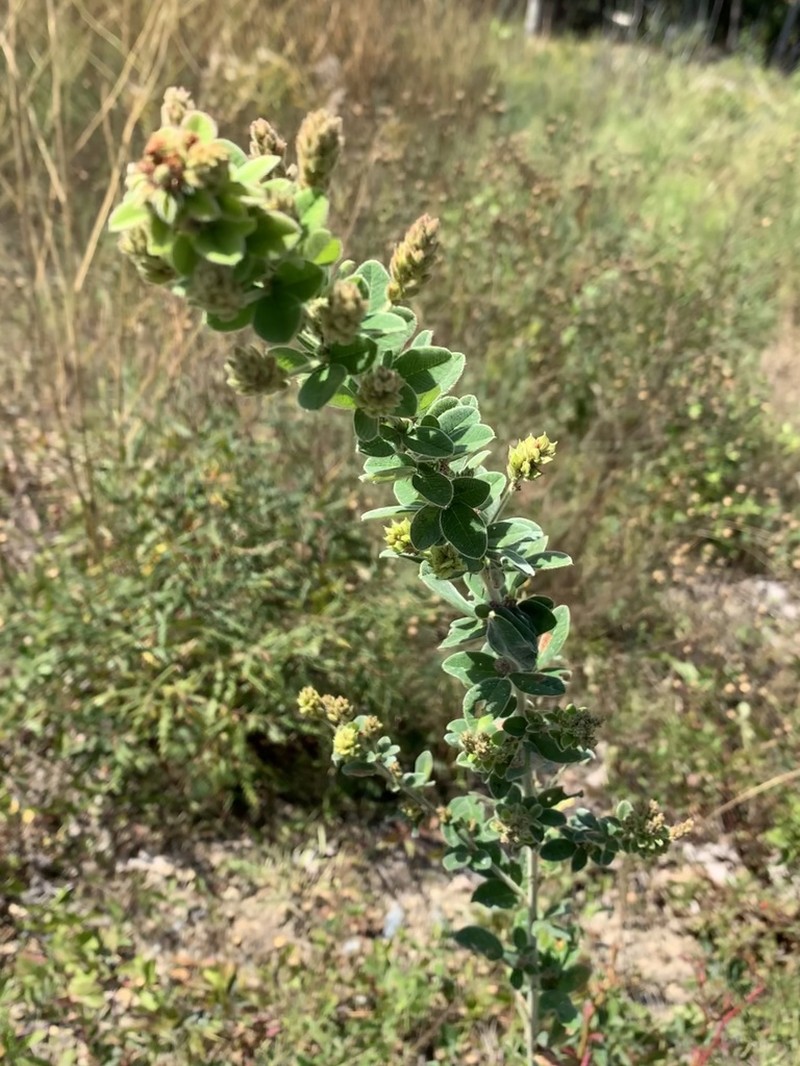
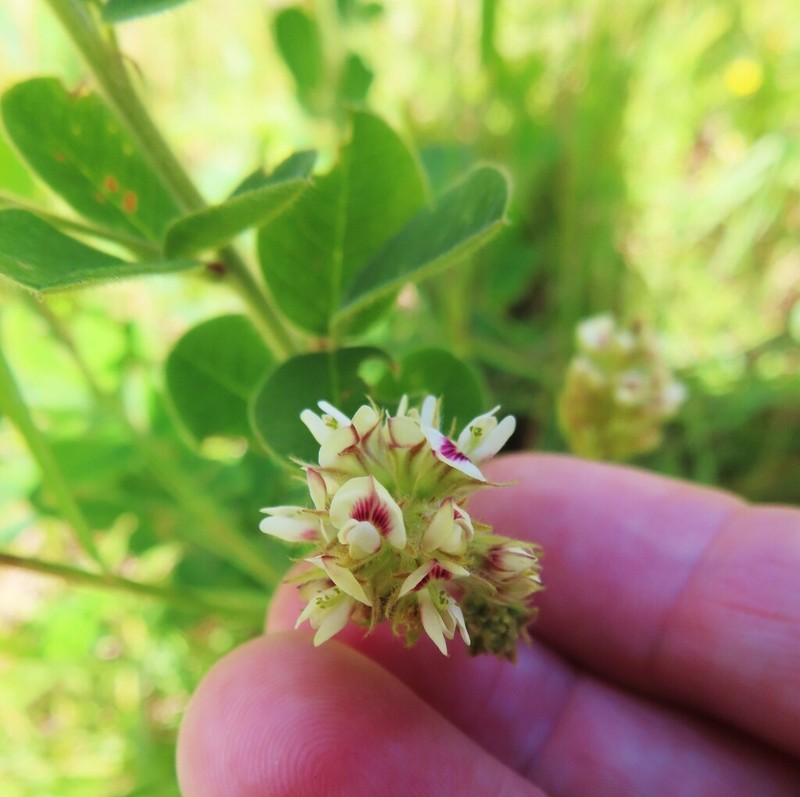
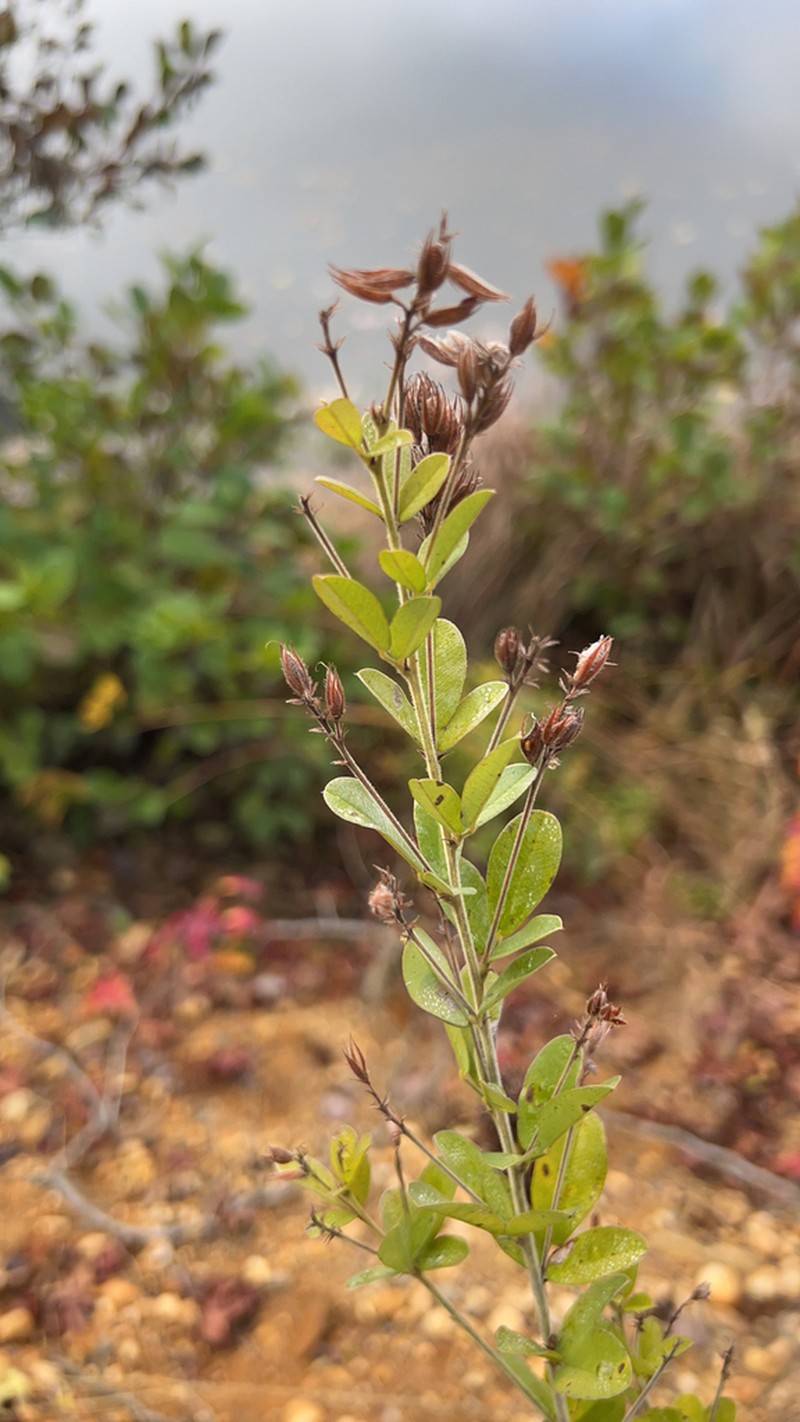
Taxonomy
- Division:
- Magnoliophyta | - Flowering plants
- Family:
- Fabaceae
- Genus:
- Lespedeza
- Species:
- Lespedeza hirta
- USDA Symbol:
- LEHI2
Growth Characteristics
- Life Cycle:
- Perennial
- Growth Habit:
- Forb/herb
- Height:
- 120 cm
- Light Requirements:
- Full Sun,Part Shade,Shade
- Drought Tolerance:
- Medium
- Bloom Months:
- jul,aug,sep
- Bloom Colors:
- white, purple
Wildlife Benefits
- Bees:
- ★☆☆☆☆ Documented bee visitation (GBIF)
- Butterflies & Moths:
- ★★☆☆☆ Documented Lepidoptera association (GBIF)
- Caterpillars:
- ★★☆☆☆ Recorded caterpillar host plant (HOSTS Database)
Host Plant for Caterpillars
Aristotelia lespedezae, Io moth (Automeris io), Hoary Edge (Achalarus lyciades), Northern Cloudywing (Thorybes pylades), Southern Cloudywing (Thorybes bathyllus), Zarucco Duskywing (Erynnis zarucco)
Reported Fauna Sightings
Moths:Parectopa lespedezaefoliella
Garden & Ecology Notes
- Wildlife Value:
- birds, butterflies, small mammals
- Fall Color:
- yellow
- Fire Ecology:
- Fire adapted — tolerates or benefits from fire
- Fire Notes:
- Can resprout after fire; fire may stimulate seed germination in some populations.
Soil Requirements
- Soil Type:
- sandy, well-drained, nutrient-poor soil
- pH:
- 5.5 - 7.0 (slightly acidic to neutral)
- Drainage:
- excellent drainage required
- Moisture:
- dry to moderate
- Notes:
- commonly found in open woods and fields
Propagation & Germination
- Stratification:
- Cold/moist stratification required — 30–60 days
- Scarification:
- Seed coat scarification required before sowing
- Germination Time:
- 14–30 days
- Notes:
- Seeds benefit from scarification (nicking or hot water treatment) followed by cold stratification for 30-60 days to break dormancy.
Pre-treatment: Seed is scarified for 50 seconds in pulses prior to planting (15, 15, 10 and 5 second increments) and inoculated with appropriate nitrogen-fixing rhizobium.
Establishment: Germination in 2001 has been low and has occurred over several weeks. Spring, 2001 crop has been slow to establish and required a second sowing. Those that germinated were transplanted to 72 trays and most are still small seedling size at 75 days post germination. Fertilized at low rates only when plants go off color.
Source: npn.rngr.net