
Lotus halophilus
Lotus halophilus
- Native to:
- Algeria, Cyprus, East Aegean Is., Egypt, Greece, Gulf States, Iran, Iraq, Italy, Kriti, Kuwait, Lebanon-Syria, Libya, Morocco, Oman, Palestine, Saudi Arabia, Sicilia, Sinai, Tunisia, Türkiye
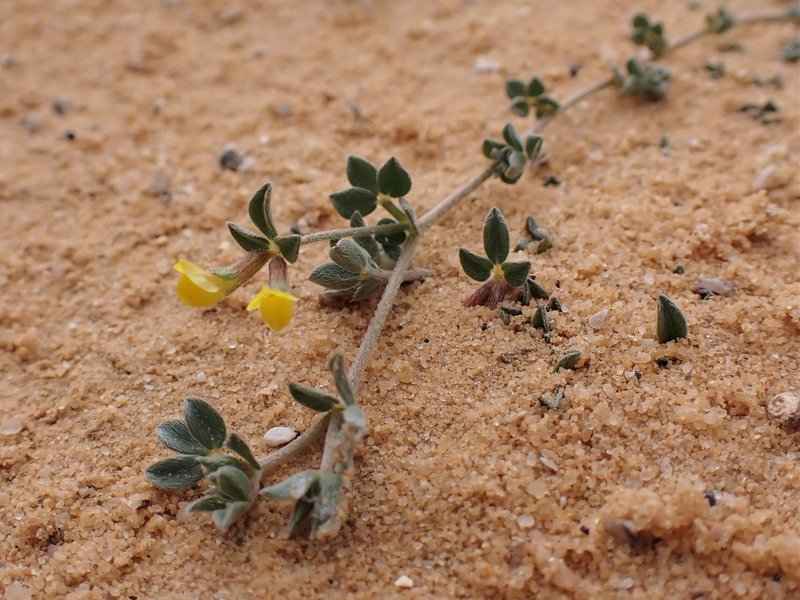
Krzysztof Ziarnek, Kenraiz
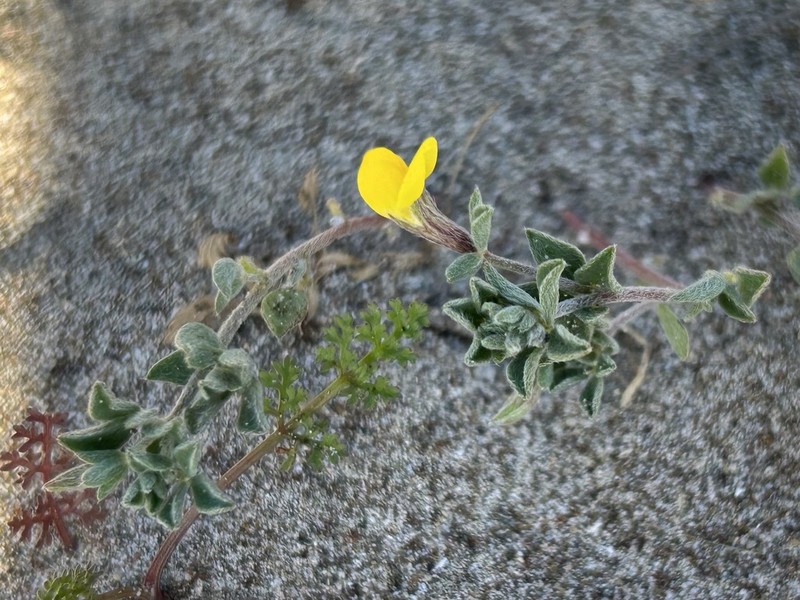
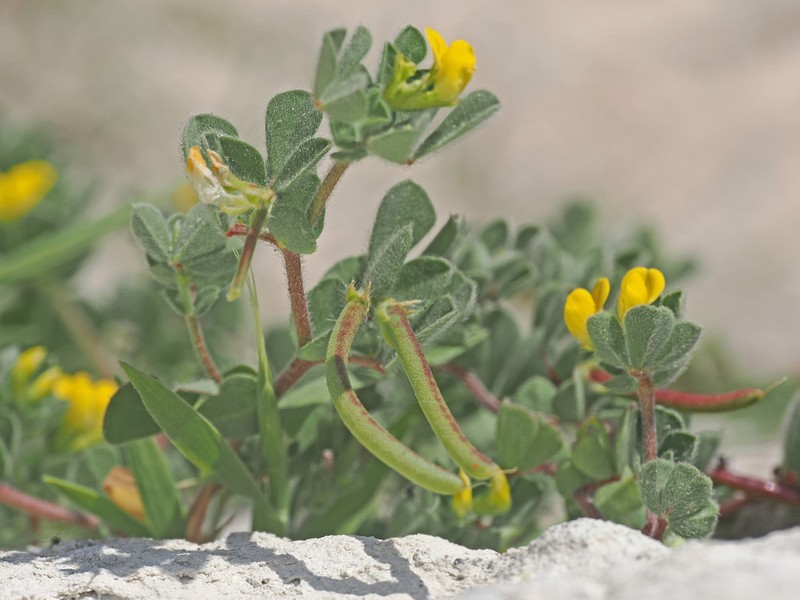
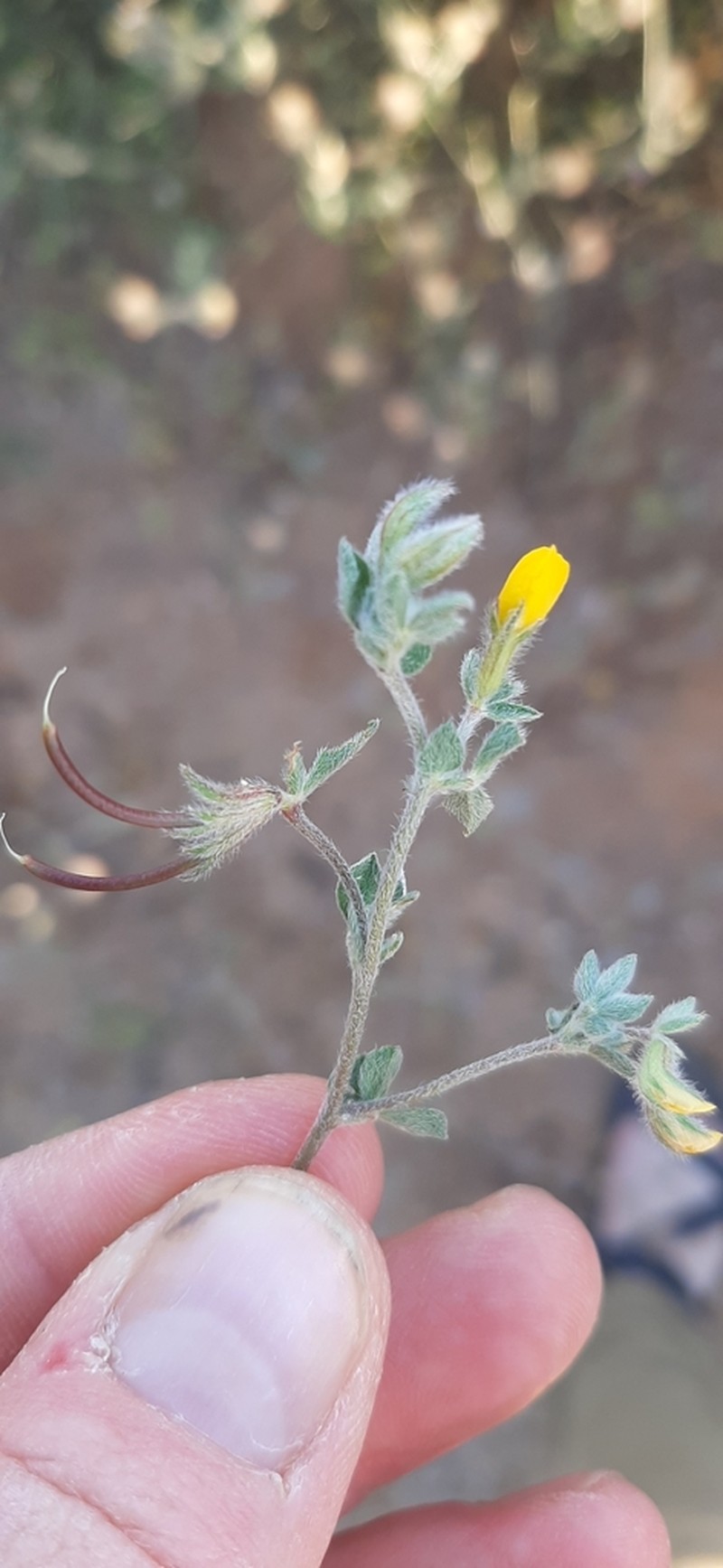
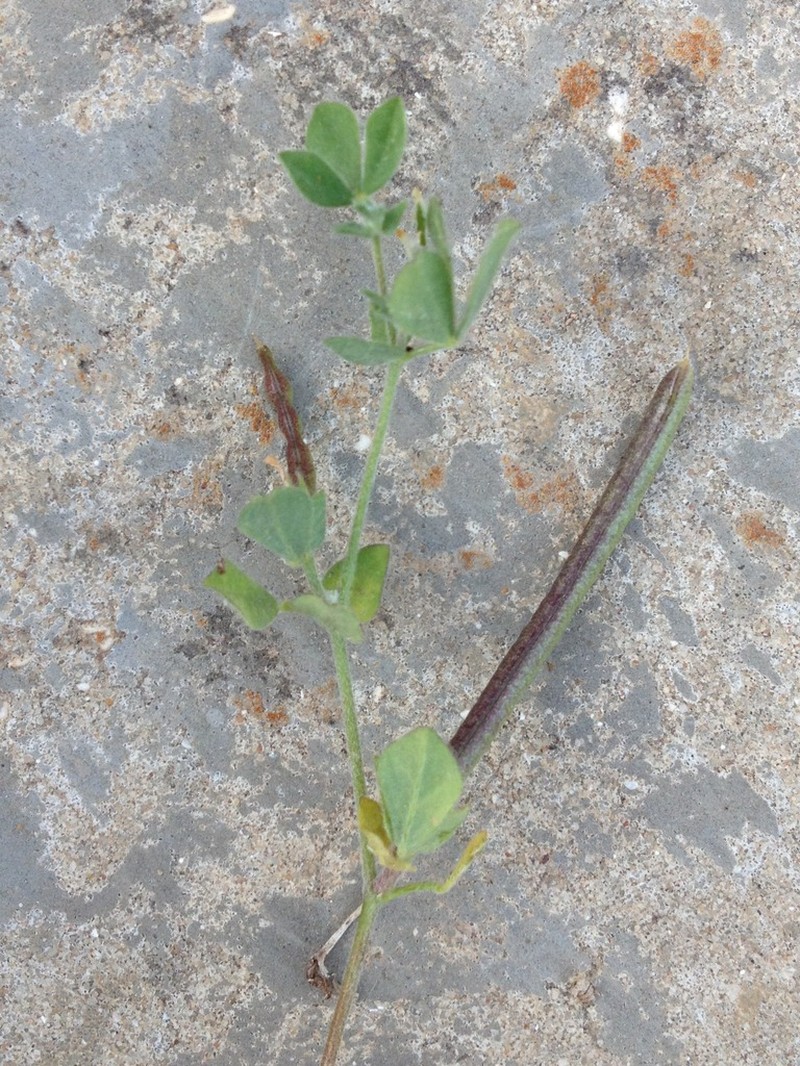
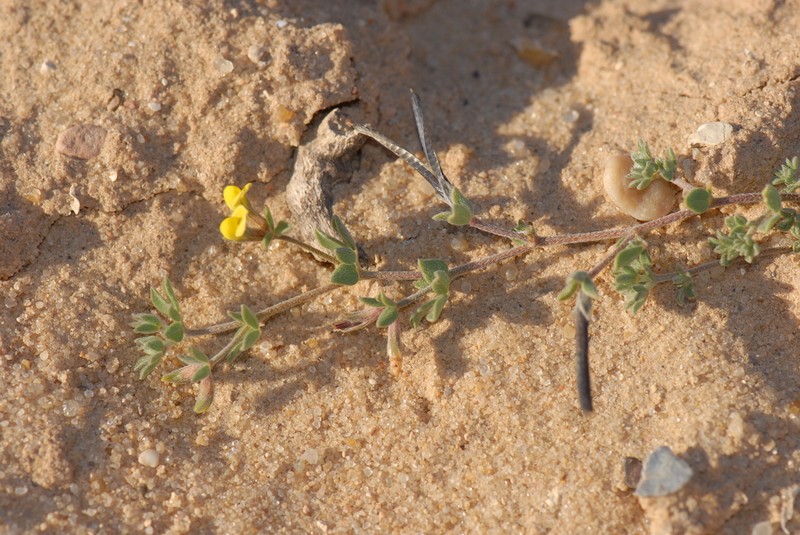
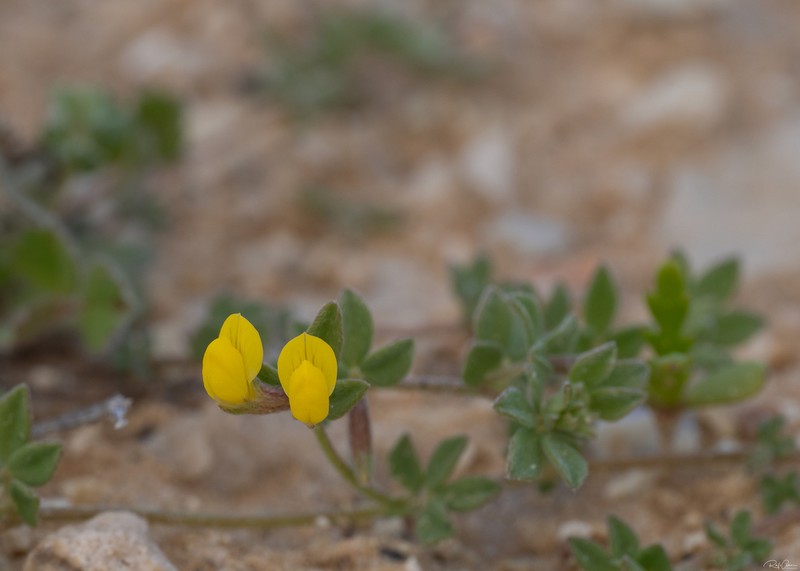
Taxonomy
- Division:
- Magnoliophyta | - Flowering plants
- Family:
- Fabaceae
- Genus:
- Lotus
- Species:
- Lotus halophilus
- USDA Symbol:
- LOHA6
Growth Characteristics
- Height:
- 30 cm
- Light Requirements:
- Full Sun
- Drought Tolerance:
- High
- Bloom Months:
- apr,may,jun,jul
- Bloom Colors:
- yellow
- Ground Cover:
- Yes
Keystone Species Ranking
- Caterpillar Keystone:
- ★★★★☆ Butterfly & moth species supported by this genus (NWF)
- Pollen Specialist Bee Keystone:
- ★★★☆☆ Native pollen specialist bee species supported by this genus (NWF)
Garden & Ecology Notes
- Wildlife Value:
- bees, butterflies
- Salt Tolerant:
- Yes
Soil Requirements
- Soil Type:
- saline, sandy, well-drained soil
- pH:
- 6.5 - 8.5 (neutral to slightly alkaline)
- Drainage:
- excellent drainage required
- Moisture:
- dry to moderate
- Notes:
- thrives in coastal or salt marsh environments
Propagation & Germination
- Stratification:
- None required
- Germination Time:
- 7–21 days
- Notes:
- Seeds germinate readily without pretreatment; soak in warm water for 24 hours to soften seed coat if needed.