
Lotus purpureus
Lotus purpureus
- Native to:
- Cape Verde
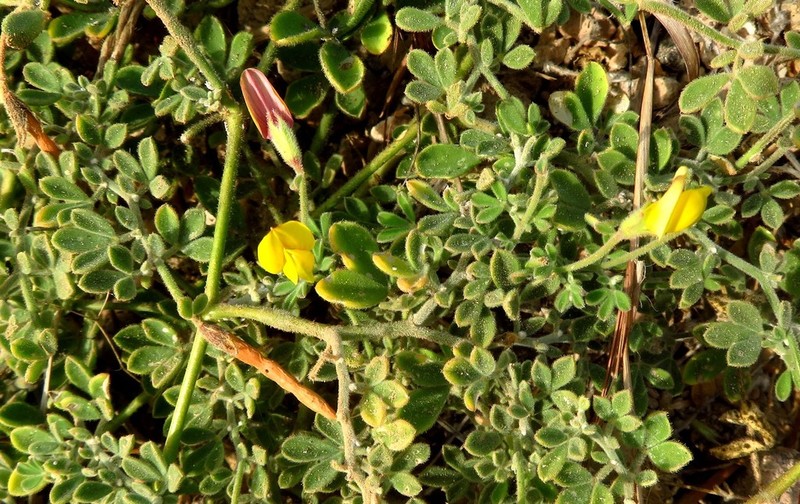
iNaturalist: © michi1 (iNaturalist #40354517)
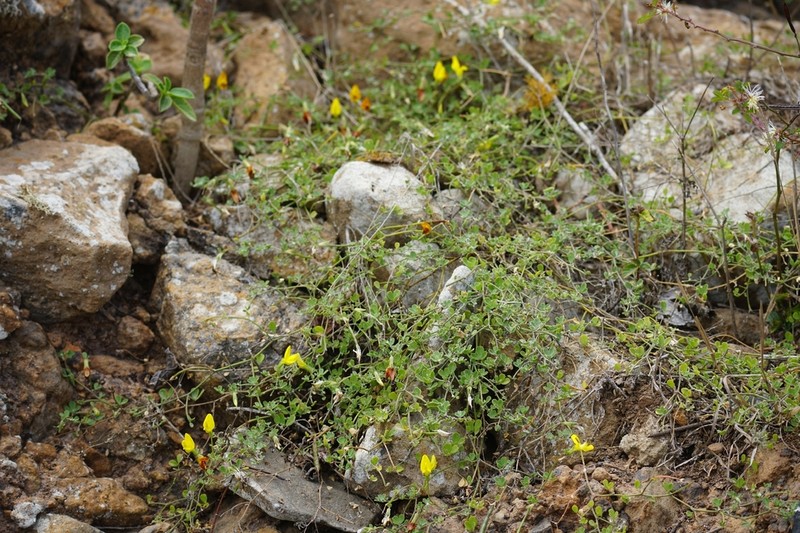
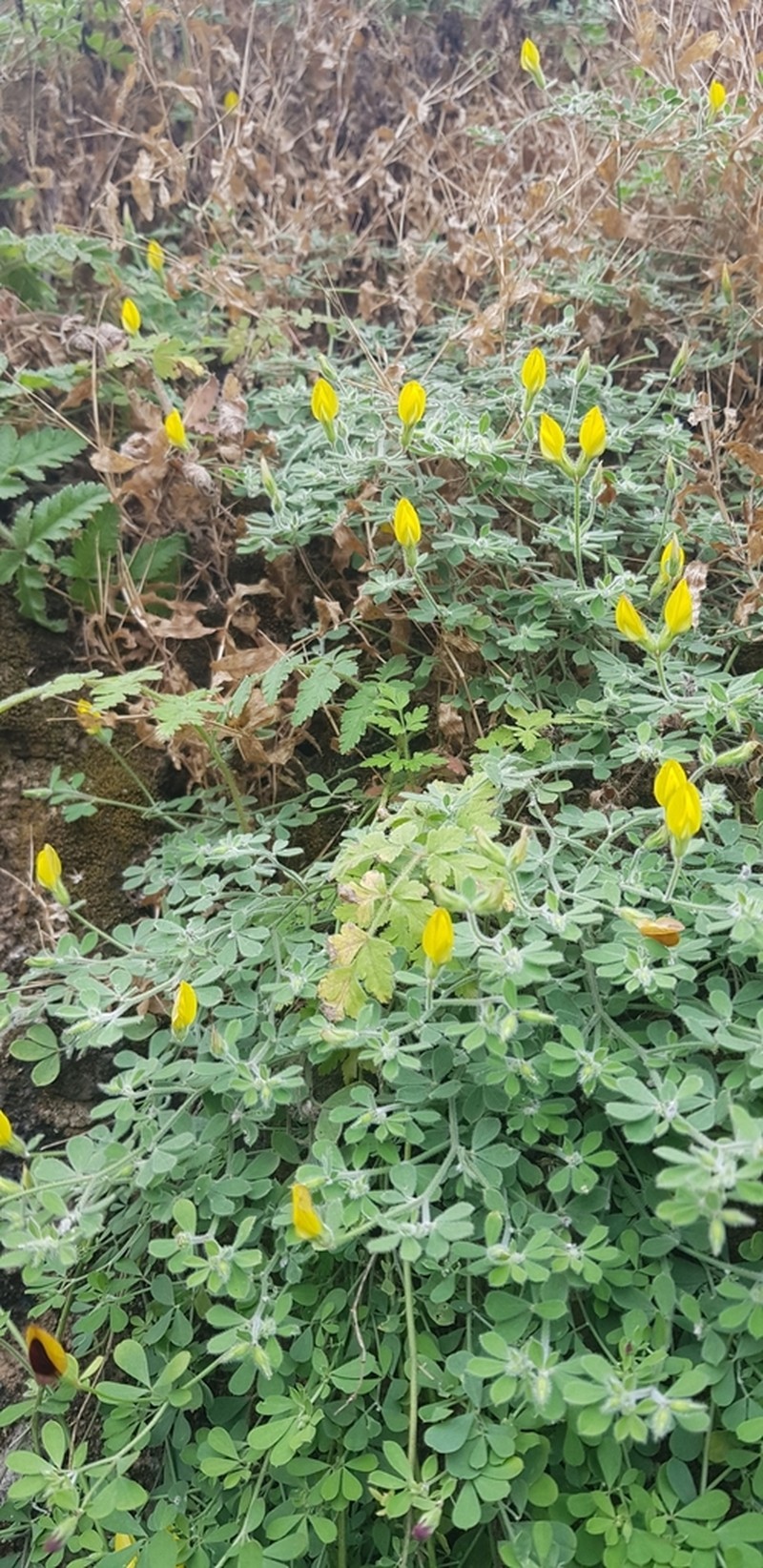
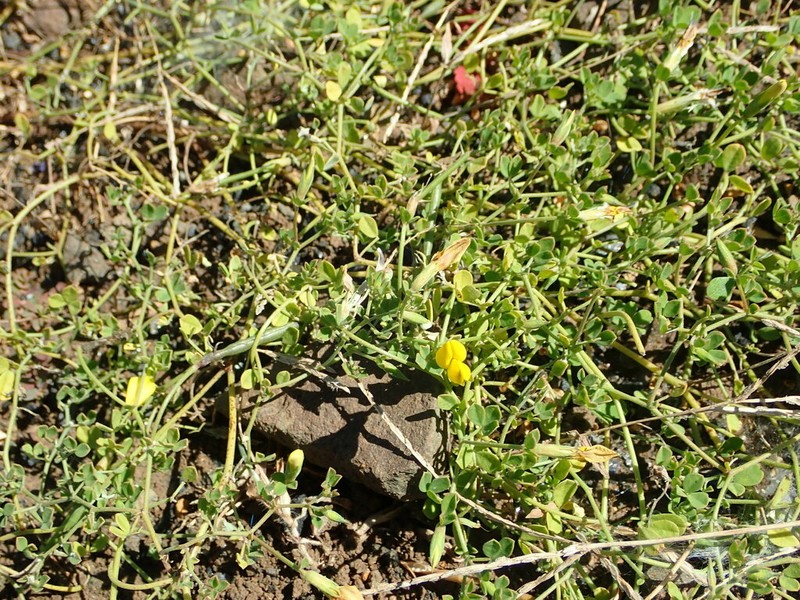
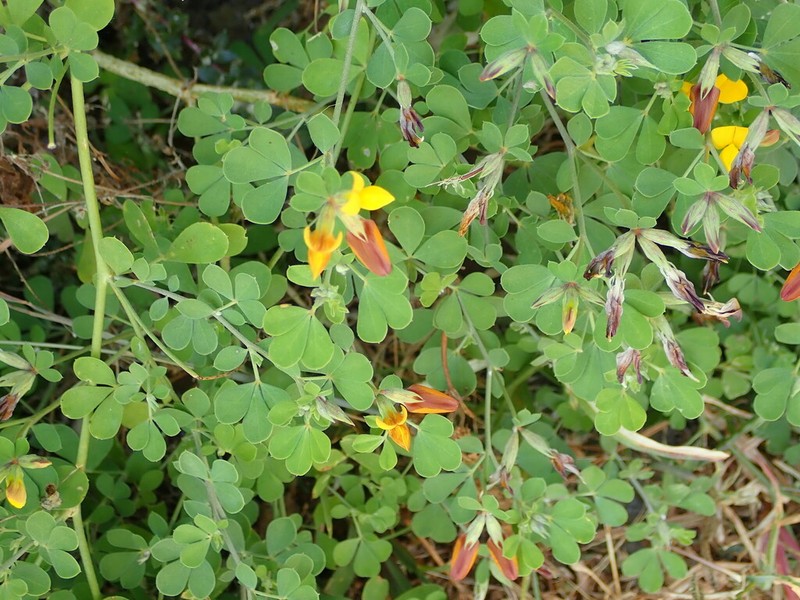
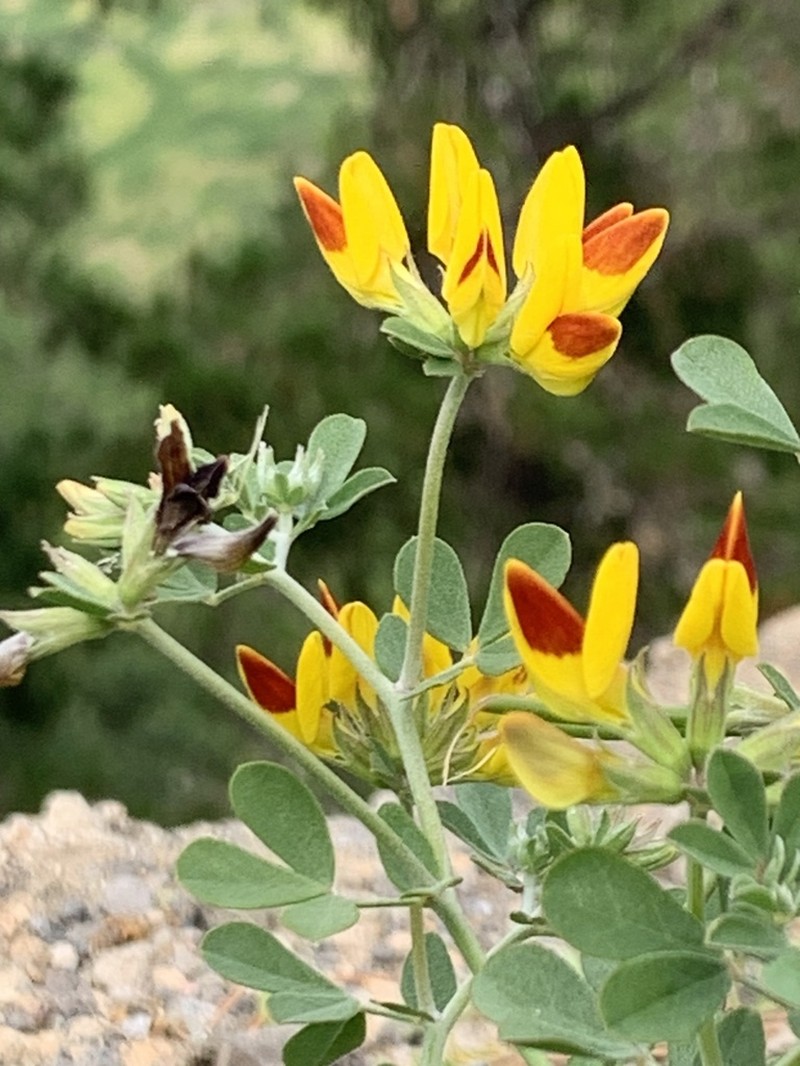
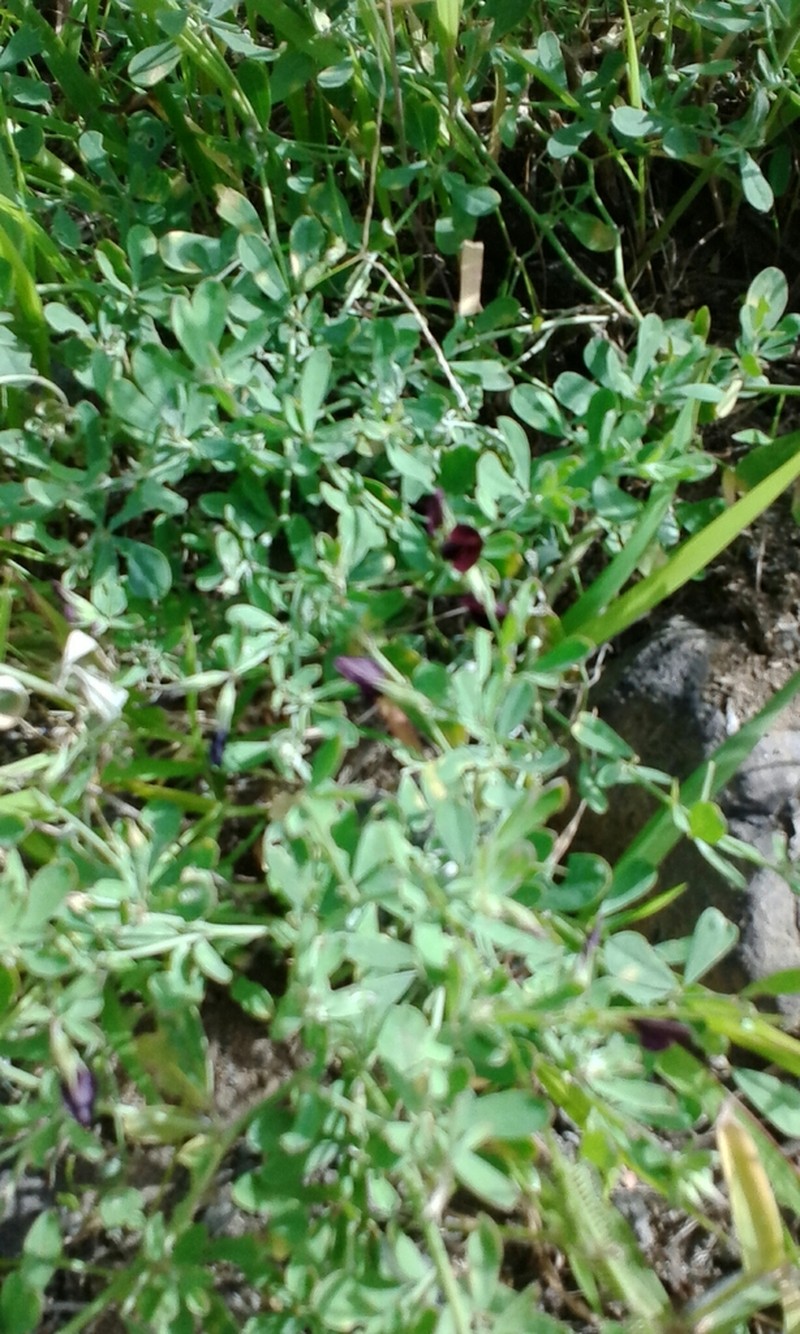
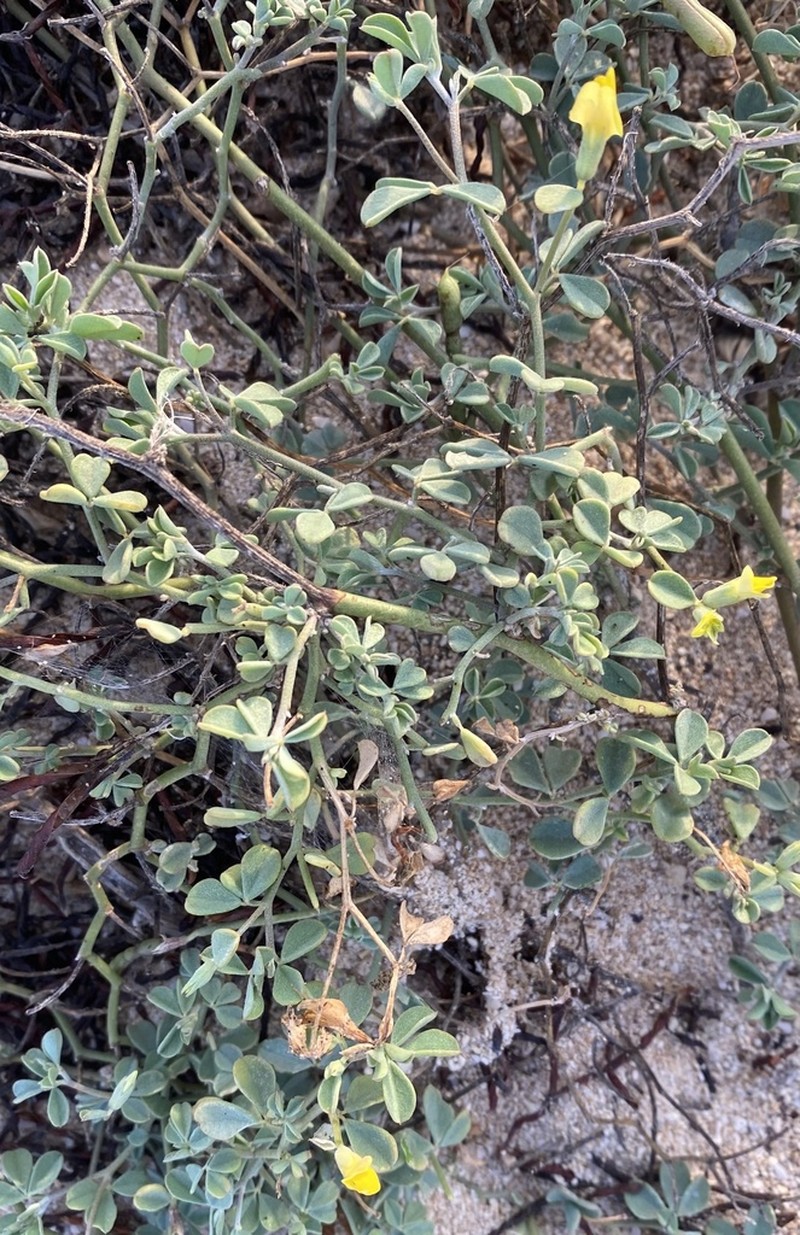
Taxonomy
- Division:
- Magnoliophyta | - Flowering plants
- Family:
- Fabaceae
- Genus:
- Lotus
- Species:
- Lotus purpureus
- USDA Symbol:
- LOPU7
Growth Characteristics
- Height:
- 60 cm
- Drought Tolerance:
- Medium
- Bloom Months:
- apr,may,jun,jul
- Bloom Colors:
- red, purple
Keystone Species Ranking
- Caterpillar Keystone:
- ★★★★☆ Butterfly & moth species supported by this genus (NWF)
- Pollen Specialist Bee Keystone:
- ★★★☆☆ Native pollen specialist bee species supported by this genus (NWF)
Garden & Ecology Notes
- Wildlife Value:
- bees, butterflies
Soil Requirements
- Soil Type:
- sandy, well-drained, nutrient-poor soil
- pH:
- 6.0 - 7.5 (slightly acidic to neutral)
- Drainage:
- excellent drainage required
- Moisture:
- dry to moderate
- Notes:
- native to arid regions, prefers low fertility