
Sicklekeel Lupine
Lupinus albicaulis
Also known as: Gorman's Lupine
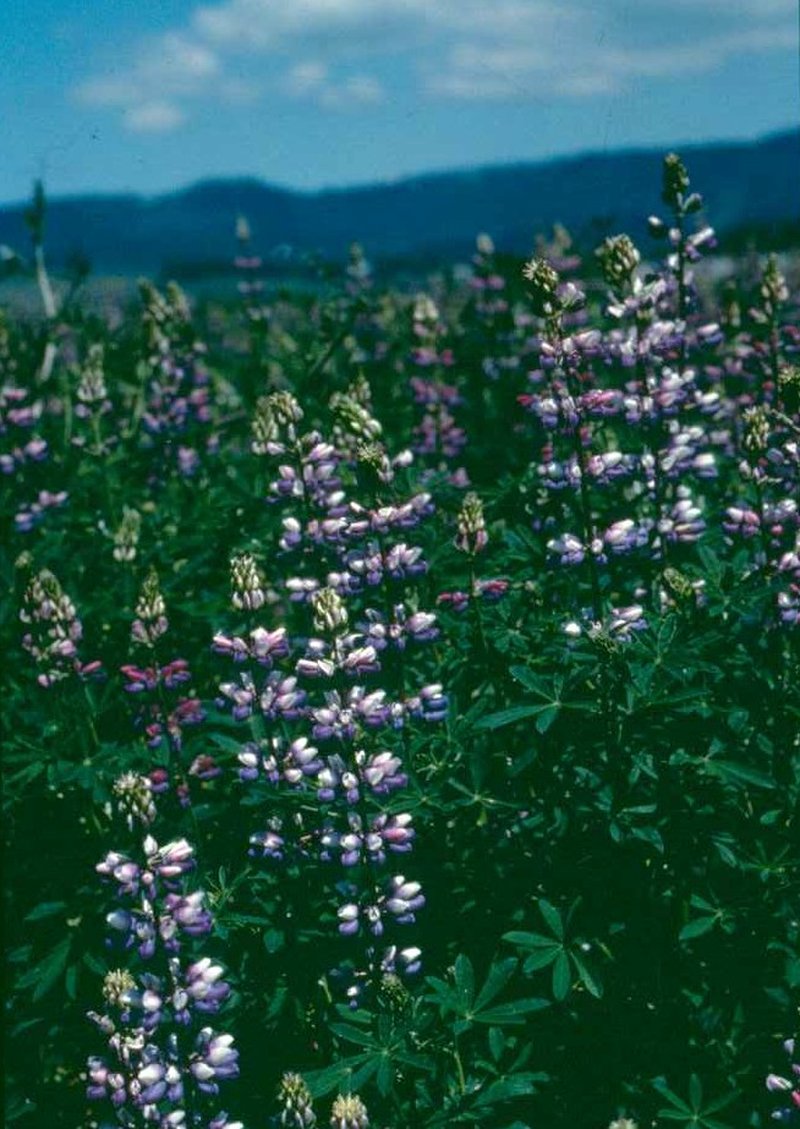
Unknown author
Taxonomy
- Division:
- Magnoliophyta | - Flowering plants
- Family:
- Fabaceae
- Genus:
- Lupinus
- Species:
- Lupinus albicaulis
Growth Characteristics
- Life Cycle:
- Annual
- Growth Habit:
- Forb/herb
- Height:
- 4-6 ft
- Light Requirements:
- Full Sun
- Drought Tolerance:
- Medium
- Bloom Months:
- jul, aug
- Bloom Colors:
- Blue, Purple
Native Range
United States: California, Oregon, Washington
Keystone Species Ranking
- Caterpillar Keystone:
- ★★☆☆☆ Based on number of butterfly and moth species using this genus as host plant (Source: National Wildlife Federation)
- Bee Keystone:
- ★★★★☆ Based on number of native bee species using this genus for pollen and nectar (Source: National Wildlife Federation)
Host Plant for Caterpillars
sooty hairstreak (Satyrium fuliginosum), Western Blue (Plebejus icarioides)
Reported Fauna Sightings
Bees: Black-tailed bumble bee (Bombus melanopygus), Black-tailed bumble bee (Bombus melanopygus), Crotch bumble bee (Bombus crotchii), Crotch bumble bee (Bombus crotchii), Fuzzy-horned bumble bee (Bombus mixtus), Fuzzy-horned bumble bee (Bombus mixtus), Sitka bumble bee (Bombus sitkensis), Sitka bumble bee (Bombus sitkensis), Yellow bumble bee (Bombus fervidus), Yellow bumble bee (Bombus fervidus), Yellow head bumble bee (Bombus flavifrons), Yellow head bumble bee (Bombus flavifrons), Yellow-faced bumble bee (Bombus vosnesenskii), Yellow-faced bumble bee (Bombus vosnesenskii)
Soil Requirements
- Soil Type:
- well-drained, sandy or gravelly soil
- pH:
- 5.5 - 7.5 (slightly acidic to neutral)
- Drainage:
- excellent drainage required
- Moisture:
- dry to moderate
- Notes:
- thrives in nutrient-poor soils
Germination Information
Pre-treatment: Cold-moist stratification for 30 days at 1–5°C (34–41°F).; then Scarify, then cold-moist stratify for 60 days.
Source: OpenAI GPT-4o