
Longspur Lupine
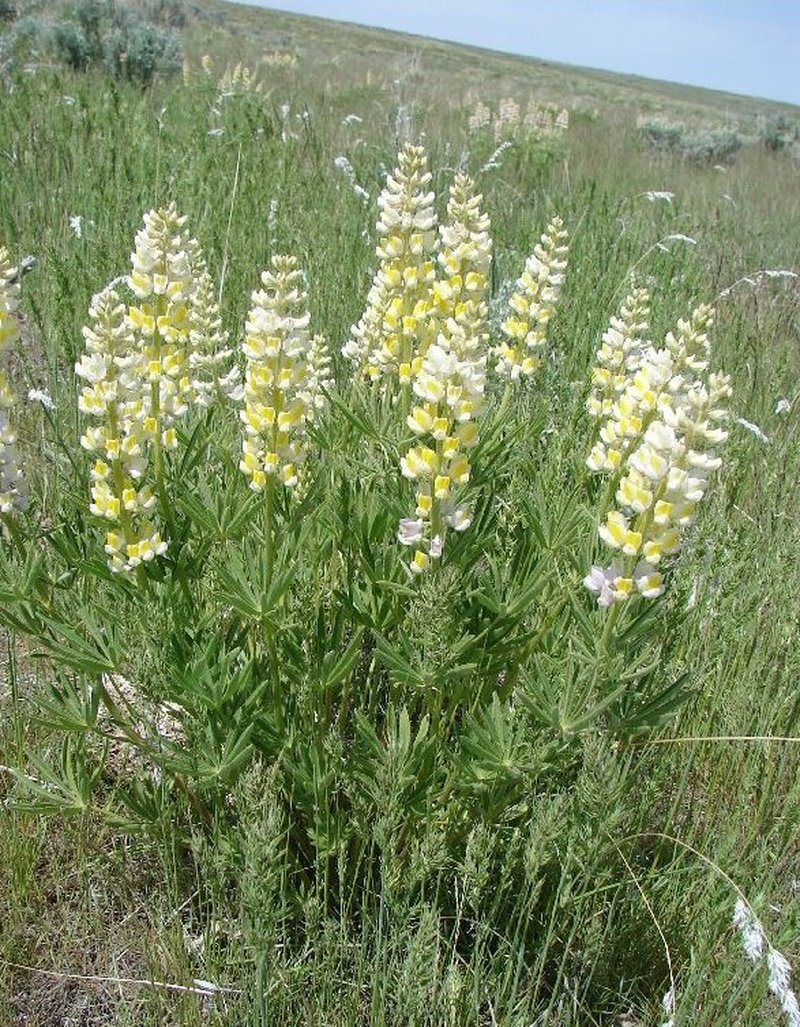
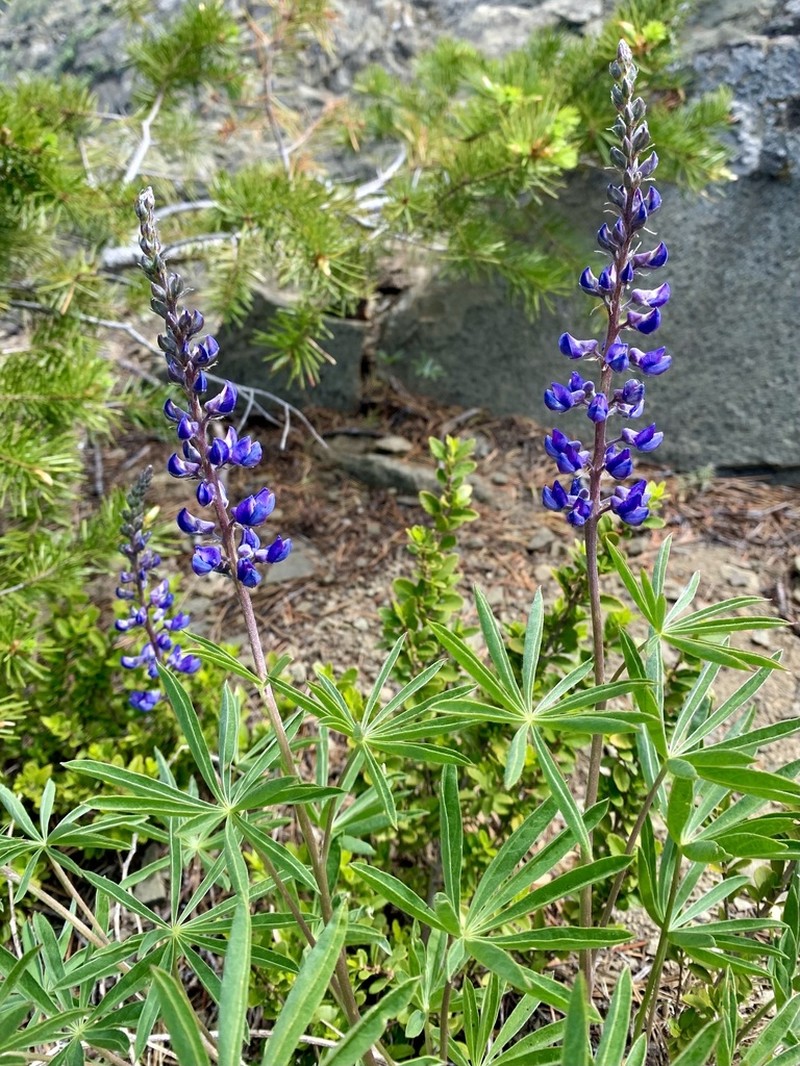
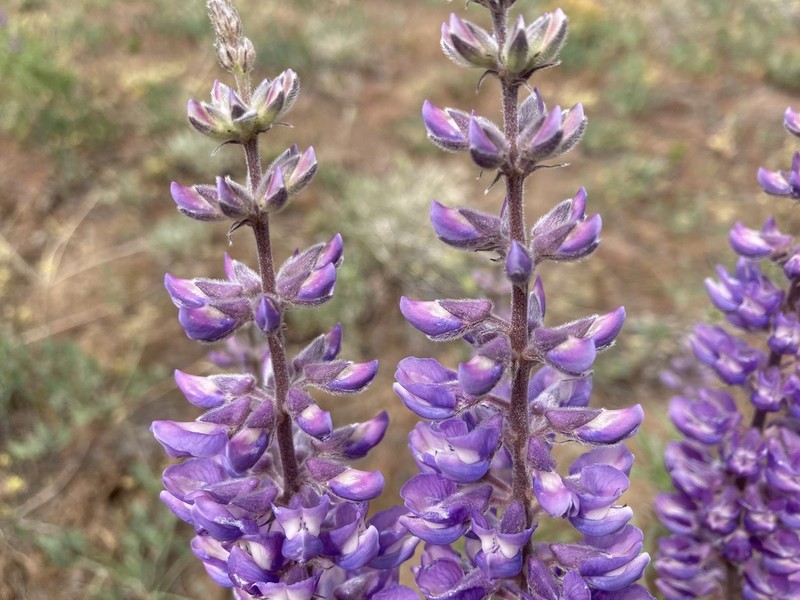
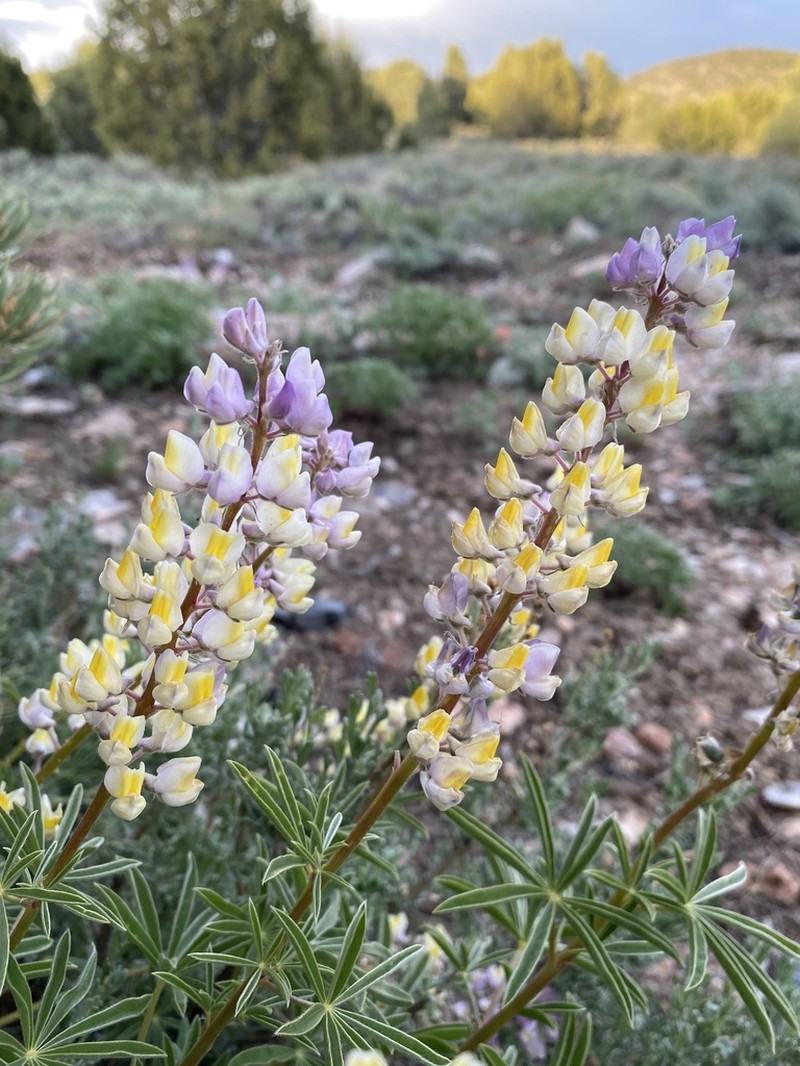
Lupinus arbustus
- Native to:
- Canada, United States
Sheri Hagwood
Taxonomy
- Division:
- Magnoliophyta | - Flowering plants
- Family:
- Fabaceae
- Genus:
- Lupinus
- Species:
- Lupinus arbustus
- USDA Symbol:
- LUAR6
Growth Characteristics
- Life Cycle:
- Perennial
- Growth Habit:
- Forb/herb , Subshrub
- Height:
- 90 cm
- Light Requirements:
- Full Sun
- Drought Tolerance:
- Medium
- Bloom Months:
- may,jun,jul
- Bloom Colors:
- blue, purple, white
Wildlife Benefits
- Bees:
- ★☆☆☆☆ Documented bee visitation (GBIF)
- Butterflies & Moths:
- ★☆☆☆☆ Documented Lepidoptera association (GBIF)
- Caterpillars:
- ★☆☆☆☆ Recorded caterpillar host plant (HOSTS Database)
Keystone Species Ranking
- Caterpillar Keystone:
- ★★★★☆ Butterfly & moth species supported by this genus (NWF)
- Pollen Specialist Bee Keystone:
- ★★☆☆☆ Native pollen specialist bee species supported by this genus (NWF)
Host Plant for Caterpillars
Shasta Blue (Plebejus shasta), sooty hairstreak (Satyrium fuliginosum), Western Blue (Plebejus icarioides)
Reported Fauna Sightings
Bees: Yellow-faced bumble bee (Bombus vosnesenskii)
Garden & Ecology Notes
- Wildlife Value:
- bees, butterflies
Soil Requirements
- Soil Type:
- sandy, well-drained, nutrient-poor soil
- pH:
- 6.0 - 7.5 (slightly acidic to neutral)
- Drainage:
- excellent drainage required
- Moisture:
- dry to moderate
- Notes:
- Commonly found in open, rocky areas
Propagation & Germination
- Stratification:
- Cold/moist stratification required — 30–60 days
- Scarification:
- Seed coat scarification required before sowing
- Germination Time:
- 14–30 days
- Notes:
- Seeds benefit from scarification (nicking or hot water) followed by cold stratification.
Pre-treatment: Seed is moistened and inoculated with rhizobium and mycorrhizae. No scarification required.
Establishment: Lupine pods shatter when ripe, requiring collection while the seed is still green. As seed ripens pods become thin and change from green to yellow becoming somewhat transparent. Pods are ripe for harvest when individual seeds can be discerned when held against a light background. Harvested lupine seeds and pods have high moisture content and must be quickly spread out to dry.
Source: npn.rngr.net