
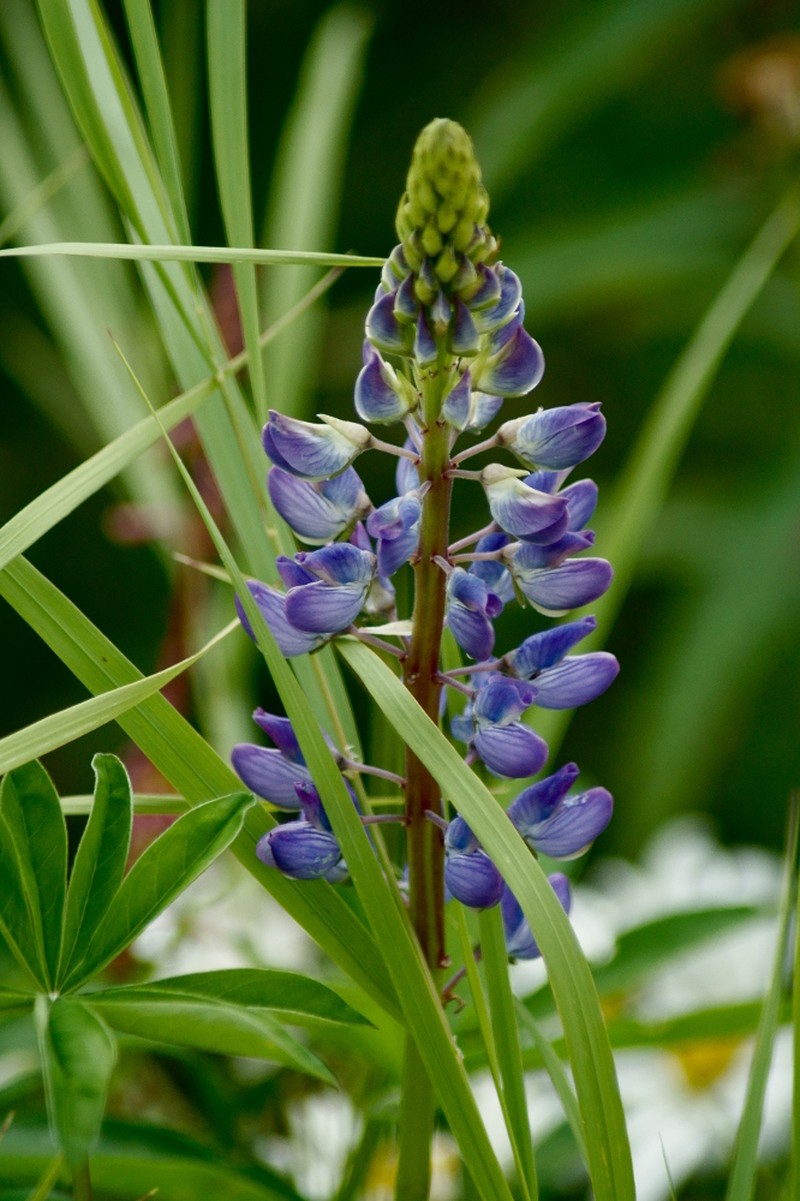
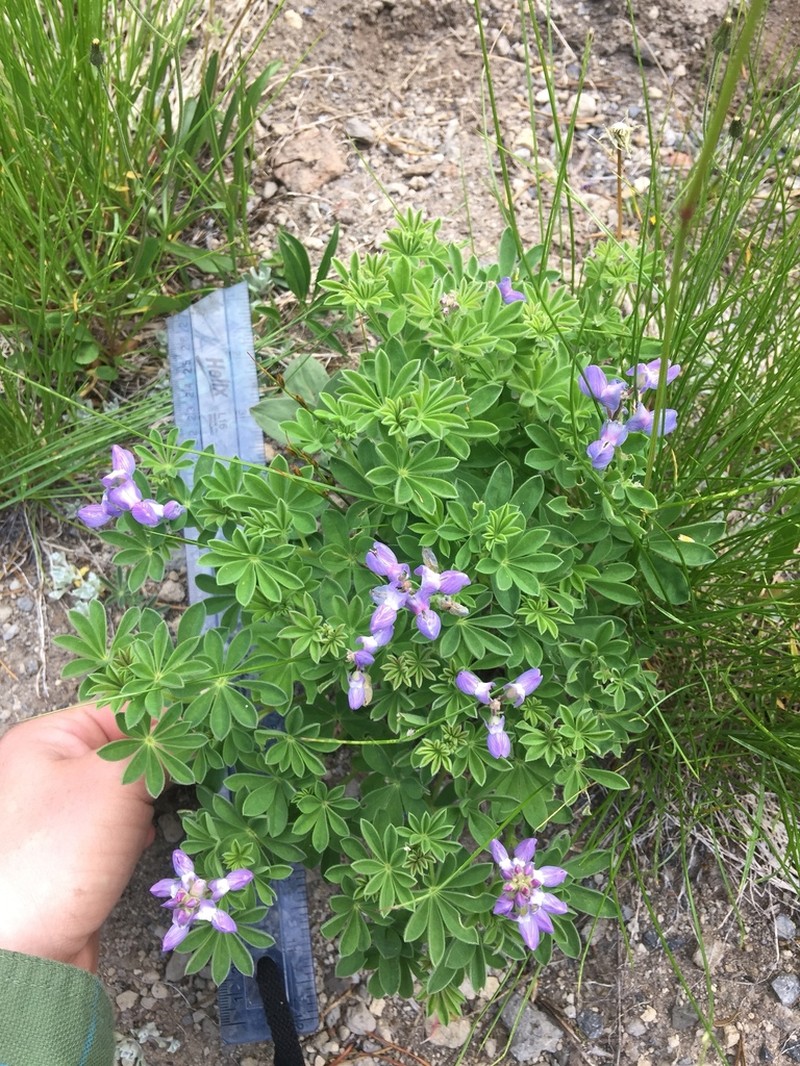
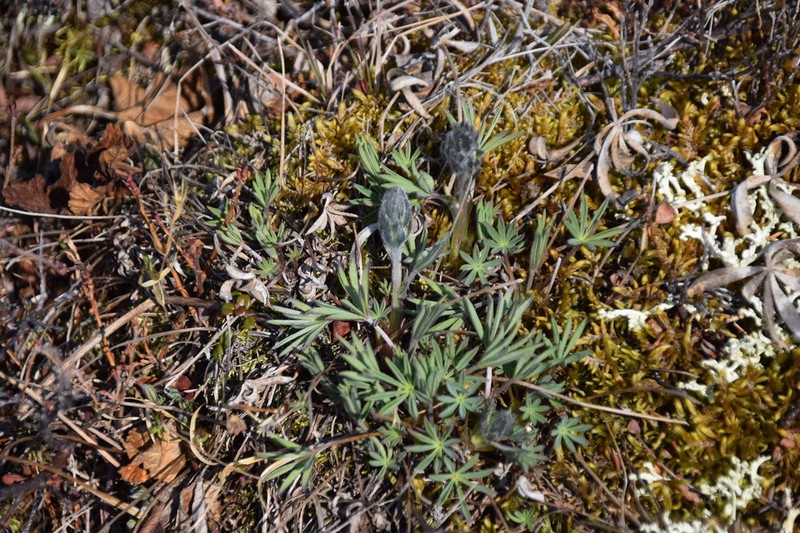
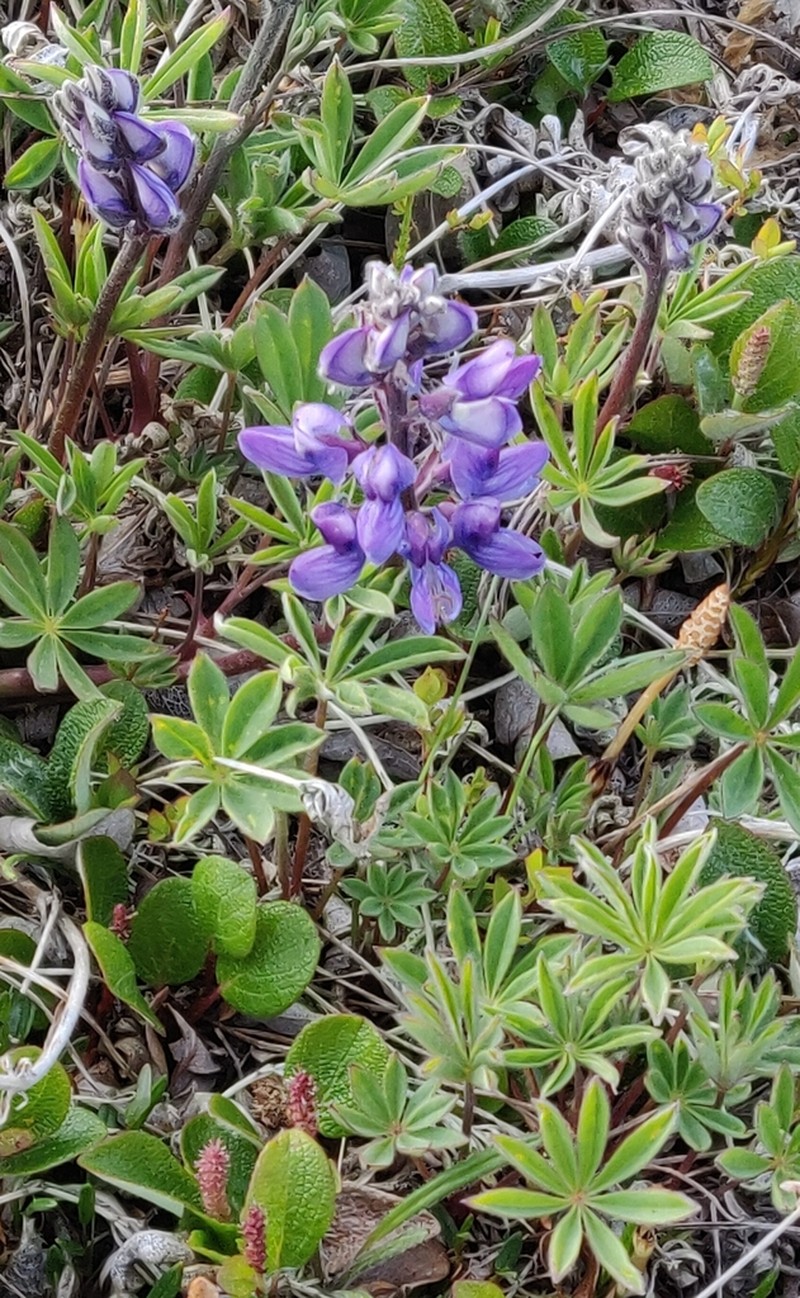
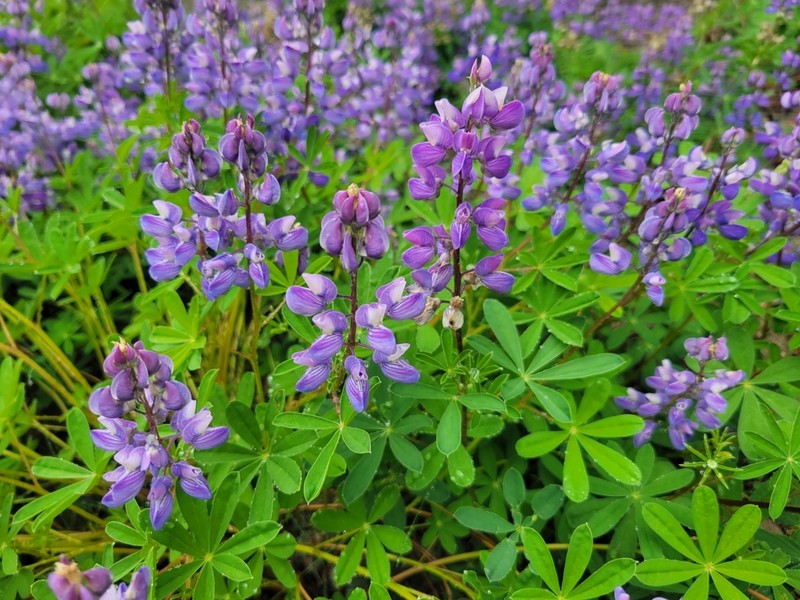
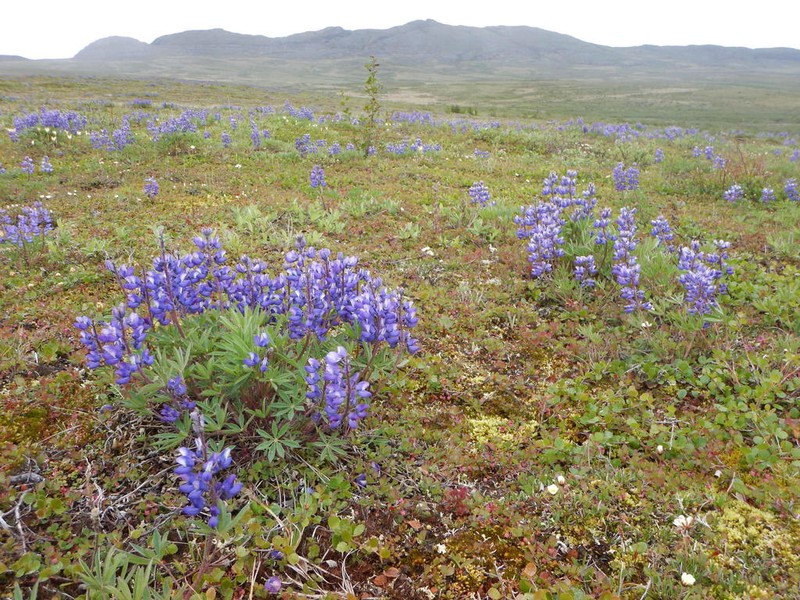
Arctic Lupine
Lupinus arcticus
- Native to:
- Canada, United States
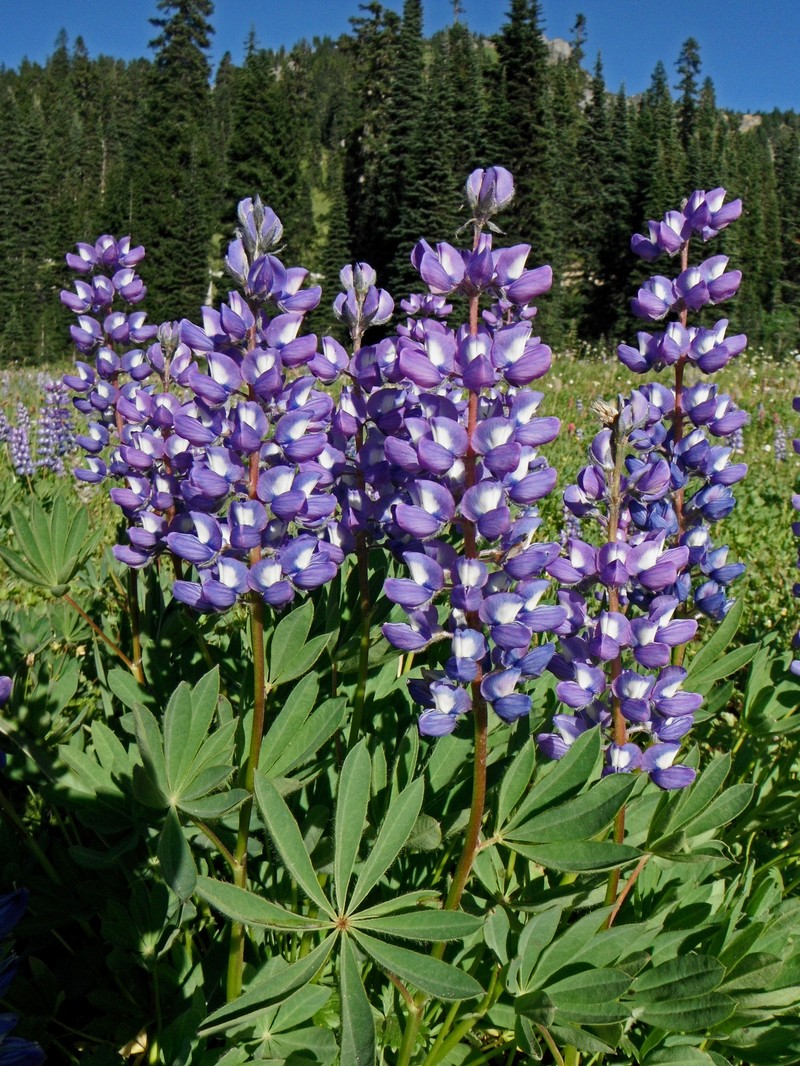
shesnuckinfuts (www.flickr.com)
Taxonomy
- Division:
- Magnoliophyta | - Flowering plants
- Family:
- Fabaceae
- Genus:
- Lupinus
- Species:
- Lupinus arcticus
- USDA Symbol:
- LUAR2
Growth Characteristics
- Life Cycle:
- Perennial
- Growth Habit:
- Forb/herb
- Height:
- 60 cm
- Light Requirements:
- Full Sun
- Drought Tolerance:
- Medium
- Bloom Months:
- jun,jul,aug
- Bloom Colors:
- blue, purple
Wildlife Benefits
- Bees:
- ★☆☆☆☆ Documented bee visitation (GBIF)
- Butterflies & Moths:
- ★☆☆☆☆ Documented Lepidoptera association (GBIF)
- Caterpillars:
- ★☆☆☆☆ Recorded caterpillar host plant (HOSTS Database)
Keystone Species Ranking
- Caterpillar Keystone:
- ★★★★☆ Butterfly & moth species supported by this genus (NWF)
- Pollen Specialist Bee Keystone:
- ★★☆☆☆ Native pollen specialist bee species supported by this genus (NWF)
Host Plant for Caterpillars
Hecla sulphur (Colias hecla), Mountain Clouded Yellow (Colias nastes), Silvery Blue (Glaucopsyche lygdamus), Western Blue (Plebejus icarioides)
Garden & Ecology Notes
- Wildlife Value:
- bees, butterflies, birds
Soil Requirements
- Soil Type:
- sandy, well-drained, nutrient-poor soil
- pH:
- 5.5 - 7.5 (slightly acidic to neutral)
- Drainage:
- excellent drainage required
- Moisture:
- dry to moderate
- Notes:
- Thrives in cold, arctic environments
Propagation & Germination
- Stratification:
- Cold/moist stratification required — 14–30 days
- Scarification:
- Seed coat scarification required before sowing
- Germination Time:
- 14–30 days
- Notes:
- Seeds require scarification (nicking or hot water) followed by cold stratification for 2-4 weeks.
Pre-treatment: None required
Establishment: L. arcticus is found from Alaska to the Northwest Territories and south to northern Oregon.
Source: npn.rngr.net