
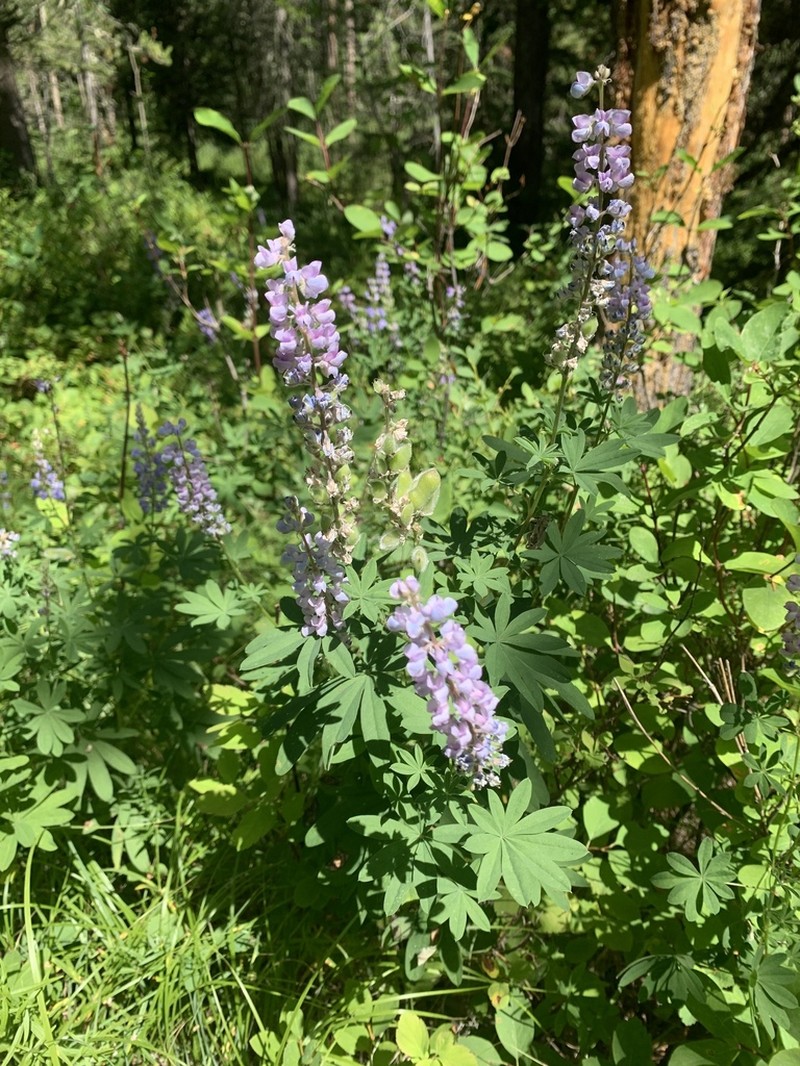
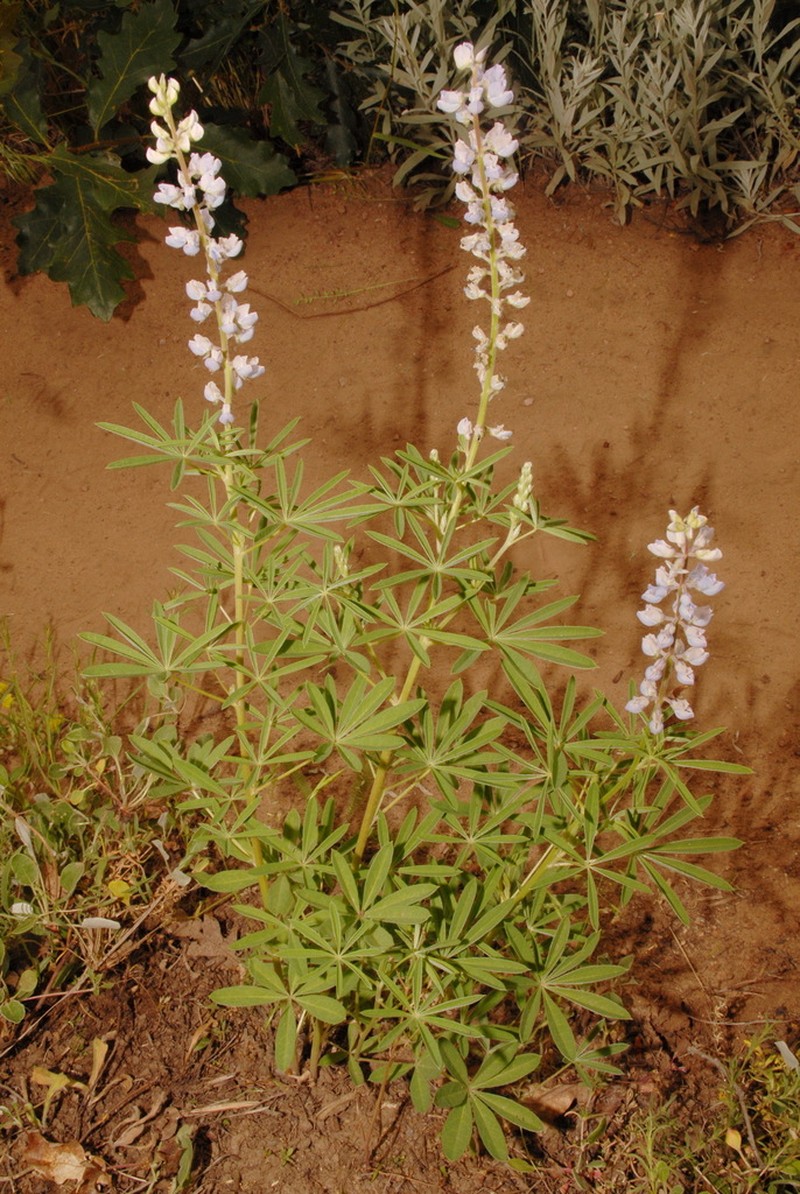
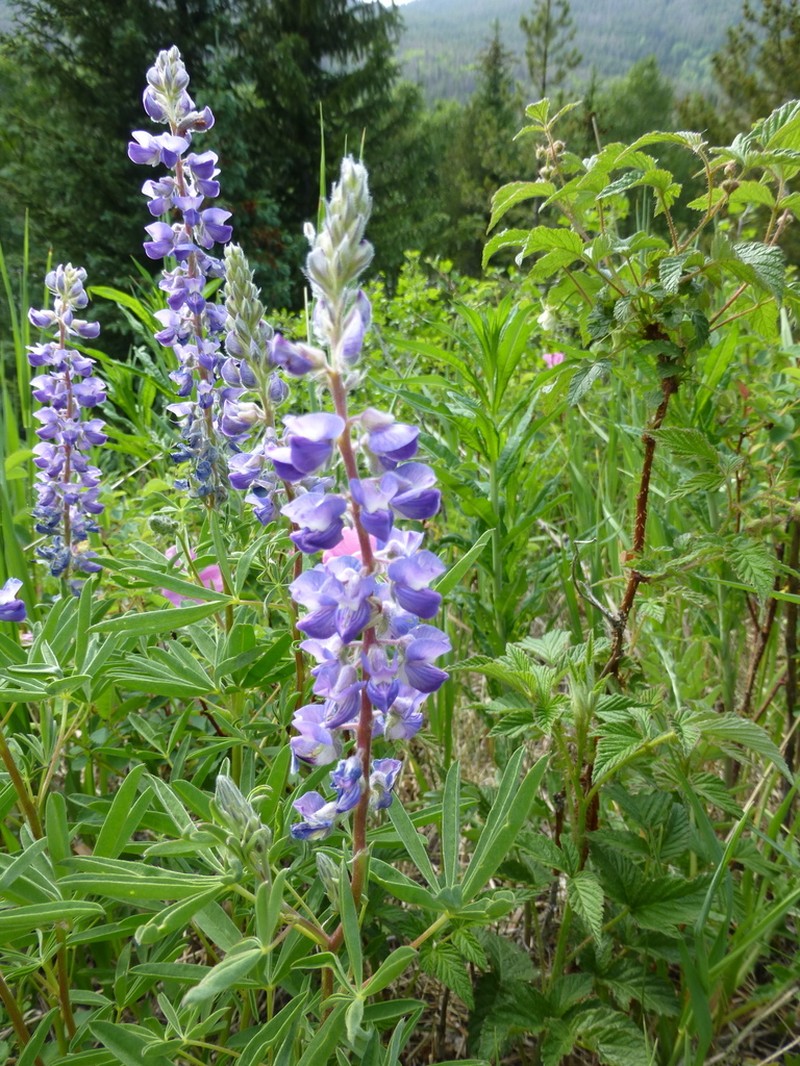
Silvery Lupine
Lupinus argenteus
- Native to:
- Canada, Mexico, United States
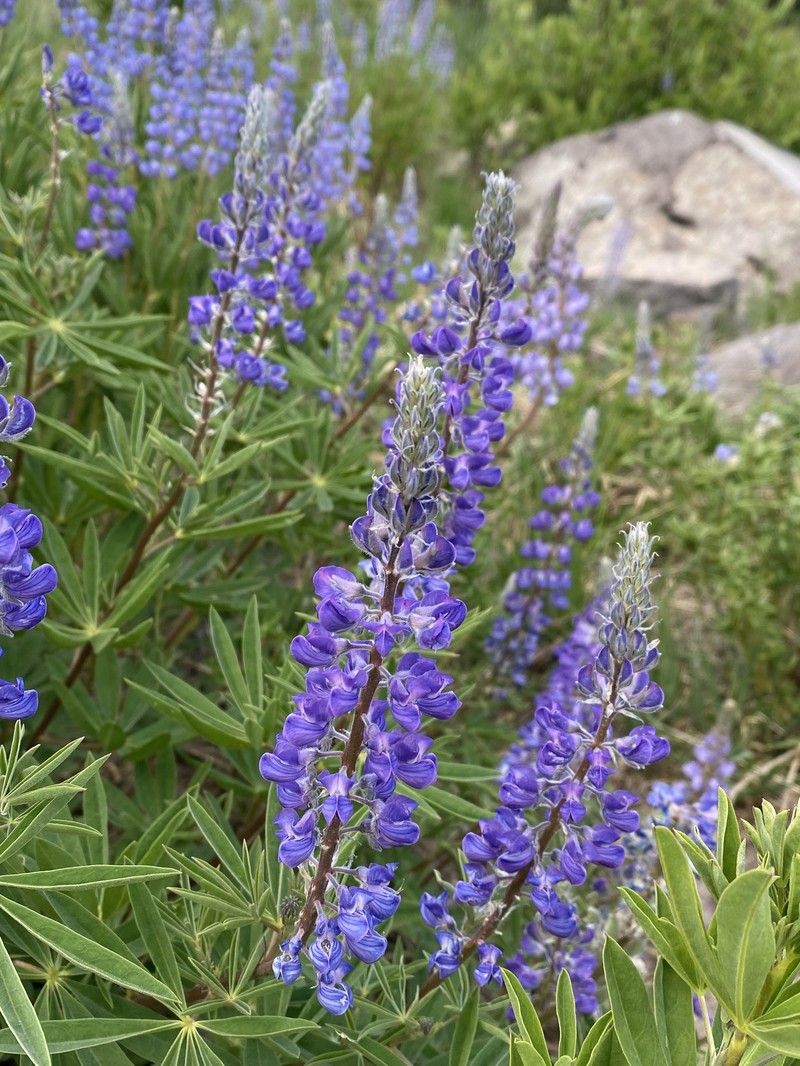
Sarah Allen https://www.inaturalist.org/people/sarah1990 (www.inaturalist.org)
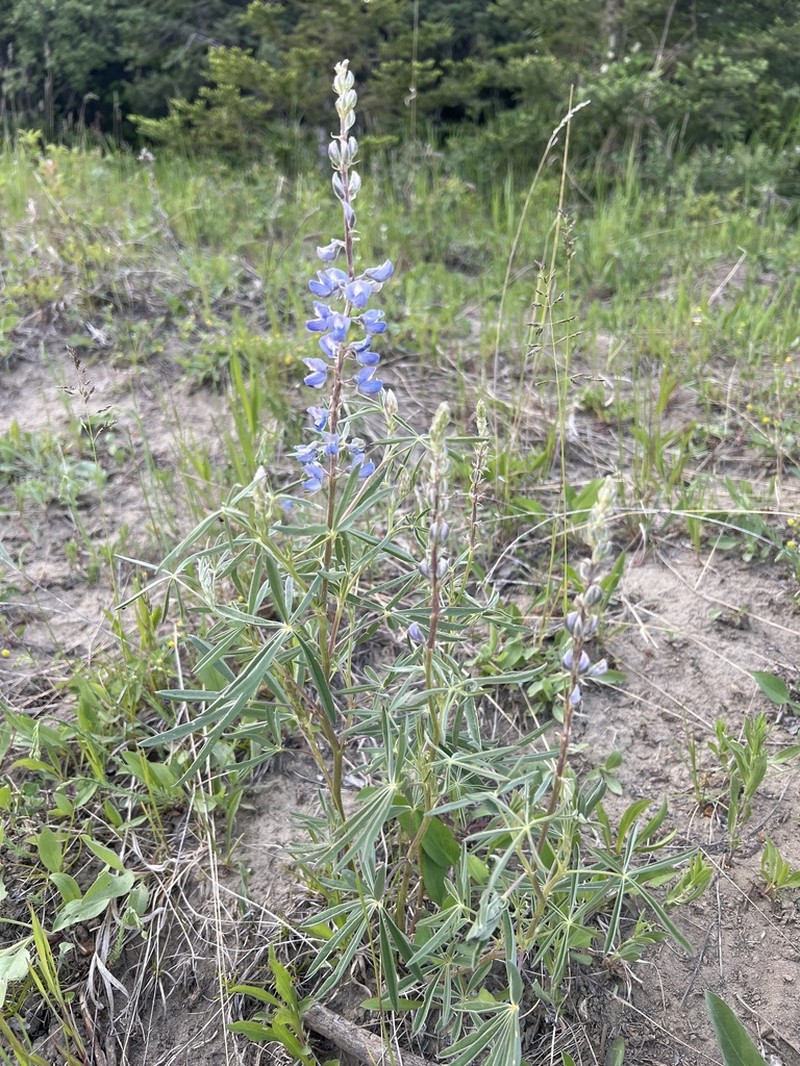
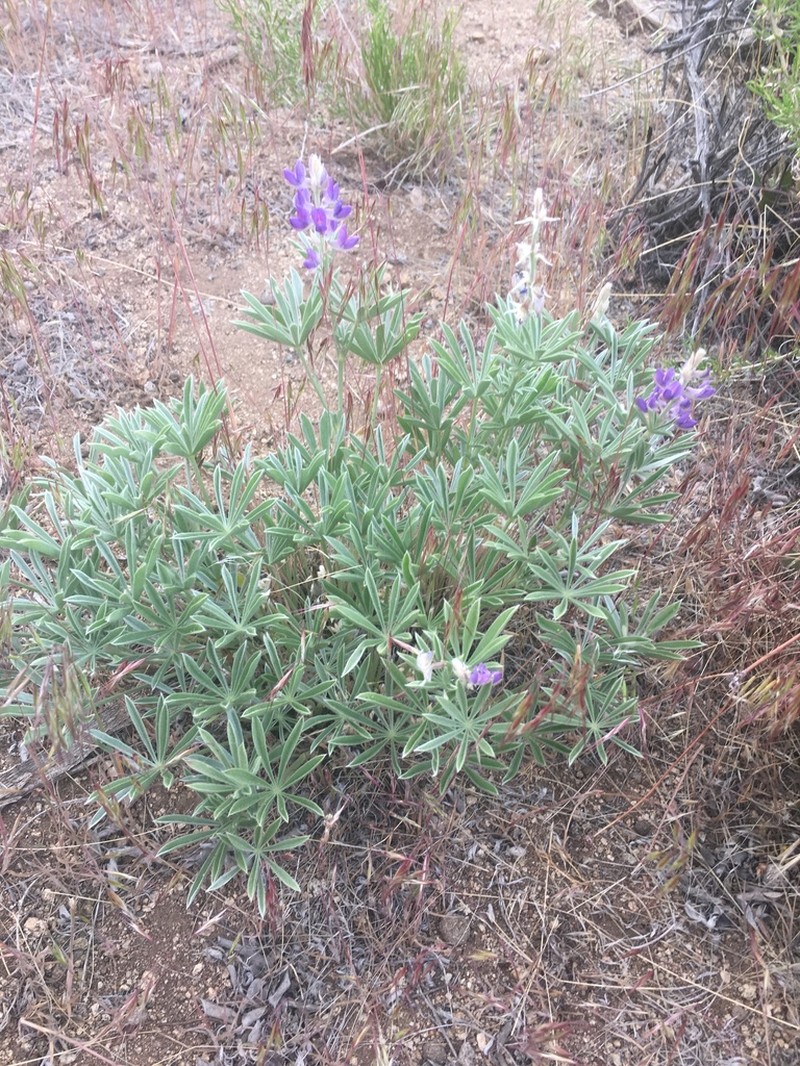
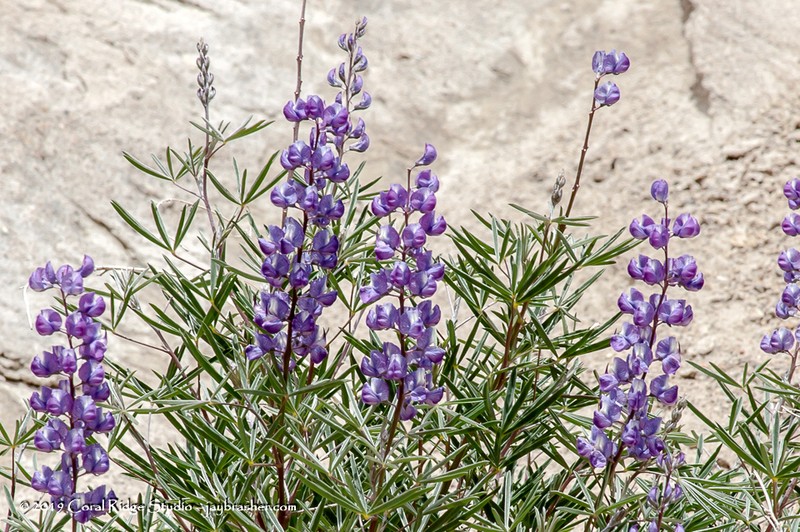
Taxonomy
- Division:
- Magnoliophyta | - Flowering plants
- Family:
- Fabaceae
- Genus:
- Lupinus
- Species:
- Lupinus argenteus
- USDA Symbol:
- LUAR3
Growth Characteristics
- Life Cycle:
- Perennial
- Growth Habit:
- Forb/herb , Subshrub
- Height:
- 90 cm
- Light Requirements:
- Full Sun,Part Shade,Shade
- Drought Tolerance:
- Medium
- Bloom Months:
- jun,jul,aug
- Bloom Colors:
- blue, purple, white
Wildlife Benefits
- Bees:
- ★☆☆☆☆ Documented bee visitation (GBIF)
- Butterflies & Moths:
- ★★★☆☆ Documented Lepidoptera association (GBIF)
- Caterpillars:
- ★★☆☆☆ Recorded caterpillar host plant (HOSTS Database)
Keystone Species Ranking
- Caterpillar Keystone:
- ★★★★☆ Butterfly & moth species supported by this genus (NWF)
- Pollen Specialist Bee Keystone:
- ★★☆☆☆ Native pollen specialist bee species supported by this genus (NWF)
Host Plant for Caterpillars
Reported Fauna Sightings
Garden & Ecology Notes
- Wildlife Value:
- bees, butterflies, small mammals
- Fire Ecology:
- Fire adapted — tolerates or benefits from fire
- Fire Notes:
- Can resprout from root crown after low-severity fire; seeds may germinate in post-fire conditions.
Soil Requirements
- Soil Type:
- well-drained, sandy or rocky soil
- pH:
- 6.0 - 8.0 (slightly acidic to alkaline)
- Drainage:
- excellent drainage required
- Moisture:
- dry to moderate
- Notes:
- Prefers open, sunny locations; often found in mountainous regions.
Propagation & Germination
- Stratification:
- Cold/moist stratification required — 30–60 days
- Scarification:
- Seed coat scarification required before sowing
- Germination Time:
- 14–30 days
- Notes:
- Scarify seed coat (nick or sand) then cold stratify for 30-60 days for best germination.
Pre-treatment: Seed is placed in boiling water for 1 minute and then put on moistened blotter paper in a Petri dish to imbibe. Seed is refrigerated during the imbibing interval to retard fungal growth. Imbibed seed is inoculated with rhizobium and mycorrhizae then planted.
Establishment: Lupine pods shatter when ripe, requiring collection while the seed is still green. As seed ripens pods become thin and change from green to yellow becoming somewhat transparent. Pods are ripe for harvest when individual seeds can be readily discerned when held against a light background. Seed can be collected by hand stripping the pods or breaking or cutting ripened inflorescences. This species does not ripen uniformly. Multiple collecting trips are required to maximize harvest. Harvested lupine seeds and pods have high moisture content and must be spread out to dry quickly. Small collections are covered with metal screens and large collections with mesh tarps to catch seed as the pods forcefully dehisce. Seed cleans out to 3-4% of initial bulk green weight.
Source: npn.rngr.net
Where to Buy
Nationwide Seller
- Native Seed Group (seeds)