
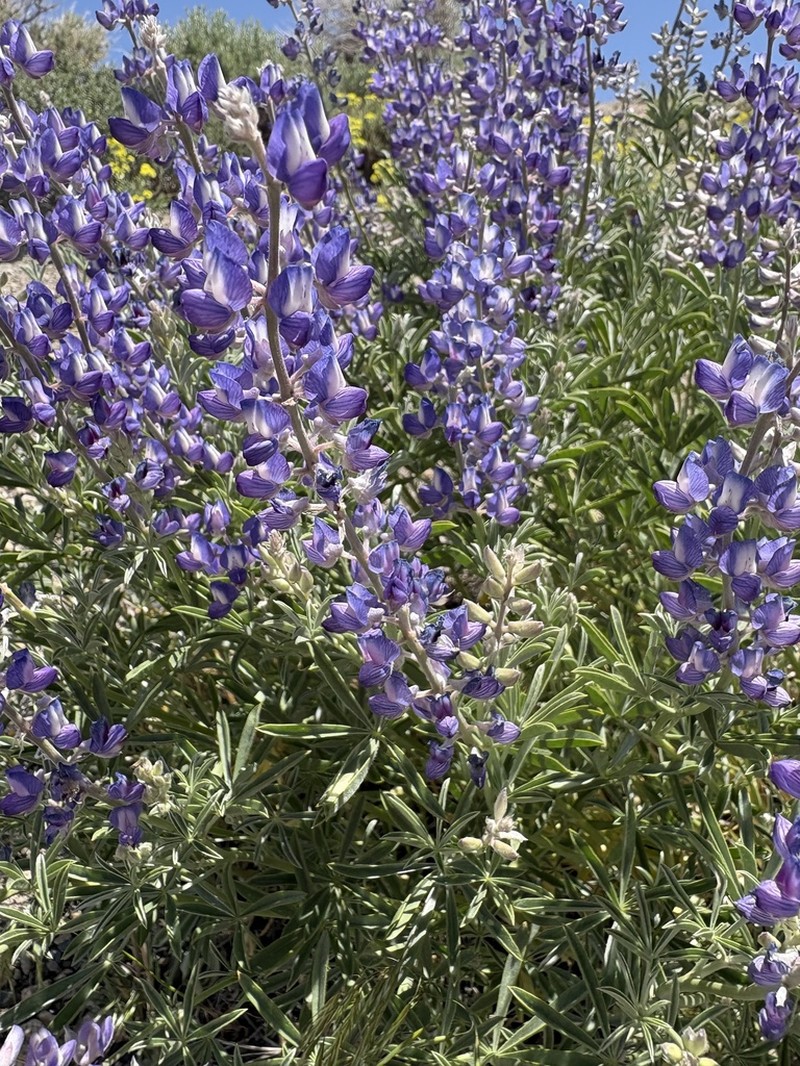
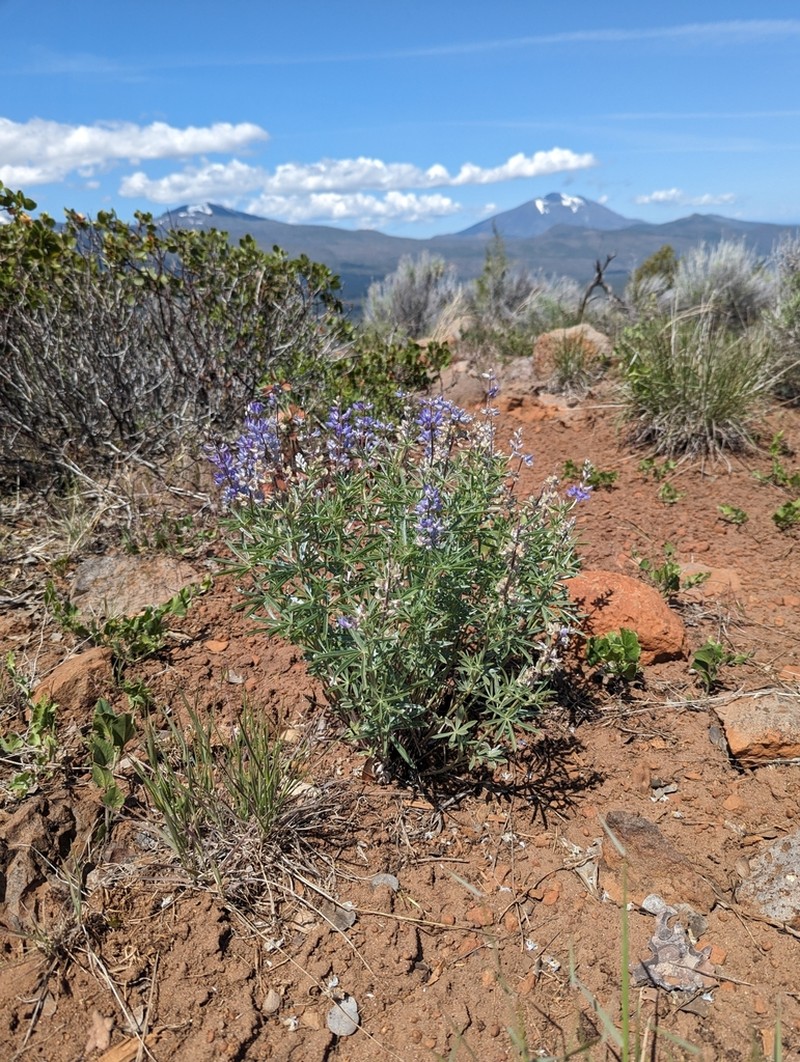
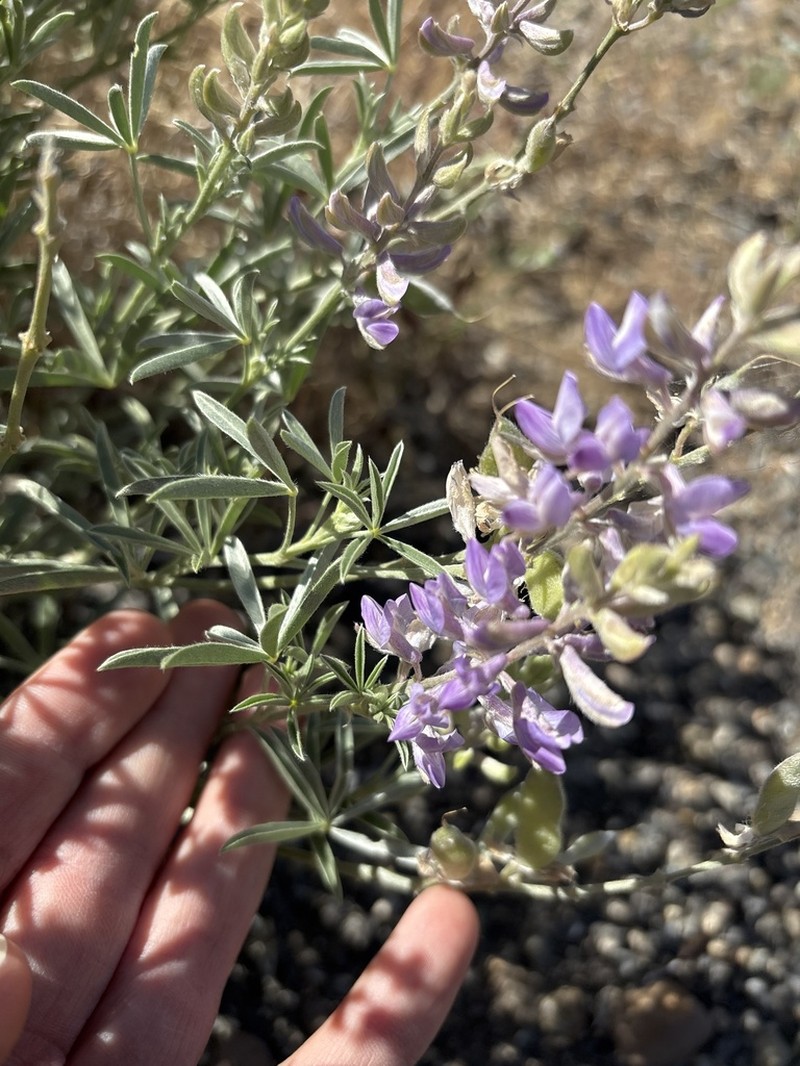
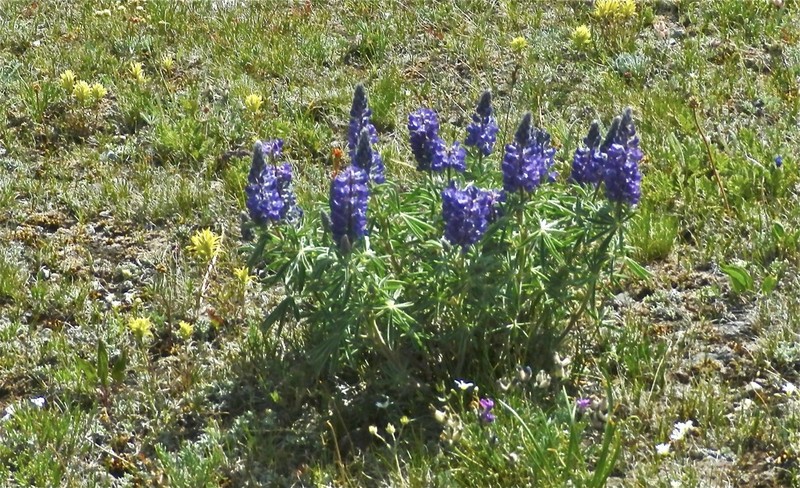
Tailcup Lupine
Lupinus caudatus
- Native to:
- United States
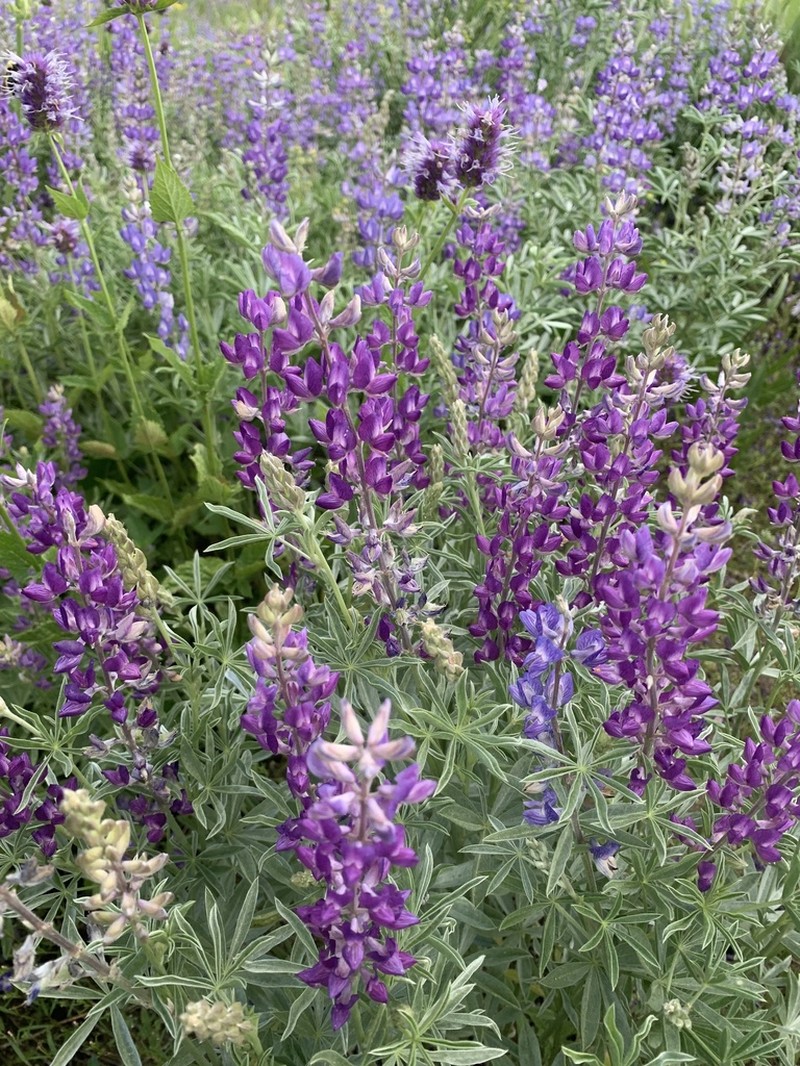
iNaturalist: © natclawson (iNaturalist #171672402)
Taxonomy
- Division:
- Magnoliophyta | - Flowering plants
- Family:
- Fabaceae
- Genus:
- Lupinus
- Species:
- Lupinus caudatus
- USDA Symbol:
- LUCA
Growth Characteristics
- Life Cycle:
- Perennial
- Growth Habit:
- Forb/herb
- Height:
- 90 cm
- Light Requirements:
- Part Shade
- Drought Tolerance:
- Medium
- Bloom Months:
- jun,jul,aug
- Bloom Colors:
- blue, purple
Wildlife Benefits
- Bees:
- ★☆☆☆☆ Documented bee visitation (GBIF)
- Butterflies & Moths:
- ★☆☆☆☆ Documented Lepidoptera association (GBIF)
- Caterpillars:
- ★☆☆☆☆ Recorded caterpillar host plant (HOSTS Database)
Keystone Species Ranking
- Caterpillar Keystone:
- ★★★★☆ Butterfly & moth species supported by this genus (NWF)
- Pollen Specialist Bee Keystone:
- ★★☆☆☆ Native pollen specialist bee species supported by this genus (NWF)
Host Plant for Caterpillars
Reported Fauna Sightings
Garden & Ecology Notes
- Wildlife Value:
- bees, butterflies
- Deer Resistant:
- Yes
Soil Requirements
- Soil Type:
- sandy, well-drained, nutrient-poor soil
- pH:
- 6.0 - 8.0 (neutral to slightly alkaline)
- Drainage:
- excellent drainage required
- Moisture:
- dry to moderate
- Notes:
- native to arid and semi-arid regions
Propagation & Germination
- Stratification:
- Cold/moist stratification required — 14–30 days
- Scarification:
- Seed coat scarification required before sowing
- Germination Time:
- 14–30 days
- Notes:
- Scarify seed coat (e.g., with sandpaper or hot water) before cold stratification.
Pre-treatment: Seed is placed in boiling water for 1 minute and then put on moistened blotter paper in a Petri dish to imbibe. Seed is refrigerated during the imbibing interval to retard fungal growth. Imbibed seed is inoculated with rhizobium and mycorrhizae then planted.
Establishment: Lupine pods shatter when ripe, requiring collection while the seed is still green. Pods are ripe for harvest when individual seeds can be readily made out as a pod is held to the sky. Seed can be collected by hand stripping or breaking or cutting ripened inflorescences. This species does not ripen uniformly. Multiple collecting trips are required to maximize harvest. Harvested lupine seeds and pods have high moisture content and must be spread out to dry quickly.
Source: npn.rngr.net
Where to Buy
Nationwide Seller
- Native Seed Group (seeds)