
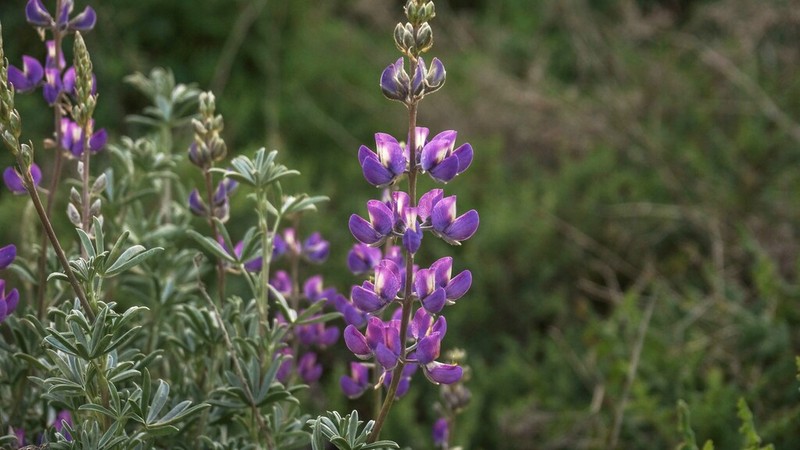
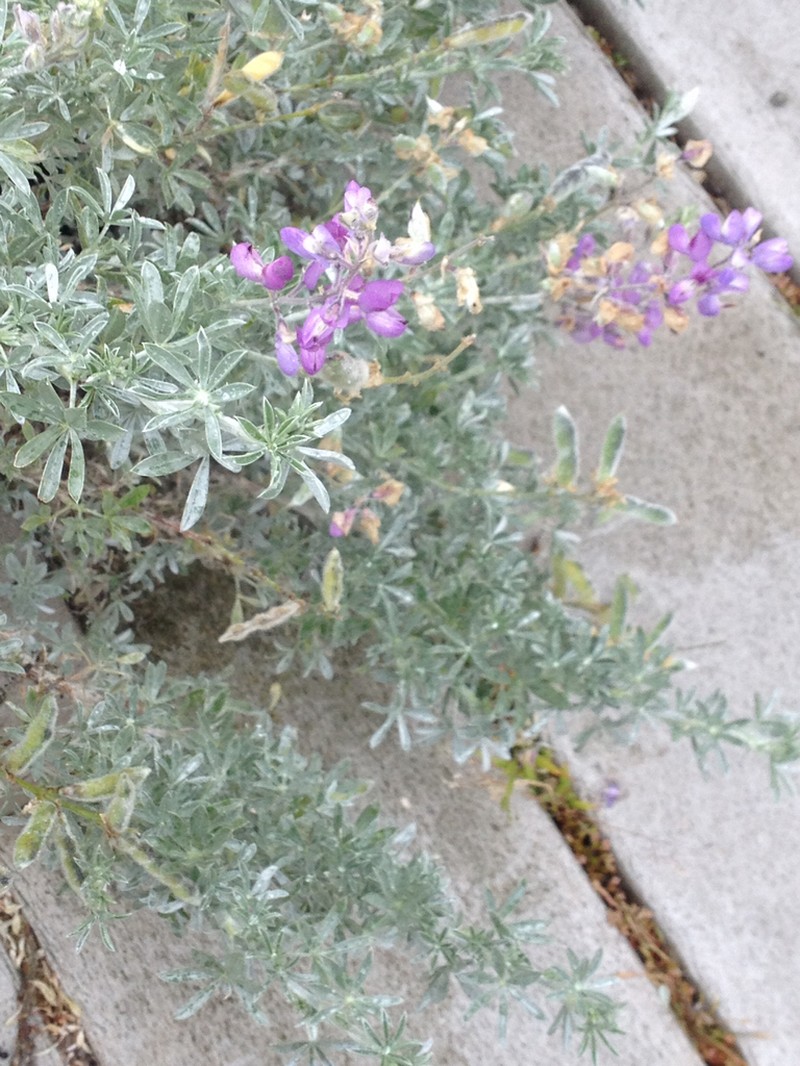
Chamisso Bush Lupine
Lupinus chamissonis
- Native to:
- United States
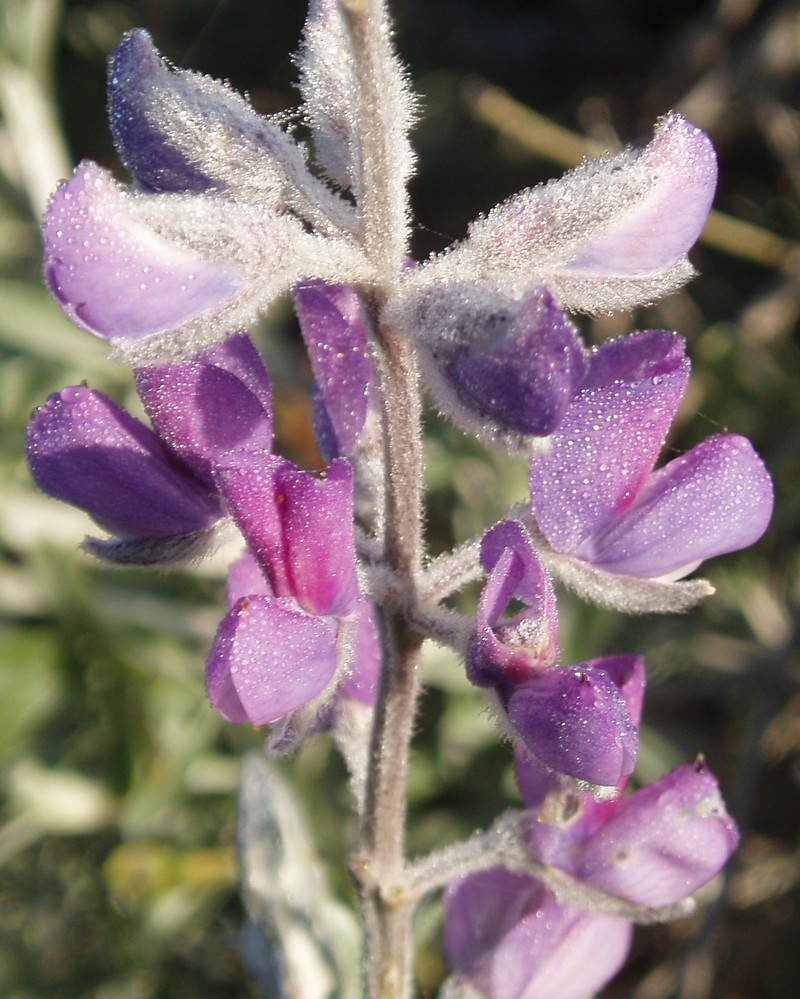
tomhilton (www.flickr.com)
Taxonomy
- Division:
- Magnoliophyta | - Flowering plants
- Family:
- Fabaceae
- Genus:
- Lupinus
- Species:
- Lupinus chamissonis
- USDA Symbol:
- LUCH
Growth Characteristics
- Life Cycle:
- Perennial
- Growth Habit:
- Shrub , Subshrub
- Height:
- 150 cm
- Light Requirements:
- Full Sun
- Drought Tolerance:
- High
- Bloom Months:
- apr,may,jun,jul
- Bloom Colors:
- blue, purple
Wildlife Benefits
- Bees:
- ★☆☆☆☆ Documented bee visitation (GBIF)
- Butterflies & Moths:
- ★☆☆☆☆ Documented Lepidoptera association (GBIF)
- Caterpillars:
- ★★☆☆☆ Recorded caterpillar host plant (HOSTS Database)
Keystone Species Ranking
- Caterpillar Keystone:
- ★★★★☆ Butterfly & moth species supported by this genus (NWF)
- Pollen Specialist Bee Keystone:
- ★★☆☆☆ Native pollen specialist bee species supported by this genus (NWF)
Host Plant for Caterpillars
Areniscythris brachypteris, Chionodes braunella, cosmopolitan walshia moth (Walshia miscecolorella), Genista Broom Moth (Uresiphita reversalis), orange tortrix moth (Argyrotaenia franciscana), Painted Tiger Moth (Arachnis picta), Syncopacma metadesma, Syncopacma nigrella, toothed somberwing (Euclidia cuspidea), Western Blue (Plebejus icarioides)
Reported Fauna Sightings
Bees: Black-tailed bumble bee (Bombus melanopygus), Pyrobombus Dalla, Yellow-faced bumble bee (Bombus vosnesenskii) Butterflies:Boisduval's Blue (Icaricia icarioides)
Garden & Ecology Notes
- Wildlife Value:
- bees, butterflies
- Deer Resistant:
- Yes
- Salt Tolerant:
- Yes
Soil Requirements
- Soil Type:
- sandy, nutrient-poor, well-drained soil
- pH:
- 6.0 - 7.5 (slightly acidic to neutral)
- Drainage:
- excellent drainage required
- Moisture:
- dry to moderate
- Notes:
- native to coastal dunes and sandy areas
Propagation & Germination
- Stratification:
- Cold/moist stratification required — 14–30 days
- Scarification:
- Seed coat scarification required before sowing
- Germination Time:
- 14–30 days
- Notes:
- Scarify seed coat (nick or hot water) then cold stratify for 2-4 weeks.
Pre-treatment: Scarify using sandpaper for 5 minutes, then soak seeds in heated water overnight. Re-scarify and soak any seeds that do not imbibe.
Establishment: Seeds are collected between April 1st and June 30th. Mature pods are brown, and seeds are dark and speckled, 3 to 4 mm long at maturity. Found in sandy places and dunes from Marin County to Los Angeles County, California.
Source: npn.rngr.net