
Broadleaf Lupine
Lupinus latifolius
- Native to:
- Mexico, United States
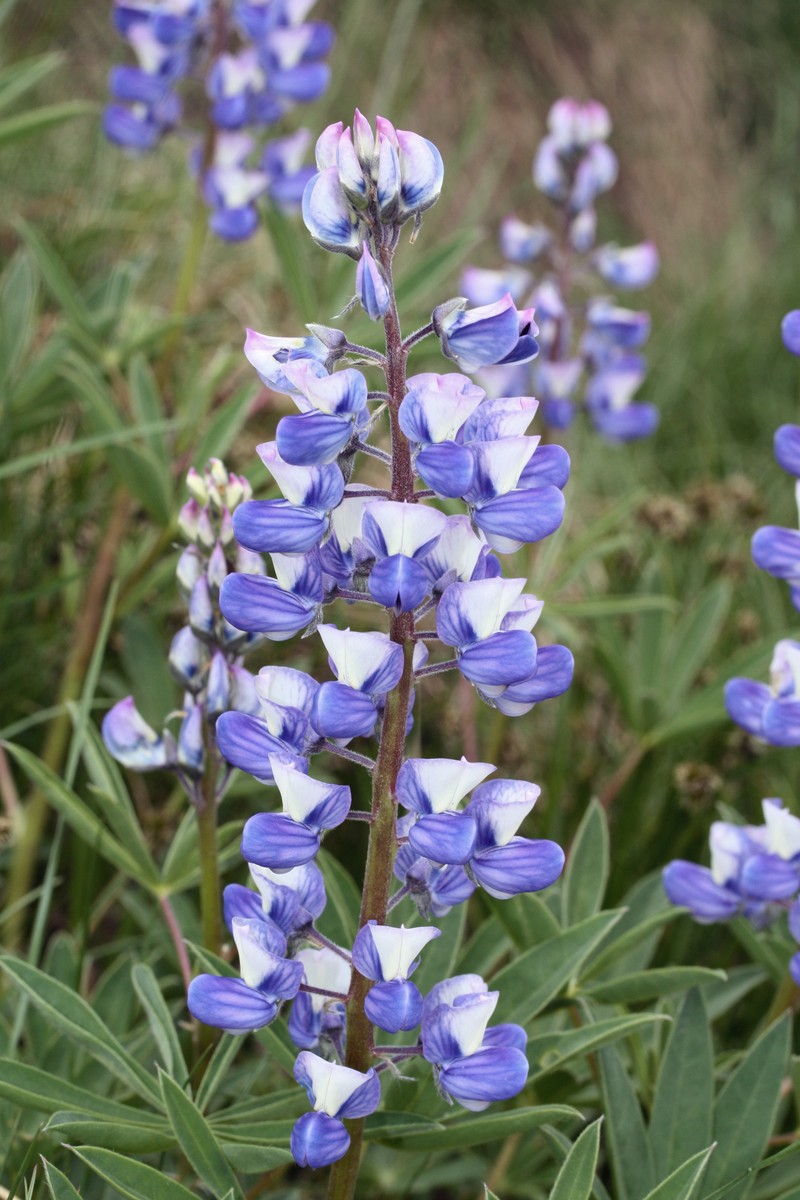
Walter Siegmund (talk)
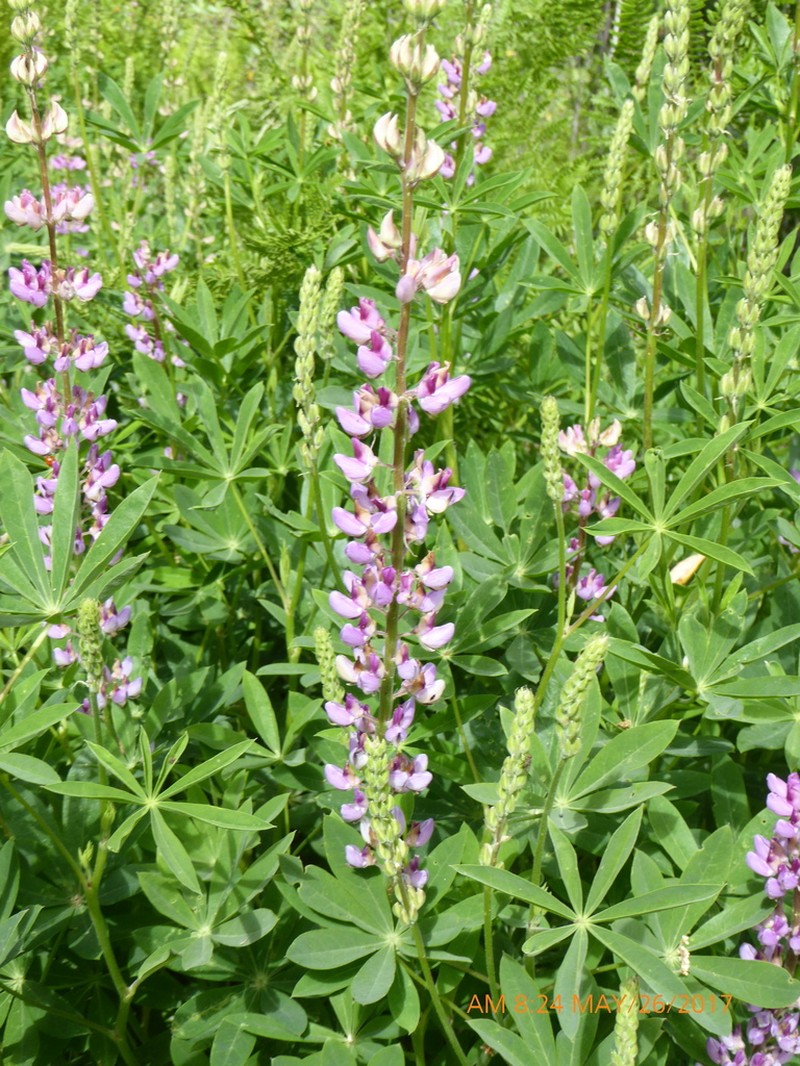
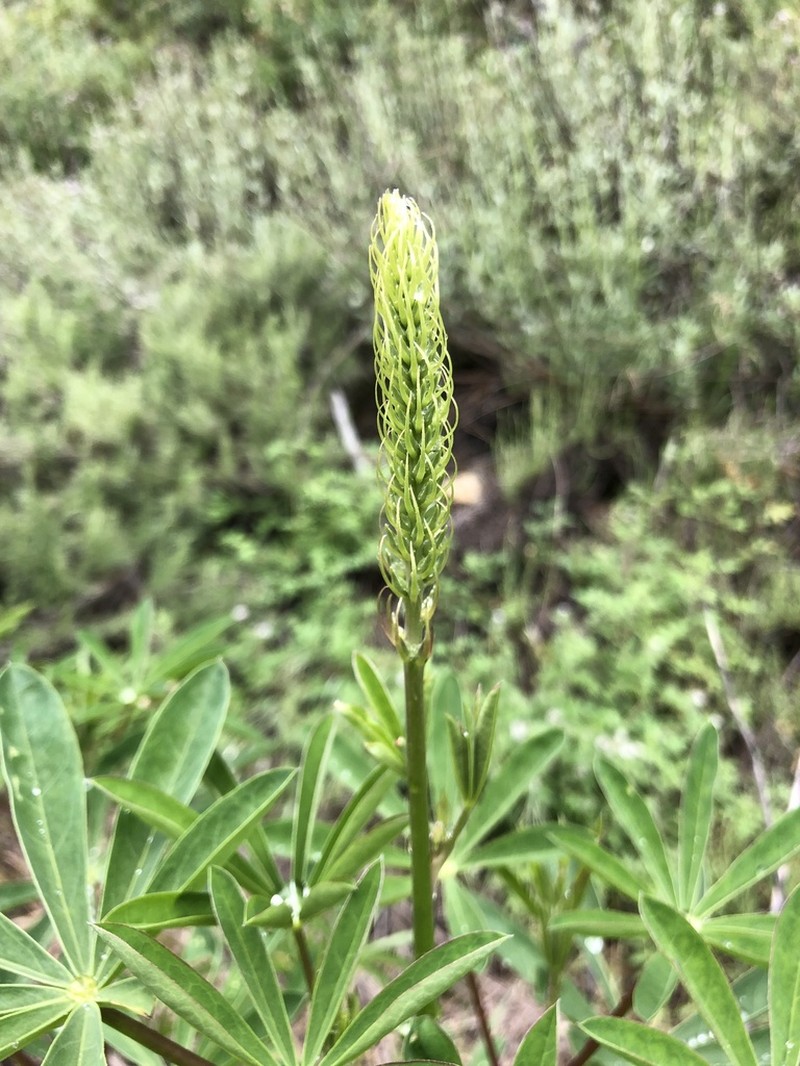
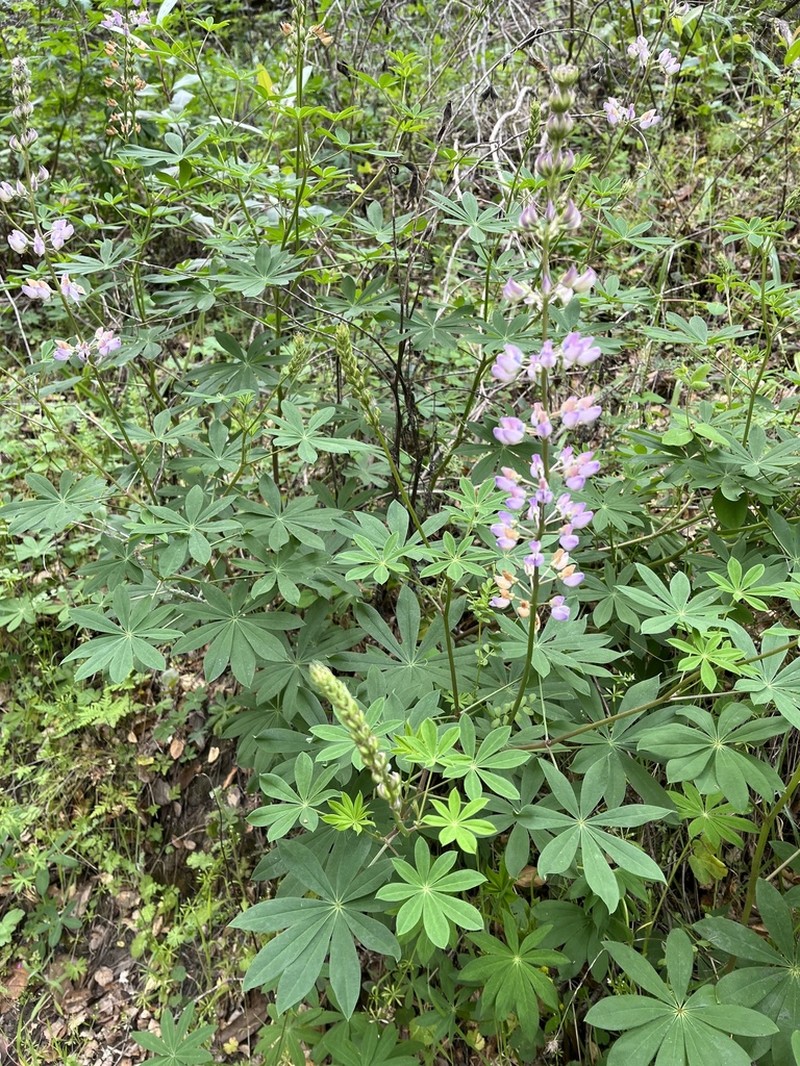
Taxonomy
- Division:
- Magnoliophyta | - Flowering plants
- Family:
- Fabaceae
- Genus:
- Lupinus
- Species:
- Lupinus latifolius
- USDA Symbol:
- LULA4
Growth Characteristics
- Life Cycle:
- Perennial
- Growth Habit:
- Forb/herb
- Height:
- 120 cm
- Light Requirements:
- Full Sun
- Drought Tolerance:
- Medium
- Bloom Months:
- may,jun,jul,aug
- Bloom Colors:
- blue, purple, white
Wildlife Benefits
- Bees:
- ★☆☆☆☆ Documented bee visitation (GBIF)
- Butterflies & Moths:
- ★☆☆☆☆ Documented Lepidoptera association (GBIF)
- Caterpillars:
- ★☆☆☆☆ Recorded caterpillar host plant (HOSTS Database)
Keystone Species Ranking
- Caterpillar Keystone:
- ★★★★☆ Butterfly & moth species supported by this genus (NWF)
- Pollen Specialist Bee Keystone:
- ★★☆☆☆ Native pollen specialist bee species supported by this genus (NWF)
Host Plant for Caterpillars
Reported Fauna Sightings
Garden & Ecology Notes
- Wildlife Value:
- bees, butterflies, hummingbirds
- Fire Ecology:
- Fire adapted — tolerates or benefits from fire
- Fire Notes:
- Can resprout after fire; seeds may germinate in response to fire cues.
Soil Requirements
- Soil Type:
- well-drained, sandy or gravelly soil
- pH:
- 5.5 - 7.5 (slightly acidic to neutral)
- Drainage:
- excellent drainage required
- Moisture:
- dry to moderate
- Notes:
- prefers open, sunny locations in native range
Propagation & Germination
- Stratification:
- Cold/moist stratification required — 14–30 days
- Scarification:
- Seed coat scarification required before sowing
- Germination Time:
- 14–30 days
- Notes:
- Scarify seed coat (nick or sand) then cold stratify for 2-4 weeks for best germination.
Pre-treatment: Scarification with hot water or a seed tumbler. For hot water scarification, pour hot tap water over seed a few times and then allow seed to steep in water while it cools. Alternatively, immerse seed in boiling water for one minute, then rinse immediately with cold water. If seed is not completely dry before sowing, talc powder can be sprinkled on seed for easier handling. Scarified seed can be inoculated with Rhizobium lupini.
Establishment: There will be varying levels of hard seed that remains impermeable even after scarification. Weed competition can be a serious problem during establishment. Seed pods should be collected just as they begin to turn brown and placed into cloth seed sacks and held in a cool, shaded location until they can be spread out to dry. Pods contain high levels of moisture initially and need to be handled carefully to keep from overheating during transit.
Source: npn.rngr.net
ORGHPS Germination Guide: Sow @ 20C. Germinates within 3 months. Resents transplanting. | Requires scarification. | Requires soaking 24-48 hrs; discard floaters.