
Velvet Lupine
Lupinus leucophyllus
- Native to:
- Canada, United States
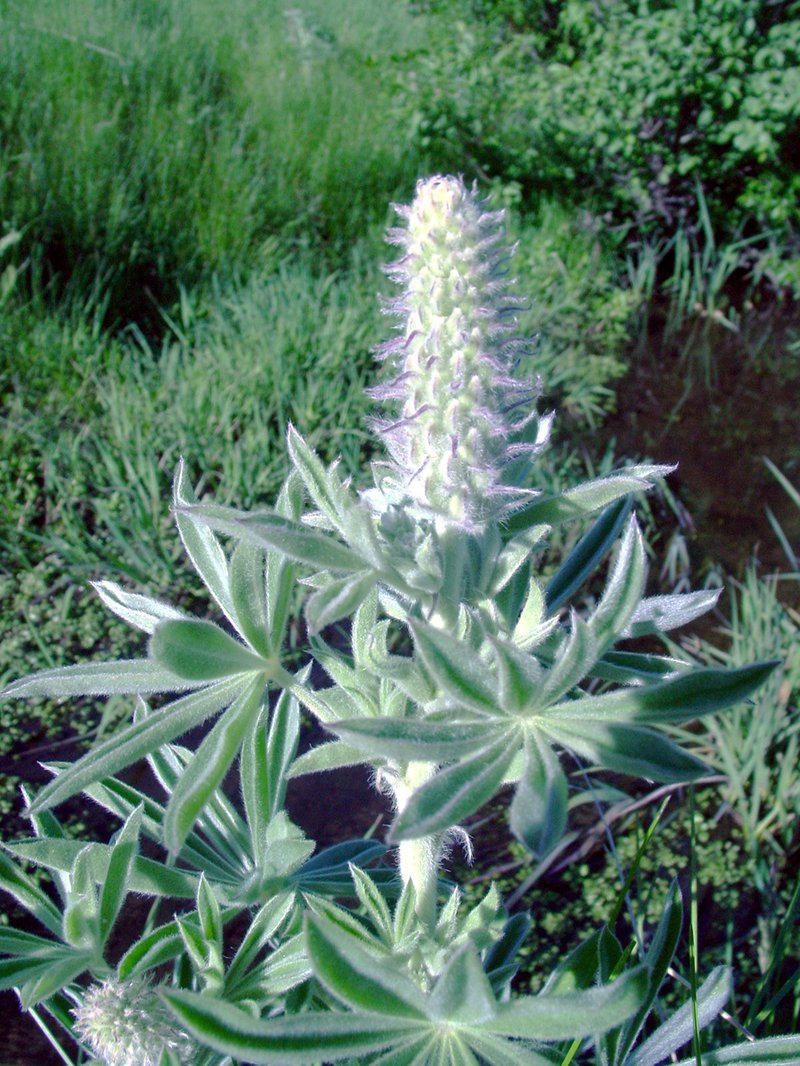
Walter Siegmund (talk)
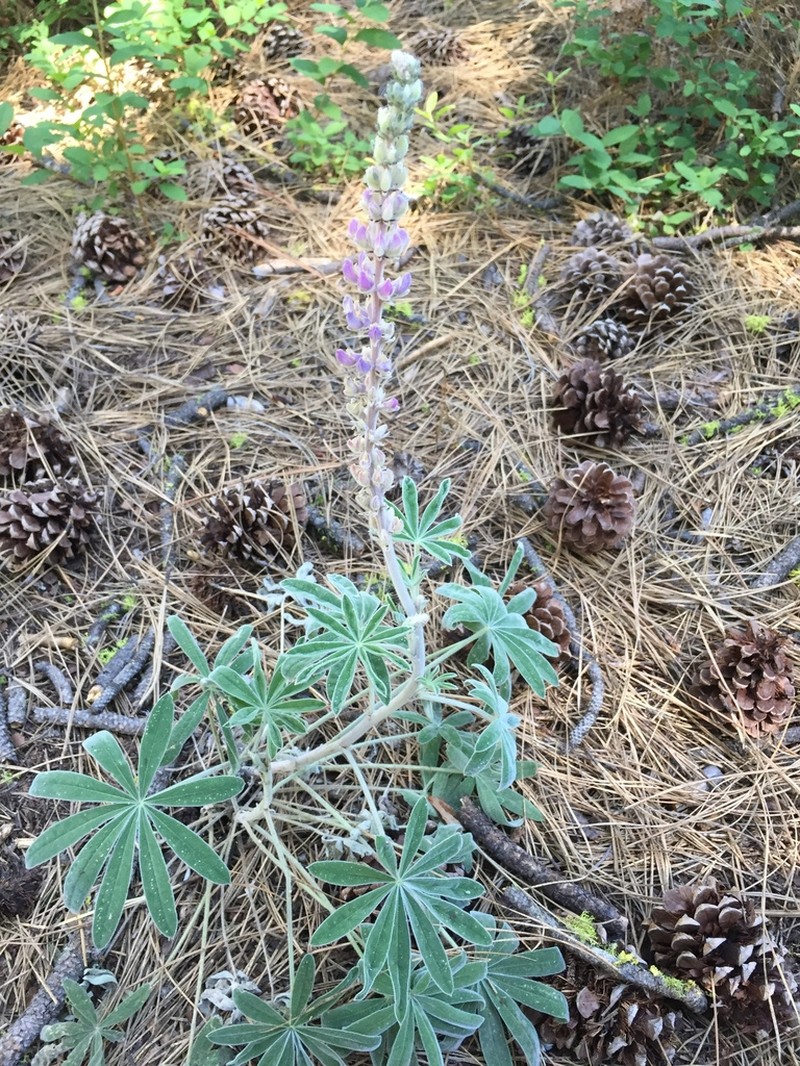
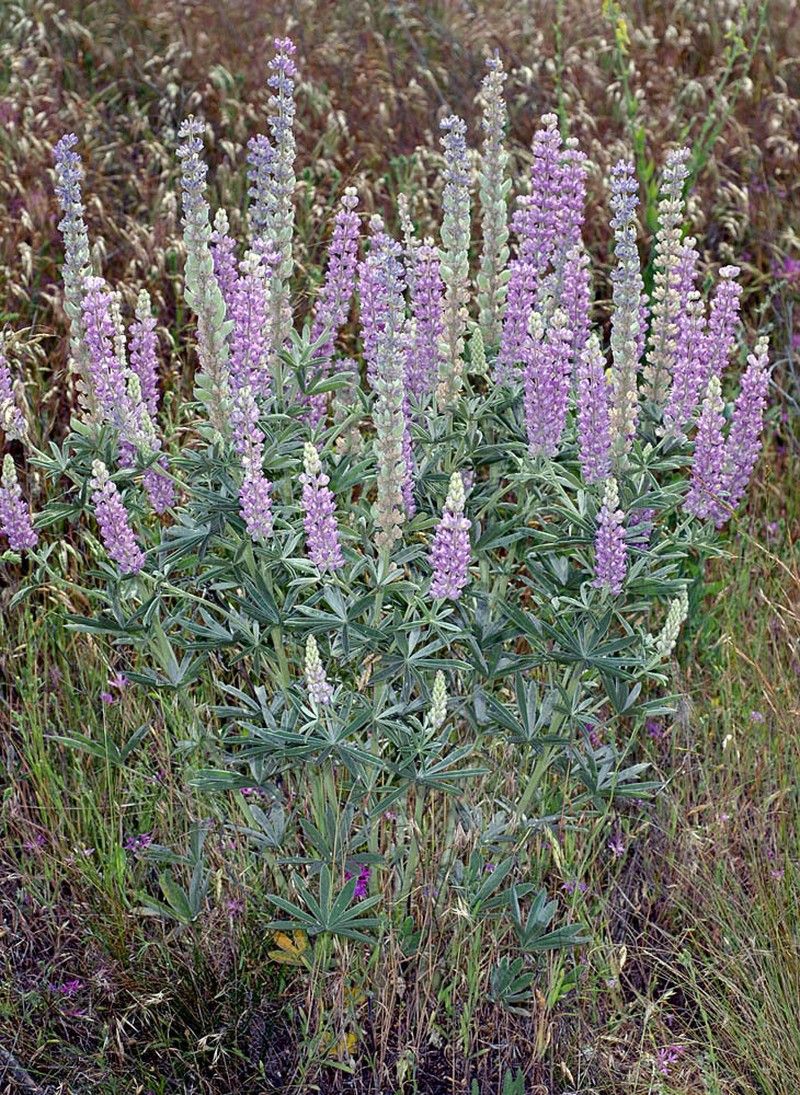
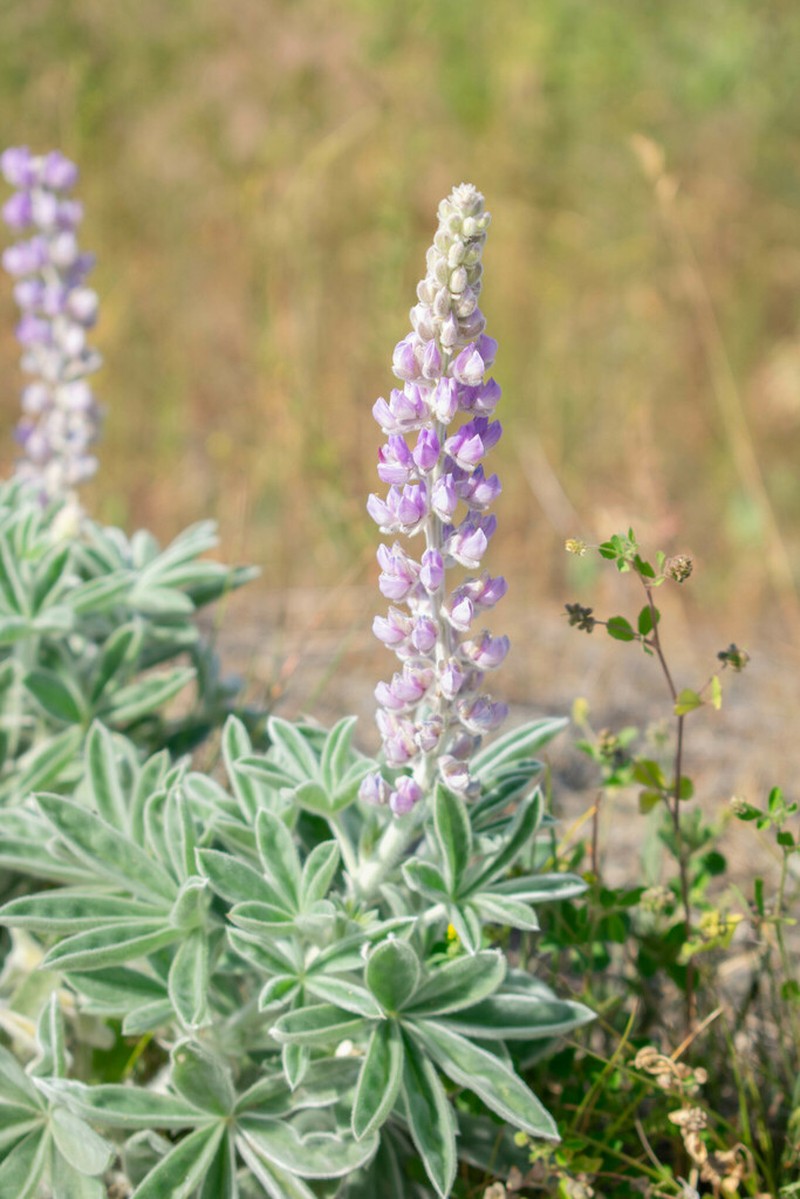
Taxonomy
- Division:
- Magnoliophyta | - Flowering plants
- Family:
- Fabaceae
- Genus:
- Lupinus
- Species:
- Lupinus leucophyllus
- USDA Symbol:
- LULE3
Growth Characteristics
- Life Cycle:
- Perennial
- Growth Habit:
- Forb/herb
- Height:
- 90 cm
- Light Requirements:
- Full Sun
- Drought Tolerance:
- High
- Bloom Months:
- jun,jul,aug
- Bloom Colors:
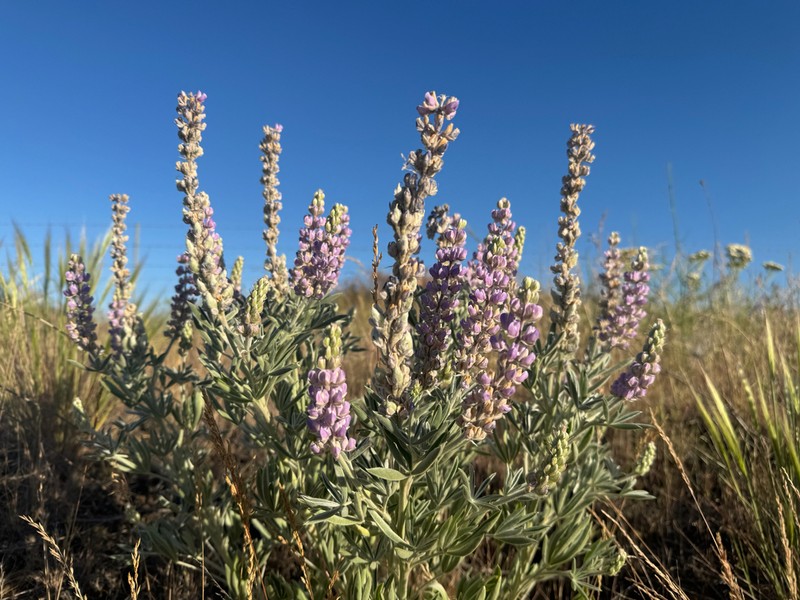
- blue, purple, white
Wildlife Benefits
- Bees:
- ★☆☆☆☆ Documented bee visitation (GBIF)
- Butterflies & Moths:
- ★☆☆☆☆ Documented Lepidoptera association (GBIF)
- Caterpillars:
- ★☆☆☆☆ Recorded caterpillar host plant (HOSTS Database)
Keystone Species Ranking
- Caterpillar Keystone:
- ★★★★☆ Butterfly & moth species supported by this genus (NWF)
- Pollen Specialist Bee Keystone:
- ★★☆☆☆ Native pollen specialist bee species supported by this genus (NWF)
Host Plant for Caterpillars
Western Blue (Plebejus icarioides)
Reported Fauna Sightings
Bees: Brown-belted bumble bee (Bombus griseocollis), Central bumble bee (Bombus centralis), Two-form bumble bee (Bombus bifarius)
Garden & Ecology Notes
- Wildlife Value:
- bees, butterflies
Soil Requirements
- Soil Type:
- well-drained, sandy or rocky soil
- pH:
- 6.0 - 7.5 (slightly acidic to neutral)
- Drainage:
- excellent drainage required
- Moisture:
- dry to moderate
- Notes:
- prefers open, sunny locations
Propagation & Germination
- Stratification:
- Cold/moist stratification required — 14–30 days
- Scarification:
- Seed coat scarification required before sowing
- Germination Time:
- 14–30 days
- Notes:
- Scarify seed coat (e.g., with sandpaper or hot water) then cold stratify for 2-4 weeks to break dormancy.
Pre-treatment: Scarification with hot water. Boil water, remove from heat, place seeds in hot water, let it cool for several hours, then plant.
Establishment: Seeds are brittle and can be easily damaged by mechanical scarifiers. Hand scarification with sandpaper is effective but difficult to control. Seed collection must be done frequently as pods shatter readily when ripe. There is a wide variation in size, shape, and color of the seed.
Source: npn.rngr.net